
How to Attract Hedgehogs to a Buckinghamshire Garden, Even on Heavy Clay
A garden can look tidy, well planted, and carefully finished, yet still be almost useless to hedgehogs.
That’s the mistake many homeowners make. They add a hedgehog house, leave out some food, or assume a wildlife-friendly border will do the job. Often it won’t. The real issue is usually simpler. The boundary is sealed, the ground layer is bare, and there’s nowhere safe to move through. A 13cm by 13cm opening, about the size of a CD case, is enough for a hedgehog to pass through even though it looks far too small, and linking gardens with these hedgehog highways makes all the difference in helping them move between plots.
That matters in Buckinghamshire because gardens are part of the remaining network hedgehogs rely on. Rural hedgehog numbers have fallen by between 30% and 75% since 2000, with the steepest losses in eastern England, while urban and suburban populations have stabilised and may even be starting to recover. That contrast is the whole point: the places hedgehogs are hanging on, and slowly coming back, are gardens like the ones across Buckinghamshire's towns and villages. Ordinary back gardens aren't a nice-to-have for hedgehogs. They're the habitat that's actually working.
There's also a very local reason to take this seriously. Tiggywinkles, the wildlife hospital in Haddenham near Aylesbury, treats sick and injured hedgehogs from across Buckinghamshire around the clock. When a county has a wildlife hospital of that size dealing with the fallout, it's a fair sign that what happens in ordinary gardens here genuinely matters.
Jump to
If there’s one section to start with, begin with Is your garden suitable for hedgehogs. Then check Clay soil plants and features that help support what hedgehogs eat for the most practical planting advice.
- What attracts hedgehogs
- Is your garden suitable
- Best plants and features for clay soil
- Clay-tolerant plants
- Shelter and ground-level cover
- Features that support insect life
- What shuts hedgehogs out
What actually brings hedgehogs into a garden
Hedgehogs are usually looking for four things. They need a way in, places to move under cover, a reliable drink, and enough insect life to make the trip worthwhile.
Food matters, but not in the way many people assume. Wild hedgehogs mainly eat invertebrates such as worms, beetles, slugs, caterpillars, earwigs, and millipedes. A garden with richer life at ground level is usually more helpful than one that relies on occasional feeding alone.
Cover matters just as much. Log piles, leaf litter, rougher corners, hedge bottoms, and slightly less managed edges give hedgehogs safer routes and better foraging conditions. A neat space can still look lovely, but if every boundary is hard, every bed is bare underneath, and every corner is clipped and cleaned back, the whole plot becomes much less useful.
Is your garden suitable for hedgehogs
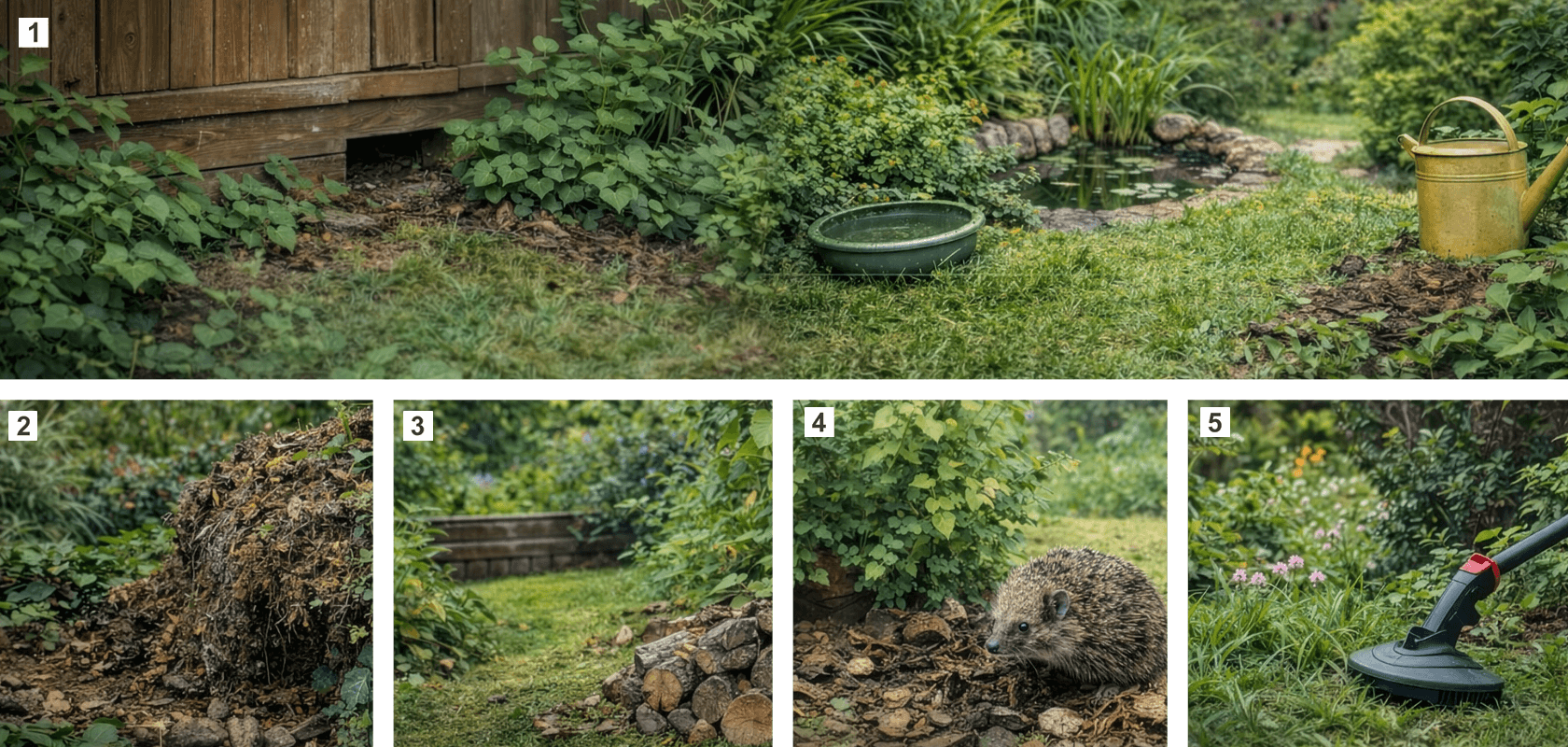
A hedgehog-friendly garden works at ground level, with access, cover, water, and safer maintenance all helping hedgehogs pass through.
A hedgehog-friendly garden doesn’t have to be shaggy or neglected. It does need to work at ground level.
Your garden is moving in the right direction if most of these are true
There’s a 13cm by 13cm access point in or under a boundary
Leaf litter and deadwood provide shelter and support insect life
Cover along edges helps hedgehogs move through the garden safely
Less managed areas create safer ground-level habitat for hedgehogs
Mowing and strimming are done carefully around edges and corners
If several of those are missing, that’s often the real reason hedgehogs aren’t passing through.
What do hedgehogs eat in gardens
The better question isn’t which plant attracts hedgehogs. It’s what sort of garden helps support the things they feed on.
Hedgehogs don’t come into a border to browse on flowers and foliage. They come because the space supports life at ground level. If the garden is too sterile, too dry, or too sealed off, it won’t offer much to forage through.
In a healthy garden, that usually means access to
worms in damp soil
beetles and their larvae in leaf litter and rougher corners
caterpillars among mixed planting
earwigs and other small insects in sheltered spots
millipedes and similar ground-dwelling invertebrates
some slugs, especially in less managed areas
That’s why leaf litter, log piles, hedge bottoms, longer grass, and slightly softer edges are so useful. They don’t attract hedgehogs directly in the way people often imagine. What they do is help support the food source hedgehogs are already looking for.
That’s where this subject becomes more useful for homeowners. The aim isn’t to create a wild patch for the sake of appearances. It’s to make the garden function better.
Clay soil plants and features that help support what hedgehogs eat
Hedgehogs are drawn to gardens that support the insects and ground-level cover they rely on. In Buckinghamshire, that often means making sensible planting choices on heavy clay. Clay itself isn’t the real obstacle. Poor structure, compaction, and hard boundaries are usually more of a problem.
Here’s a practical shortlist that suits heavier ground and helps build the sort of conditions hedgehogs use.
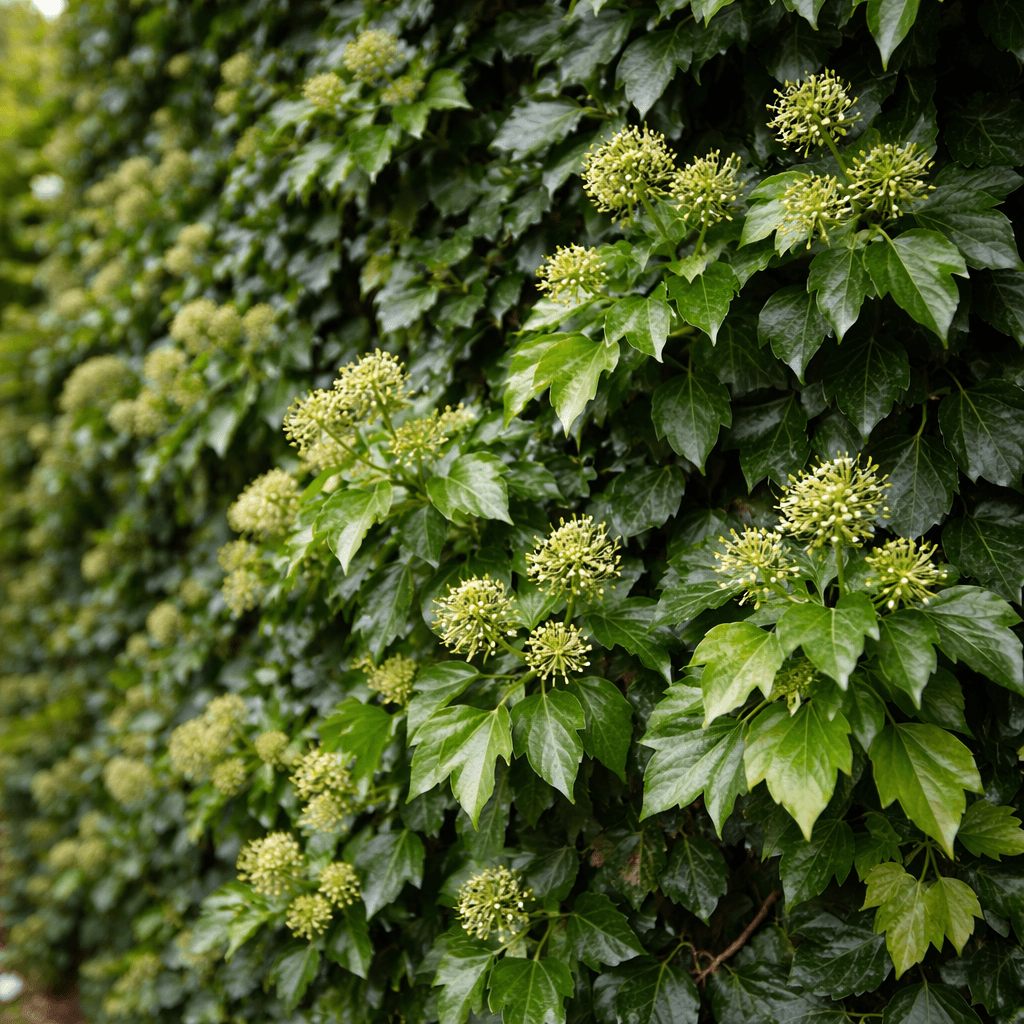
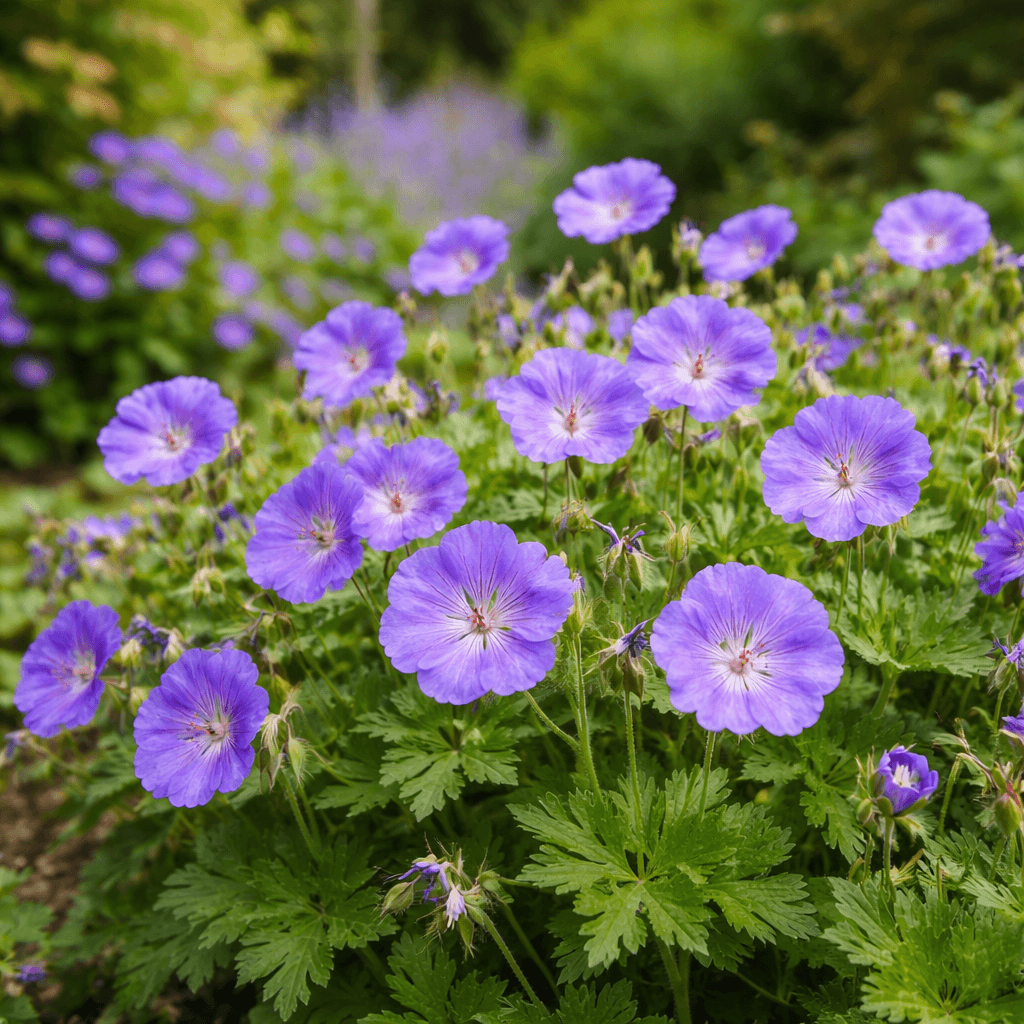
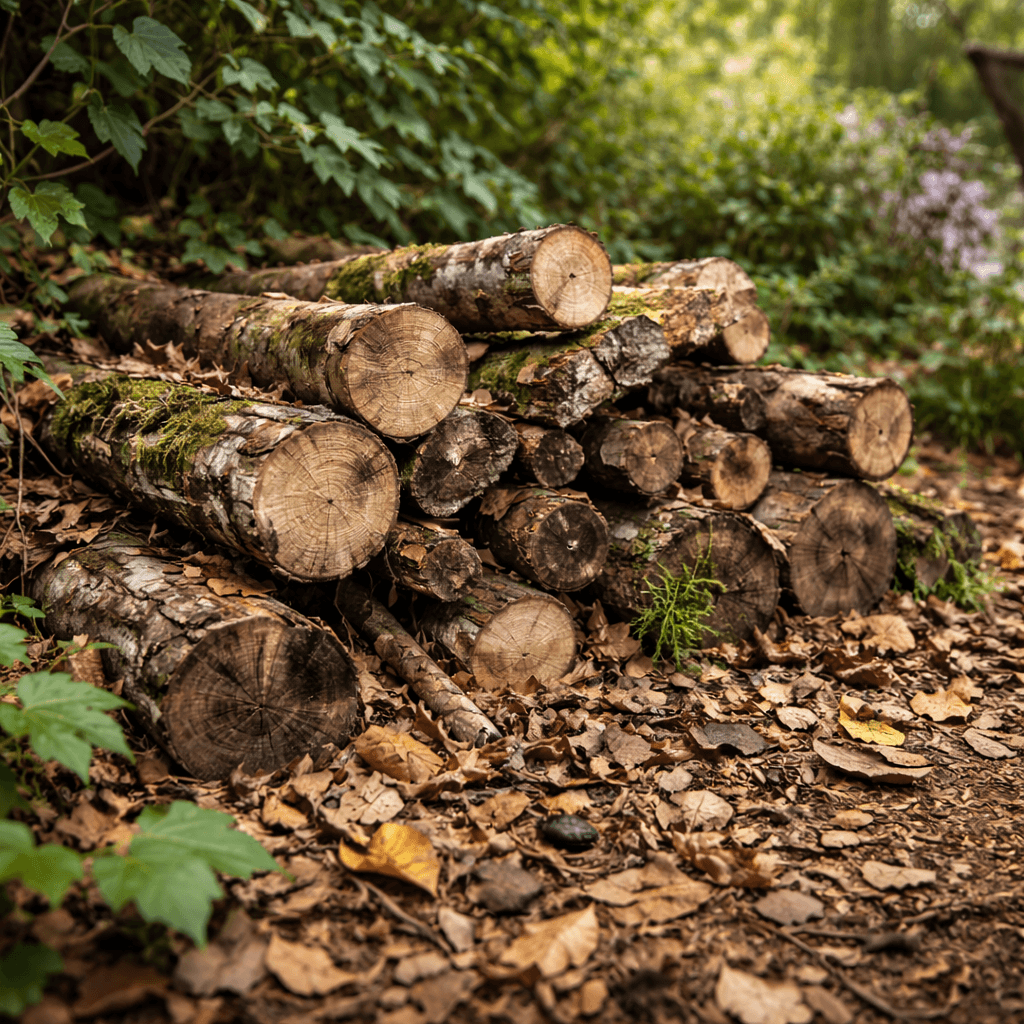
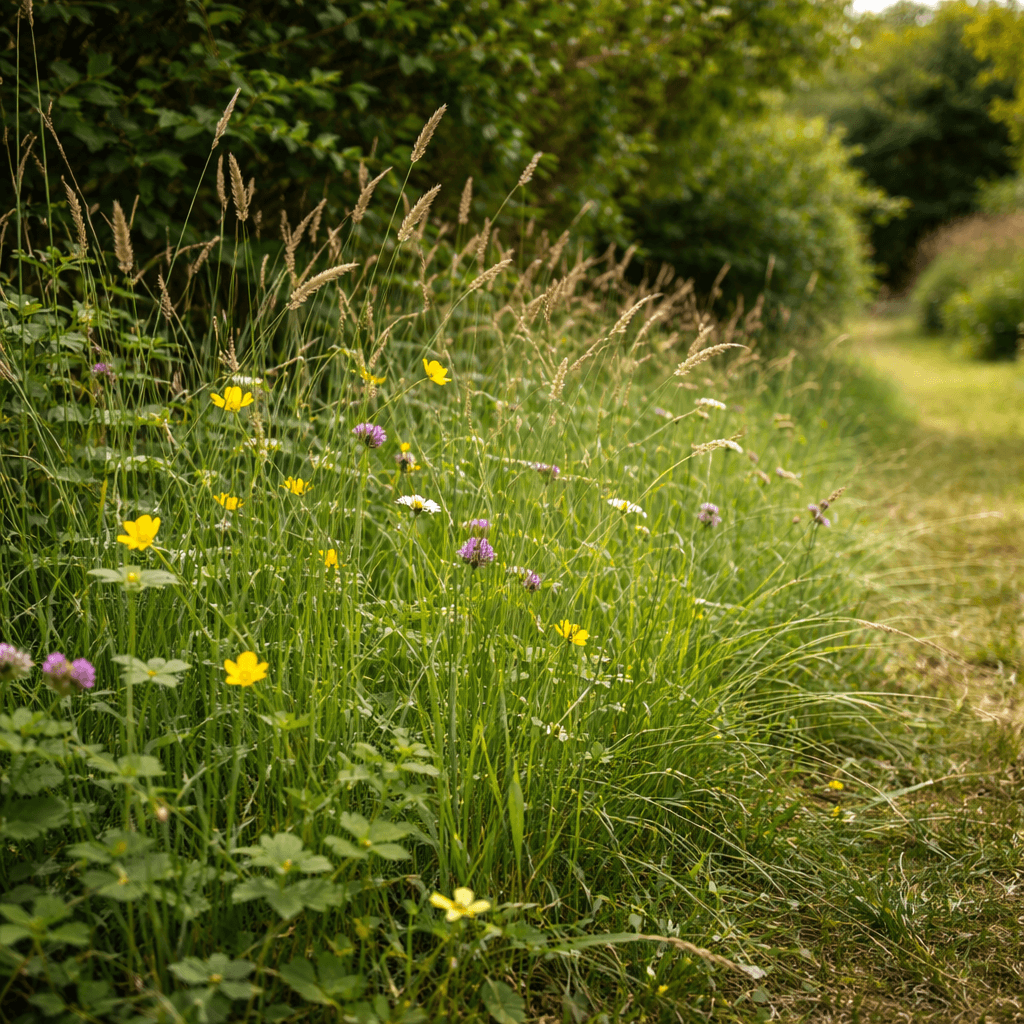
| Plant or Feature | Why It Helps | Best Position | Clay Soil Notes | Best Time to Add or Plant |
|---|---|---|---|---|
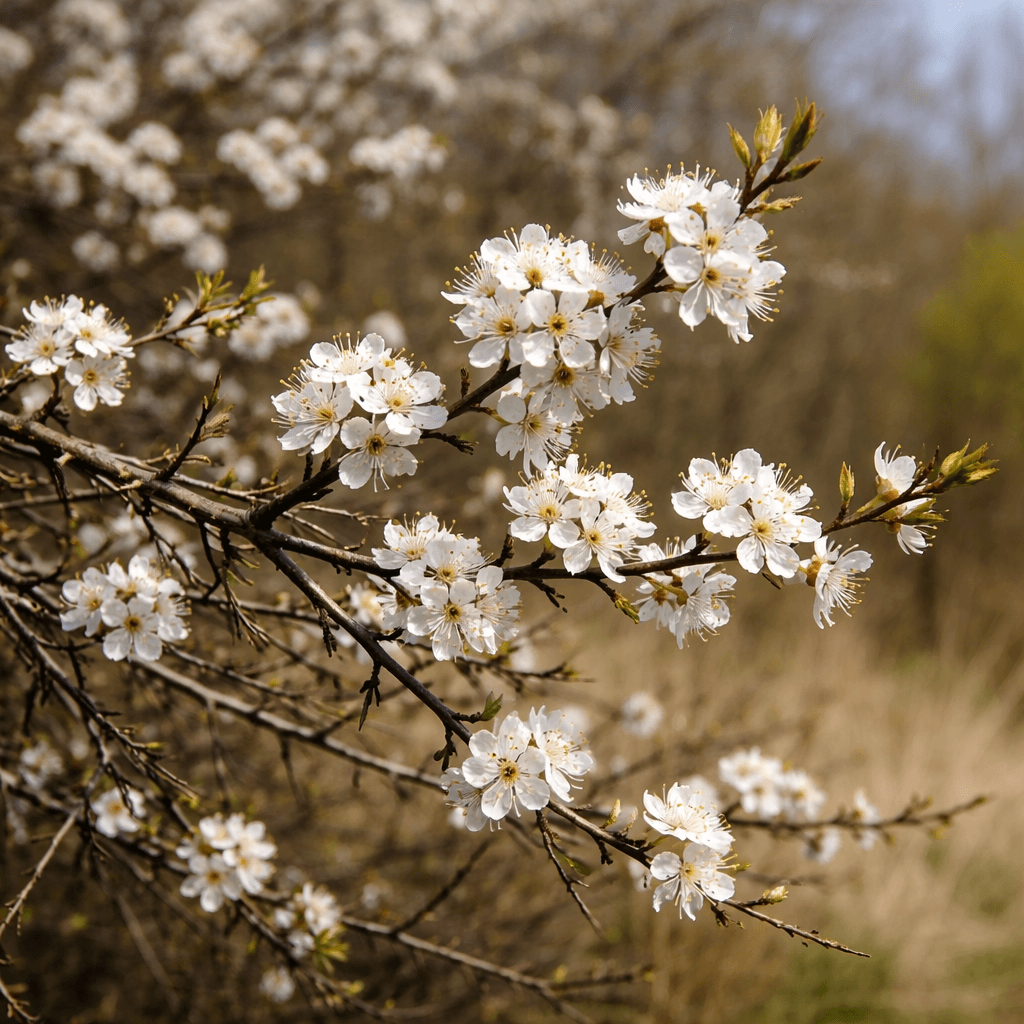
| Blackthorn (Prunus spinosa) | Creates good cover and helps form a more connected edge at ground level. | Wider boundary lines, informal hedging, back edges | Good on heavier soils if drainage is reasonable. | Autumn to early spring |
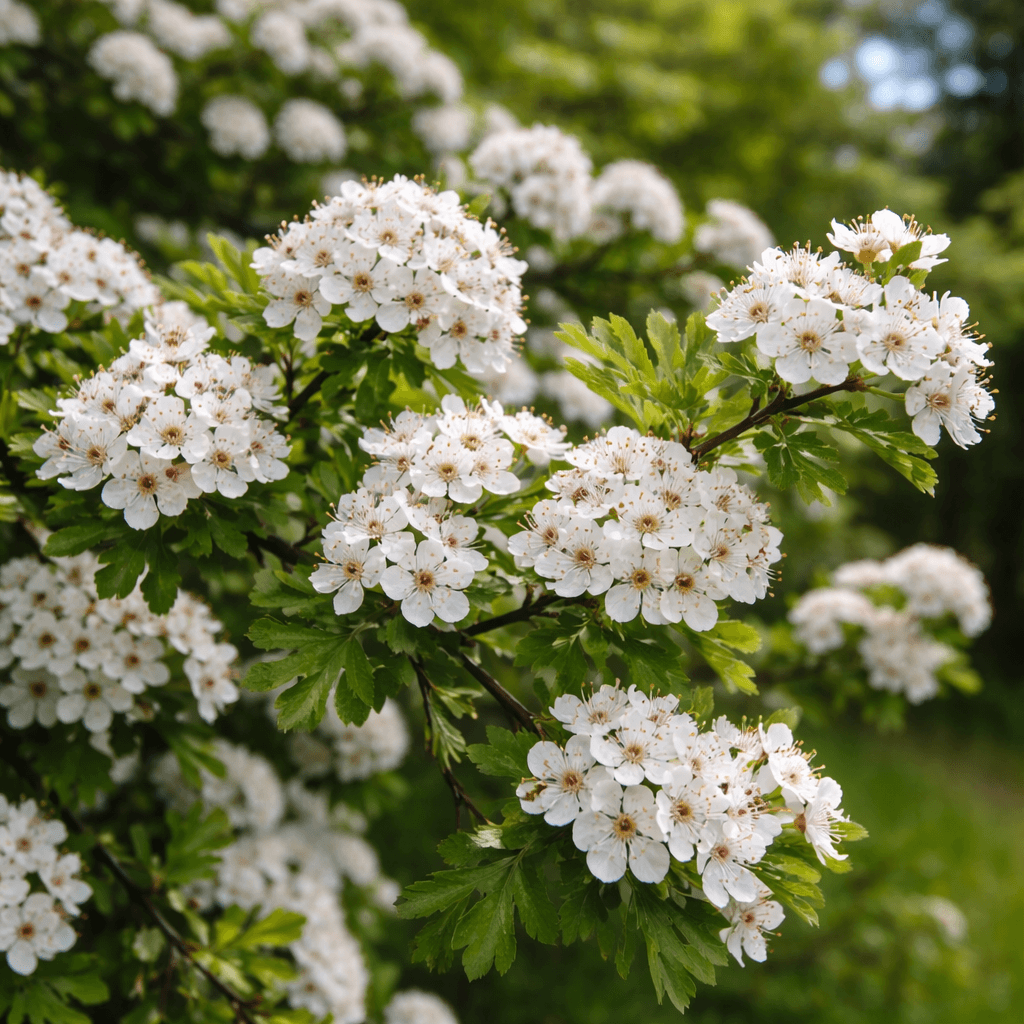
| Common hawthorn (Crataegus monogyna) | Dense structure, blossom, and leaf litter at the base give shelter and support insect life. | Boundary planting, mixed native hedge, wilder edge | Very good on heavier soils and useful where you want stronger structure. | Autumn to early spring |
| Common ivy (Hedera helix) | Adds dense evergreen shelter and supports insects later in the season. | Walls, fences, shaded corners, tucked behind shrubs | Thrives on heavier clay-rich soils and copes with dry shade and awkward corners other plants avoid; dislikes only waterlogged ground. | Autumn or spring |
| Hardy geraniums (Geranium) | Provide ground cover, soften borders, and support pollinators. | Front of borders, around shrubs, underplanting | Very reliable on clay once established and useful for knitting planting together, as long as the ground isn't waterlogged. | Autumn or early spring |
| Log piles and leaf litter | Support beetles, woodlice, millipedes, and other small creatures at ground level. | Quiet corners, behind shrubs, along boundaries | Excellent on clay, especially where moisture is retained naturally. | Any time, best left undisturbed once in place |
| Longer grass or a lightly managed patch | Supports more insect life and gives safer cover while hedgehogs move through. | Garden margins, back corners, side strips | Often easier to maintain on clay than trying to keep every edge close-cut. | Spring onwards |
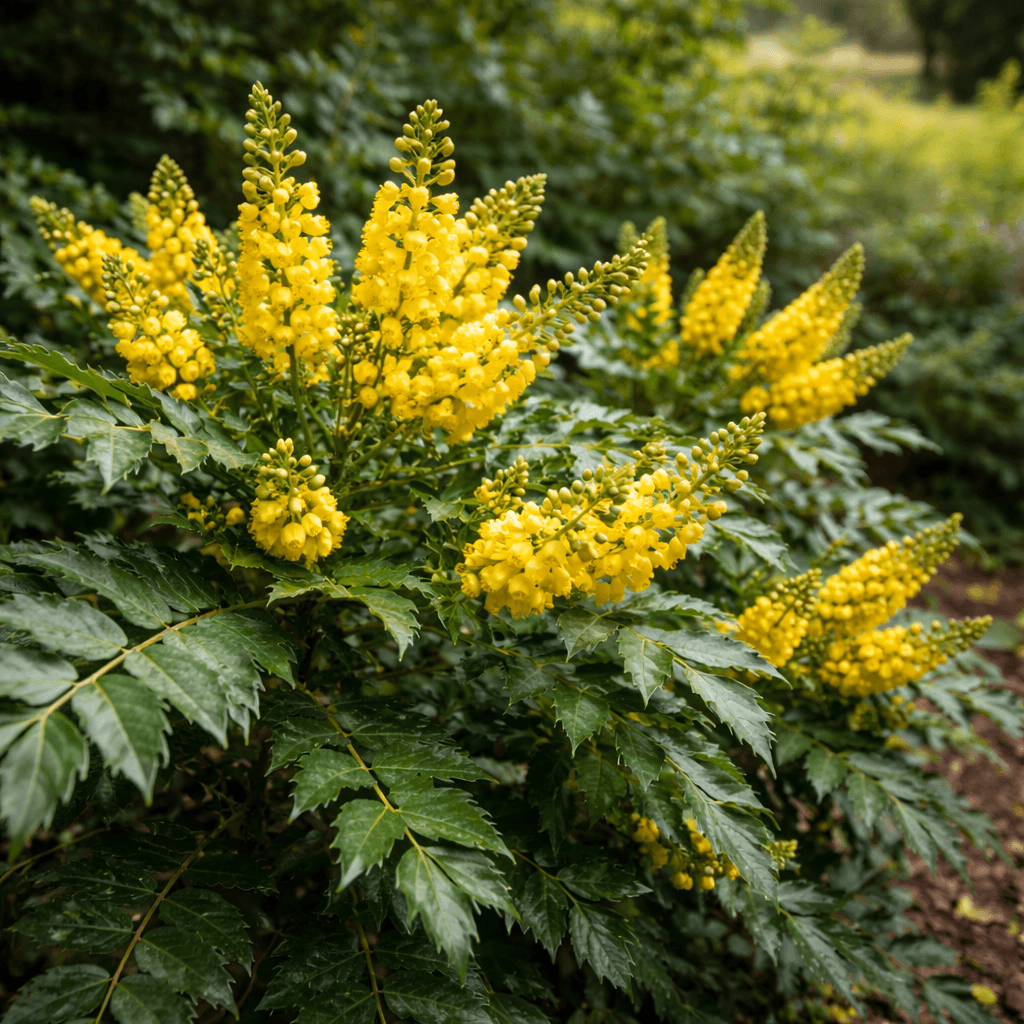
| Mahonia | Early flowers help insects when little else is available and the evergreen form adds cover. | Mixed shrub borders, partial shade, sheltered beds | Very good choice for clay and useful for winter structure. | Autumn preferred; spring on heavy clay |
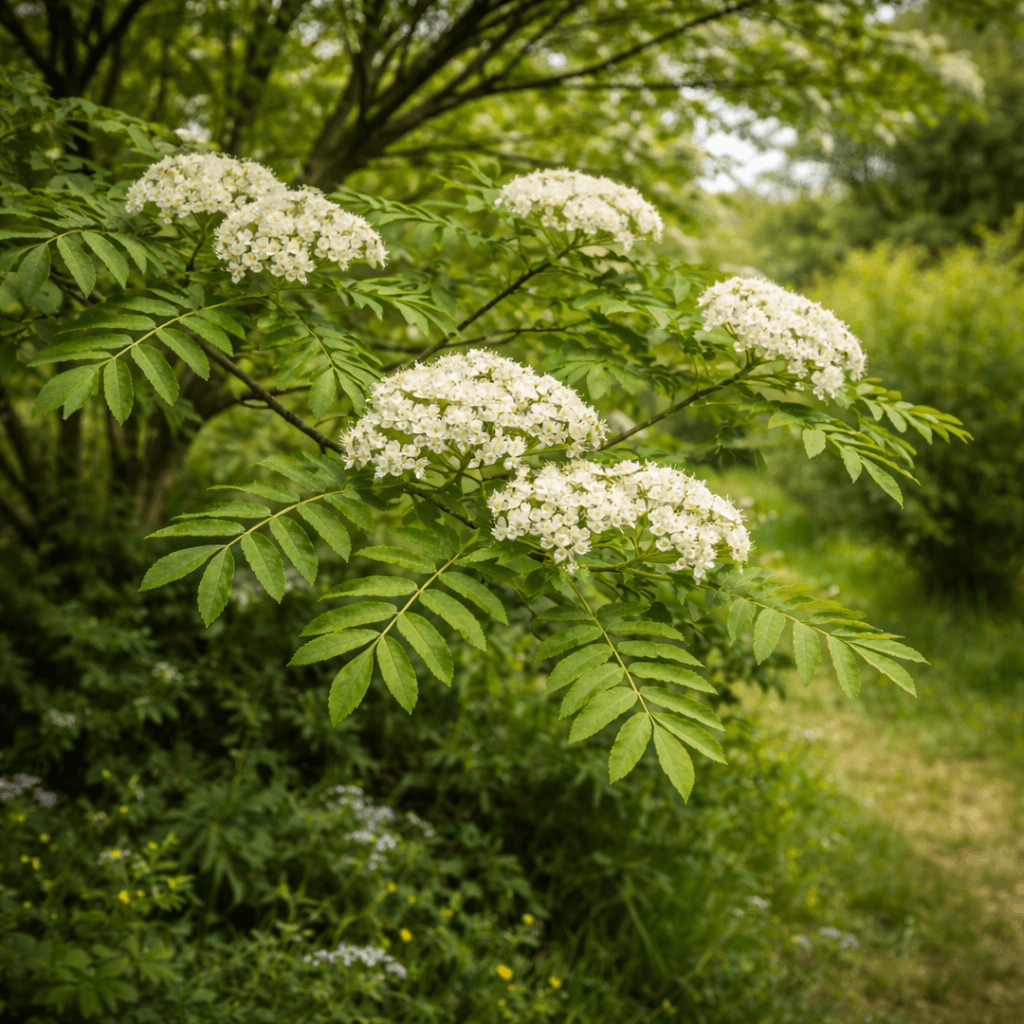
| Rowan (Sorbus aucuparia) | Adds blossom, berries, and light cover while helping support a wider range of garden wildlife. | Mixed borders, lawn edges, larger gardens, wildlife-focused planting schemes | Can cope with clay if the soil is improved and not badly waterlogged. | Autumn to early spring |
The point isn’t to build a list of hedgehog plants. It’s to create the sort of layered, insect-rich space hedgehogs can use with confidence.
The common garden features that shut hedgehogs out
The biggest barriers are often modern and unintentional.
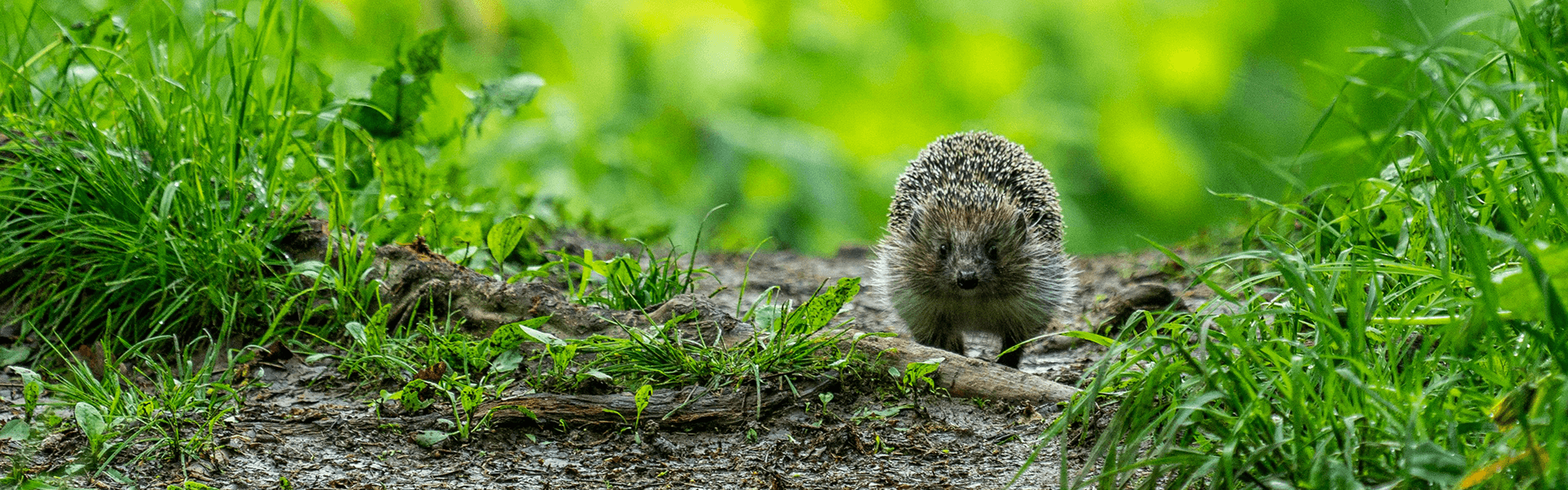
Close-board fencing with no gap underneath is one of the obvious ones. So are gravel boards, sealed side returns, full-width patios, artificial grass, and raised edges that leave no clear route through. The finished result may look smart, but at ground level it can behave like a wall.
Over-tidying causes a quieter kind of damage. Clearing every leaf, lifting every log, and stripping every corner back to bare mulch can leave a garden looking immaculate while removing the shelter and small creatures that make it useful.
This is where better design judgement matters. A space can still look crisp and intentional while keeping softer edges, more layered planting, and a few hidden places that are left less disturbed.
How to tell if hedgehogs are visiting
You don’t need specialist kit to spot early signs.
Black droppings with bits of insect shell, gentle snuffling at night, disturbed leaf litter, or regular movement along the same edge can all suggest a visitor. You may never see the animal itself, especially if the route through the garden is quick and sheltered.
It’s also worth being patient. If a plot has been sealed off for years, the first gain may simply be that it becomes passable again.
Typical hedgehog activity through the year
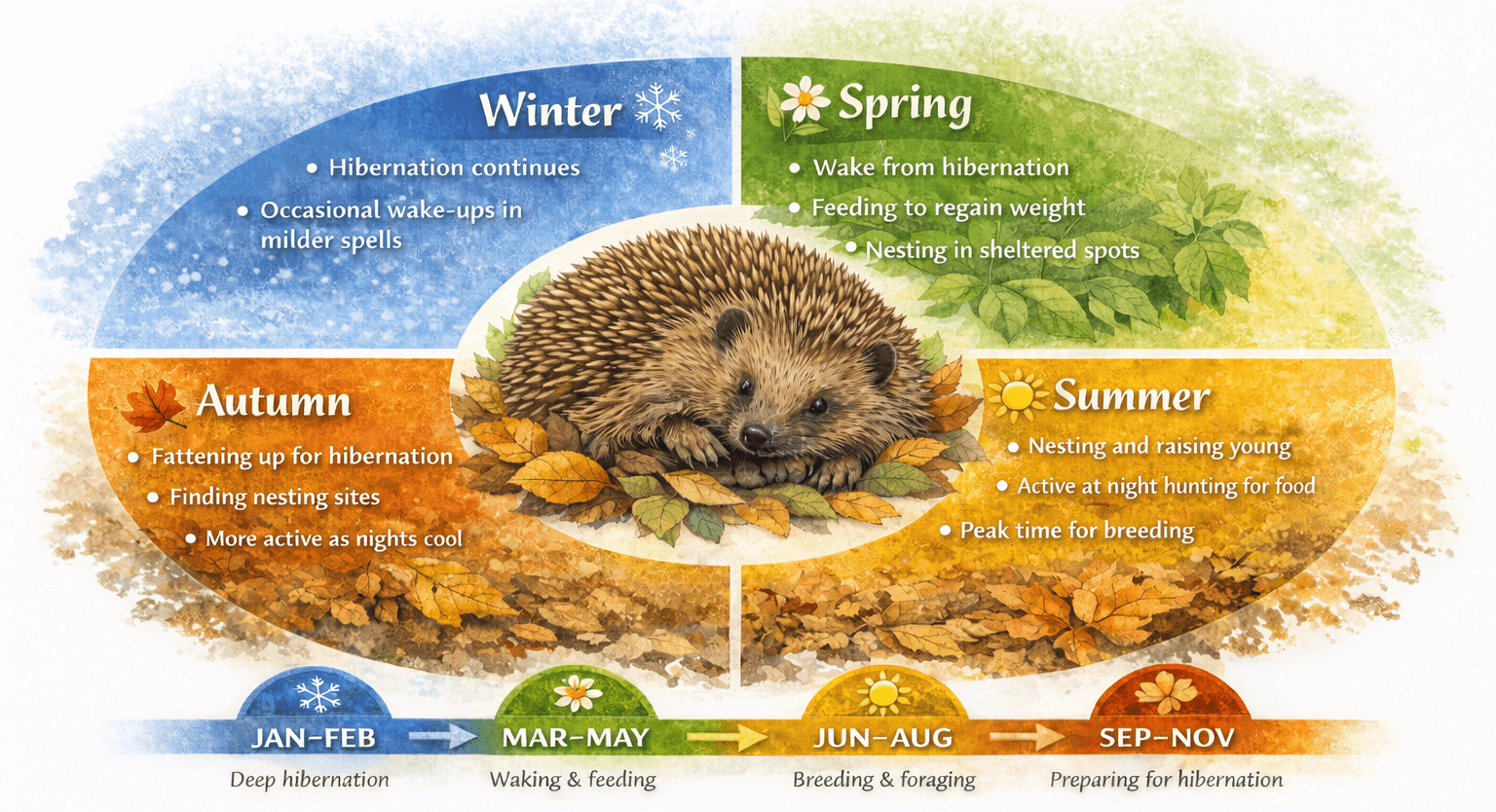
A small seasonal table earns its place here because one of the most common homeowner questions is whether a hedgehog seen in winter or daylight is normal. The timing varies with the weather, so this is a guide rather than a rigid calendar.
| Time of Year | What Hedgehogs Are Usually Doing | What This Means for Your Garden |
|---|---|---|
| Spring | Emerging from hibernation and rebuilding condition. | Keep water available, check edges before strimming, and make sure access gaps are open. |
| Summer | Feeding, moving through gardens, mating, and raising young. | Prioritise cover, connected boundaries, and insect-rich planting. |
| Autumn | Feeding heavily before winter and building reserves. | Avoid major clear-outs and leave shelter in place. |
| Winter | Usually hibernating, with some movement in mild spells. | Disturb piles carefully and watch for animals that look unwell in daylight. |
Quick answers to common hedgehog questions
Hedgehogs in Britain are the West European hedgehog, Erinaceus europaeus. They usually live for two to three years in the wild, though they can live longer in captivity. The European hedgehog is most active at night and is commonly associated with hedgerows, woodland edges, parks, and gardens.
If you see a hedgehog out in daylight, that doesn’t always mean something’s wrong. A healthy one may occasionally be active then, especially during nesting or feeding pressures. If it appears weak, injured, or out in cold winter weather, specialist help may be needed.
A better garden for hedgehogs usually looks better for wildlife generally
The most useful shift is a simple one. Stop asking which single plant attracts hedgehogs, and start asking whether the garden works as a small piece of connected habitat.
That usually leads to better decisions anyway. Softer edges. More thought at the base of boundaries. Less sterile paving right up against every fence. More cover in the places that would otherwise be empty. Better planting for clay rather than against it.
If your garden has heavy ground, awkward levels, poor drainage, or very hard boundaries, the answer is rarely one extra wildlife feature. It usually comes down to better layout, planting, and structure. If you’d like help creating a garden that works beautifully for people and wildlife, get in touch with Vivid Gardens.
Where to go next
If this article has made you look at your garden differently, these next reads will help you take the idea further. They cover clay-soil planting, pollinator-friendly choices, seasonal structure, and more resilient planting, all of which support the kind of layered, better-connected garden hedgehogs are more likely to use.
| Article | Best for | Who it suits |
|---|---|---|
|
|
Choosing reliable plants that cope with heavier ground and still look good without constant upkeep | Homeowners who want a more dependable planting palette where clay soil, slow drainage, or repeated plant losses have made gardening harder than it should be |
| Shortlisting clay-suitable plants that support bees and other pollinators without relying on high-maintenance borders | Anyone improving a Buckinghamshire garden who wants practical plant choices with a stronger wildlife benefit and better seasonal nectar cover | |
| Choosing plants that can cope with winter wet and summer dry spells, especially on heavier soils that swing between extremes | Gardeners who want lower-maintenance planting with better resilience where drainage and seasonal weather can vary across the year | |
| Adding structure, shelter, and longer-lasting visual interest with plants that still earn their place outside the main flowering season | Readers who want wildlife-aware planting that also keeps the garden feeling considered through autumn and winter |