
Ten Low-Maintenance Plants for Buckinghamshire Clay Soil
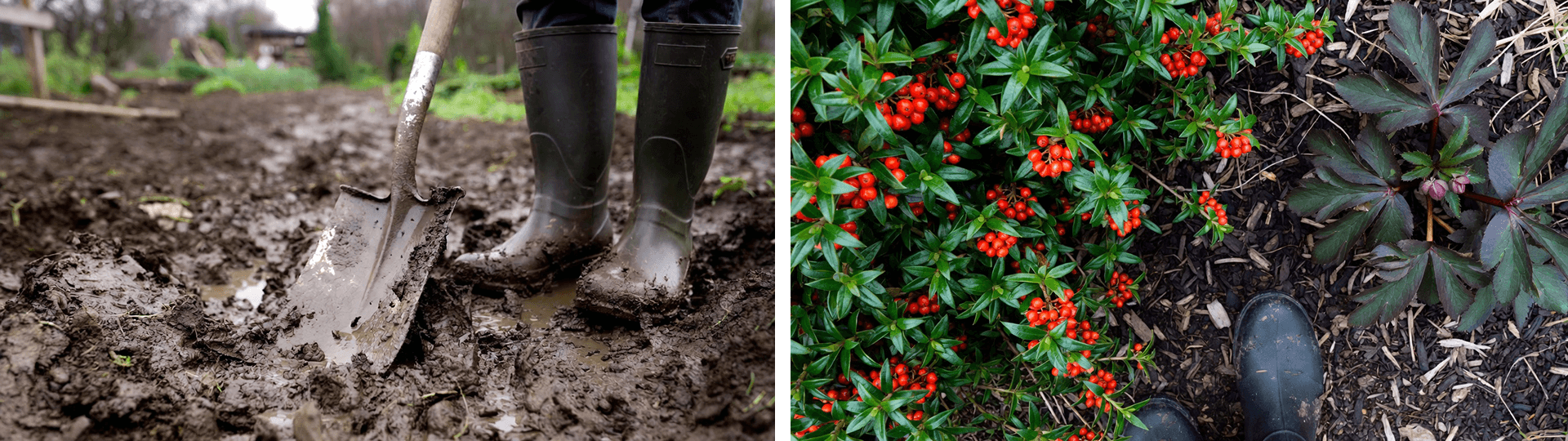
If you garden on heavy Buckinghamshire clay soil, plant losses can add up quickly, especially after a wet winter or a dry spring. Clay holds water for longer than expected, then shrinks and cracks in dry spells, so roots can sit wet for too long and then struggle when the surface dries out.
The good news is that you do not need fussy plants or constant intervention to make a garden work here. What you need are tough, reliable performers that cope with winter wet and summer stress, and respond well to simple, repeatable care rather than regular rescue work.
These are the kinds of plants we return to repeatedly for Buckinghamshire gardens where clients want structure, colour, and seasonal interest without constant upkeep. Below are ten reliable performers that settle well once established and deliver impact year after year with minimal input. Several also provide valuable winter interest, helping borders retain shape and presence in the quieter months. A useful way to choose is by job and by wetness: start with one or two evergreens for structure, add ground cover to reduce weeds, then use flowering perennials for colour, placing the most moisture-tolerant plants in the lowest or slowest-draining areas.
Low-Maintenance Plants That Actually Last on Clay Soil
Before you reach for the trowel, consider what these tough customers bring. Each one tolerates poor drainage, shrugs at frost, and keeps looking respectable even when you forget they exist. They can be low effort, but the first season still matters. Avoid planting when the soil is sticky and shiny, because clay can smear and compact, which makes rooting harder.
These are the kinds of plants we return to repeatedly for Buckinghamshire gardens where clients want structure, colour, and seasonal interest without constant upkeep.
| Plant | Key Features | Best Time to Plant | Care Tips |
|---|---|---|---|
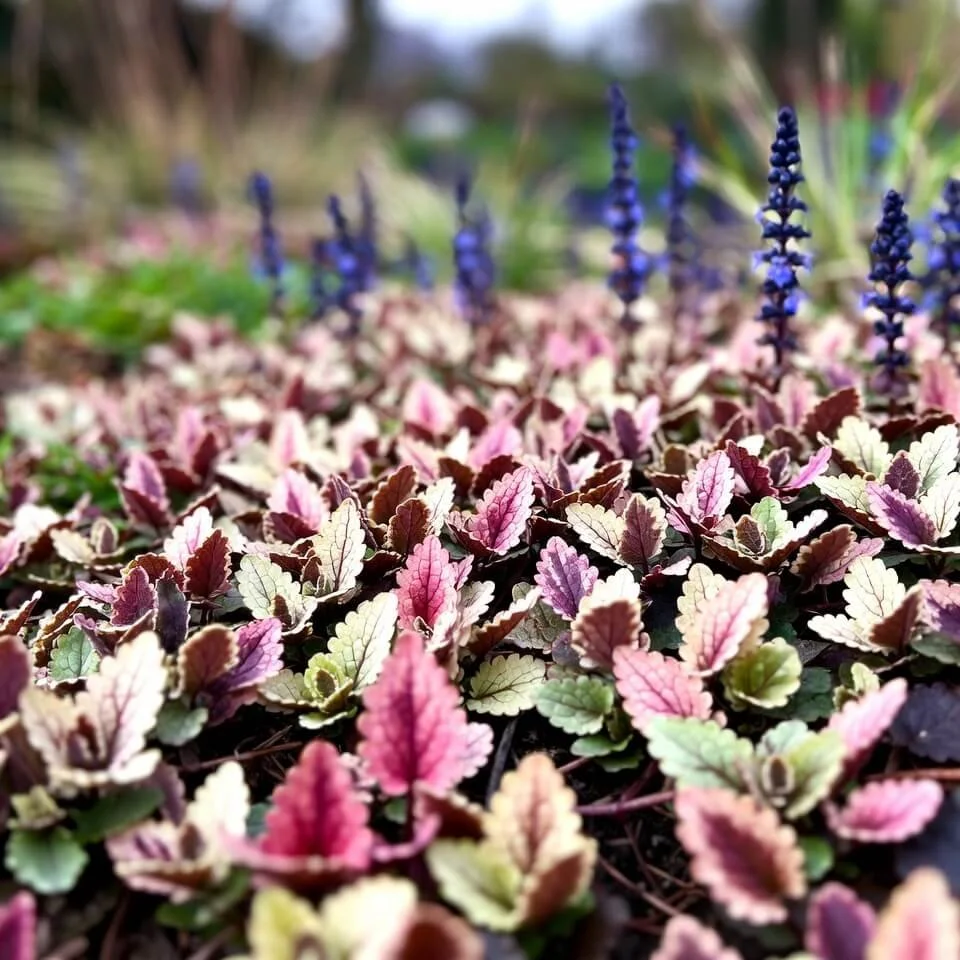
| Ajuga reptans ‘Burgundy Glow’ | Variegated ground cover that suppresses weeds. Colour often deepens in cold weather. | Spring or autumn | Thrives on heavy clay in part shade. Very low maintenance once settled. |
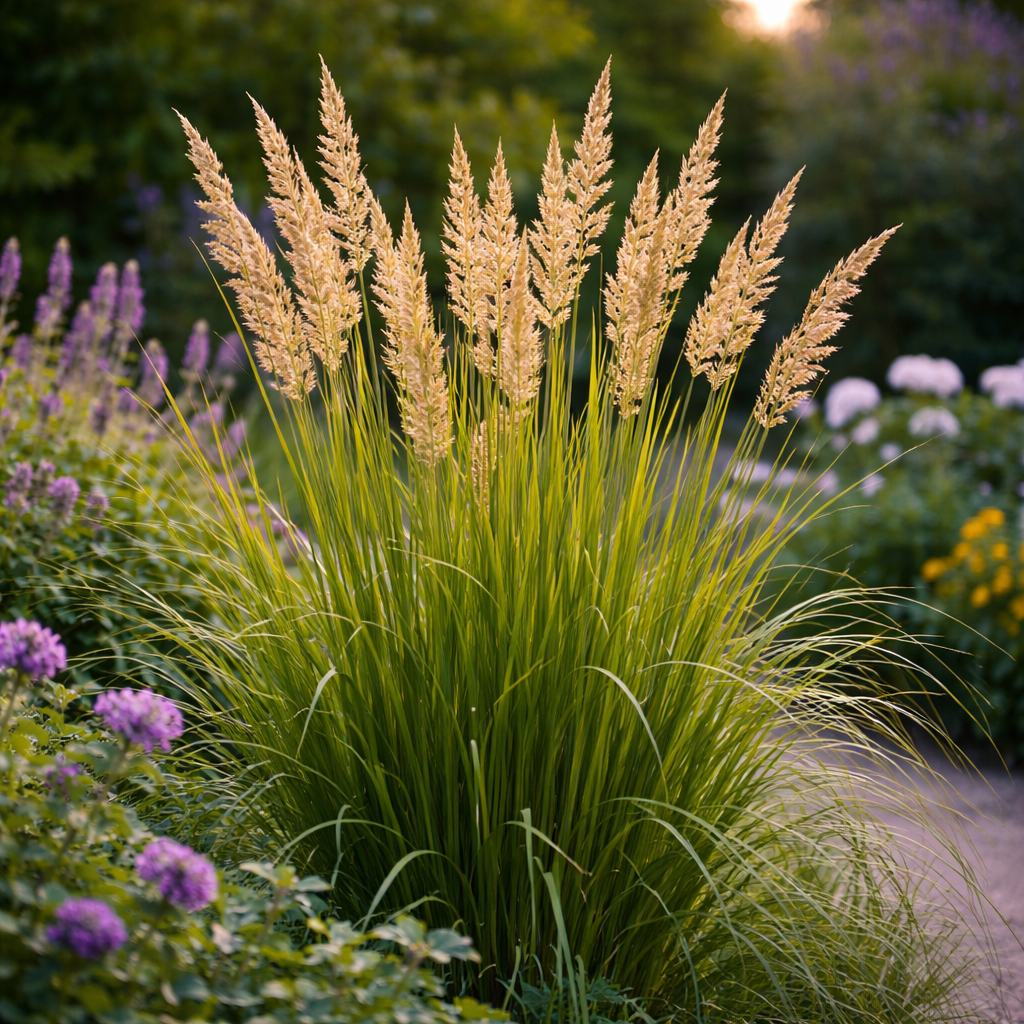
| Calamagrostis × acutiflora ‘Karl Foerster’ | Upright grass that keeps structure for much of the year. | Spring or autumn | Cut back once in early spring. One of the most reliable grasses for clay. |
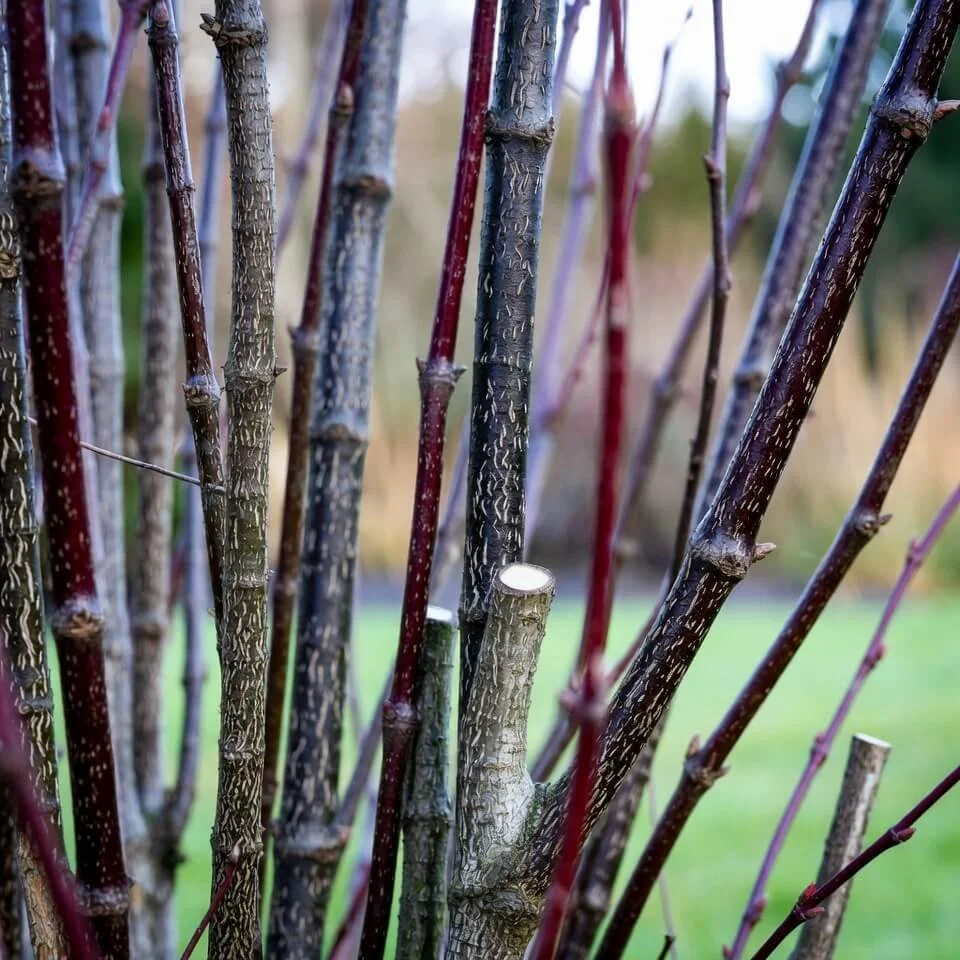
| Cornus alba ‘Kesselringii’ | Dark stems give strong winter interest. | Late winter to early spring | Hardy on clay. Coppice annually for the strongest stem colour. |
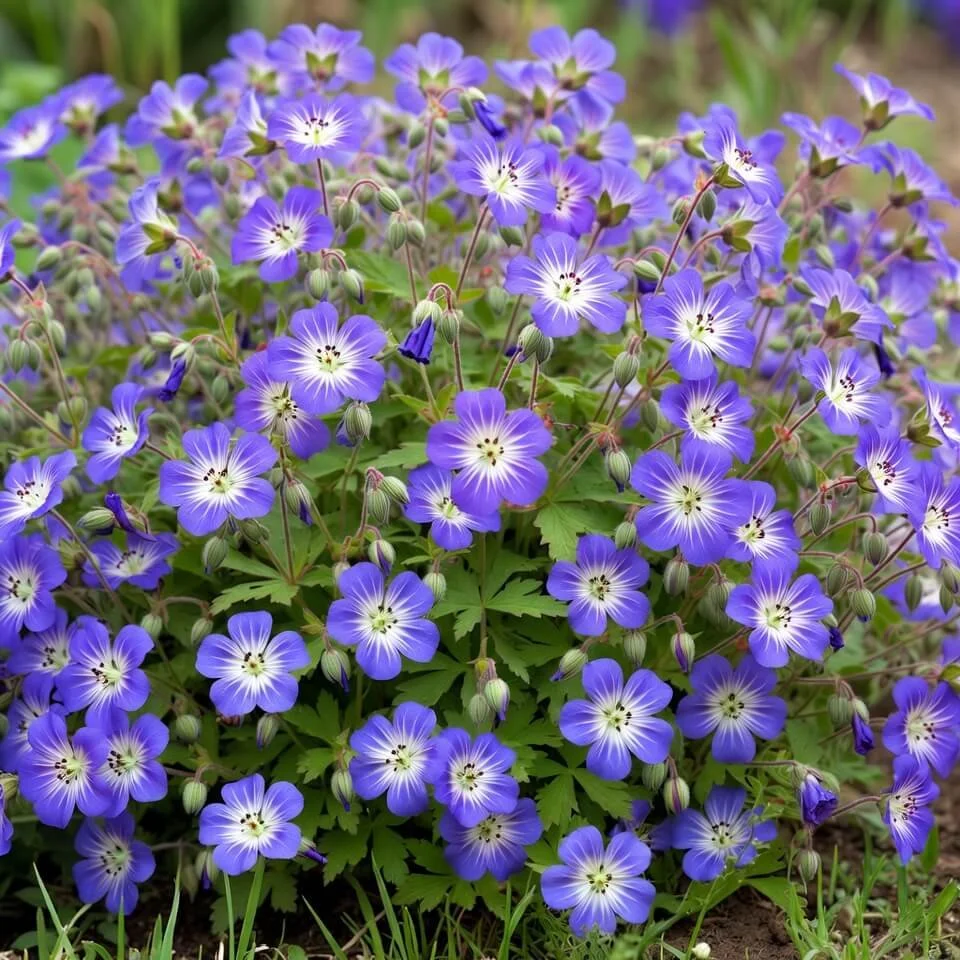
| Geranium ‘Rozanne’ | Very long flowering and useful ground cover. | Spring or autumn | Thrives on clay. Minimal care and no staking required. |
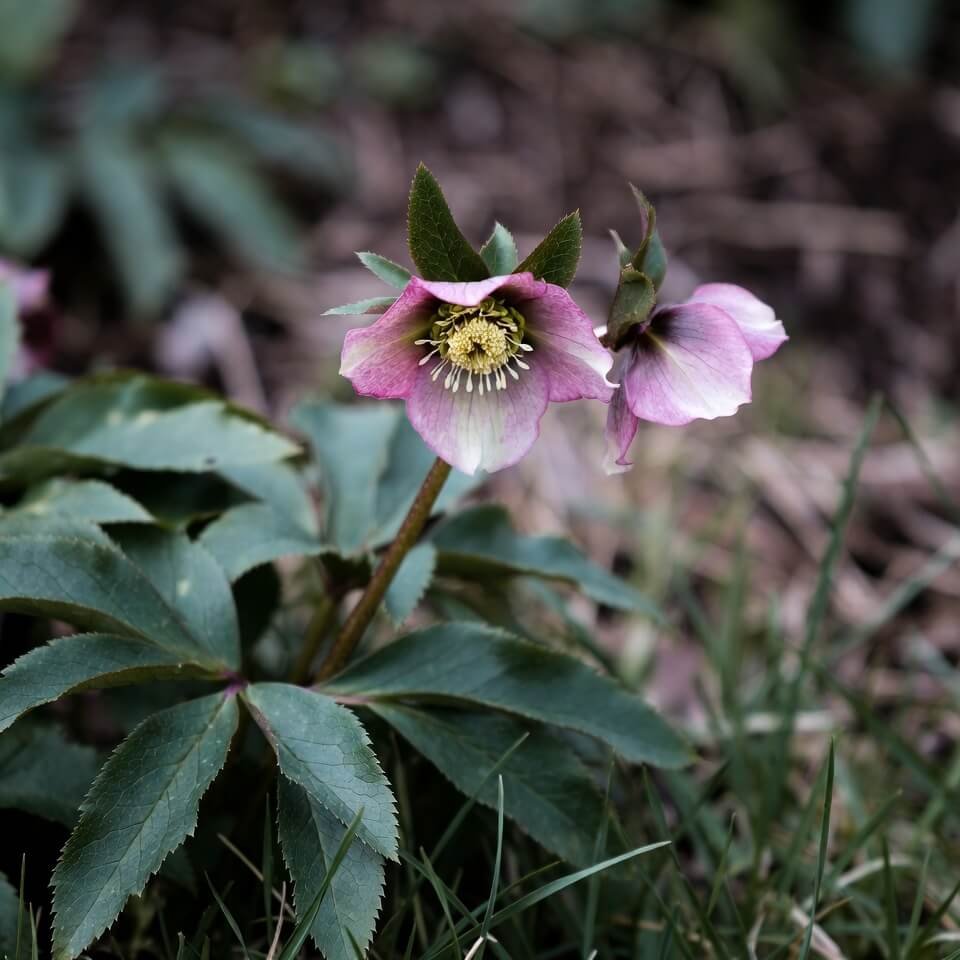
| Helleborus orientalis (Lenten Rose) | Winter flowers and evergreen foliage for year round interest. | Autumn or early spring | Excellent on clay and in shade. Remove old leaves in late winter. |
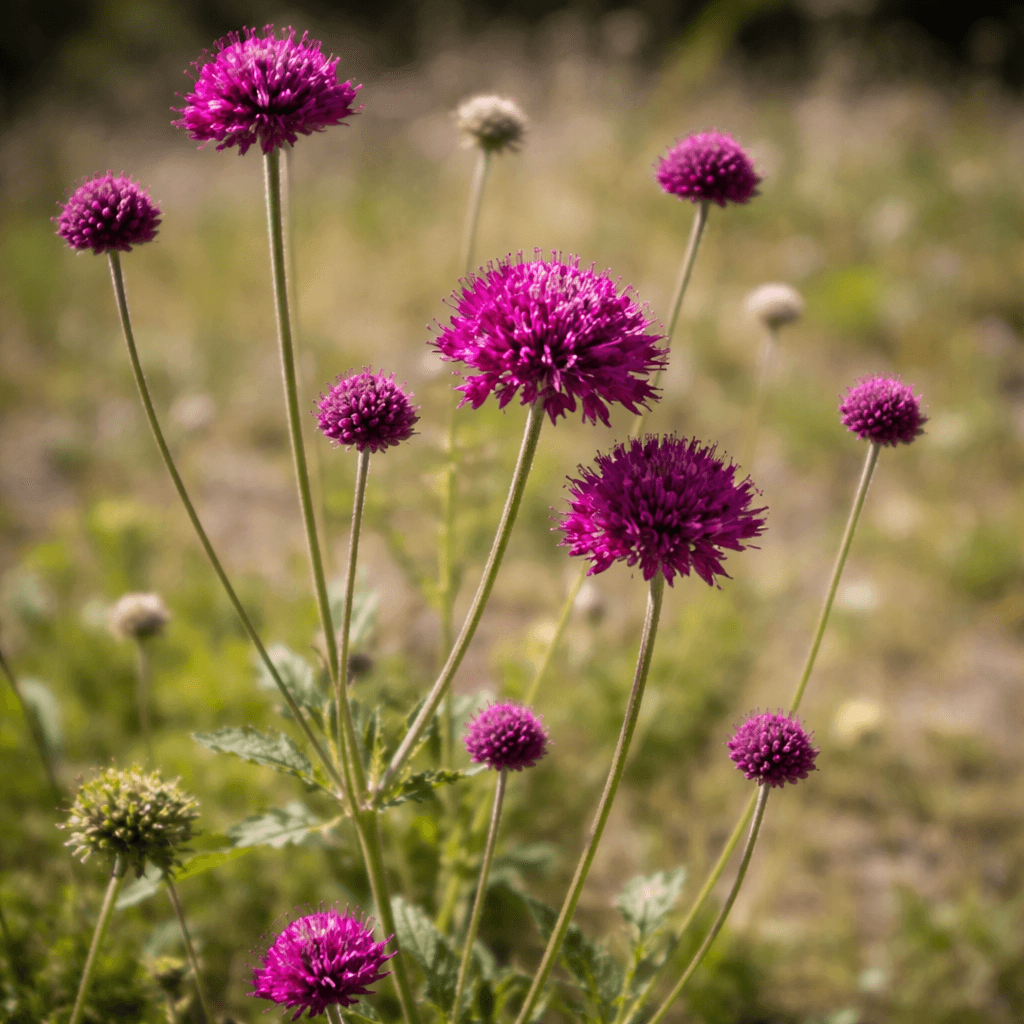
| Knautia macedonica | Long flowering with airy stems for informal borders. | Spring or autumn | Clay tolerant once established in freer draining positions. Deadhead for extended flowering. |
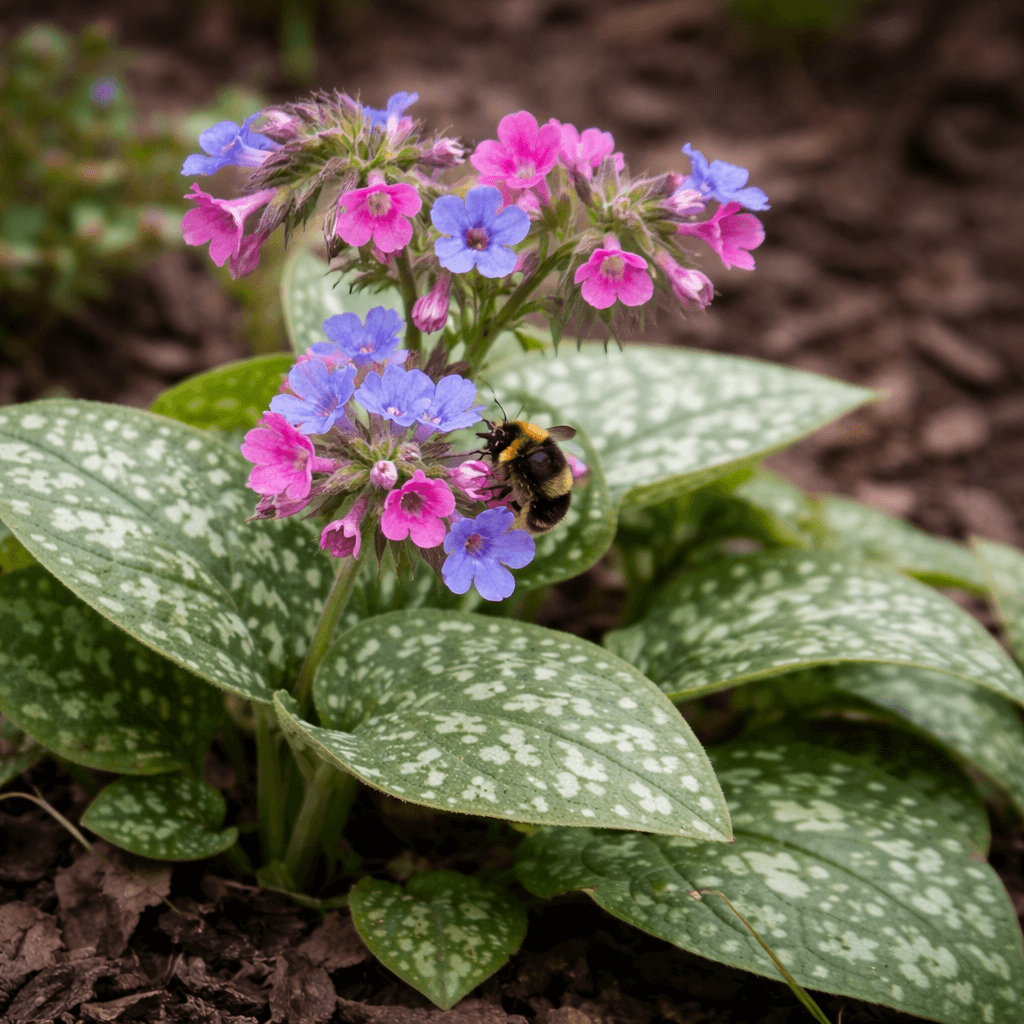
| Pulmonaria officinalis (lungwort) | Early spring colour with decorative foliage. | Spring or autumn | Very reliable on clay. Cut back tired leaves after flowering. |
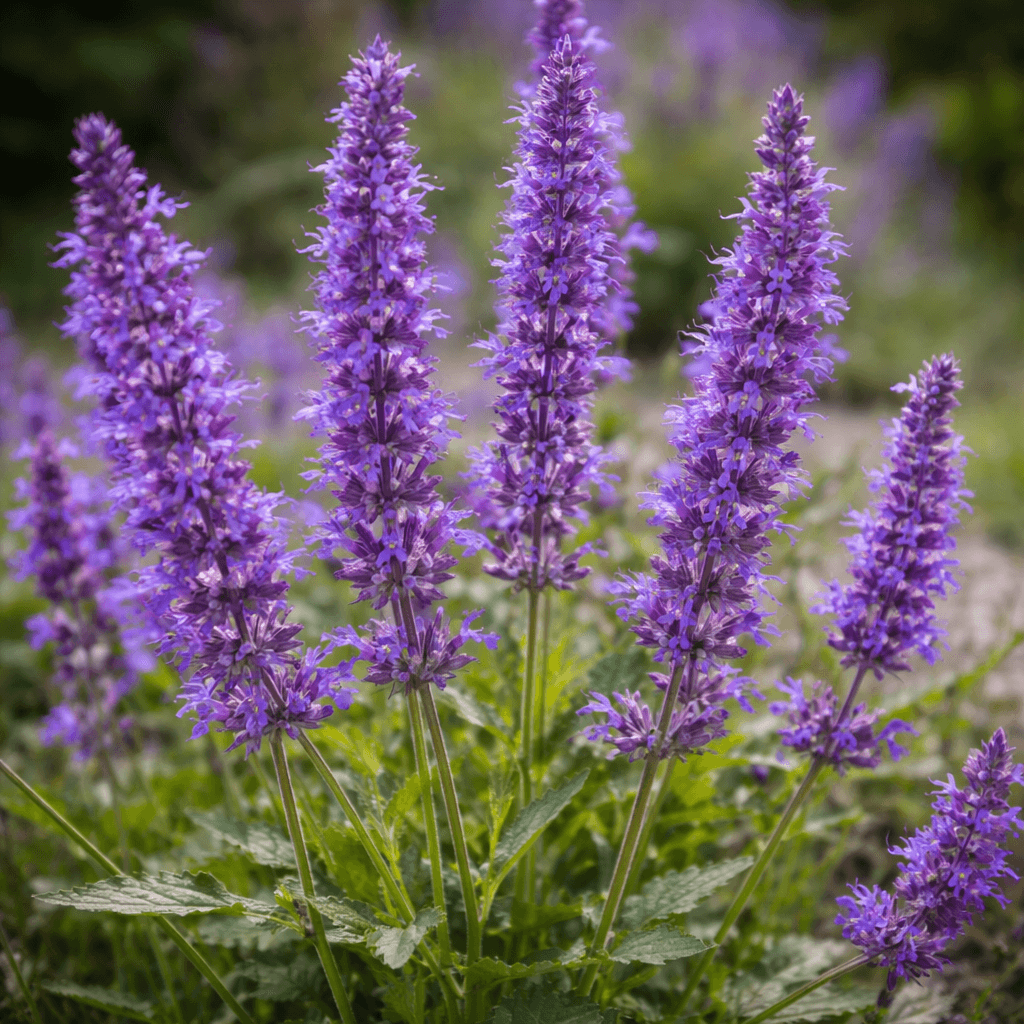
| Salvia nemorosa | Vertical purple spires for classic border planting. | Spring or autumn | Handles clay well in sunny, well drained positions. Cut back after flowering to repeat. |
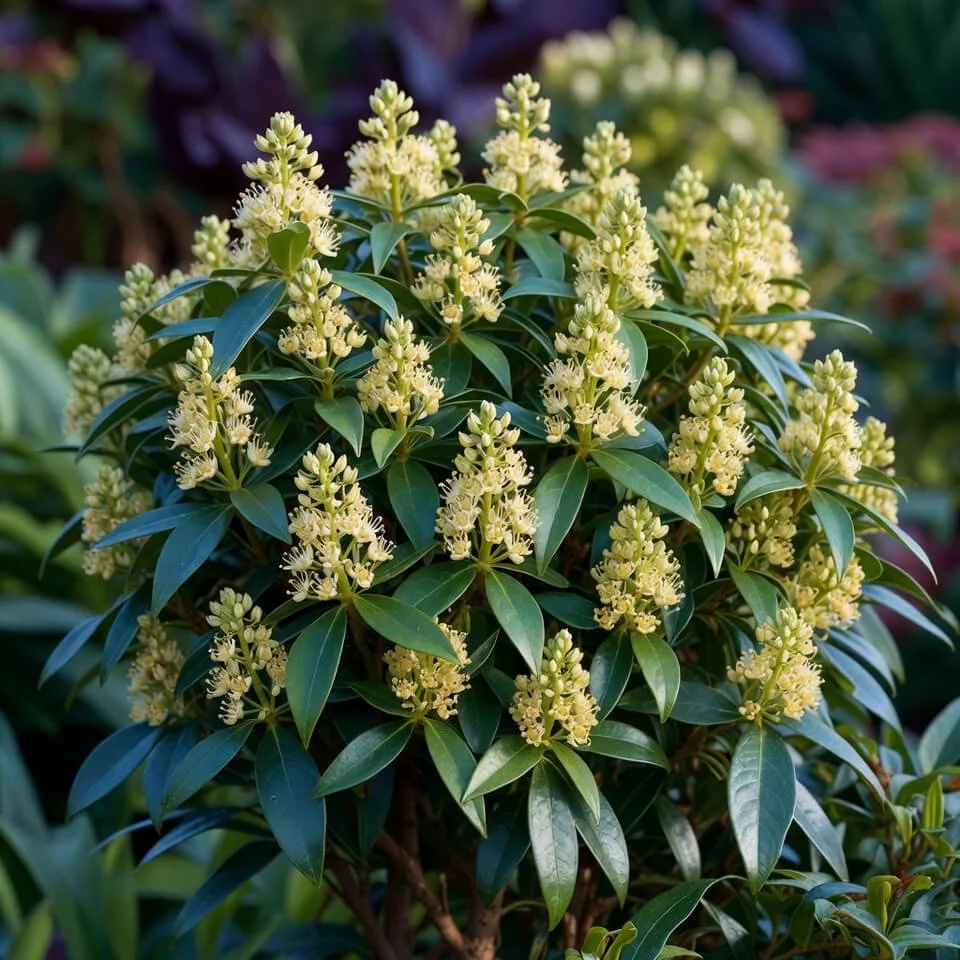
| Skimmia × confusa ‘Kew Green’ | Evergreen structure with spring fragrance. | Spring or autumn | Very dependable on clay in part shade. Little pruning needed. |
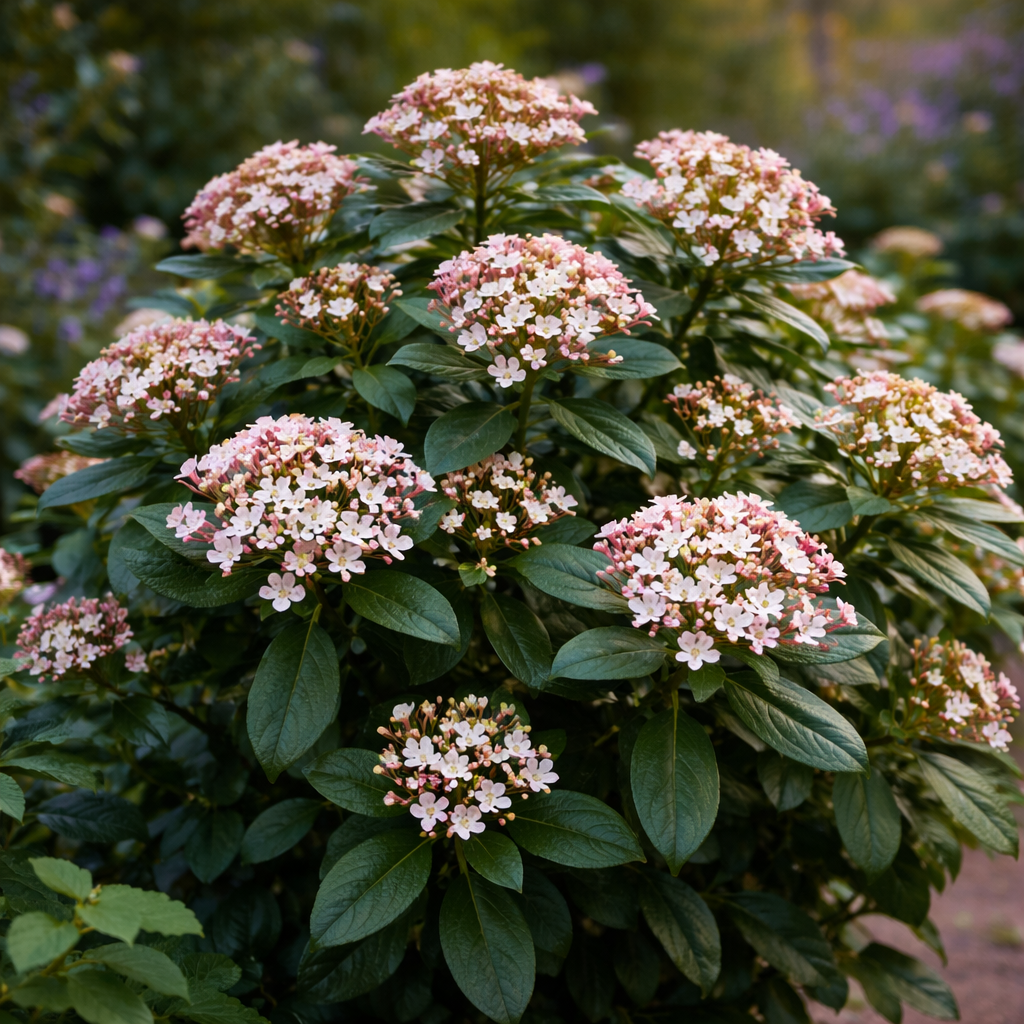
| Viburnum tinus | Evergreen backbone with winter flowers. | Spring or autumn | Reliable on clay. Minimal ongoing care. |
Why Clay Is Not the Enemy
Most gardeners blame clay soil when plants fail. In reality, the soil is often only part of the story. Clay needs the right plants, and the right timing. It holds moisture and nutrients well, which becomes an advantage once you choose suitable varieties. Many successful Chelsea style planting schemes rely on robust, adaptable plants that cope with heavier ground, so thoughtful design and plant choice matter far more than chasing idealised soil conditions. A bigger risk is compaction if you dig or walk on clay when it is wet, and it can take time to fix, which is also noted on the RHS clay soil page.
Clay drains slowly. Roots can stay wet in winter and face hard conditions in summer. Pick plants that cope well, then place them where they will succeed. In the lowest or slowest draining spots, favour moisture tolerant choices. For anything that dislikes sitting wet, use a small rise, a gentle mound, or a slightly higher part of the bed.
The best habit is to mulch once a year, preferably in late winter or early spring. Apply a 5 to 8 cm layer of bark chips, compost, or well rotted manure. This keeps the soil cooler in summer, slows cracking, and feeds plants gradually as it breaks down. It also controls weeds. Aim to mulch when the soil is damp rather than frozen or waterlogged.
That is all most clay beds require. Clay holds nutrients tightly, and heavy feeding can push soft growth. In many cases, mulch does most of the feeding. If growth looks pale or thin, a light spring feed can help, but it is usually better to do less and watch how the plants respond. Skip heavy digging or large amendments. With the right plants and annual mulch, a clay garden can become low maintenance and resilient, though very wet winters and dry spells may still mean occasional checks.
Work with the clay rather than against it. You will spend less time worrying and more time enjoying your garden.
Quick Planting Tips for Buckinghamshire Clay Soil Gardens
These straightforward steps will help your low-maintenance plants establish strongly, even on heavy clay that can become waterlogged or compacted. Many of the varieties listed are forgiving once settled, but a careful start reduces early losses. If the soil is sticking to tools and boots, it is usually worth waiting a few days, as planting into saturated clay can compact the sides of the hole and slow rooting.
Dig a Wider Hole
Dig a hole slightly wider but not deeper than the root ball. This encourages sideways root spread rather than downward struggle in dense clay.
Loosen the Base
Loosen the base of the hole with a fork to aid initial root penetration. This can help plants that develop deeper systems over time.
Use the Original Clay
Backfill with the excavated clay rather than heavily amended soil. Big changes in soil texture in one hole can hold water in the planting pocket and stress roots. If you add anything, keep it to a thin top layer of organic mulch after planting rather than mixing large amounts into the hole.
Water Once and Trust the Rain
Water deeply immediately after planting to settle the soil around the roots. After that first soak, check moisture for the first season. If the top few centimetres are dry and the plant is wilting, give a slow, deep water, then leave it again.
Improve Drainage Only Where Needed
If your site remains persistently soggy, raise the planting level slightly or use a small amount of grit directly beneath the root ball. Keep this local rather than filling the whole hole with grit or compost, as sharp changes in material can trap water in the planting pocket. If water sits for days in winter, it is often better to choose the most moisture tolerant plants for that spot.
Ready to make clay soil work for you?
If you would like help choosing the right plants or shaping a border that thrives in local conditions, we’re happy to help. If you are not sure which parts of the garden stay wet longest, or which plants will stay tidy without constant cutting back, a short walk round and a clear shortlist can save a lot of trial and error.
Get in touch for a free consultation and let’s put together a plan that suits your soil, your space, and the way you actually use your garden. If a consultation is not the right next step, start by mapping your wettest and driest spots and grouping plants in threes or fives, as repetition tends to look intentional and is easier to maintain.
Where to go next
The articles below go deeper into resilient planting, pollinator-friendly choices, and practical design ideas for real gardens.
| Article | Best for | Who it suits |
|---|---|---|
|
|
Choosing plants that can cope with fluctuating conditions, including winter wet and summer dry spells that are common on heavier soils | Gardeners who want lower-maintenance planting with better resilience where drainage and seasonal weather can vary across the year |
| Shortlisting clay-suitable plants that support bees and other pollinators without relying on high-maintenance borders | Anyone improving a Buckinghamshire clay-soil garden who wants practical plant choices with a stronger wildlife benefit | |
| Adding reliable structure and seasonal interest with plants that help borders keep their shape and appeal beyond the main flowering months | Readers who want practical clay-tolerant planting ideas but also want the garden to look more considered through autumn and winter | |
| Exploring a practical next step where heavy clay, poor drainage, or repeated planting setbacks make in-ground planting harder to manage | Gardeners who want reliable planting conditions in part of the garden before committing to wider soil improvement work |