
Attracting Bees to Your Buckinghamshire Garden: Best Pollinator Plants for Clay Soil
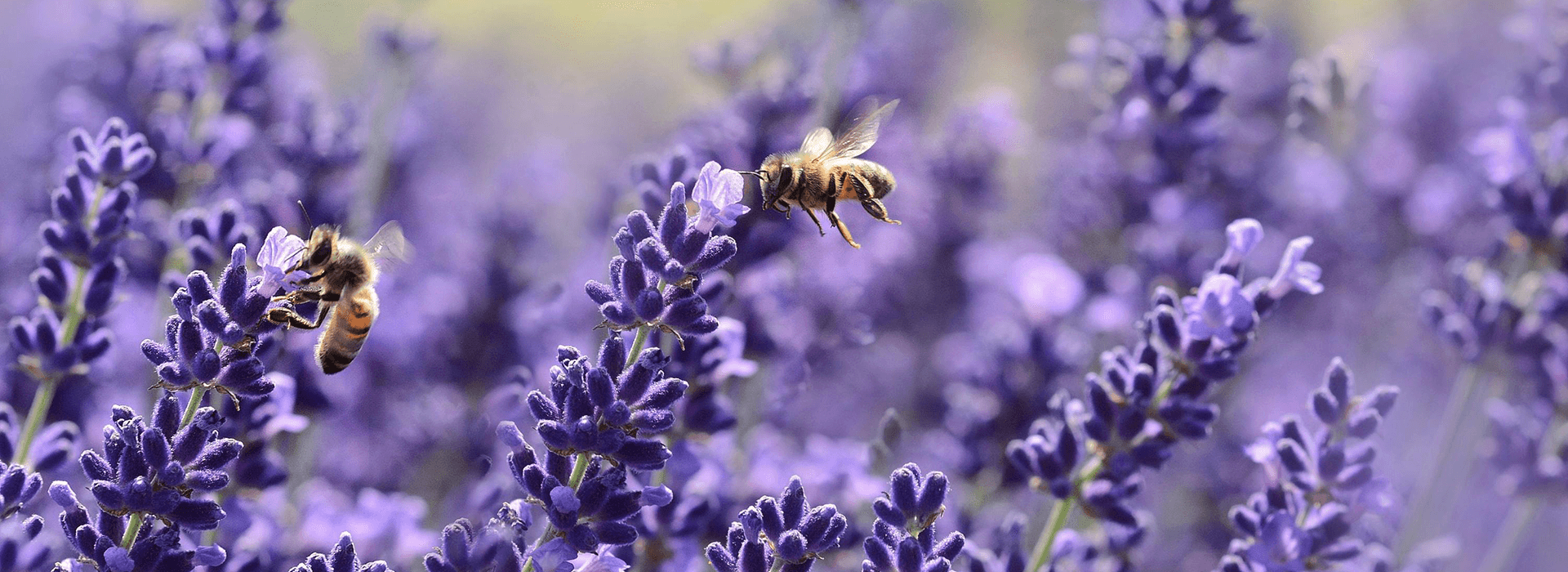
Bee numbers have fallen sharply across the UK in recent years, and gardens can still make a difference when they offer reliable food across the seasons. A border that peaks for two weeks and then goes quiet often brings short visits, not regular foraging.
Clay soil can make plant choice feel limiting. It holds water in winter and can set hard in summer, so some plants struggle to establish. The good news is that plenty of bee friendly plants can cope well on clay when they are matched to the right spot and given a sensible start.
This guide is designed to reduce wasted effort. Use it in this order.
Choose plants for flowering succession from late winter to autumn
Match plants to micro spots such as sun, shade, and damp corners
Add simple nesting support by leaving small areas less tidy
Why Clay Soil Gardens Can Still Excel for Bees
Clay holds nutrients and moisture better than lighter soils, which can help deep rooted perennials and bulbs once established. The main challenges are slow drainage and compaction. The most reliable approach is often plant choice plus gentle soil handling, not trying to rebuild the whole bed at once.
A common mistake is improving soil too aggressively across a wide area. Big changes can create pockets where water sits, stressing roots. In many gardens, this steadier approach tends to work better.
Mulch the surface each year with organic matter
Improve only the planting area where water sits
Avoid digging when the ground is saturated
Treat the wettest corner as its own zone rather than forcing it to behave like the driest border
Bees also have different needs through the year. Queen bumblebees can emerge early and need food fast. Solitary mining bees often nest in bare soil from spring. Honeybees forage steadily through summer. That is why succession usually matters more than any single plant.
A simple target that works in many gardens is.
One or two early flowers from late winter to spring
Two to three long flowering plants that overlap through summer
One late season plant that runs into autumn
Five Common Bee Types in Buckinghamshire Gardens
This area can support a strong mix of wild bees, helped by hedgerows, woodland edges, and gardens that offer food and shelter through the year. What most gardeners notice is timing. Some bees appear very early, others peak in summer, and many are easy to miss unless flowers sit close to paths and seating.
The most frequent visitors include.
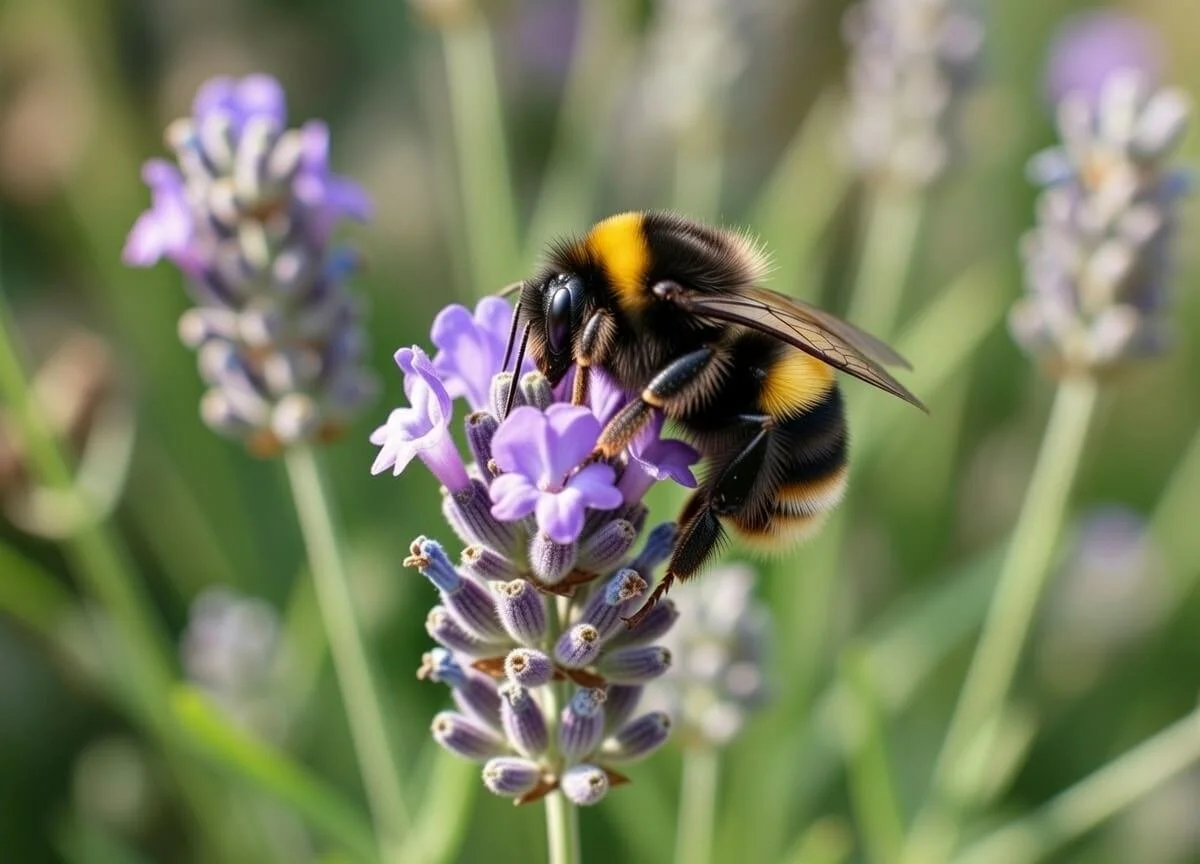
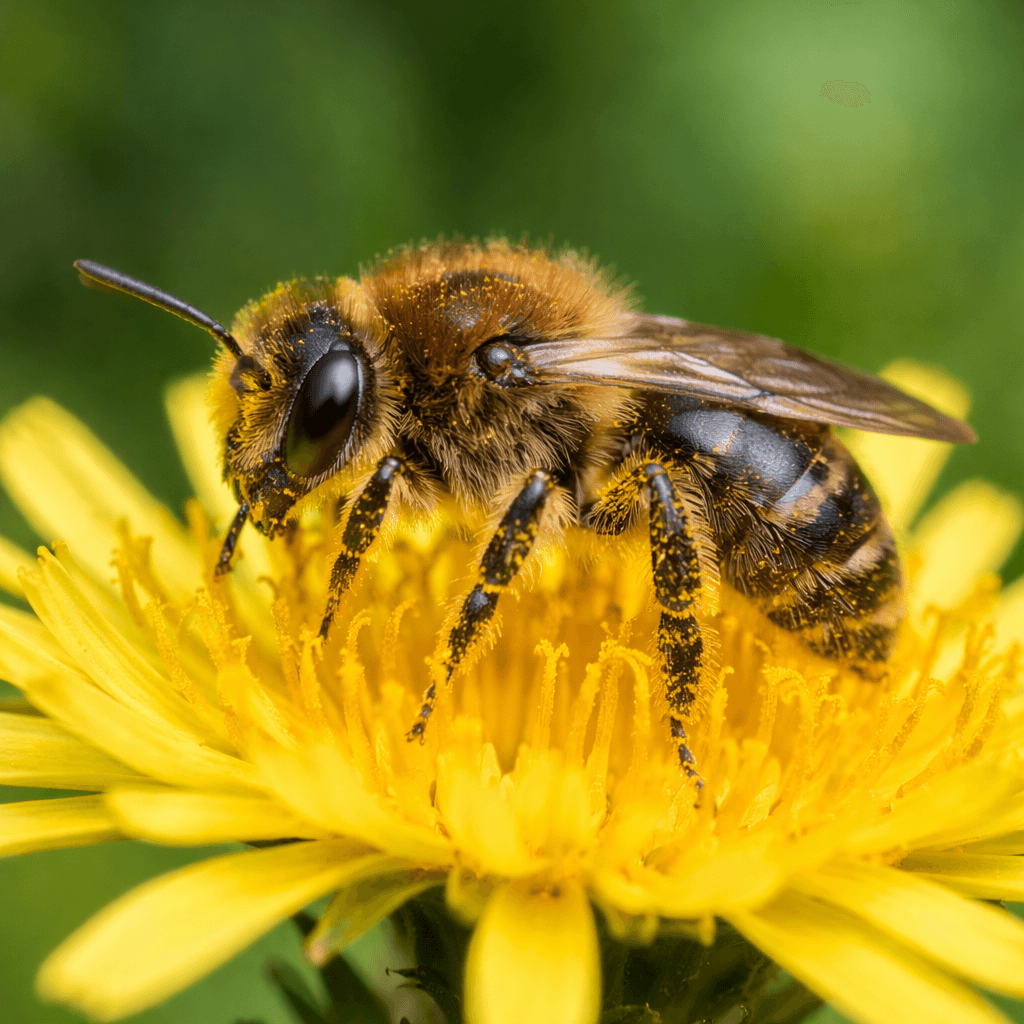
| Bee type | When you will see them | Where they nest | What they often visit |
|---|---|---|---|
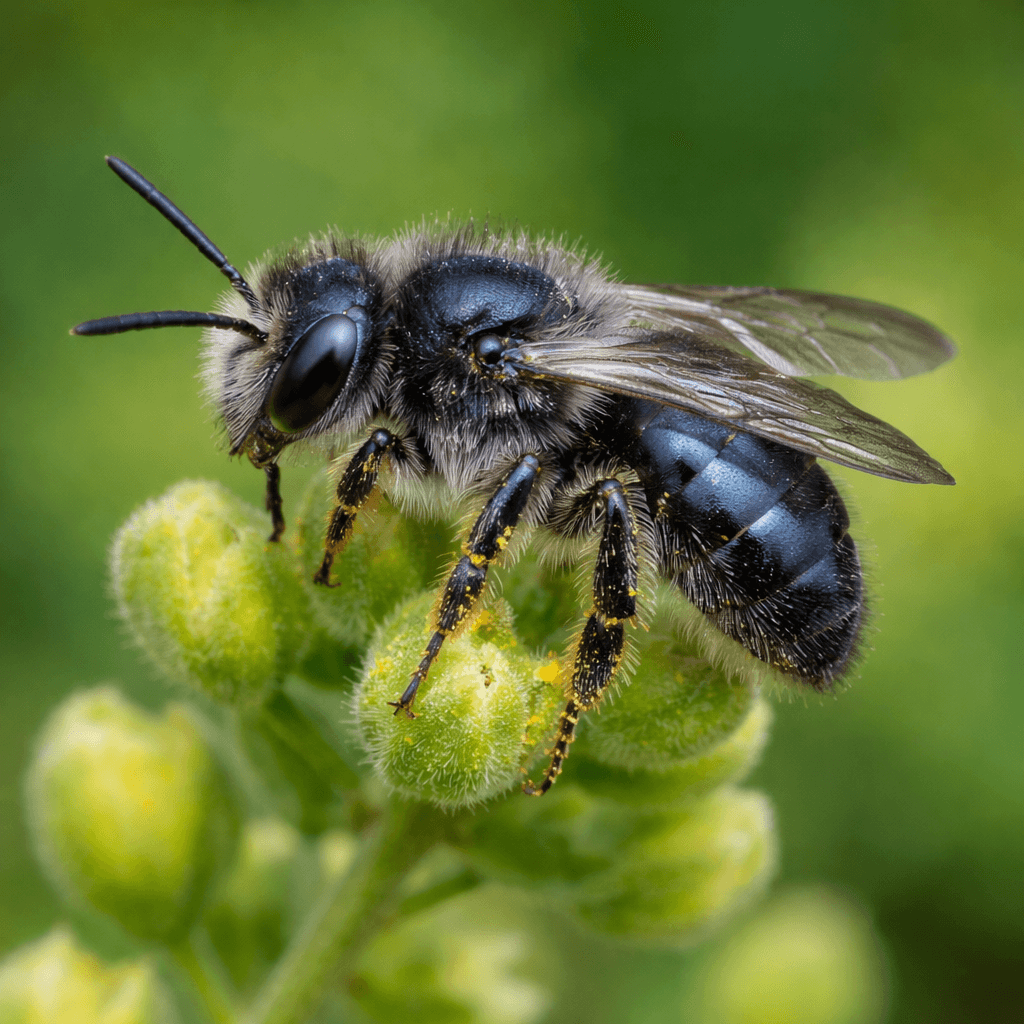
| Blue mason bees (Osmia species) | Late spring into summer | Hollow stems and old beetle burrows | Legumes such as bird’s foot trefoil, clover, and vetch |
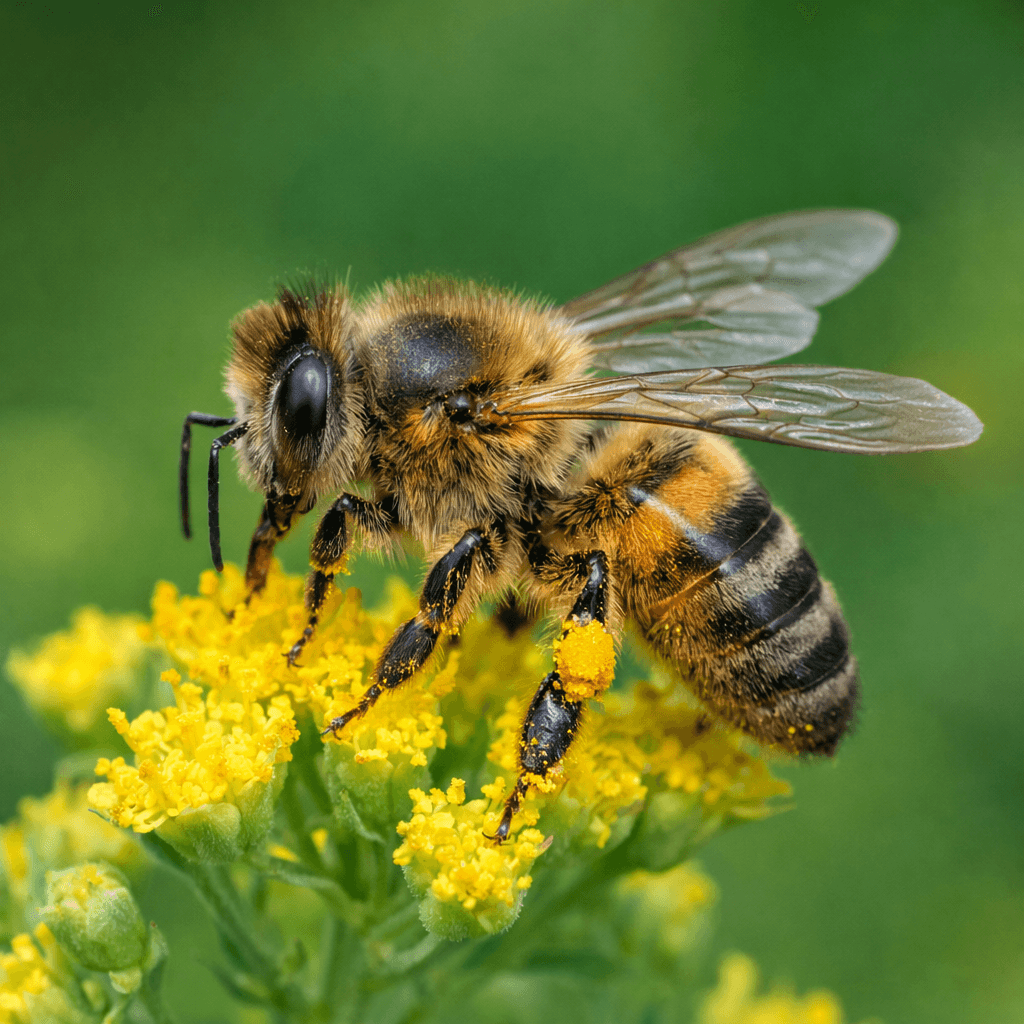
| Honeybees (Apis mellifera) | Spring through autumn, especially in warm, settled weather | Managed hives nearby | A wide range of garden flowers, and they often use nearby water sources in dry weather |
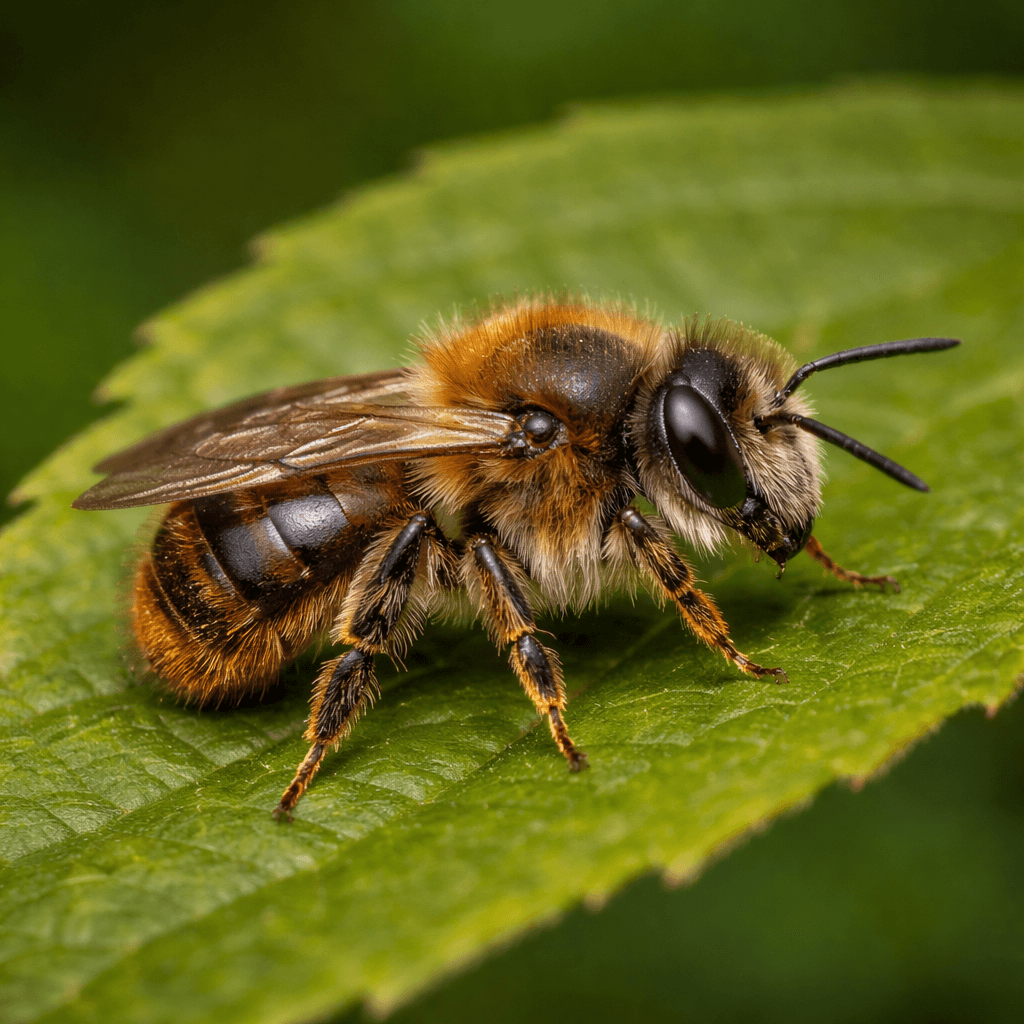
| Masonry bees (Osmia species) | Early spring, often peaking around blossom time | Cavities such as hollow stems and holes in wood | Fruit blossom and other early flowers |
| Queen bumblebees (Bombus species) | Very early spring, often February and March | Sheltered spots such as old holes, thick grass, and under cover | Crocus, willow, and comfrey, plus other early nectar sources |
| Solitary mining bees (Andrena species) | Spring into early summer | Bare soil, short turf, and sunny banks | Open flowers such as dandelion, buttercup, and fruit blossom |
Blue mason bees (Osmia species)
Small blue black solitary bees found across the UK. They nest in hollow stems and old beetle burrows and fly from late spring into summer, often visiting legumes such as bird’s foot trefoil, clover, and vetch.Honeybees (Apis mellifera)
Managed colonies forage widely. They do best with varied blooms from spring to autumn and often use nearby water sources during dry weather.Masonry bees (Osmia species)
Early emerging solitary bees that nest in cavities such as hollow stems and holes in wood. They are strong spring pollinators and often favour fruit blossom and other early flowers.Queen bumblebees (Bombus species)
Large early queens are often among the first bees seen in February and March. They forage on crocus, willow, and comfrey and benefit from dependable nectar straight after hibernation.Solitary mining bees (Andrena species)
Ground nesting bees that dig into bare soil, lawns, and sunny banks. They are common and often visit open flowers such as dandelion, buttercup, and fruit blossom.
These species can do well on heavier soils once plants are settled in. The biggest driver is still the same. Food across the year plus a few safe nesting options.
Top Pollinator Plants for Buckinghamshire Clay
The selections below prioritise nectar rich flowers, long flowering periods, and tolerance of heavier soil. All are hardy in much of the South East and attract a wide range of bees.
Before picking favourites, use this quick rule that prevents nectar gaps.
Cover late winter to spring first
Add at least two long flowering summer plants
Add one plant that carries into autumn
If you have a damp corner, include at least one plant that tolerates it
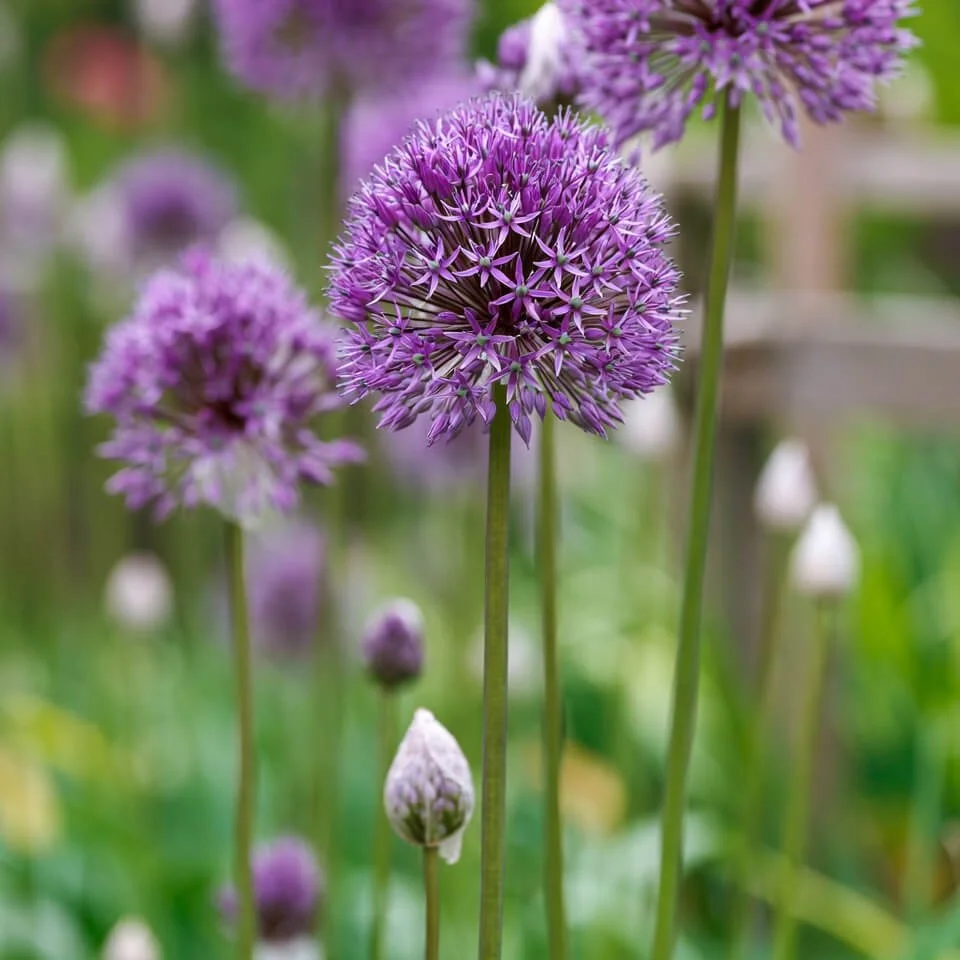
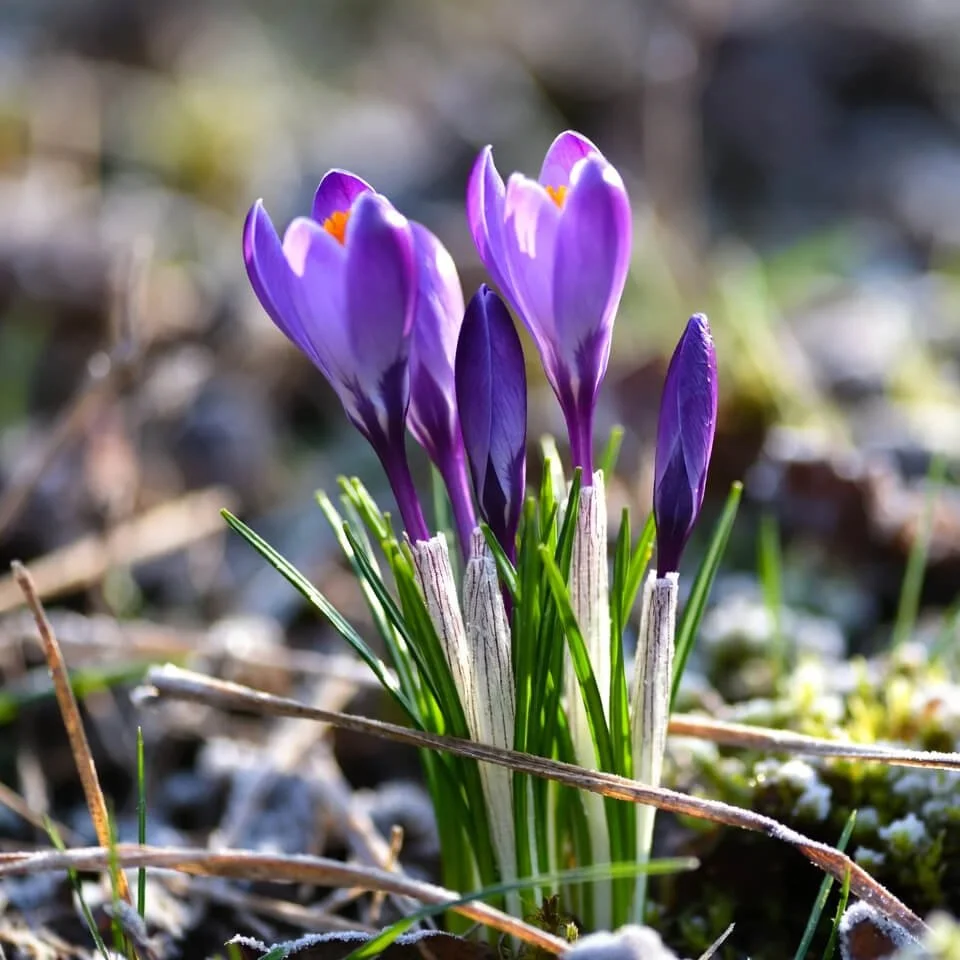
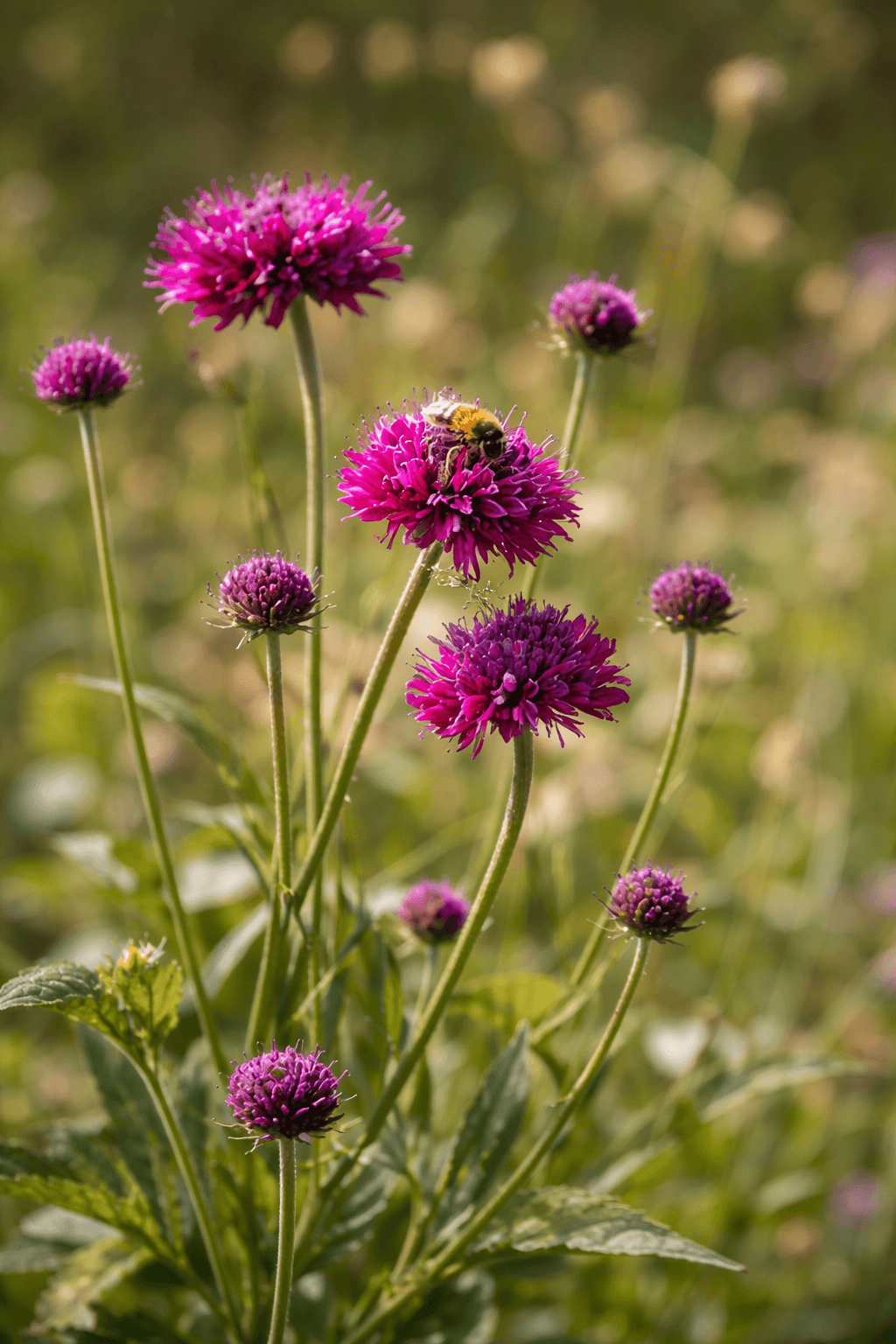
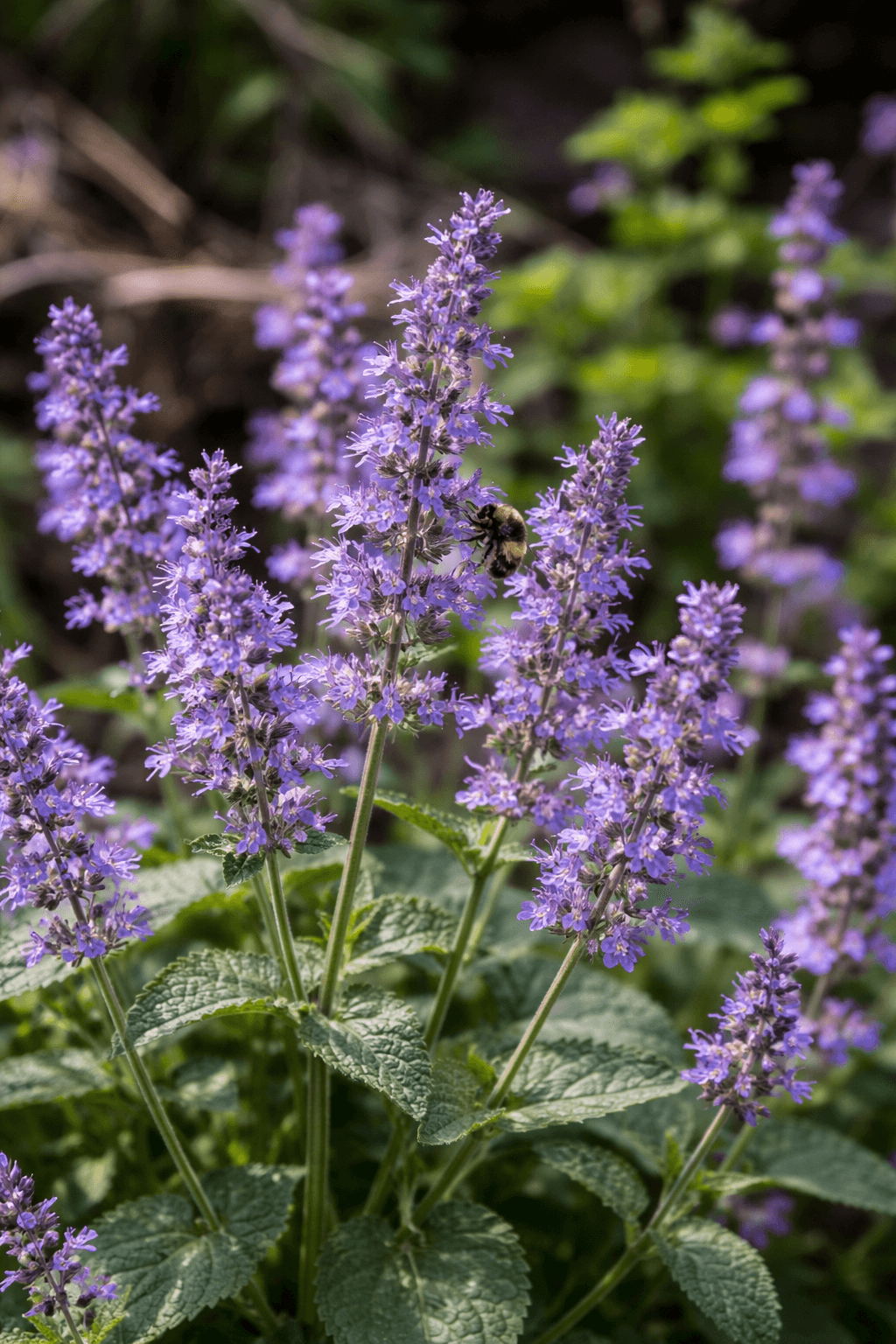
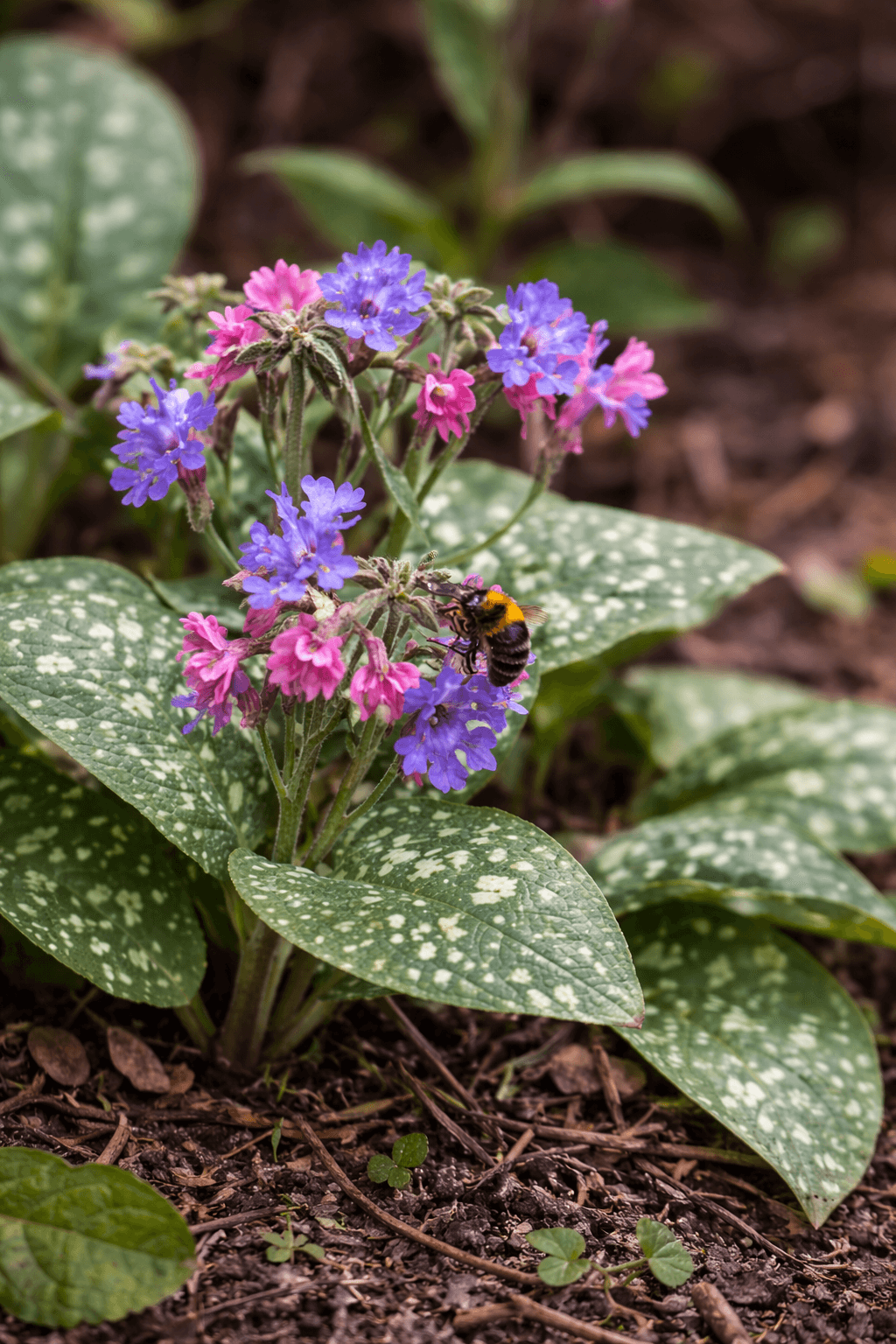
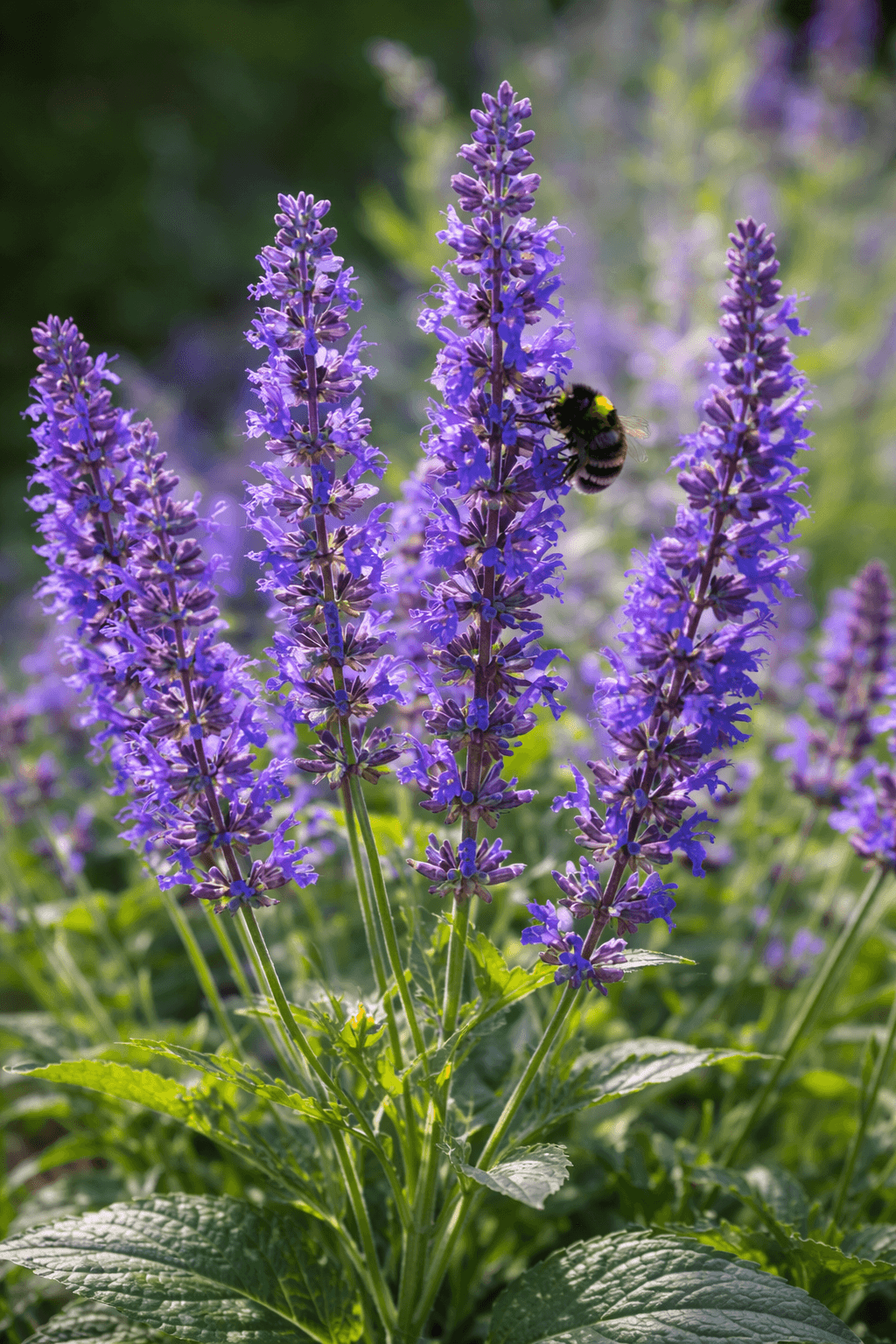
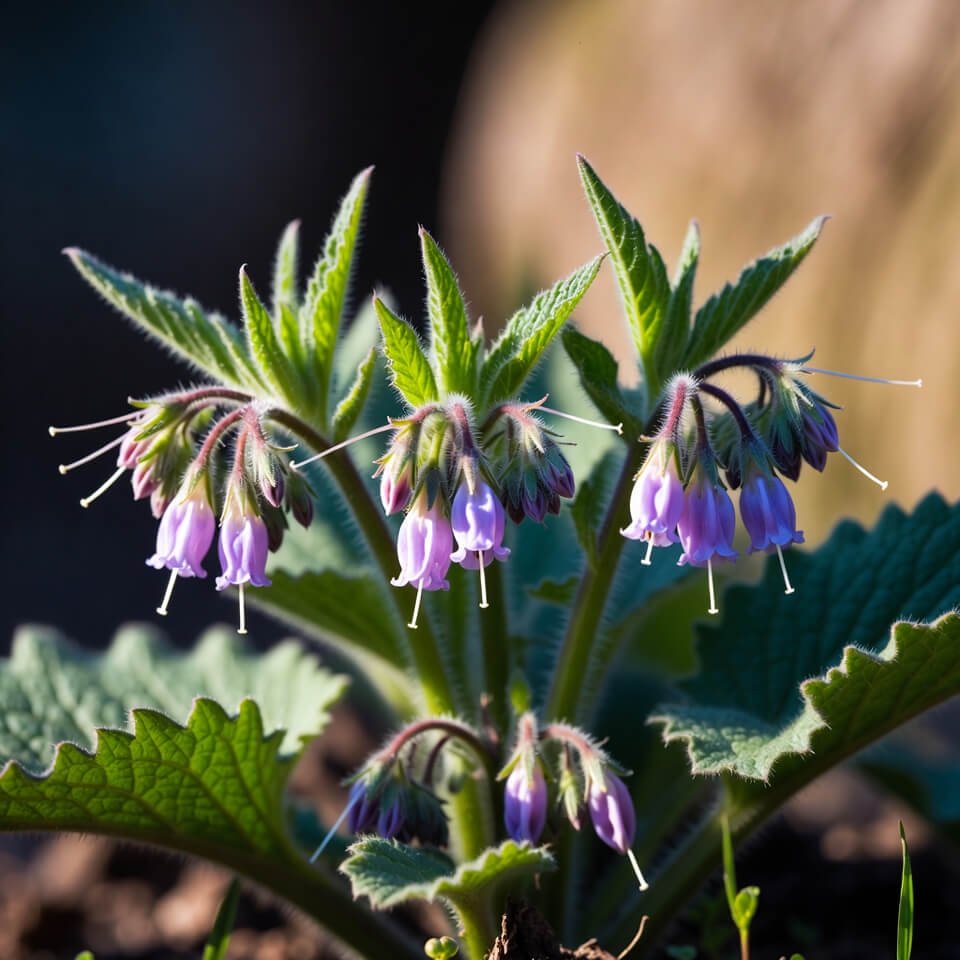
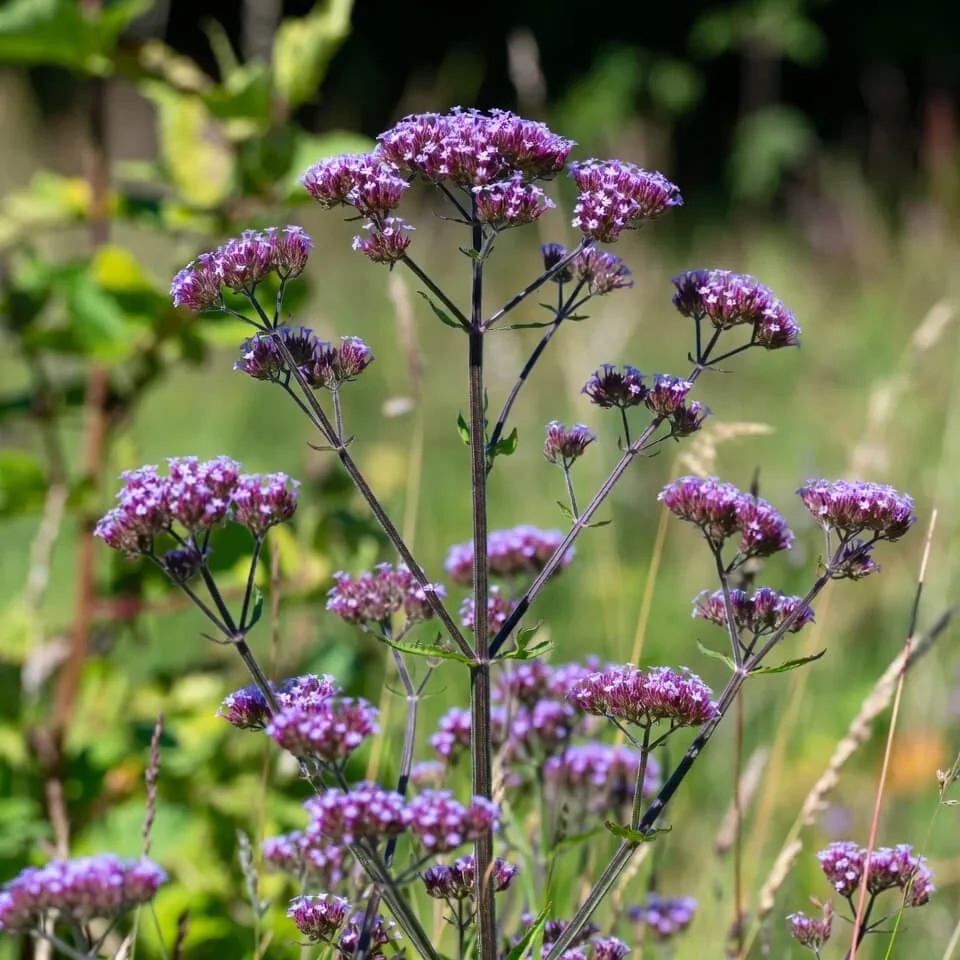
| Plant | Key Pollinator Benefits | Best Position | Clay Tips |
|---|---|---|---|
| Allium hollandicum 'Purple Sensation' | June flower heads draw bees and provide a strong pollen source. | Sunny borders among perennials | Avoid the wettest areas and plant deeply for stability and reliable return. |
| Crocus tommasinianus | Early flowers in February and March support emerging queen bumblebees. | Lawns, borders, or naturalised areas | Plant in drifts. Clay often holds the spring moisture they enjoy. |
| Knautia macedonica | Long flowering from summer into autumn and popular with bees and butterflies. | Sunny borders, meadow style planting | Tolerates clay once established. Deadhead for longer flowering and stake only in exposed sites. |
| Nepeta cataria (catmint) | Flowers from June to September and consistently draws bees. | Sunny borders | Handles heavier soil well. Shear after the first flush to extend flowering. |
| Pulmonaria officinalis (lungwort) | A strong early nectar source in spring when food can be limited. | Part shade under shrubs or woodland style borders | Reliable on clay. Mulch annually and cut back tired leaves after flowering. |
| Salvia nemorosa (Balkan clary) | Summer flowering spikes with repeat bloom after cutting back. | Sunny borders | Needs sun. Cut back after the first flush to encourage more flowers. |
| Symphytum x uplandicum (Russian comfrey) | Early bells from April suit queen bumblebees, with repeat flushes if cut back. | Moist corners or part shade | Thrives in damp clay, so place it where other plants struggle. Mulch to limit spread if needed. |
| Verbena bonariensis | Flowers from July to October and attracts bees, hoverflies, and butterflies. | Sunny open spaces | Reliable on clay in sun. Self-seeds freely, so thin seedlings in spring if needed. |
Simple Habits to Boost Bee Numbers
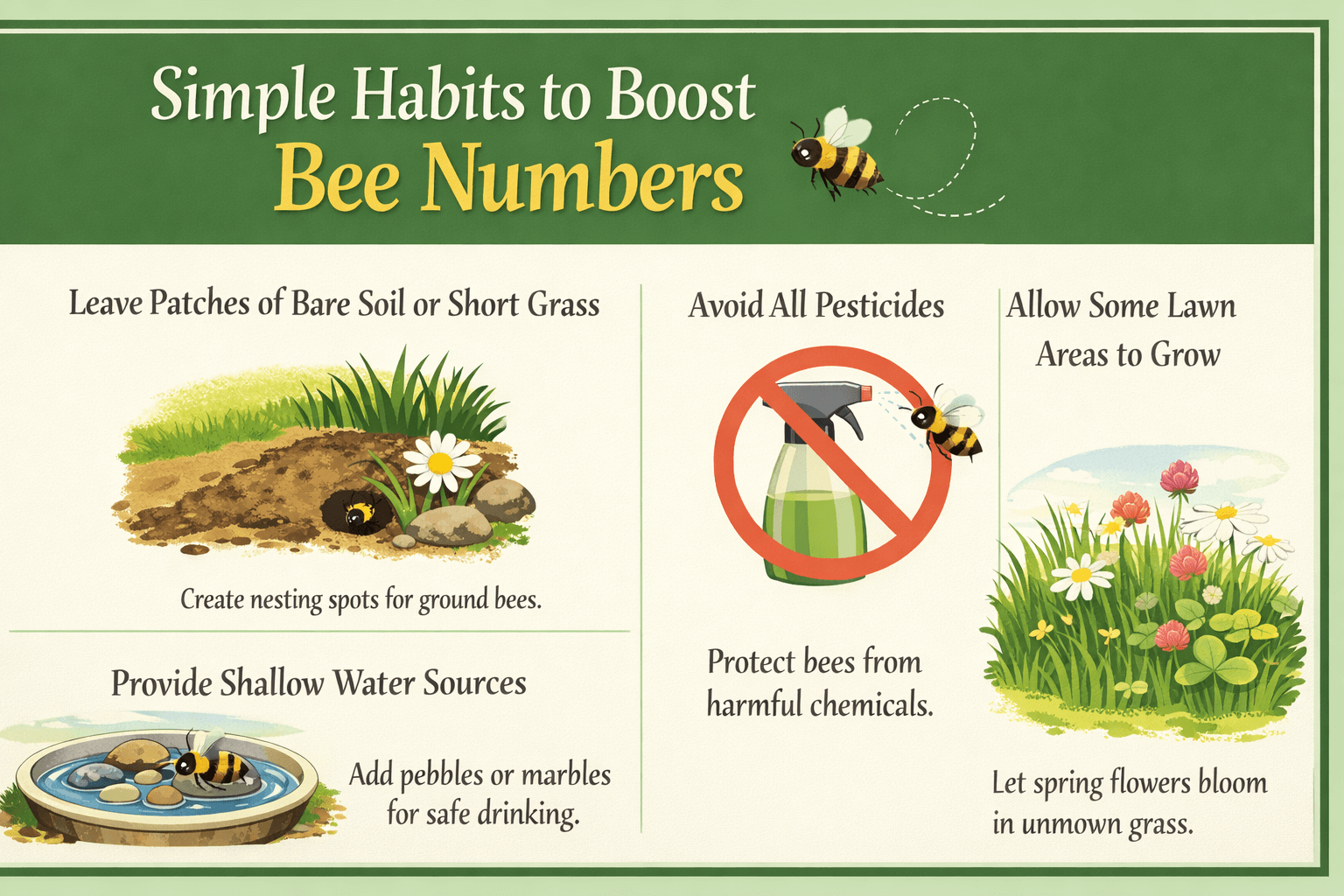
Even small changes can make a difference. If you want the highest return for the least effort, start with these three.
Extend flowering across the year
Reduce spraying
Leave one small area less tidy
Then build from there.
Leave patches of bare soil or short grass
Around three quarters of UK solitary bee species are ground nesters. They dig small burrows in exposed earth to lay eggs. Avoid heavy mulching or dense turf in a few sunny spots, and keep those patches out of heavy foot traffic so nests are less likely to be disturbed.
Avoid all pesticides, including organic ones
Many chemicals, including some labelled as natural or bee friendly, can harm bees. They may also affect navigation, foraging behaviour, and immune function. In many cases, the safer first step is to tolerate some damage, wash pests off with water, and improve plant health through spacing and watering. If treatment feels unavoidable, avoid spraying open flowers, which matches the guidance in the RHS pesticide statement.
Provide shallow water sources with pebbles or marbles
Bees need water for drinking and nest cooling. They can drown in open water. A shallow dish filled with pebbles or marbles gives safe landing points. Refresh it regularly and keep the water level low so it stays clean and usable.
Allow some lawn areas to grow longer in spring
Early flowering plants like dandelions, clover, and daisies often appear in unmown grass. They provide food when wildflowers are scarce and queens are emerging hungry after winter. If the garden needs to look tidy, mow a clear edge or path and leave the rest longer for a few weeks.
Install bee hotels or bundles of hollow stems in sunny, sheltered spots
Cavity nesting solitary bees use hollow stems or holes in wood. A small hotel or a bundle of bamboo can help, but design and upkeep matter. Damp hotels and rough or oversized tubes can be ignored and may build up mould and parasites. The practical checks in Buglife’s bee hotel guidance cover tube sizing, smooth materials, siting, and maintenance, and they are worth following if you install one.
Sourcing and Planting Advice
Healthy stock usually establishes faster on heavier ground. When buying, look for a firm rootball, fresh growth, and no sour smell from the pot, which can suggest waterlogging.
Plant bulbs in autumn from September to November and perennials in autumn or early spring. Dig generous holes, add grit beneath the rootball only where drainage is poor, and mulch annually with organic matter to improve structure over time. Avoid mixing large amounts of sand into clay, since the texture can end up heavier if the balance is off.
Common Mistakes to Avoid When Creating a Bee Friendly Garden
Even well meant efforts can fall short if a few common pitfalls are missed. Here are frequent errors and simple ways to avoid them.
Over amending the soil with large quantities of compost or sand
Adding too much at once can create a perched water table that traps moisture and stresses roots. Improve only the planting area and let plants adapt to the surrounding soil.
Choosing drought loving Mediterranean plants that struggle in wet winters
Some will cope in a freer draining edge or containers, but many suffer root problems in cold, damp clay. Use proven clay tolerant plants in borders and keep fussier choices for pots or raised areas.
Mowing lawns too short too early
A hard early cut removes early flowers and reduces food for emerging queens. Delaying the first proper cut until later spring can leave more forage without turning the whole lawn into a meadow.
Forgetting nesting opportunities by keeping every inch tidy
Over tidying removes bare soil, log piles, long grass, and stems that insects use for nesting and overwintering. Leave one or two small areas undisturbed.
Planting everything at once without seasonal succession
If most flowers peak at the same time, you get feast then famine. Spread choices across early, mid, and late flowering plants so there is overlap.
Creating a bee friendly garden rewards patience rather than perfection. A simple start plan is one early bulb drift, two long flowering summer plants, one late season plant, then one sunny patch left a little untidy for nesting. Once you see which flowers the bees return to, expand from there.
If you would like support shaping a planting plan for your garden, reach out anytime.