
Winter Interest Plants That Keep Gardens Looking Alive
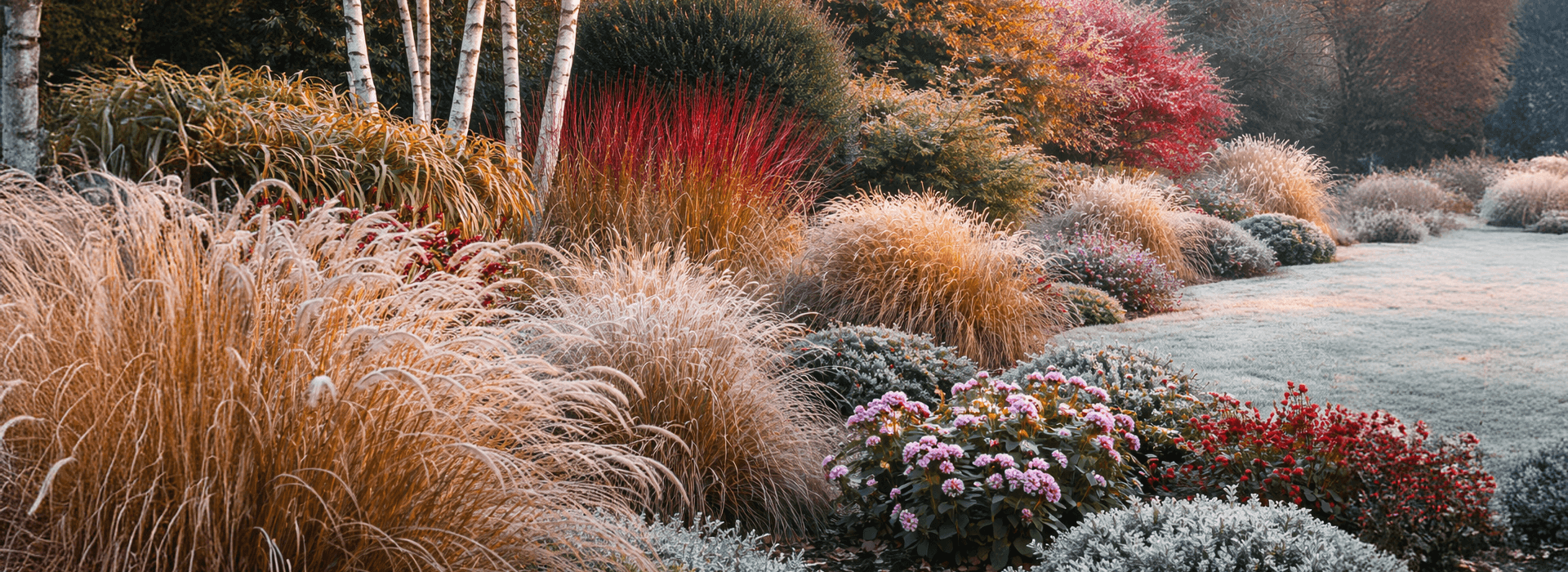
As winter settles across the UK, many gardens can feel bare and colourless once the autumn displays fade away. Yet flowerbeds need not look dormant during the colder months. A thoughtful selection of hardy plants can bring flowers, vibrant stems, berries, scent, and lasting structure right through December to March. These choices turn borders into points of interest that catch the eye from the window or during crisp outdoor walks.
Most of these plants thrive in typical UK conditions and suit a range of soil types. They often support wildlife too by offering nectar for early pollinators or berries for birds. Best of all, they are generally low-maintenance and reliable year after year. In many UK gardens, winter wet causes more losses than cold, so drainage and placement often matter as much as plant choice.
This guide brings together reliable winter-performing plants for UK flowerbeds, covering flowering varieties, structural shrubs, evergreen interest, and long-lasting stems. It also touches on placement and care, helping you choose plants that look good from December through to early spring. A simple way to plan is to pick one plant for flowers, one for scent, one for stems or bark, one for berries, and one evergreen shape, then place the most interesting ones within sight of the house and along your usual winter route.
Winter-Flowering Gems for Early Colour
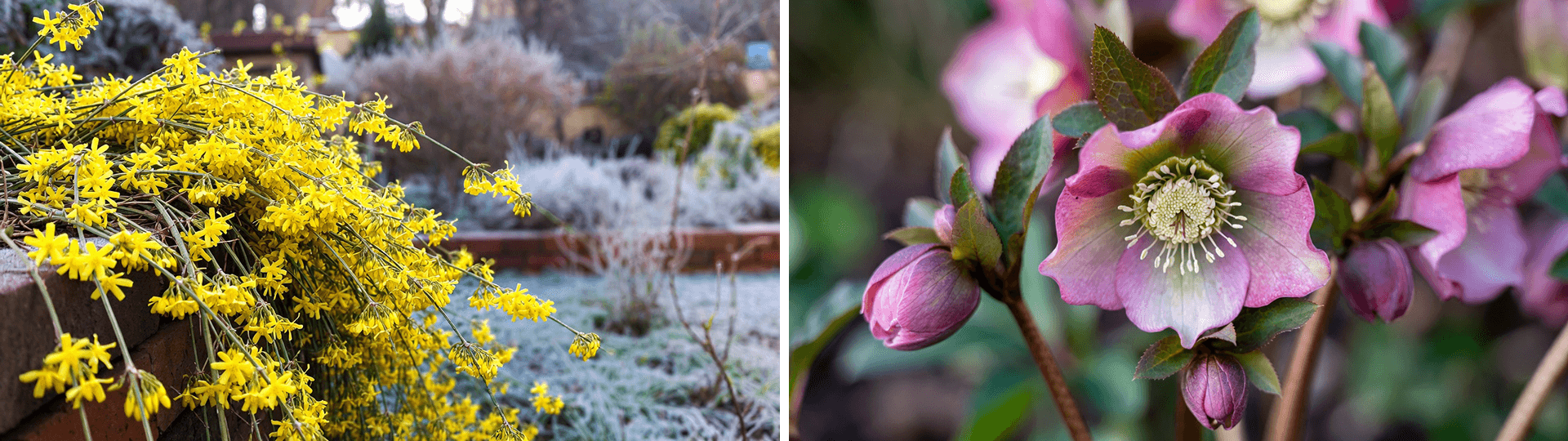
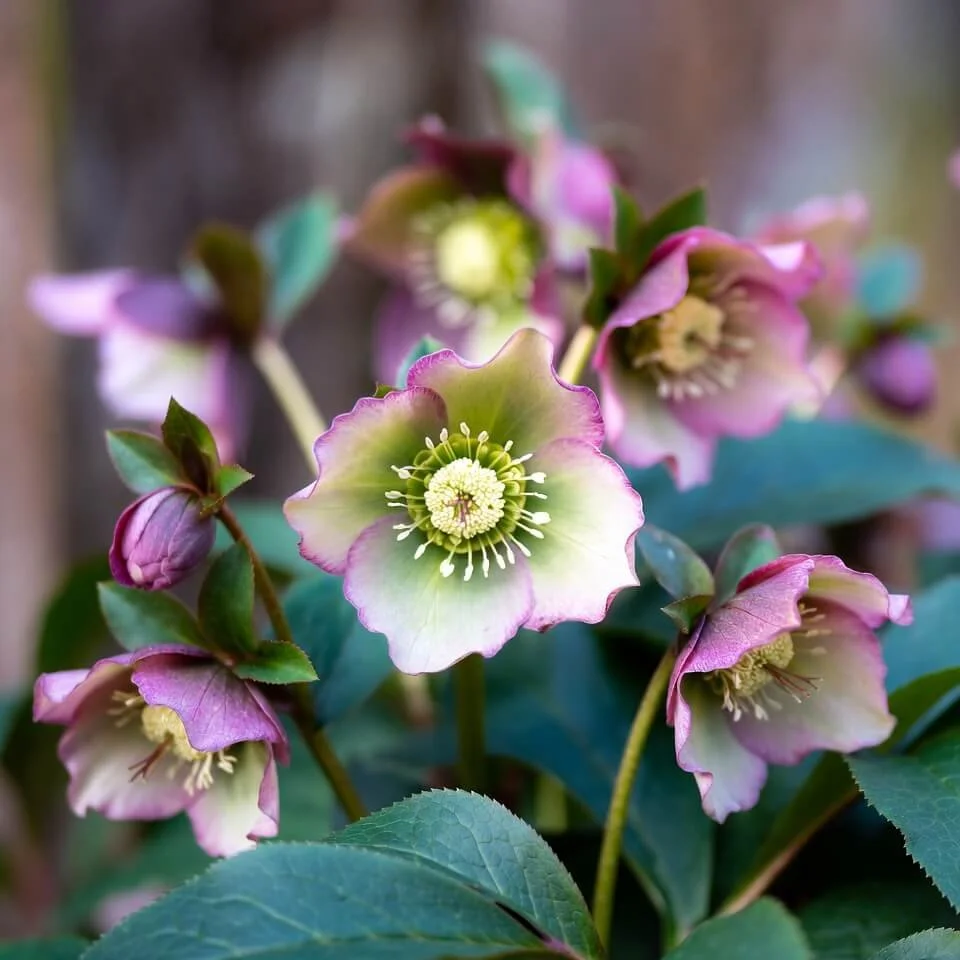
Winter jasmine (Jasminum nudiflorum) brings cheerful yellow blooms to bare stems from November to February (left), while hellebores are prized for their elegant, nodding flowers in pink and purple shades through late winter (right).
Hellebores, commonly known as Christmas or Lenten roses, are among the stars of the season. Their elegant nodding blooms appear in shades of white, pink, purple, and near-black from late December onwards. They perform best in partial shade under trees or at the back of borders and prefer moist but well-drained soil enriched with organic matter for the strongest displays. Many winter-flowering plants with these qualities are recognised through the RHS Recommended: Award of Garden Merit scheme, which can help shortlist varieties that have performed well in UK trials.
Winter jasmine (Jasminum nudiflorum) provides cheerful yellow stars on bare green stems from November through to February. It works beautifully trained against a wall or allowed to cascade over the edge of a raised bed. Prune it straight after flowering, as it blooms on the previous year’s growth.
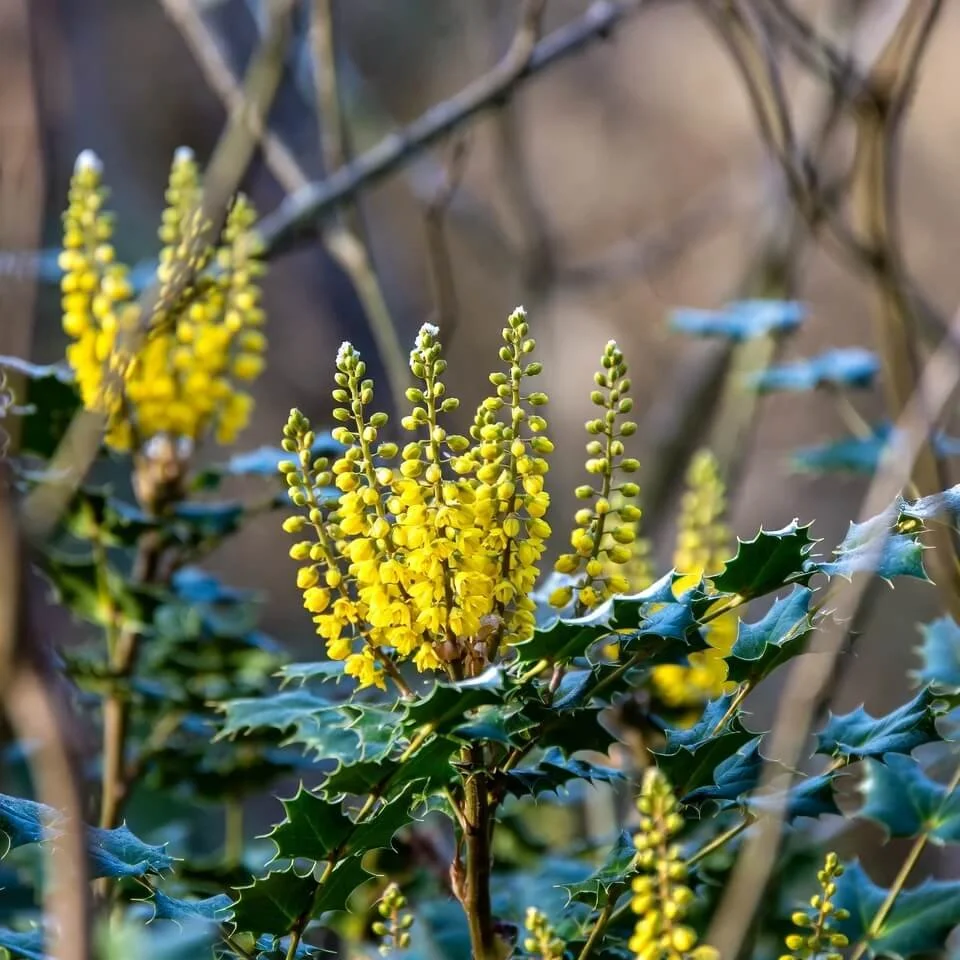
For fragrance, consider Sarcococca (sweet box), whose tiny white flowers release a powerful honey-like scent in January, or Mahonia with its upright spikes of bright yellow blooms that can attract early bees on mild winter days. Cyclamen coum adds another layer of charm with delicate pink or white shuttlecock flowers close to the ground from January to March, ideal for naturalising in shady corners.
Plants with Stems, Berries, and Bark for Structure
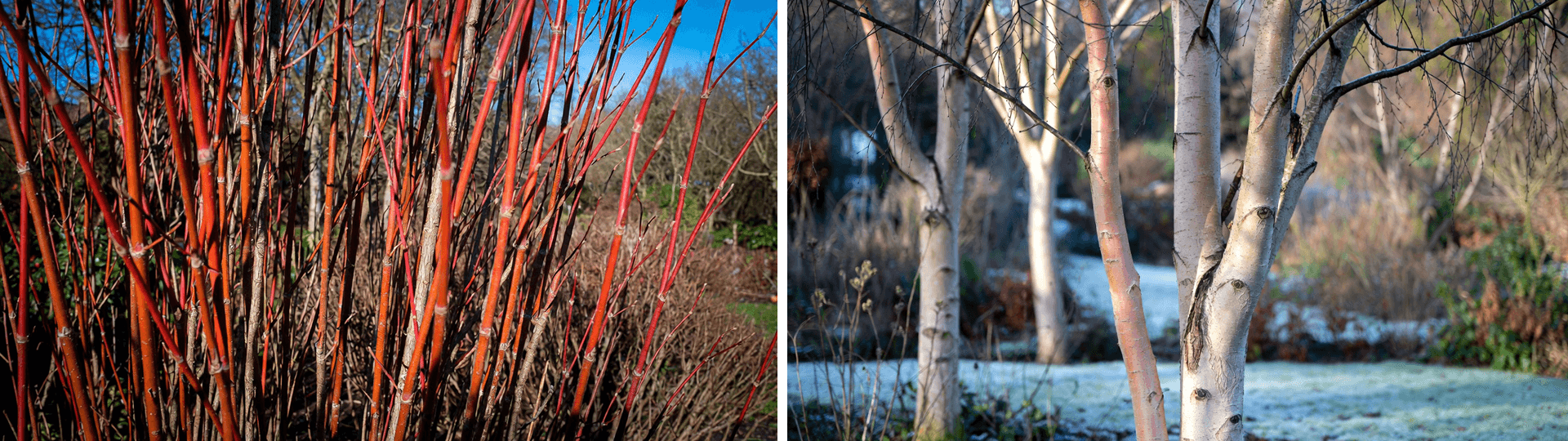
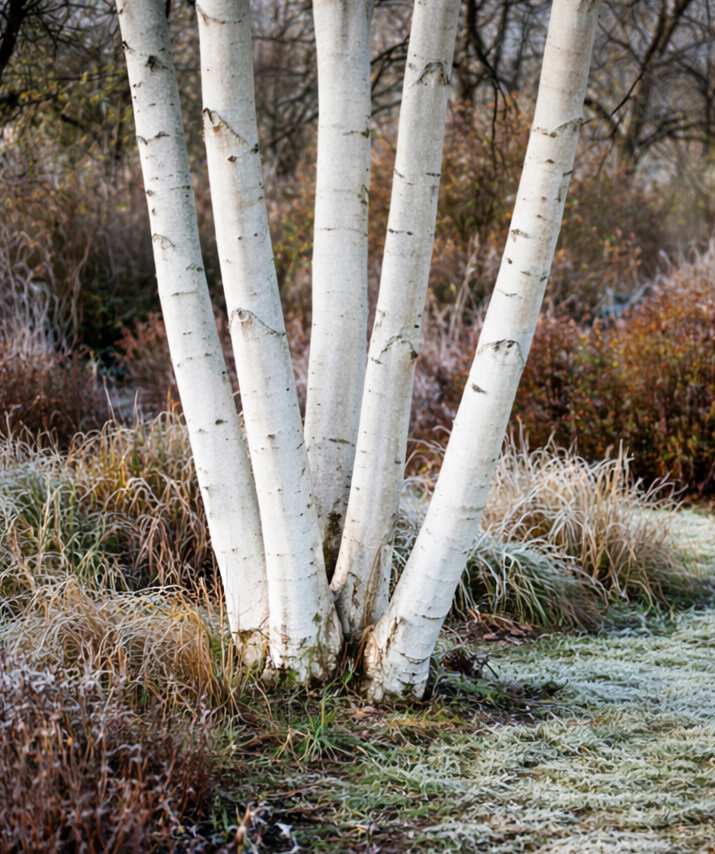
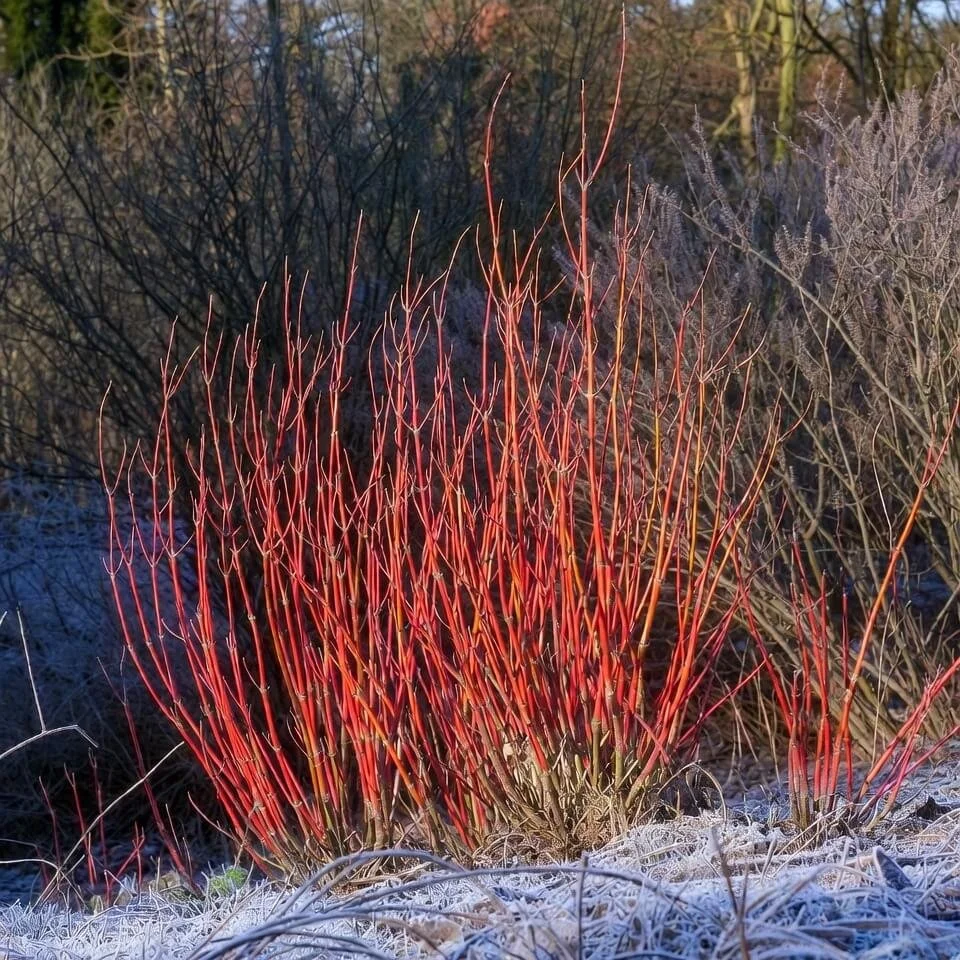
Fiery winter stems of dogwood varieties such as Cornus ‘Midwinter Fire’ (left) contrast beautifully with the glowing white bark of Himalayan birch (right), both providing strong structure throughout the year.
Structure, evergreen form, and strong silhouettes play a major role in creating gardens that still feel inviting during the darker months, especially when you repeat a simple shape and keep clear sight lines from the house.
Dogwoods such as Cornus ‘Midwinter Fire’ or ‘Anny’s Winter Orange’ produce fiery red and orange stems that glow in low sunlight. A hard prune in early spring encourages the brightest new growth for the following year, and leaving pruning until late March or early April often keeps the winter colour on show for longer.
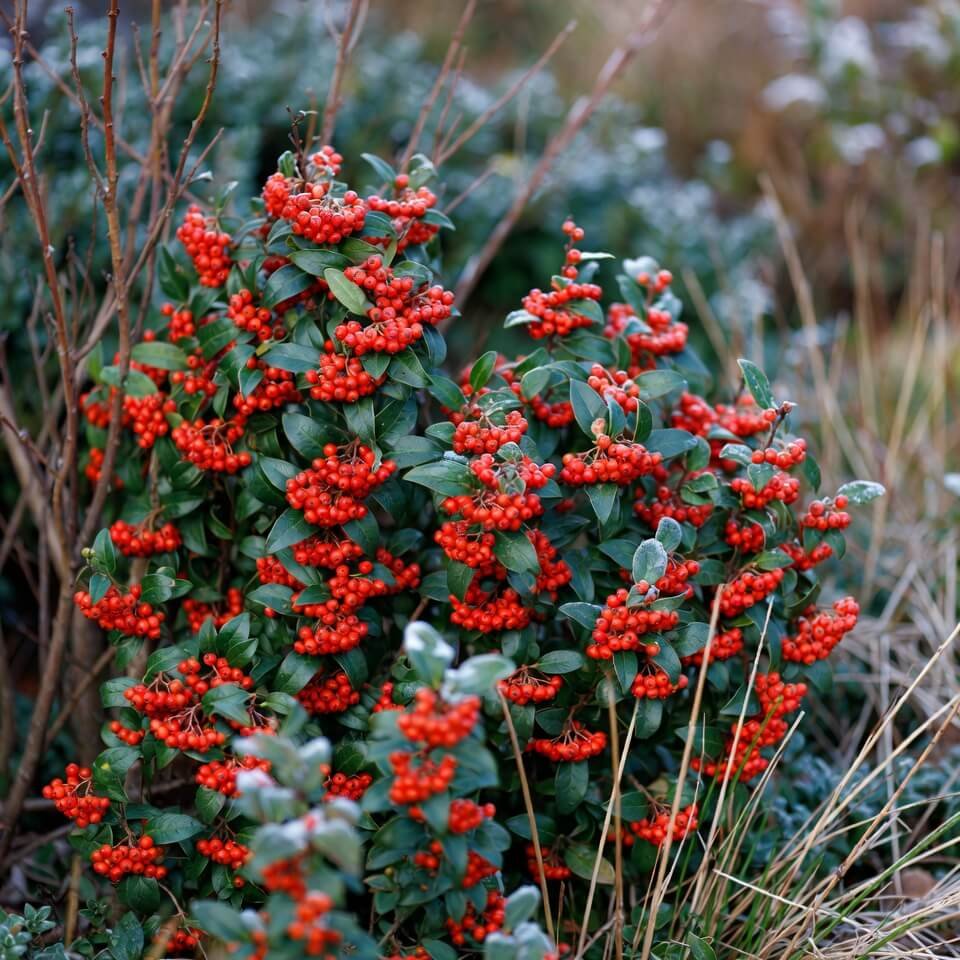
Berrying shrubs bring further drama and wildlife value. Holly, pyracantha (firethorn), and Skimmia display clusters of red, orange, or black fruits that last through frost and provide food for birds. Skimmia also produces scented flowers in spring, especially if you plant both male and female varieties nearby.
Callicarpa (beautyberry) is a standout with vivid purple berries on arching stems, while evergreen Viburnum tinus offers glossy foliage all year plus pink-budded white flowers from autumn into spring.
Birches such as Betula utilis var. jacquemontii (Himalayan birch) offer another elegant option with peeling white bark that glows in low winter light. The smooth, papery trunks provide quiet structure and reflect sunlight beautifully on dull days, especially when planted in small groups.
Adding Texture with Grasses and Evergreens
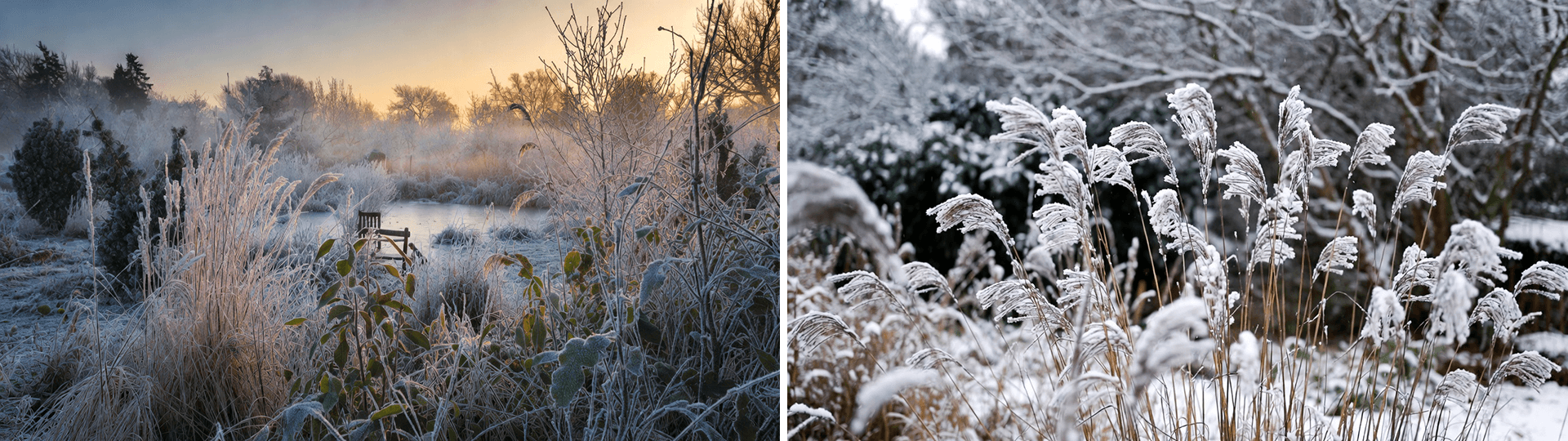
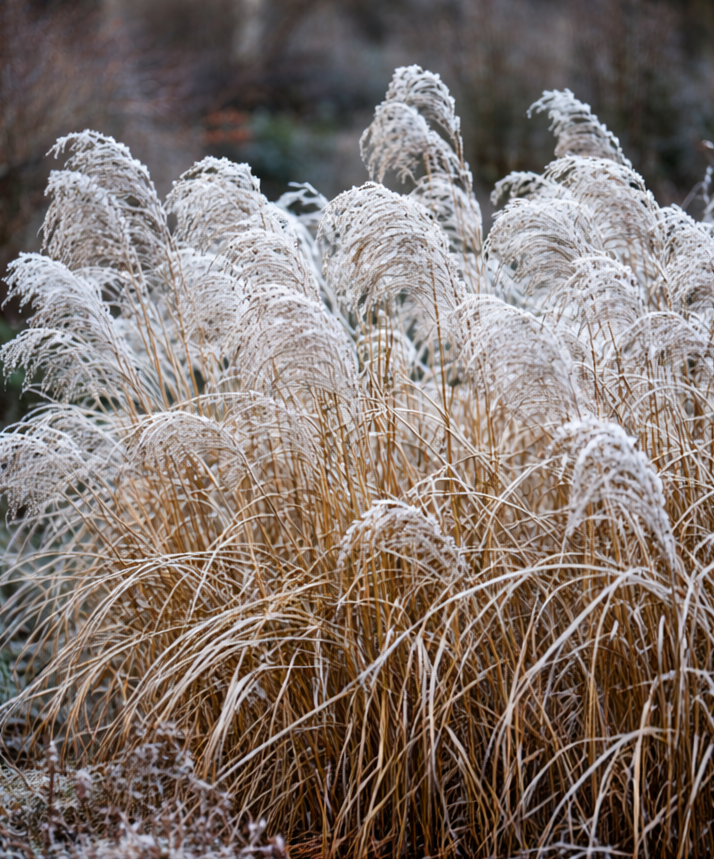
Ornamental grasses contribute movement and subtle beauty throughout winter. Varieties like Miscanthus or Calamagrostis hold tall feathery seedheads that catch frost and shimmer in pale light. Leave them standing until late February to enjoy the full effect and potentially provide shelter for overwintering insects.
Low-growing evergreens such as winter-flowering heathers (Erica carnea) deliver pinks and whites from January and make excellent ground cover, particularly on well-drained soils, including neutral sites, and in many cases they can cope with slightly alkaline conditions too.
For the most appealing borders, mix heights and textures thoughtfully. Place taller dogwoods at the back, mid-height shrubs like Mahonia in the middle, and low hellebores or cyclamen at the front. This layered planting creates depth and ensures something always draws the eye, no matter the weather.
These plants are most effective when positioned where they catch low winter light or can be seen from the house, allowing their form and texture to be enjoyed even on grey days.
Tips for Planting and Long-Term Care
These plants are generally forgiving, but a few straightforward habits help them establish strongly and perform at their best year after year, particularly when it comes to protecting roots and young growth during cold snaps.
Below are some of our favourite winter performers in bloom. They remind us of the colour and structure these plants bring even on the coldest days.
Popular Winter Interest Plants for UK Flowerbeds
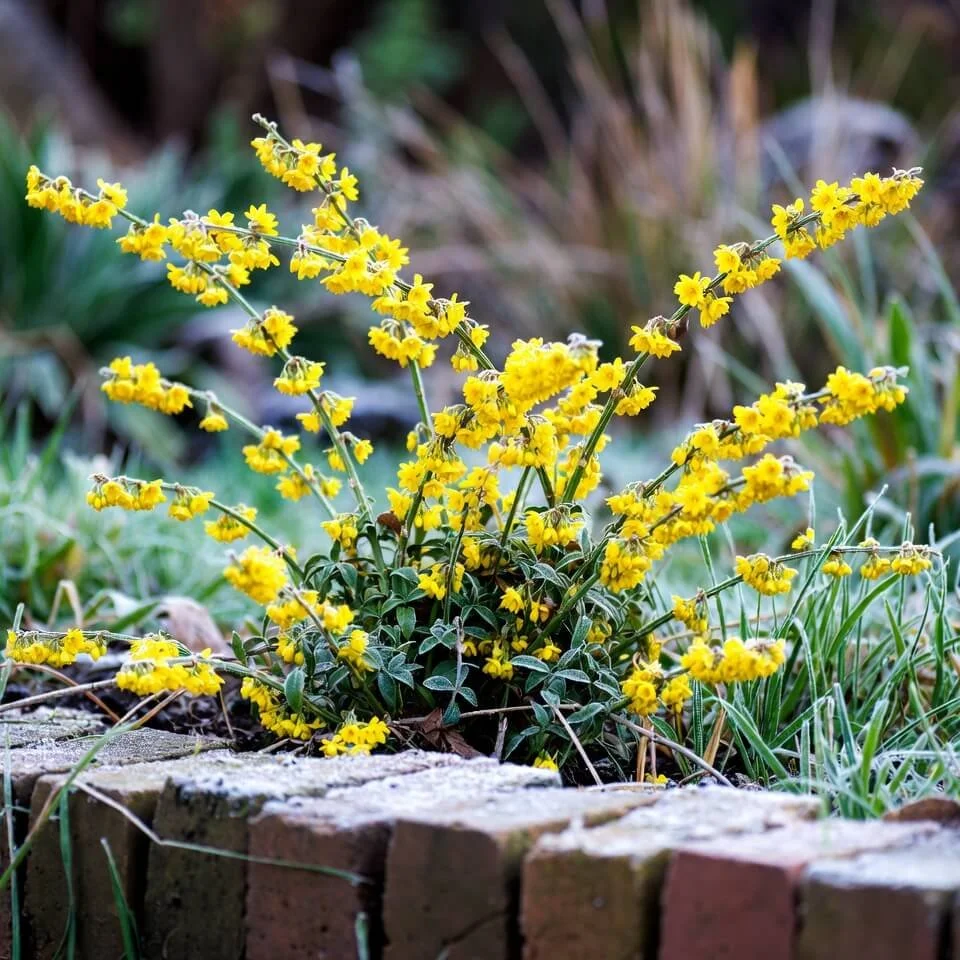
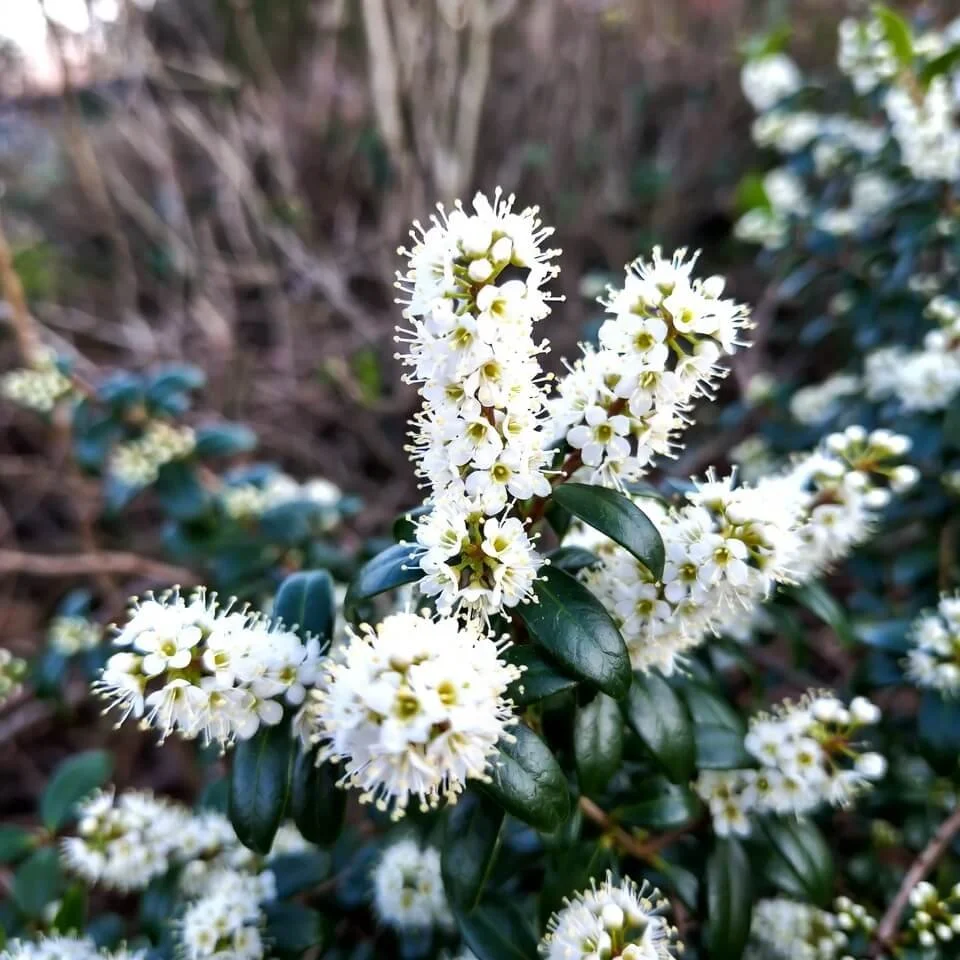
| Plant | Key Winter Interest | Best Position | UK Winter Care Tips |
|---|---|---|---|
| Betula utilis var. jacquemontii (Himalayan birch) | Glowing white peeling bark that stands out in low winter light and frost. | Open ground or lawn; best in small groups | Tolerates many soils if drainage is reasonable. Mulch in spring and water well in the first year. |
| Cornus ‘Midwinter Fire’ (dogwood) | Fiery orange, red, and yellow winter stems for strong colour when borders are bare. | Sunny or lightly shaded borders | For best stem colour, coppice in late March or early April to encourage fresh new growth. |
| Helleborus (Christmas rose / Lenten rose) | Nodding winter flowers (often Dec–Mar) in white, pink, and purple shades with evergreen foliage. | Part shade; sheltered borders or pots | Prefers moist but well-drained soil. Remove tired leaves in late winter so blooms show clearly. |
| Jasminum nudiflorum (winter jasmine) | Cheerful yellow flowers on bare green stems from Nov to Feb. | Sunny or lightly shaded wall, fence, or bank | Tie in shoots to supports. Prune straight after flowering to keep it tidy and support next winter’s display. |
| Mahonia (Mahonia × media types) | Bright yellow flower spikes in winter with architectural evergreen foliage; can attract bees on mild days. | Part shade or woodland-style borders | Hardy and low-maintenance. Tidy after flowering; wear gloves as leaves can be spiny. |
| Miscanthus (ornamental grass) | Frosted seedheads and winter movement; strong structure until late winter. | Sunny open borders | Leave standing for winter effect. Cut back to the base in late Feb or March before new shoots emerge. |
| Sarcococca confusa (sweet box) | Powerfully scented small white flowers in mid to late winter, with glossy evergreen leaves. | Shade or part shade near paths/doorways | Very reliable. Trim lightly after flowering if shaping is needed; keep watered in dry springs. |
| Skimmia japonica | Evergreen structure with decorative buds and (on female plants) long-lasting red berries. | Part shade; sheltered positions | Best in moist, well-drained soil. Avoid waterlogging in pots by raising containers on feet. |
Simple Care Tips for Strong Winter Displays
These plants are generally forgiving and low-maintenance, but a few straightforward habits will help them establish quickly and deliver the best possible displays year after year.
Plant in autumn or early spring when the soil is workable.
Dig in plenty of organic matter to improve drainage and fertility.
Mulch in late autumn with bark chips or compost to insulate roots.
Water new plantings well in their first year.
Prune dogwoods hard in early spring for best stem colour.
Deadhead hellebores lightly after flowering.
Divide overcrowded clumps every few years.
Taken together, these simple steps help winter planting establish more reliably, resulting in healthier displays and less need for replacement over time. Many gardeners also find that reviewing planting and care needs during winter creates a natural opportunity to plan improvements calmly and avoid the spring rush.
Frequently Asked Questions About Winter Interest Plants
What are the easiest plants for winter interest in UK gardens?
Hellebores, winter jasmine, skimmia, sarcocococca, dogwoods, and ornamental grasses are among the most reliable choices. They tolerate UK winters well and provide flowers, colour, scent, or structure with relatively little maintenance.
Do winter interest plants need protection from frost?
Most hardy winter plants cope well with frost once established, but young plants benefit from mulching and good drainage. In exposed or very cold areas, simple measures such as fleece or shelter from cold winds can help reduce damage during severe weather. Night temperatures can drop quickly under clear skies, which is part of why frost and ice can appear after a mild day.
Where should winter interest plants be positioned for best effect?
They are most effective when placed where they can be seen from the house, near paths, entrances, or seating areas. Grouping plants rather than scattering them individually creates stronger visual impact during the quieter winter months.
When is the best time to plant for winter interest?
Autumn and early spring are ideal, as the soil is workable and plants have time to establish roots before extreme weather. Planning planting during winter also allows time to make thoughtful choices and avoid the busy spring rush.
Bringing It All Together: A Garden That Works Through Winter
With these reliable choices, your flowerbeds can deliver colour, scent, and structure even on the shortest days. There is a quiet satisfaction in watching a garden hold its own against the cold, offering moments of interest through frost, low light, and stillness while laying the groundwork for the growth to come.
Choosing the right plants is the foundation of a successful winter garden, but their impact is strongest when combined with sensible protection, thoughtful placement, and longer-term planning. Taken together, these elements create borders that not only look good now, but continue to perform year after year with minimal intervention.
Planning a Garden That Performs Through Winter
Selecting the right plants is only part of the picture. Thoughtful placement, suitable protection, and long-term planning all play a role in creating borders that continue to look good when growth slows.
If you’d like expert support in choosing and arranging plants for lasting winter interest, we can help you plan a scheme that suits your garden and evolves beautifully through the seasons.
Arrange a free consultation and start shaping a garden that works all year round.