
When to Plant Tulips and Daffodils for the Best Results
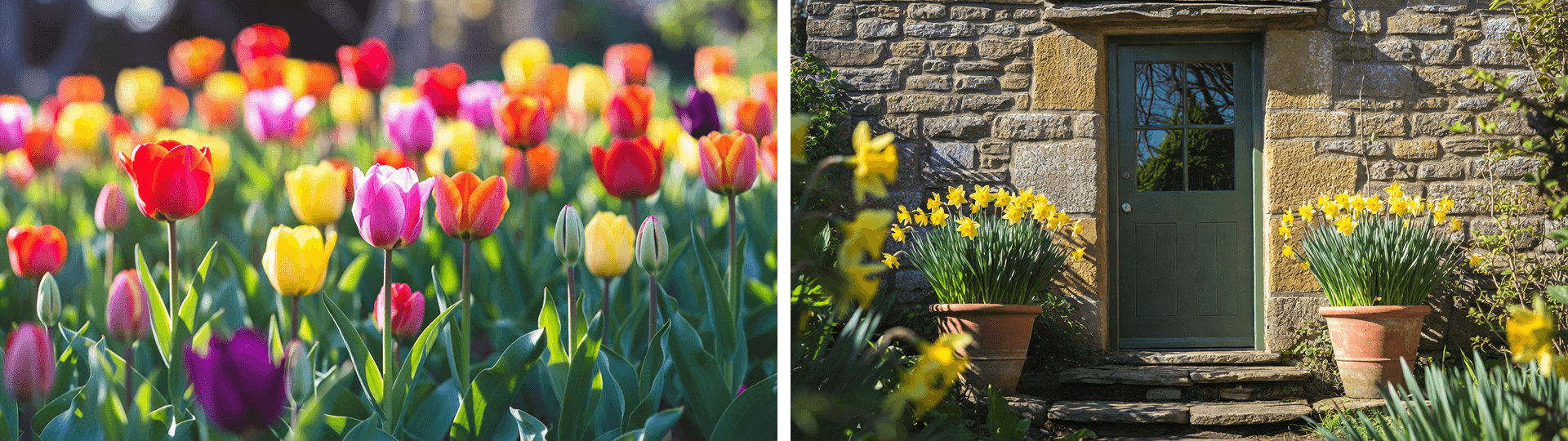
Few things signal the arrival of spring quite like drifts of cheerful daffodils and elegant tulips brightening borders and pots. These reliable bulbs bring colour after the long winter months, attract early pollinators, and lift the mood on brighter days. If you want more blooms and fewer losses, get two things right first, timing and drainage. In most UK gardens, plant daffodils in early autumn, then plant tulips later in autumn, and avoid putting either into cold, waterlogged ground. The secret to their success lies in autumn planting, which gives them time to establish roots during cooler weather.
Both tulips and daffodils need a period of cold to trigger proper flowering, so planting at the right point in autumn matters for strong stems and good displays. Planting at the right time also helps bulbs root before the ground turns cold and heavy, which can make a bigger difference than variety alone in many gardens.
Ideal Planting Windows for UK Gardens
Autumn remains the prime season for getting these bulbs into the ground across the UK. Daffodils are forgiving and can go in from September right through to December, though earlier planting in September or October often gives the best results. They establish quickly and tolerate later slots better than many bulbs.
Tulips prefer a slightly later start, ideally from October to November, or even early December in milder areas. Planting them too early can raise the risk of fungal problems in wet conditions, particularly tulip fire, a Botrytis disease that spreads more easily in cool, damp weather. A November slot often reduces that risk while still giving enough chill for reliable flowering, and symptoms are described in official plant health guidance on tulip fire disease.
Regional differences matter too. In cooler northern parts or higher ground, aim for September or October to beat hard frosts. In the milder south and west, you can extend into November without worry. Always check local forecasts, as soil should be workable and not frozen or waterlogged. A simple rule that works in many gardens is to plant when the soil crumbles rather than smears on the spade. If it is sticking, wait for a drier spell or use pots.
Quick UK Planting & Flowering Guide
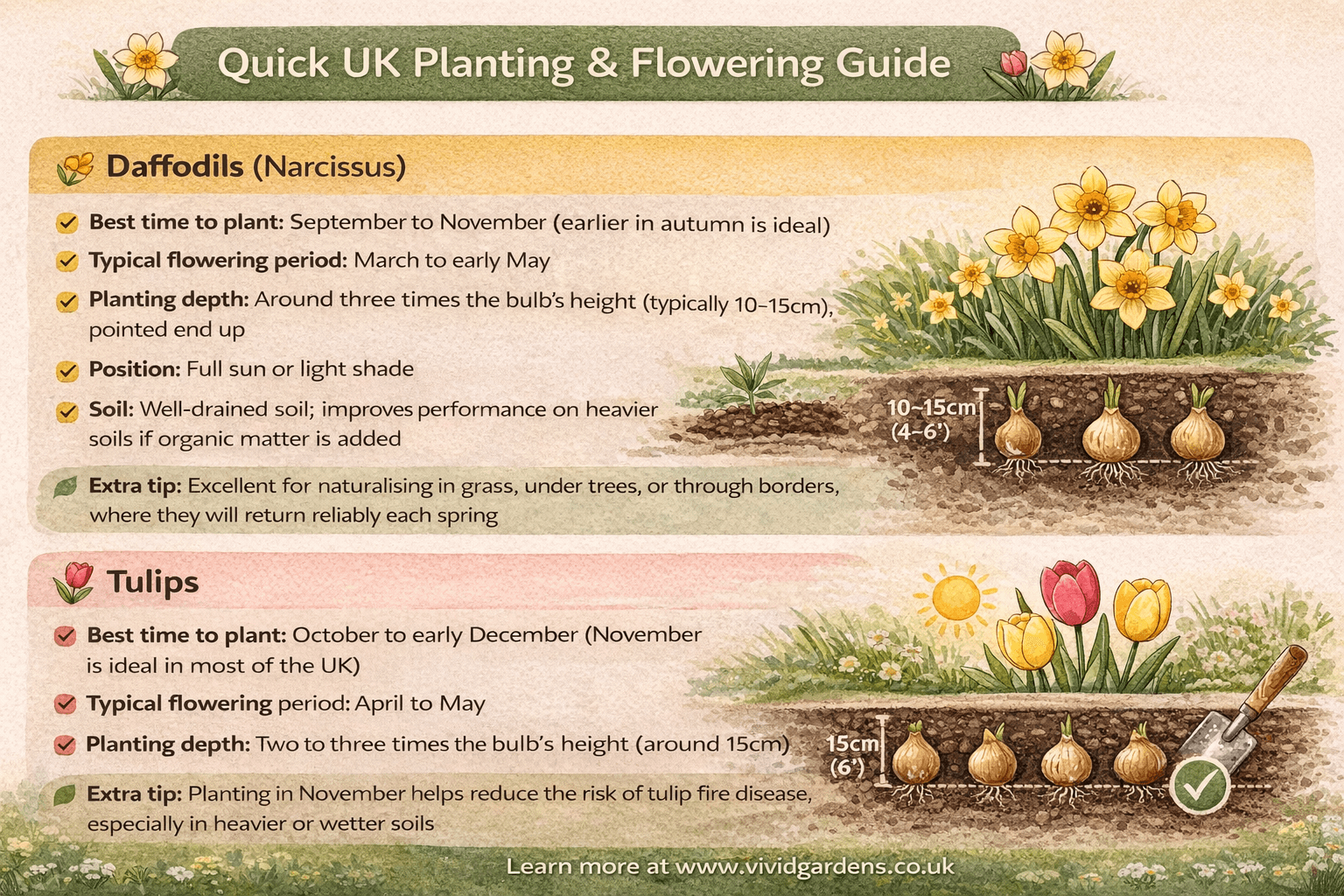
Timing and planting depth make a significant difference to how well spring bulbs perform in UK gardens. The guide below summarises when to plant daffodils and tulips, the simple depth rule to use, and the conditions they prefer, helping you plan with confidence and avoid common mistakes. One common pitfall is planting tulips too early in warm, wet soil, which can increase the chance of disease. As a general rule, plant bulbs at two to three times the bulb’s height, then use the cm figures below as a guide for typical UK garden soils.
Daffodils (Narcissus)
Best time to plant is September to November, earlier in autumn is ideal
Typical flowering period is March to early May
Planting depth is two to three times the bulb’s height, which is usually 10–15cm, with the pointed end facing up
Position is full sun or light shade
Soil is well-drained, and performance can improve on heavier soils if you add organic matter
Extra tip is excellent for naturalising in grass, under trees, or through borders, where they will return reliably each spring
Tulips
Best time to plant is October to early December, November is ideal in most of the UK
Typical flowering period is April to May
Planting depth is two to three times the bulb’s height, which is often around 15cm in practice
Position is full sun
Soil is free-draining, and pots or raised beds often work better if your ground stays wet in winter
Extra tip is planting in November helps reduce the risk of tulip fire disease, especially in heavier or wetter soils
Practical Planting Tips and Design Ideas
Here are some straightforward tips to help your tulips and daffodils establish well and create eye-catching spring displays.
Choose firm, healthy bulbs and plant them in full sun or light shade with well-drained soil. Avoid areas that remain waterlogged over winter, particularly for tulips. If bulbs feel soft, mouldy, or smell off, skip them, they often rot rather than recover.
Plant bulbs at a depth of two to three times the bulb’s height. This is typically 10–15cm for daffodils and around 15cm for tulips, with the pointed end facing upwards. Use the rule first, then treat the cm figures as a guide that may vary a little with bulb size.
Space daffodils around 10–15cm apart and tulips around 10–15cm apart to create natural-looking drifts and ensure reliable flowering. If you want a fuller look, plant in clumps of 7 to 15 rather than single lines.
On heavier clay soils, plant bulbs individually using a bulb planter rather than trenching large areas. Incorporate a small amount of grit or organic matter to improve drainage, and avoid high-nitrogen fertilisers at planting time. A thin layer of grit under tulip bulbs can help water move away from the base in wet winters.
If squirrels are a problem, lay a piece of mesh over the planting area, then cover it with soil or mulch so it is not visible.
Lasagne Planting for Containers and Small Spaces
Containers work particularly well for patios, balconies, and smaller gardens, especially where soil conditions are heavy or inconsistent. One of the most reliable container techniques is lasagne planting, which layers bulbs at staggered depths to extend the flowering season.
Start with the latest-flowering bulbs, such as tulips, placed at the deepest level, two to three times the bulb’s height.
Cover with compost, then add mid-season bulbs, followed by early-flowering bulbs such as smaller daffodils or crocus closer to the surface.
Ensure each layer is separated by compost so bulbs do not touch, allowing roots to develop freely and reducing the risk of rot.
Water well after planting and position containers where excess winter rain can drain away easily.
This method produces a sequence of blooms from early spring through to May and gives a longer display in one pot without excessive plant numbers or maintenance. It works best in a deep pot with excellent drainage, otherwise the lowest layer can struggle in a wet winter.
In wet spells, pot depth and drainage tend to matter more than the exact bulb mix, so choose a deeper container, keep the drainage holes clear, and raise pots off the ground if they sit on a hard surface. In many parts of the UK, winter rainfall is consistently high, as shown in long term UK climate averages, which is why avoiding waterlogged compost makes such a difference to tulip survival.
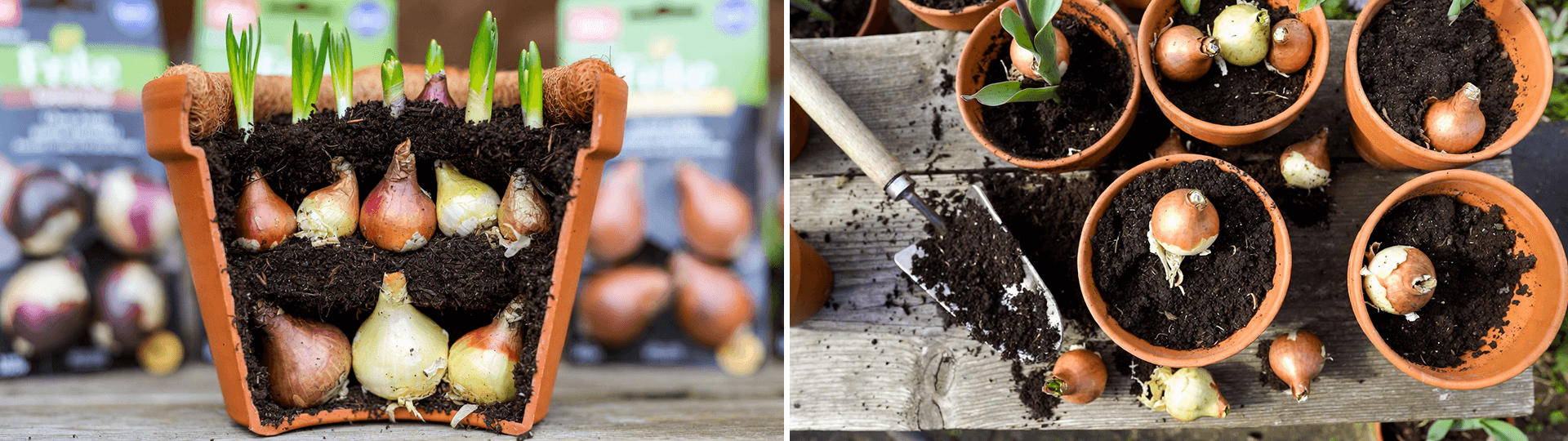
Lasagne planting layers bulbs at different depths for prolonged bloom (left), while individual pots allow easy positioning (right). Both are great for spring displays.
General UK Tips for Success
These spring bulbs are generally forgiving, but a few good habits will help them perform better year after year.
Site and soil
Both bulbs prefer well-drained soil in full sun or light shade. Daffodils tolerate heavier or slightly damper conditions better than tulips.Planting depth and spacing
As a guide, plant bulbs two to three times their height deep and allow adequate spacing to prevent overcrowding and disease.In pots and containers
Use a free-draining compost, raise pots on feet, and consider layered planting for extended flowering. Tulips benefit from excellent drainage in containers.Naturalising in grass
Daffodils naturalise well and return reliably each year. Tulips are generally shorter-lived and are often treated as annuals for best display. If you want tulips to return, species tulips and very free-draining soil tend to give better odds than many showy hybrids.Aftercare
Allow foliage to die back naturally for at least six weeks after flowering so bulbs can store energy for the following year. Avoid tying or cutting leaves early.Regional timing
In colder northern or inland areas, planting slightly earlier in autumn can help bulbs establish. In milder southern or coastal regions, planting can extend later into autumn.Pests
Squirrels may disturb newly planted tulips. Planting bulbs deeper, using mesh, or covering soil surfaces can help. Daffodils are toxic and usually left alone.
Common Questions About Tulips and Daffodils
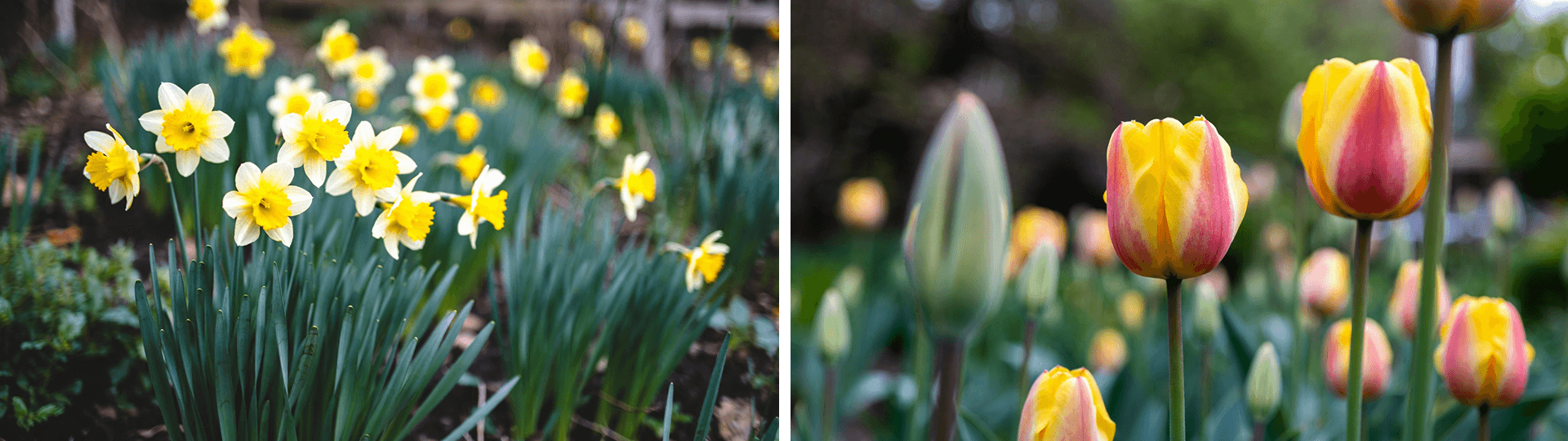
Do daffodils and tulips come back every year?
Daffodils usually naturalise and return reliably, often multiplying over time. Tulips can perennialise in well-drained soil but frequently perform best when lifted and replanted every few years for stronger shows. In many UK gardens, treating most display tulips as short-lived can set expectations correctly.
How long do the bulbs last?
With good care, daffodil bulbs can last decades. Tulips typically give 3 to 5 good years before needing replacement, though some hybrid varieties are treated as annuals.
Can I plant them in grass for a natural look?
Yes. Daffodils excel at naturalising in lawns. Tulips are less successful long-term but work for a one-season drift. Wait six weeks after flowering before mowing to let leaves feed the bulbs.
What if my soil is heavy clay?
What if my soil is heavy clay?
Add grit or organic matter for drainage, or grow in raised beds and pots. Both bulbs dislike waterlogging. If you lose tulips repeatedly, growing them in pots can be the simplest fix. For heavy ground, some spring bulbs cope far better than others, see our guide to the best bulbs for clay soil.
Aftercare for Stronger Blooms Next Year
After flowering, remove the spent blooms promptly to stop the bulb wasting energy on seed production. A quick snip just below the faded flower head is usually enough. Leave the foliage intact and let it die back naturally over the following six weeks or so. Those strappy leaves might look untidy for a while, but they are photosynthesising and sending nutrients back down to the bulb, building reserves for next year’s stronger stems and bigger flowers.
If the dying leaves bother you in a formal border, avoid tying daffodil leaves into knots and instead tuck foliage behind neighbouring plants or use a discreet support ring so the leaves still catch the light. Avoid cutting them back early, as this weakens the bulbs and can lead to disappointing displays in future seasons.
With the right autumn timing, suitable planting depth, and this simple aftercare, tulips and daffodils can naturalise in the right conditions over time. Many gardeners find the show improves year on year as bulbs settle in and, in the case of daffodils, multiply. Daffodils tend to build year on year, while tulips often look best when refreshed or replanted after a few seasons. If you do nothing else, plant into workable soil, prioritise drainage for tulips, and leave foliage to die back naturally.