
Privacy Screening for Gardens Near Busy Buckinghamshire Roads
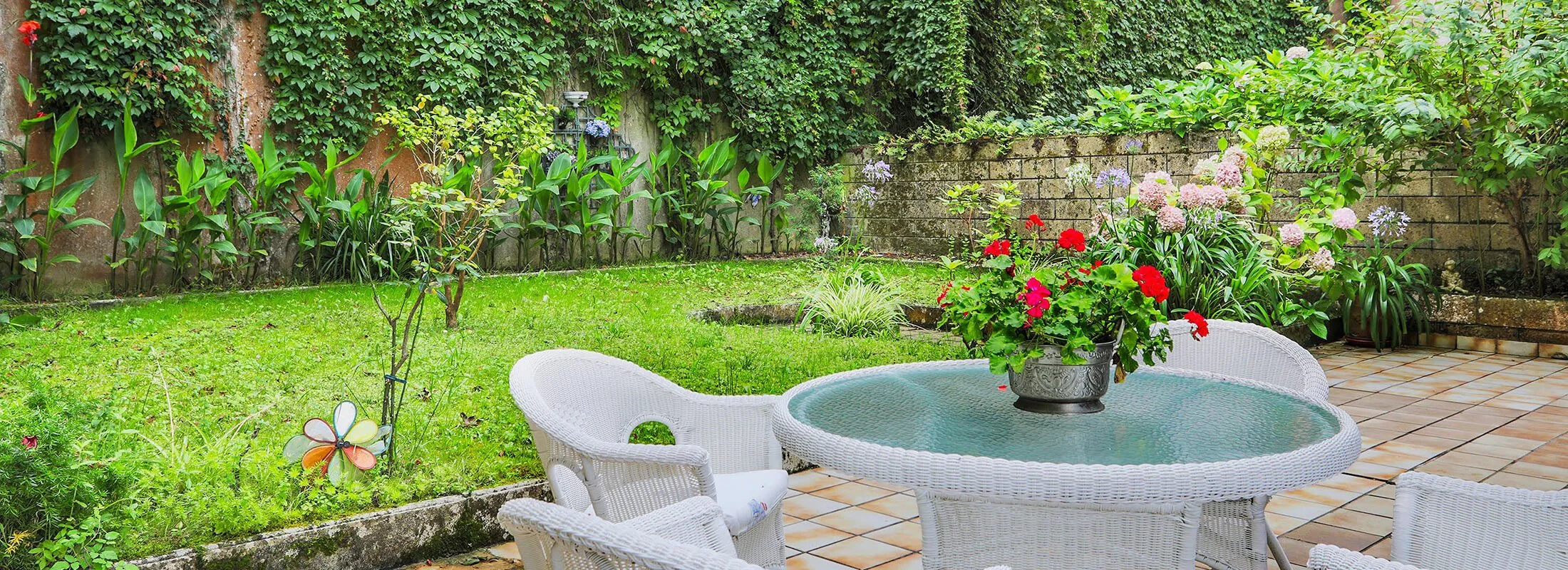
Choosing the right screening plants for privacy is one of the most common questions we hear from Buckinghamshire gardeners, and it matters even more when a garden sits close to a busy road. From quieter A-roads skirting villages to busier routes passing through towns, constant traffic movement and background noise can slowly erode the calm a garden is meant to provide. Over time, these pressures can make outdoor spaces feel exposed and less inviting, even when the garden itself is well cared for.
Here is the short version. For most gardens beside a busy Buckinghamshire road, the most effective approach combines three layers. A solid boundary element gives immediate screening, evergreen planting such as yew, holly or Portuguese laurel provides year round structure, and softer planting or climbers add depth and seasonal life. Planting alone will not block traffic noise, but it hides the movement that makes noise feel intrusive. The right mix depends on your soil, the space available and how quickly you need privacy. The rest of this guide explains how to get each layer right.
At a glance
Best overall approach is layered screening that combines structure, evergreen planting and softer planting in front.
The most reliable evergreens for the county are yew, holly and Portuguese laurel, chosen to suit drainage and exposure.
For heavy clay, hornbeam and field maple are the standout performers.
Where space is tight, use climbers on trellis, pleached trees, or a living wall.
For traffic noise, a solid barrier does the acoustic work and planting does the visual work.
The biggest mistake is choosing a plant for speed without thinking about its mature size, your soil and the maintenance it will demand.
Passing vehicles, dust, wind and overlooking gradually influence how a garden is used. Seating areas feel less comfortable, planting appears vulnerable, and spaces intended for rest and enjoyment are often used less frequently. Thoughtful privacy screening can gently reverse this pattern. When done well, it goes beyond blocking views or softening sound. It helps the garden feel properly enclosed and settled, creating a sense of separation from the road beyond.
A garden should feel like a genuine place of retreat. Constant movement and noise quietly undermine that restorative quality, often before we consciously recognise it. Effective screening restores a sense of enclosure and security, making outdoor spaces welcoming again. In this way, privacy screening is not simply about blocking sightlines or reducing decibels. It reshapes how the whole garden feels to spend time in.
Why do roadside gardens in Buckinghamshire need a different approach?
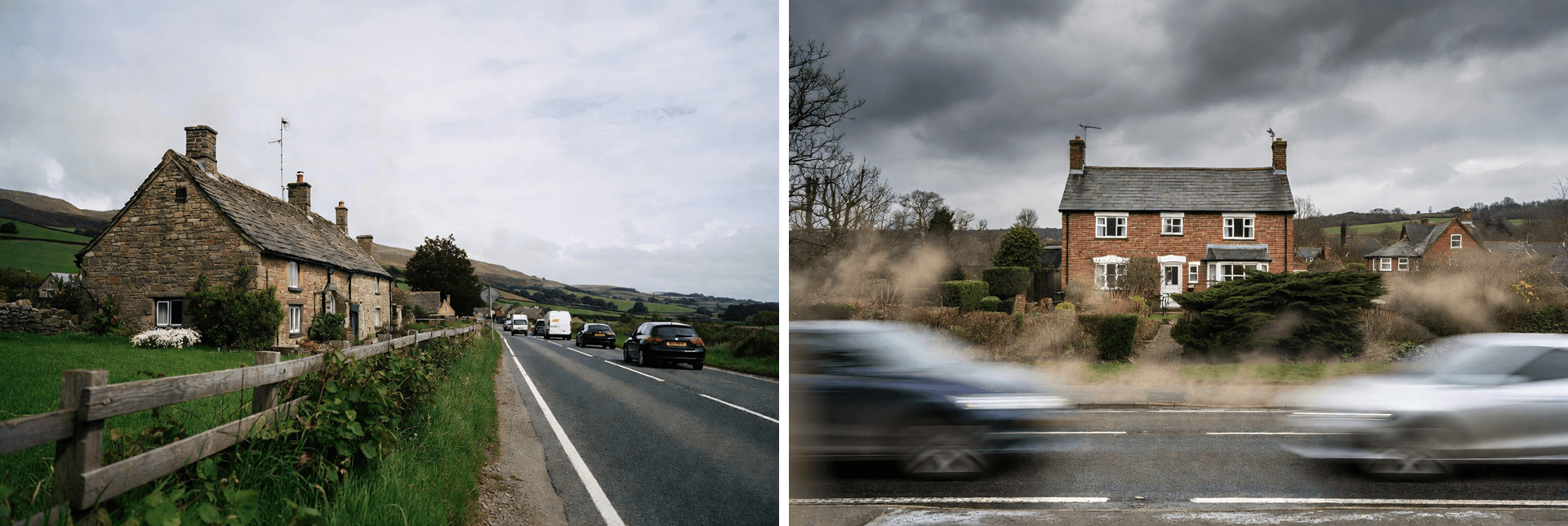
Gardens bordering busy roads face challenges that general screening advice often overlooks. Traffic creates continuous visual movement and background noise, while wind exposure is typically higher along open boundaries. Airborne dust, winter salt spray and reflected heat from tarmac place additional strain on plants.
In Buckinghamshire, these pressures are compounded by local soil conditions. The county is not one soil type. The Chiltern hills sit on chalk, often capped with clay with flints, while much of the Vale and many town gardens sit on heavy clay that drains slowly and compacts easily. That same chalk and clay mix does not stop at the county boundary. The Chilterns run on into Oxfordshire and Hertfordshire, and the pattern of chalk over heavy clay continues south into Berkshire, so gardeners on busy roads right across the Home Counties face very similar conditions. This guide leans towards clay because that is where roadside screening most often fails, but always choose plants for the actual soil in front of you rather than for the county on the map. In new-build developments, construction activity frequently leaves shallow topsoil over dense subsoil. Older gardens often suffer similar compaction from years of foot traffic or previous landscaping work.
To succeed in these conditions, screening must cope with clay soil, exposure and roadside stress together. Fast growth alone is rarely enough. Long-term success depends on resilient plant choices, careful soil preparation and realistic expectations around establishment.
Common factors that make roadside gardens in Buckinghamshire particularly challenging include:
Constant visual movement and background noise from traffic
Increased wind exposure along open boundaries
Plant stress from dust, salt spray and reflected heat
Heavy clay soils that drain slowly and compact easily
Shallow topsoil over dense subsoil, especially on new-build sites
Can planting reduce traffic noise?
Honestly, less than most planting guides suggest, and it is worth understanding why before spending money. No hedge or planting scheme can replace a solid acoustic barrier. Research gathered by Forest Research that depth, so a garden hedge should never be sold as a noise barrier.
What dense, layered planting can do is worthwhile in a different way. Leaves, branches and varied surfaces scatter sound waves, taking the edge off sharper, higher-frequency traffic noise, and soft, planted, mulched ground absorbs more sound than hard paving beside a fence.
The visual effect is often even more significant. Once the road and moving vehicles disappear from view, the same background noise is usually experienced as far less intrusive. Studies and practical experience both show that when the source of noise is hidden, people tend to rate it as less disruptive. Gardens that feel enclosed are used more confidently and more often, even when some sound remains. If noise rather than overlooking is your main problem, the right answer is usually a properly designed solid barrier softened with planting, and in severe cases specialist acoustic advice is worth the cost.
What are the best screening plants for roadside privacy in Buckinghamshire?
The plants selected for roadside screening need to offer more than speed. They must cope with clay soil, tolerate exposure, and remain manageable over time. The options below have proved consistently reliable in gardens across Buckinghamshire when properly established.
For best results, screening is usually most effective when approached in layers. Evergreen structure provides year-round solidity, softer hedging introduces seasonal interest and movement, and climbers offer quick vertical coverage where space is limited. Each plays a different role, and together they create a boundary that feels calm rather than defensive.
People often ask for the fastest-growing screening plants, and the honest answer is that speed on its own can backfire. A common mistake is relying on ultra-fast conifers such as Leylandii. While initially effective, they often become unmanageable, perform poorly in exposed clay sites, and lead to long-term maintenance or neighbour issues. The more balanced options below deliver reliable screening without those drawbacks.
Evergreen hedging and structure
Evergreen hedging forms the backbone of most successful roadside screening schemes. It provides consistent year-round privacy, reduces visual movement from passing traffic, and establishes a settled backdrop that allows the rest of the garden to feel calm and enclosed.
In Buckinghamshire roadside gardens, the most dependable evergreens are those that tolerate clay soil, wind and pollution without becoming overly bulky or difficult to maintain. When given good initial soil preparation, these plants offer long-term structure and stability rather than short-lived coverage.

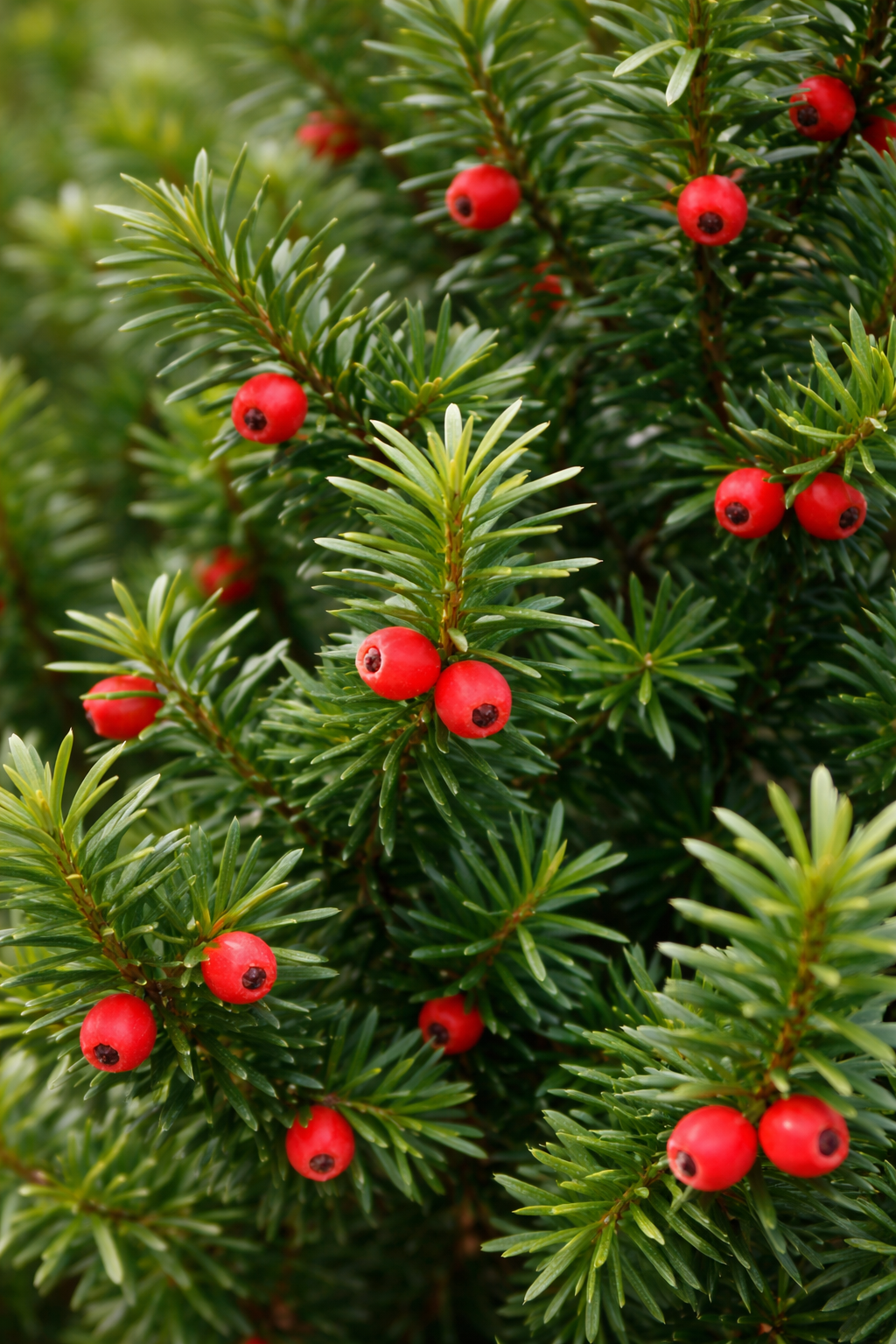
| Plant | Why It Works Near Roads | Notes for Buckinghamshire Clay | Common Pitfalls |
|---|---|---|---|
| Holly (Ilex aquifolium) | Provides dense, long-lived evergreen structure with good tolerance of wind and urban pollution. | Tolerates clay soils once established. Mulch annually and water during dry periods for the first two summers. | Ignoring holly leaf miner, which causes blotching of foliage. Pruning at the wrong time of year, weakening plants. Planting young specimens in very exposed positions without initial shelter. |
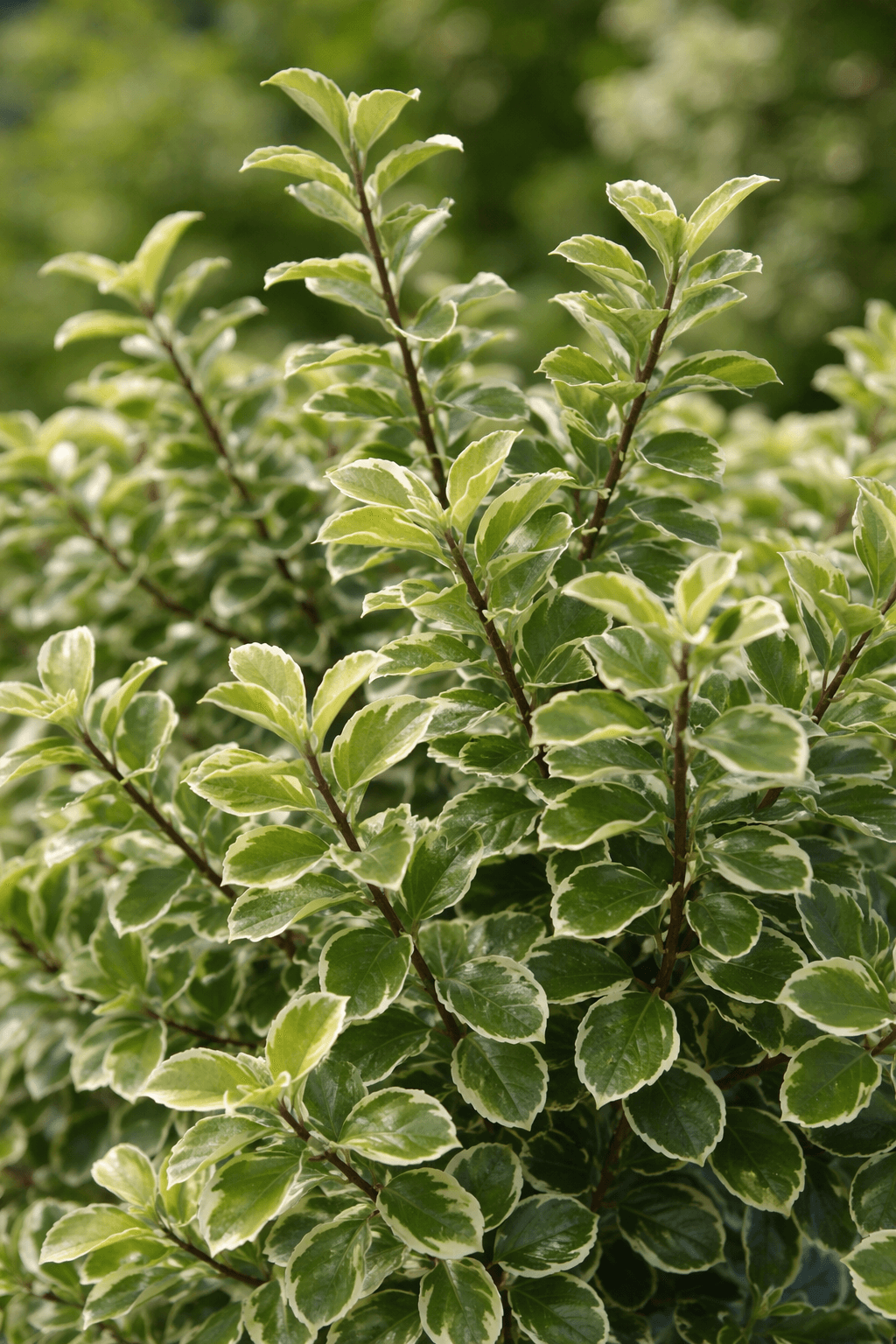
| Pittosporum tenuifolium | A useful softer evergreen for milder, sheltered gardens with reasonable drainage. Not a default choice for a cold or exposed Buckinghamshire boundary. | Best in warmer, protected parts of Buckinghamshire. On heavy clay, improve drainage and avoid cold, wet sites. | Exposure to cold winter winds or frost pockets, leading to leaf scorch or dieback. Poor drainage causing root problems. Over-pruning, which can result in thin or leggy growth. |
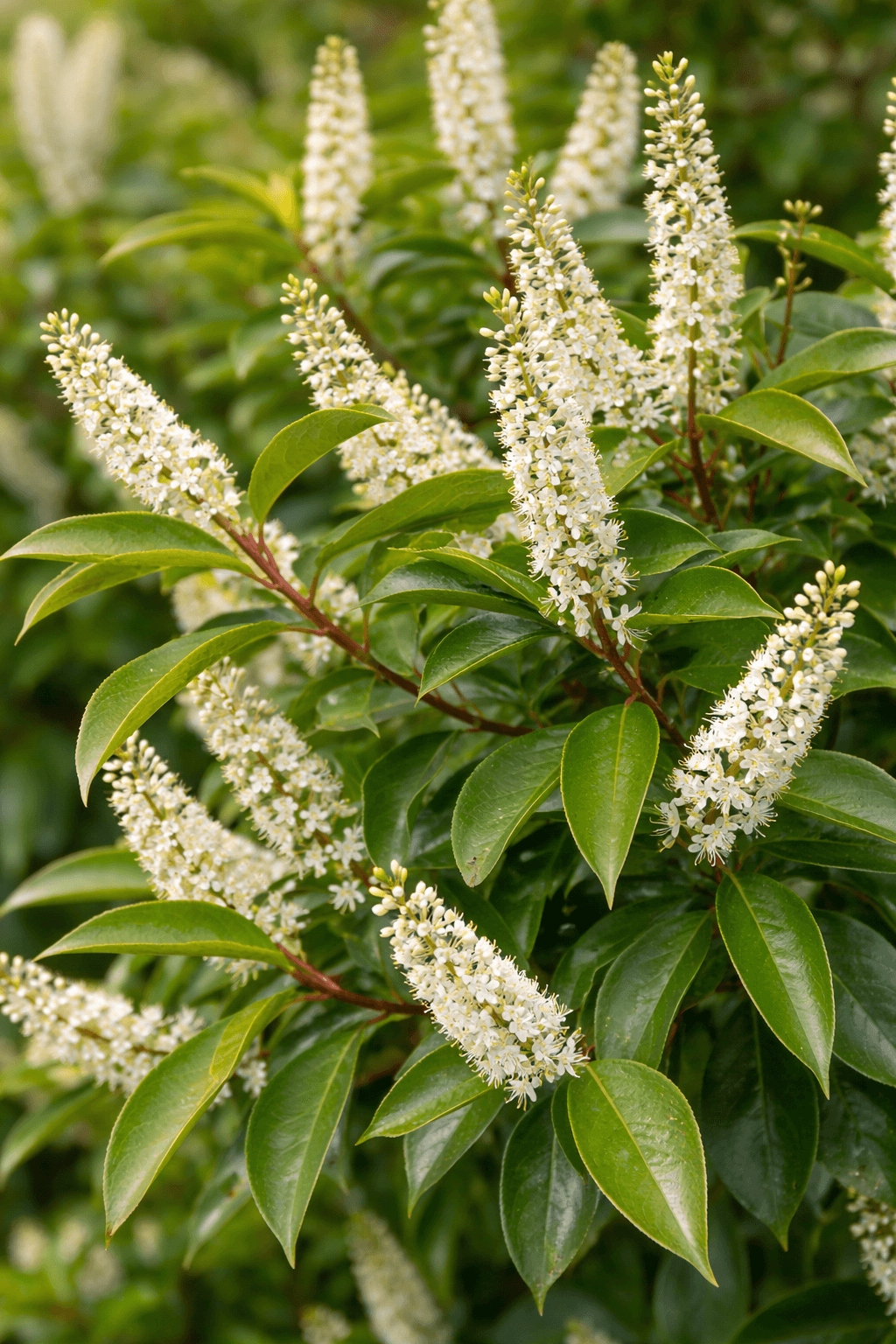
| Portuguese laurel (Prunus lusitanica) | Forms a refined, evergreen screen with a softer outline than cherry laurel, suitable for residential gardens. | Prefers improved soil and consistent moisture during establishment. Responds best to regular light trimming. | Hard cutting into old wood, from which recovery can be slow or uneven. Failing to monitor for shot-hole disease. Planting in persistently waterlogged clay without prior drainage improvement. |
| Yew (Taxus baccata) | Produces exceptionally dense, calm-looking evergreen structure with strong tolerance of wind once established. | Performs well on clay where drainage is reasonable. Improve the planting trench and avoid waterlogged areas. | Cutting back into old wood when plants are stressed or growing in poor conditions, leading to slow or uneven recovery. Planting in persistently wet clay, risking root rot. Not handling clippings carefully, as all parts are toxic. |
Softer or mixed screening
Not all screening needs to feel solid or formal. Softer hedging and mixed planting introduce seasonal change, movement and a more natural rhythm along boundaries. This approach works particularly well in residential settings where a gentler transition is preferred.
These plants are often used in front of or alongside evergreen structure, filtering views rather than blocking them completely. In wider gardens, they help reduce the visual impact of the road while avoiding a heavy or defensive feel.
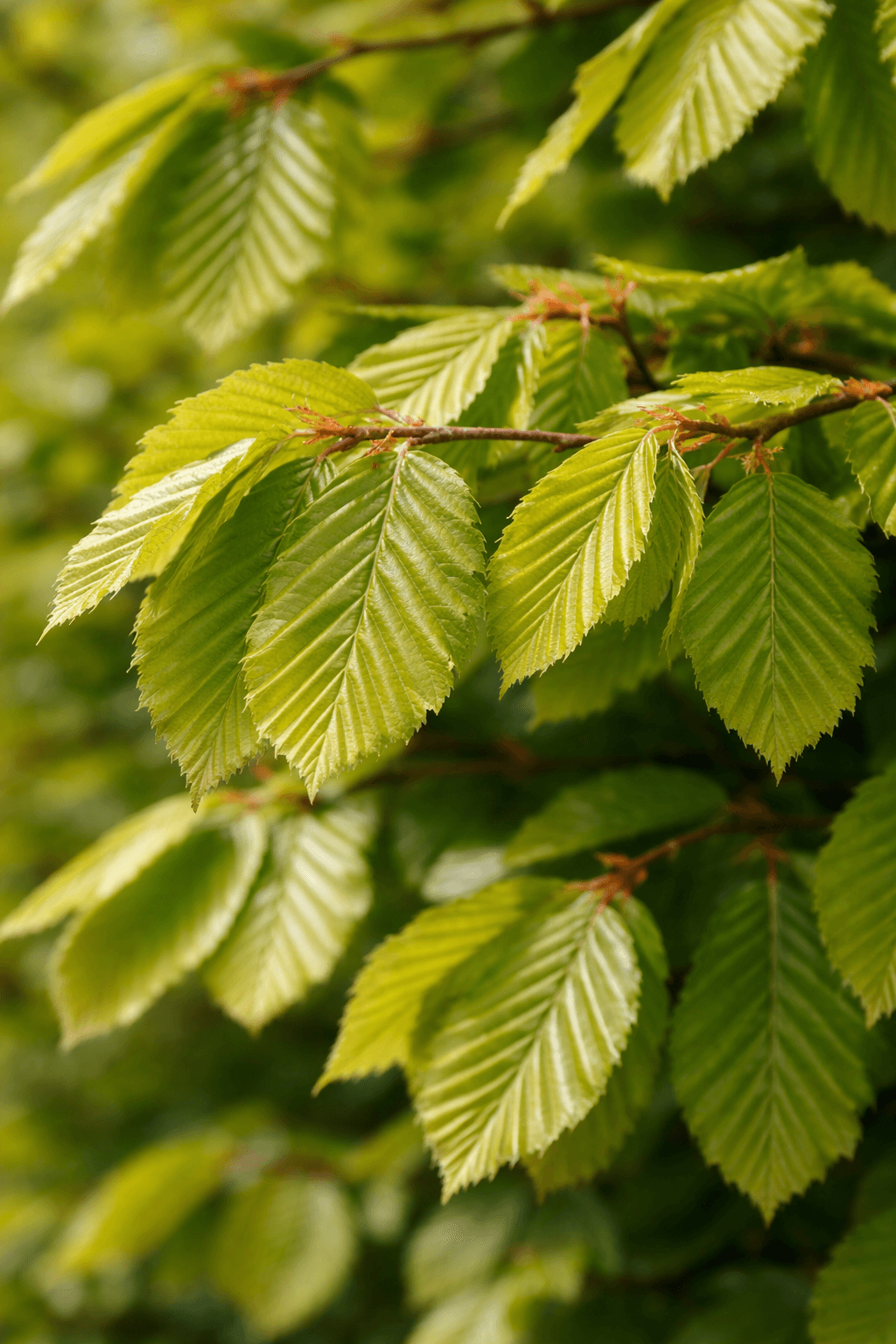
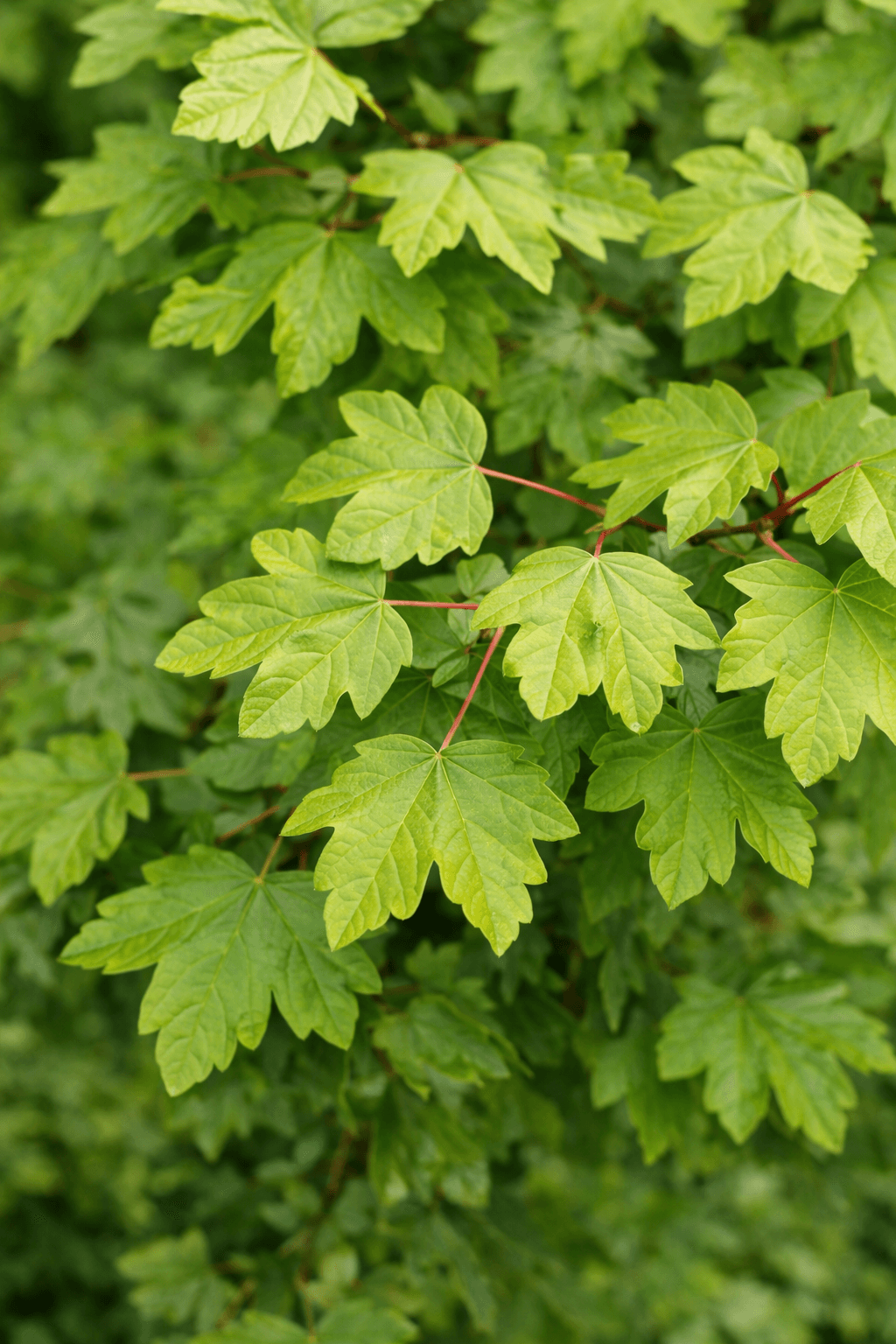
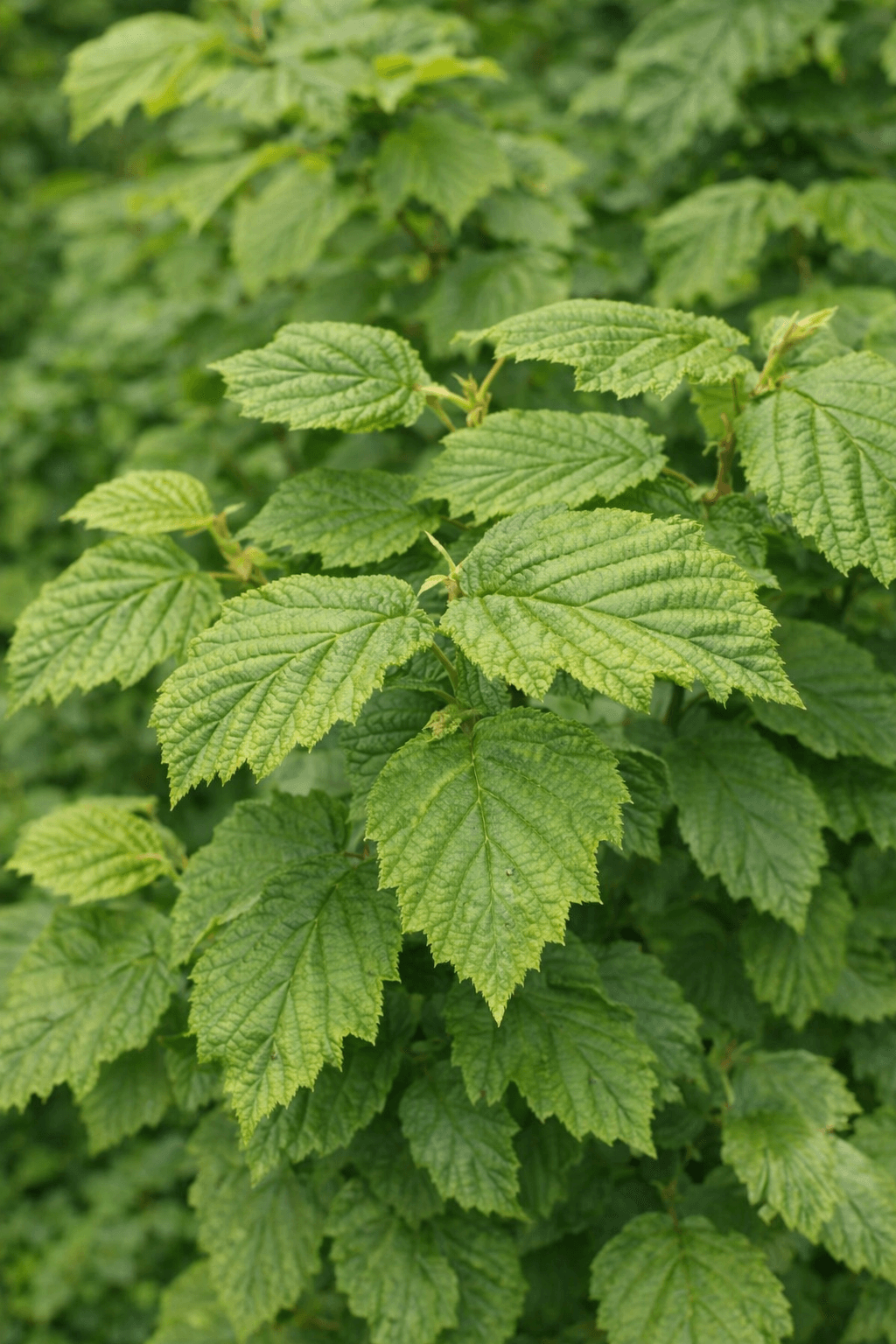
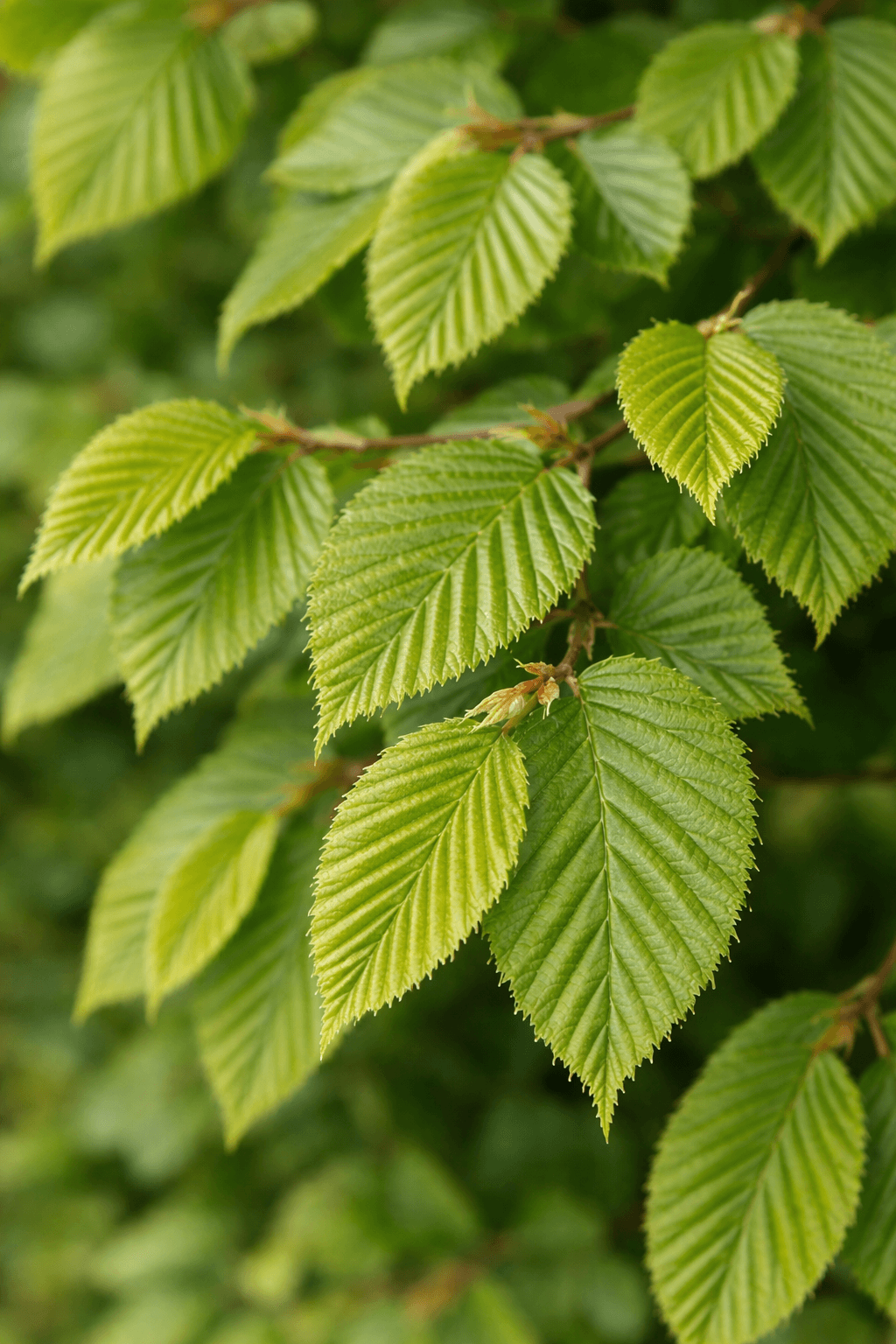
| Plant | Why It Works Near Roads | Notes for Buckinghamshire Clay | Common Pitfalls |
|---|---|---|---|
| Beech (Fagus sylvatica) | Retains dry leaves through winter, providing useful seasonal privacy without the bulk of evergreen hedging. | Prefers slightly freer drainage than hornbeam. Avoid the wettest clay pockets or improve soil structure before planting. | Planting in persistently waterlogged clay, leading to root stress. Sudden exposure of shaded trunks to full sun, causing bark scorch. Heavy pruning into old wood, from which recovery can be slow. |
| Field maple (Acer campestre) | Wind tolerant with a naturally branching habit, making it well suited to informal roadside screening. | Handles clay soils well once established. Improve planting trenches with organic matter to support early root growth. | Pruning in late winter or spring, which can cause excessive sap bleed. Neglecting young plants during dry spells. Planting into heavily compacted clay without soil improvement. |
| Hazel (Corylus avellana) | Naturally multi-stemmed and dense, providing soft, informal screening well suited to wider roadside gardens. | Tolerates clay soils once established. Performs best where soil preparation is thorough and space allows for natural spread. | Allowing unchecked basal growth, leading to congested or untidy plants. Ignoring mildew in shaded, humid sites. Cutting back hard without a considered coppicing or renewal plan. |
| Hornbeam (Carpinus betulus) | Forms dense, layered screening that filters views and movement without creating a harsh boundary. | Exceptionally tolerant of heavy clay and soil compaction. A reliable choice for exposed or roadside boundaries. | Planting young hedges without staking in exposed sites. Allowing surface soil to dry and crack in summer without mulching. Misinterpreting minor leaf spotting as a serious problem. |
Climbers and vertical planting
Where space is limited or soil along the boundary is compacted or shallow, vertical planting offers an effective solution. Climbers allow greenery to rise quickly without occupying valuable ground space, making them ideal for fences, walls and narrow roadside edges.
In exposed Buckinghamshire locations, climbers perform best when paired with supportive structures and, where possible, evergreen planting behind them. This ensures that privacy is maintained year-round while allowing seasonal interest and faster coverage during the growing months.
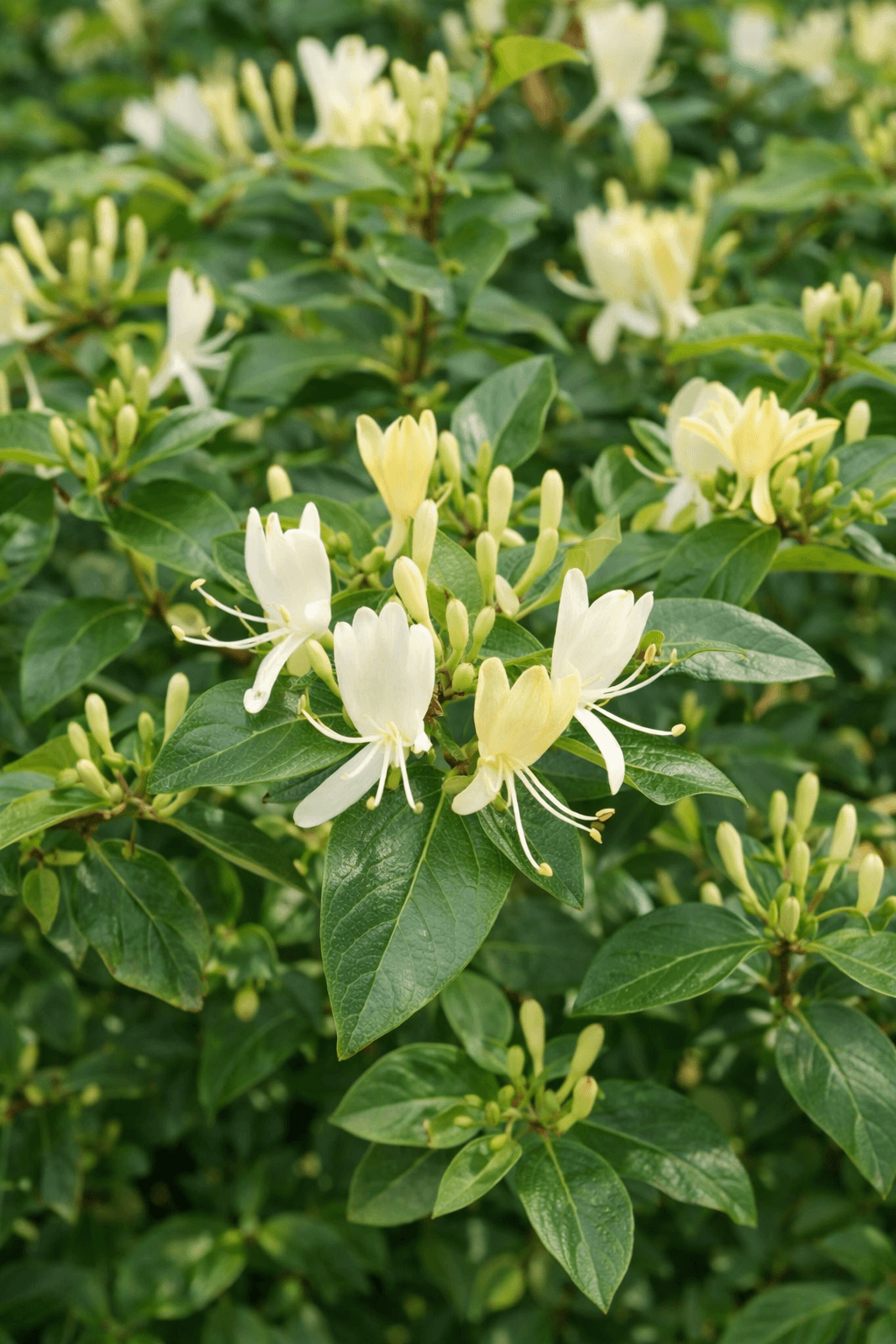
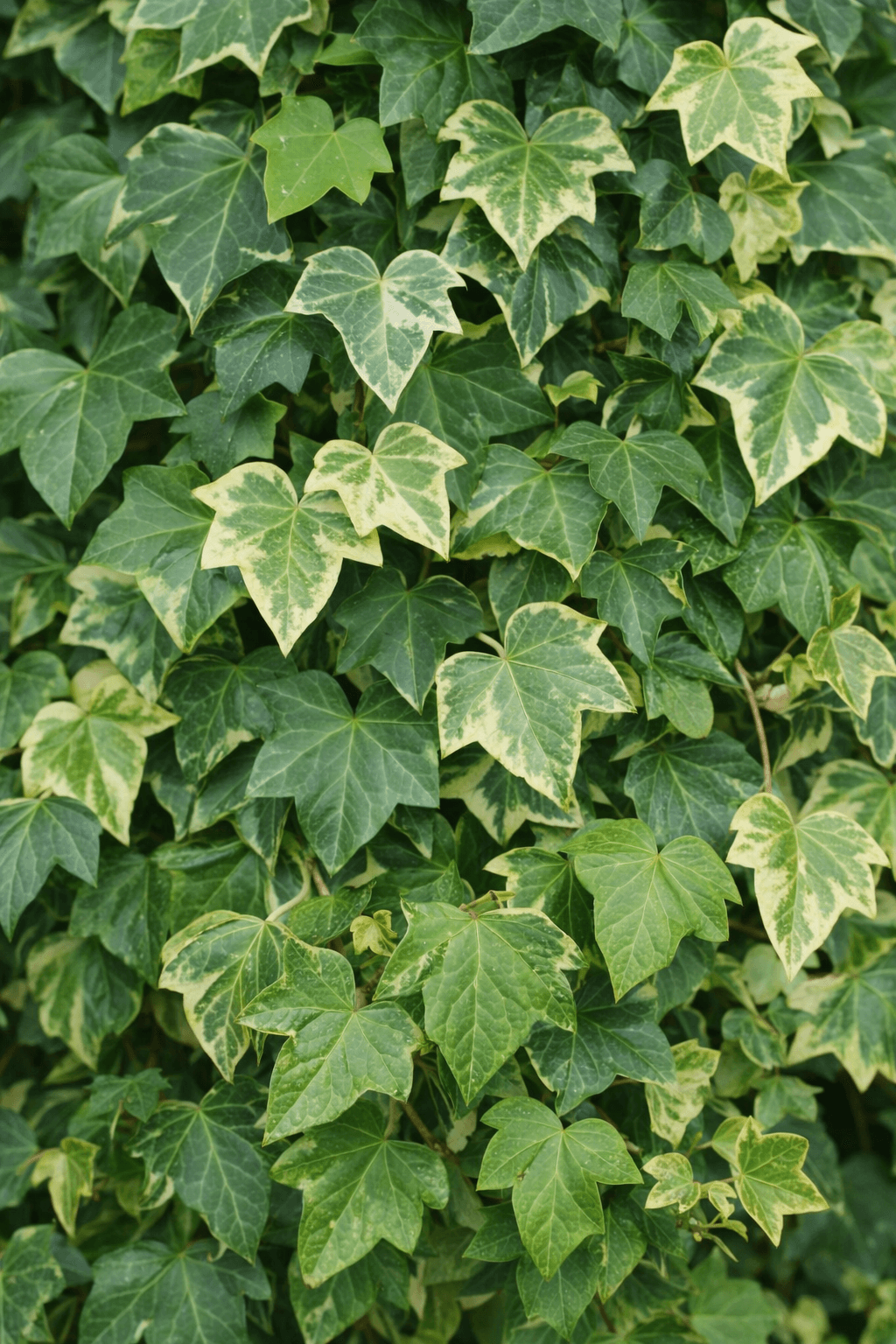
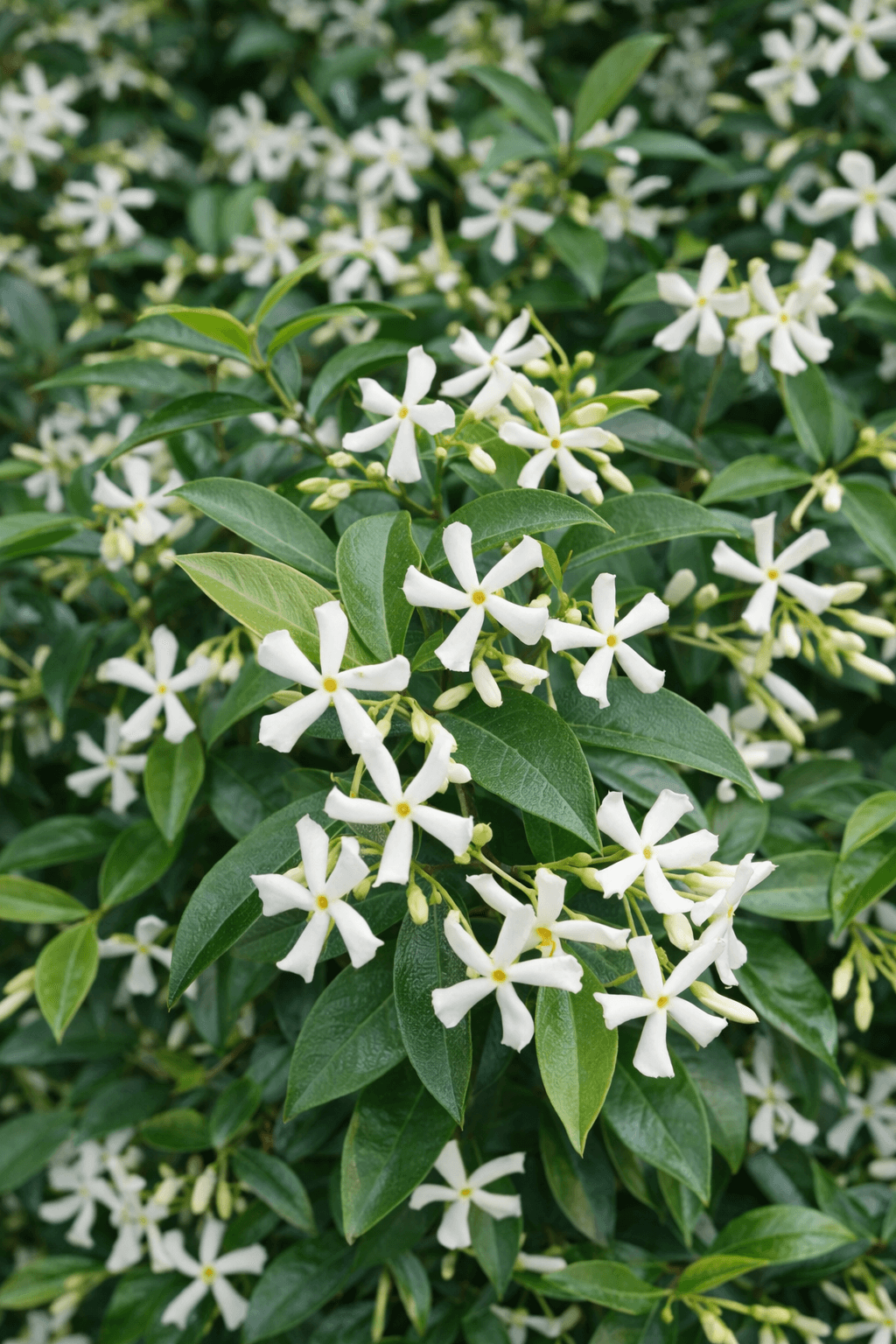
| Plant | Why It Works Near Roads | Notes for Buckinghamshire Clay | Common Pitfalls |
|---|---|---|---|
| Honeysuckle (Lonicera henryi) | Semi-evergreen foliage keeps useful winter cover and softens fences and trellis without the rampant habit of its Japanese cousin. | Tolerant of clay once established. Improve the planting pocket with organic matter and water regularly for the first two growing seasons. | Still needs an annual prune to stay tidy. Can grow bare at the base over time, so combine with lower planting in front. Avoid deep shade for the best cover. |
| Ivy (Hedera helix cultivars) | Exceptionally resilient and reliable, coping well with wind, pollution, shade, and exposed roadside conditions. | Thrives on heavy clay and compacted soils. Slower-growing cultivars are preferable for long-term garden use. | Requires regular management to prevent spread into gutters, roofs, or neighbouring planting. Avoid very vigorous cultivars in small spaces. |
| Star jasmine (Trachelospermum jasminoides) | Evergreen climber with a refined appearance and highly fragrant summer flowers, suitable for sheltered roadside boundaries. | Prefers improved drainage and a warm, sheltered position. Best planted against a wall or fence where reflected heat offers protection. | Young plants are vulnerable to frost in colder winters. Poor flowering in deep shade. Requires sturdy support from the outset. |
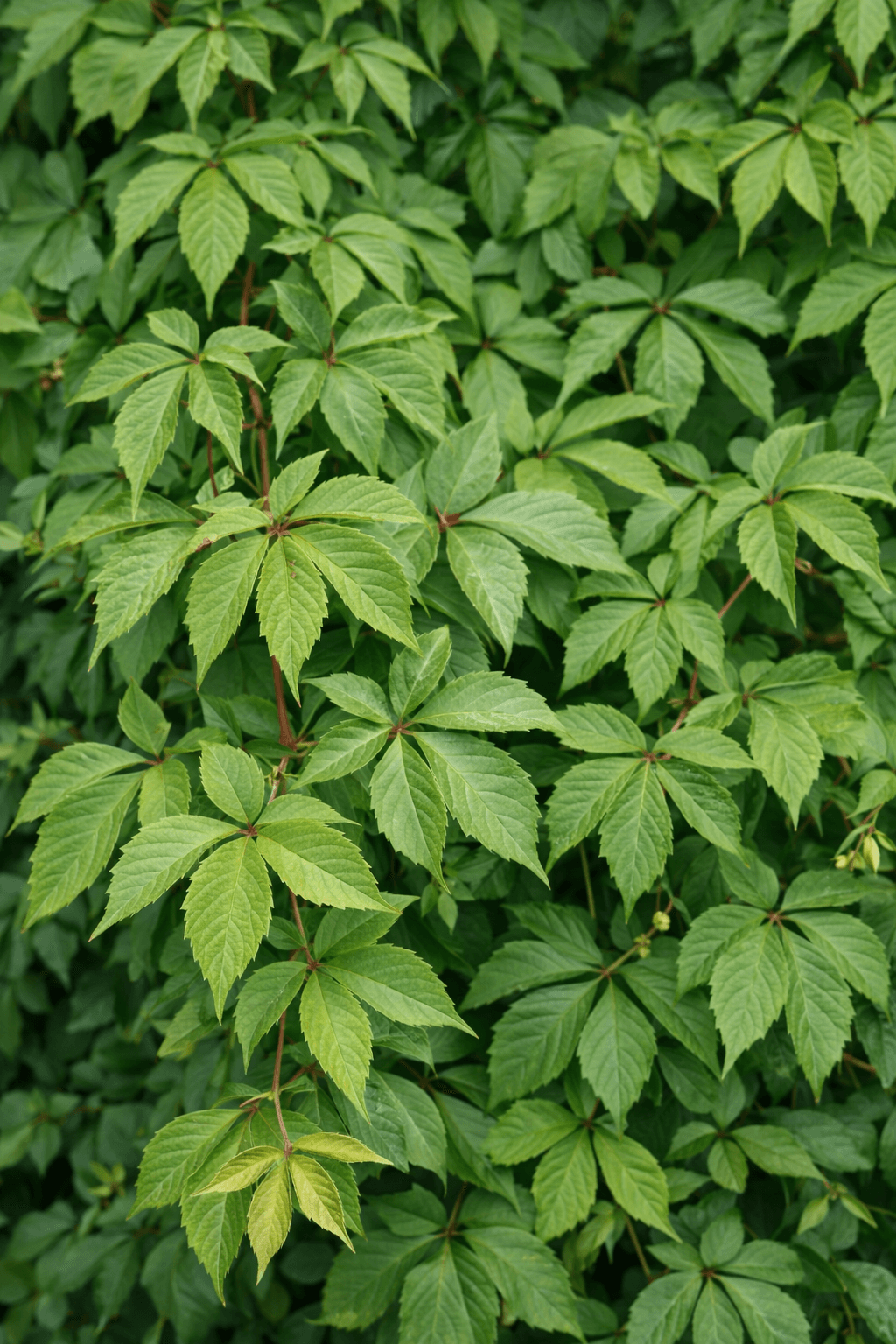
| Chinese Virginia creeper (Parthenocissus henryana) | Quick, self-clinging coverage with silver veined foliage and rich autumn colour, at a fraction of the vigour of common Virginia creeper. | Happy on clay where drainage is reasonable. Appreciates a little shelter and colours well even on a shadier boundary. | Deciduous, so combine with evergreen planting for year-round screening. Self-clinging pads can mark painted or rendered surfaces. Check it annually to keep it clear of gutters. |
You may notice two familiar names missing from this table. We no longer recommend common Virginia creeper (Parthenocissus quinquefolia) or Japanese honeysuckle (Lonicera japonica) for boundary screening. Virginia creeper is listed on Schedule 9 of the Wildlife and Countryside Act boundaries are precisely where escaped garden plants end up colonising verges and hedgerows. Japanese honeysuckle is listed as invasive in Northern Ireland and is vigorous enough to need constant control here too. With better behaved alternatives available, there is no good reason to plant either beside a road.
Turning planting advice into effective roadside screening
Successful privacy screening near busy roads depends on more than simply choosing the right plants. In Buckinghamshire gardens, particularly those bordering A-roads or exposed village routes, long-term results rely on careful preparation and thoughtful layering.
The most effective roadside screening schemes consistently address the following areas.
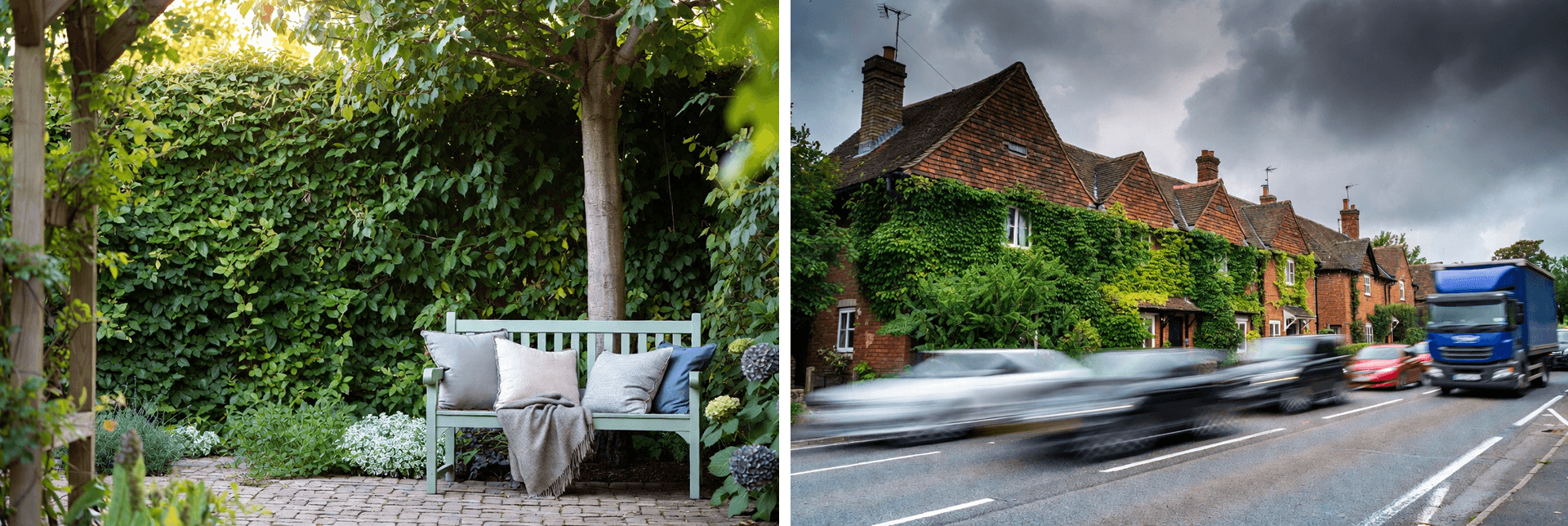
Thoughtful layering of planting and vertical greenery can transform exposed roadside gardens into calm, usable spaces. Living walls are particularly effective where space or soil conditions are limited. This is an area Vivid Gardens specialises in through bespoke outdoor living wall design.
1. Soil preparation matters more beside roads
Roadside planting failures are often linked to soil condition rather than plant choice. Compacted clay near roads sheds water, dries unevenly and restricts root growth, particularly in exposed conditions.
Clay and waterlogging are not the same problem, and it is worth separating them before choosing plants. A simple test tells you most of what you need to know. Dig a planting hole after heavy rain and see whether water is still standing in it hours later. If it is, improve drainage or plant on a slightly raised ridge before committing yew or any other drainage sensitive evergreen to that spot. If it drains, most of the plants in this guide will cope with the clay itself once it is properly prepared.
Key considerations include:
Relieving compaction before planting Loosen soil to at least spade depth to allow roots to penetrate and drain properly.
Improving soil structure, not just fertility Incorporate generous amounts of well-rotted organic matter to improve aeration and moisture balance.
Using raised or mounded planting where clay is heavy Slightly raised planting or low mounding can significantly improve establishment on difficult sites.
Maintaining consistent early watering Wind and reflected heat can dry plants quickly, even where clay appears moist, so regular watering during the first two growing seasons is essential.
2. Structural screening and layered boundaries
Planting alone rarely delivers immediate privacy in exposed roadside gardens. Structural elements provide instant separation from traffic, while planting softens and integrates the boundary over time.
Effective layered boundaries typically involve:
Immediate visual screening at boundary level Close-board fencing offers quick results and reduces visual movement from passing traffic.
Introducing height without heaviness Trellis or open frameworks above fences extend screening while avoiding a boxed-in feel.
Softening structure with planting Climbers or pleached trees help blend hard elements into the garden and create depth.
Sharing wind load across layers Layered boundaries are more resilient, reducing stress on individual plants and structures in exposed sites.
3. Living walls for space-limited or compacted boundaries
Where ground space is tight or soil conditions are particularly poor, vertical planting systems offer an effective alternative to traditional screening.
Living walls are particularly useful when:
Soil depth is shallow or heavily compacted Common beside pavements, driveways and retaining walls.
Ground space is limited Vertical planting provides privacy without reducing usable garden area.
Immediate visual softening is needed Greenery at eye level can transform harsh boundaries quickly.
Year-round structure is important When designed with suitable irrigation and robust plant choices, living walls perform reliably even in exposed roadside positions.
When properly designed with suitable irrigation and robust plant choices, living walls can perform reliably even in exposed roadside positions and provide year-round structure where traditional planting would struggle.
When is planting not enough?
Sometimes the honest advice is that planting cannot solve the problem on its own. If the road sits higher than the garden, if traffic is visible over the top of an existing fence, if the border is too narrow for a hedge to reach maturity, or if noise rather than overlooking is the real complaint, structure has to do the heavy lifting. That might mean a taller close boarded fence with trellis above it, pleached trees to lift the screen where the boundary cannot move, or a living wall where there is no usable soil at all. Recognising this early saves money. A hedge that was never going to fix the problem is an expensive way to find out.
Practical principles for successful roadside screening
Effective privacy screening near busy roads is rarely about a single decision. The most successful Buckinghamshire gardens rely on a small set of principles applied consistently, from layout and plant choice through to long-term care.
The table below brings these principles together and shows how each one contributes to a calmer, more resilient garden edge.
| Principle | Why It Matters | How to Apply It in Buckinghamshire Gardens |
|---|---|---|
| Allow space for mature size | Overcrowding leads to stress, disease, and constant maintenance. | Plan for final height and spread from the outset to avoid heavy pruning and neighbour issues later. |
| Choose plants tolerant of wind, pollution, and clay | Roadside conditions place extra stress on foliage and roots. | Select proven performers for exposed sites and prepare soil carefully to support early establishment. |
| Combine instant screening with long-term planting | Immediate privacy improves usability while planting matures. | Use fencing, trellis, or pleached trees early, allowing hedges and climbers to develop naturally over time. |
| Invest in thorough soil preparation | Compacted clay restricts drainage and root growth, especially near roads. | Loosen soil deeply, add organic matter, and consider slight mounding to improve drainage and aeration. |
| Layer solutions rather than relying on one element | Single hedges or fences rarely provide enough visual or acoustic softening on their own. | Combine fencing, evergreen structure, and softer planting to absorb movement, wind, and noise more effectively. |
| Place evergreen structure closest to the road | Evergreens provide year-round screening and reduce constant visual movement. | Position yew, holly, or laurel along the boundary, then layer softer planting in front to avoid a harsh edge. |
If you take one thing from this table, take this. Layered boundaries built on properly prepared soil outlast any single quick fix, on any road in the county.
Frequently asked questions
Can a hedge reduce traffic noise? Not meaningfully on its own. Research suggests planting needs to be tens of metres deep to cut noise by a clearly noticeable amount. What a dense hedge does well is hide moving traffic, which makes the remaining sound feel far less intrusive.
What is the best evergreen hedge beside a busy road in Buckinghamshire? Yew, where drainage is reasonable, gives the calmest and densest structure. Holly is the toughest all-rounder for exposed boundaries. Portuguese laurel suits gardens wanting a softer, less formal evergreen line.
How do I create privacy above an existing fence? Trellis or an open framework fixed above the fence with climbers trained through it, or pleached trees planted behind it. Both lift the screen to first-floor sightlines without the bulk of a full-height hedge.
How long does a privacy hedge take to establish? Typically three to five growing seasons to form a solid screen, depending on the species, the size planted and how well the soil was prepared. Larger or instant hedging shortens the wait considerably at a higher cost.
What screening works on heavy clay soil? Hornbeam and field maple are the standout clay performers. Holly copes well once established, and yew works where drainage is sound. Whatever you choose, soil preparation matters as much as the plant.
What is the quickest way to get privacy in a new garden? Put structure in first. A close boarded fence or trellis gives privacy on day one, then hedging and climbers planted behind it take over as they mature, softening the boundary year by year.
Does this advice apply outside Buckinghamshire? Yes. The guide focuses on Buckinghamshire because that is where we are based, but the same chalk and clay conditions and the same roadside pressures run right across the Home Counties. Gardeners on busy roads in Berkshire, Oxfordshire and Hertfordshire can use the same layered approach, adjusting the plant choices to their exact soil and exposure.
A considered, long-term approach
Thoughtful screening consistently outperforms quick fixes. When soil conditions, planting choices, structure and overall layout are considered together, the results feel natural, durable and far more satisfying to live with.
For gardens affected by traffic noise or overlooking, a design-led approach ensures screening works not only as a barrier, but as an integral part of a cohesive, usable garden. Carefully planned boundaries mature into calm, attractive features that enhance everyday enjoyment rather than simply solving a single problem.
At Vivid Gardens, screening is always approached as part of the wider garden design. The plant choices in this guide reflect what our founder Erika Meh, a horticulturist with a Master's degree in Ornamental Horticulture and more than twenty years of experience, has found dependable across the clay soils and exposed sites common in this part of the county. This includes traditional hedging and layered planting, as well as bespoke living walls, which can be particularly effective where space is limited or soil conditions are challenging along roadside boundaries. By tailoring solutions to the site and how the garden is used, screening becomes something that adds value, beauty and long-term resilience, not just privacy.
Roadside screening is rarely just a planting decision. The right answer depends on how close the garden sits to the road, the existing boundary, the planting depth available, the soil, the overlooking and how quickly privacy is needed. We work with roadside gardens across Buckinghamshire, Berkshire, Oxfordshire and Hertfordshire, and the same principles apply wherever the road meets the clay. If you would like those factors assessed properly, an initial conversation costs nothing and will tell you what is realistic before any money is spent.
Where to go next
The articles below go deeper into resilient planting, pollinator-friendly choices, and practical design ideas for real gardens.
| Article | Best for | Who it suits |
|---|---|---|
|
|
Understanding why screening often struggles in compacted clay or shallow subsoil, especially on newer plots or disturbed ground | Anyone planning privacy planting where poor soil, drainage problems, or construction-compacted ground may affect long-term success |
| Choosing screening plants that can cope better with winter wet, summer dry spells, and exposed roadside conditions | Gardeners who want privacy planting to be more robust where weather swings and site exposure can cause repeated setbacks | |
| Seeing how layered hedges and mixed boundary planting double as valuable habitat while they screen a garden | Readers who want their privacy planting to support hedgehogs, birds and pollinators as well as block unwanted views |