
Climate-Resilient Plants: Top Choices for UK Gardens Facing Floods and Droughts

If a border turns soggy in winter and then bakes hard in summer, this is written for that pattern. The aim is to help pick plants that cope with winter wet, short dry spells and summer heat. A useful order is water first, soil second, plants third.
Leading botanical experts demonstrate practical solutions. The Royal Botanic Gardens Kew opened their Carbon Garden in 2025 to showcase how plants and fungi help combat climate change through carbon storage and adaptation to tougher conditions. This space features thousands of plants and dozens of trees chosen for heat, heavy rain, and alternating wet and dry spells. For a home garden, the take is simple. Choices that cope with wet then dry tend to be a safer bet than choices that only suit one end of the scale, as shown in Kew’s Carbon Garden press notes.
The Reality of Extreme Weather in UK Gardens
UK weather increasingly brings intense rainfall that causes temporary flooding or lingering sogginess, alternating with summer heat that dries the ground hard and tests water reserves. Heavy clay soils highlight this challenge most clearly. Excess water lingers at the surface after downpours, risking root rot. Then the ground bakes hard and cracks, restricting access to deeper moisture. Before you buy plants, do one quick check after rain. If puddles still sit after 24 to 48 hours, treat it as drainage first. If water only gathers in one corner, it may be runoff from paths or downpipes. The Met Office notes that days of intense and prolonged rainfall are likely to increase with warming, which is why planning for swings can matter as much as planning for averages.
Strengthening Heavy Clay Soils for Better Resilience
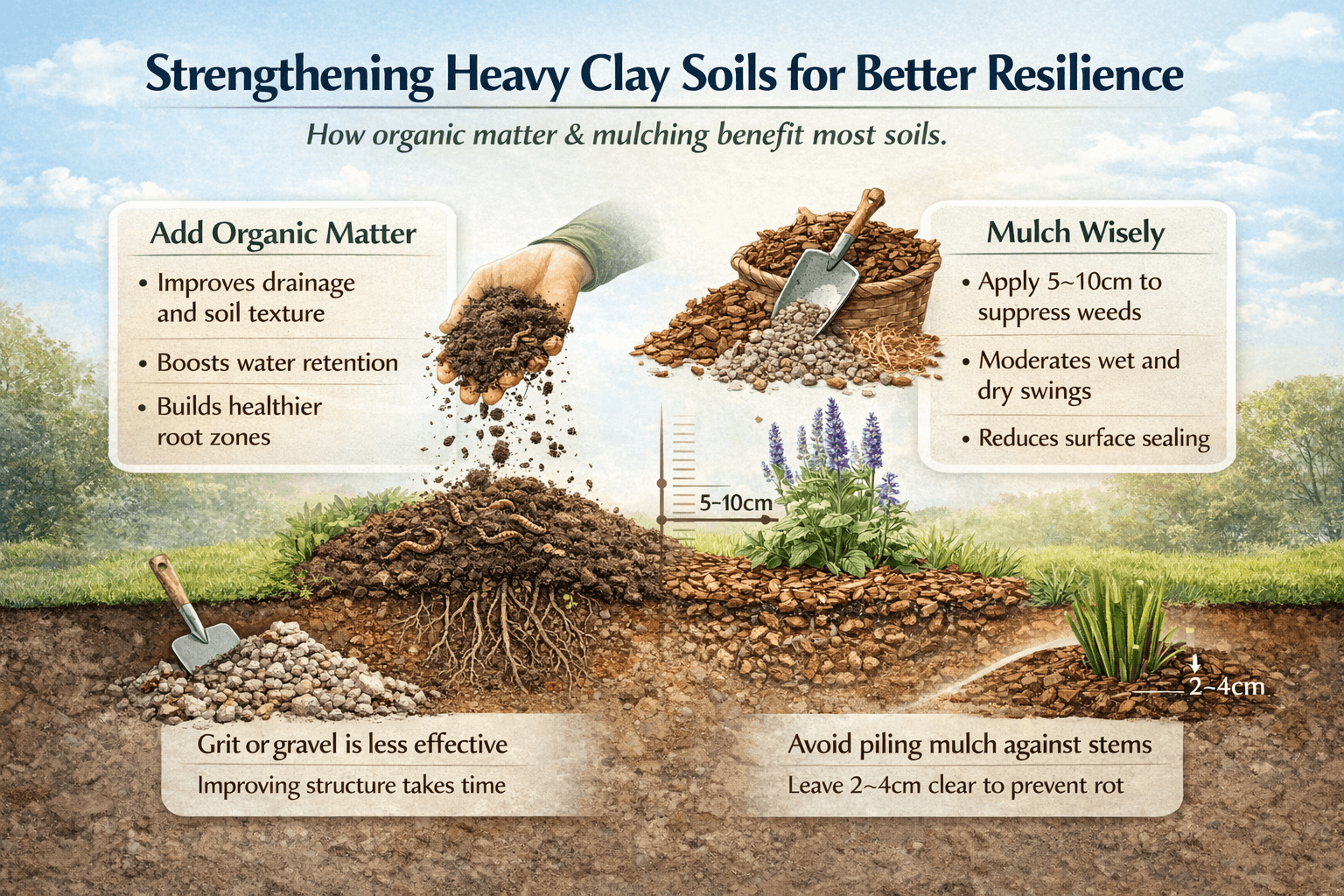
On clay the gain is structure and drainage rather than extra moisture. On lighter soils the same additions work the other way and help hold water through summer heat.
The good news is that straightforward improvements benefit almost all soils. Adding organic matter and mulching can improve drainage where it is poor, boost water retention on freer draining types, and build resilience against extremes. These steps create healthier root environments, reduce stress on plants during wet or dry spells, and gradually improve structure without heavy intervention. One common pitfall on clay is adding grit or gravel expecting a quick drainage fix. In many cases it takes far more material than people expect, so improving structure and avoiding compaction is usually the better first move.
Mulching plays a key role across all soil types. Apply 5 to 10cm of bark chips, gravel, strulch, or composted material around plants to suppress weeds, moderate temperature swings, and protect the surface from heavy rain. In summer heat it slows evaporation and keeps the root zone cooler. In winter it helps prevent surface sealing and erosion. Keep mulch a few centimetres back from stems and crowns, since mulch sitting wet against growth points can increase rot risk, especially if winters stay mild and damp.
Versatile Perennials and Ornamental Grasses
Perennials and grasses provide colour, texture, and movement in borders while demanding little. The strongest performers for variable conditions build extensive roots that tap deep water in drought yet cope with short term saturation. On clay, planting depth matters. Crowns set too low tend to sit wet, and planting into cold, sticky soil often sets plants back.
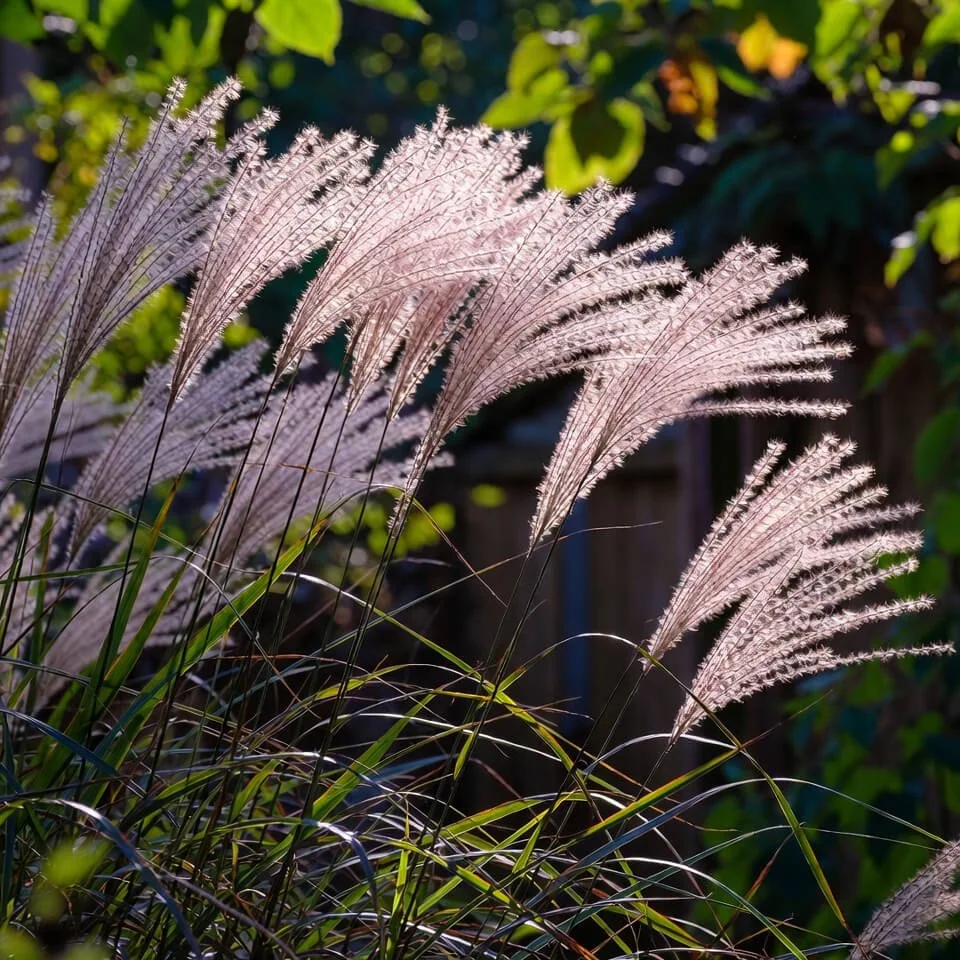
Ornamental grasses excel on clay. Miscanthus varieties deliver tall, graceful plumes and deep fibrous roots that stabilise soil through extremes once settled. Calamagrostis brings upright form that holds interest into winter. Leaving stems standing through winter can help shed water from the crown, then cut back in late winter before new growth starts.
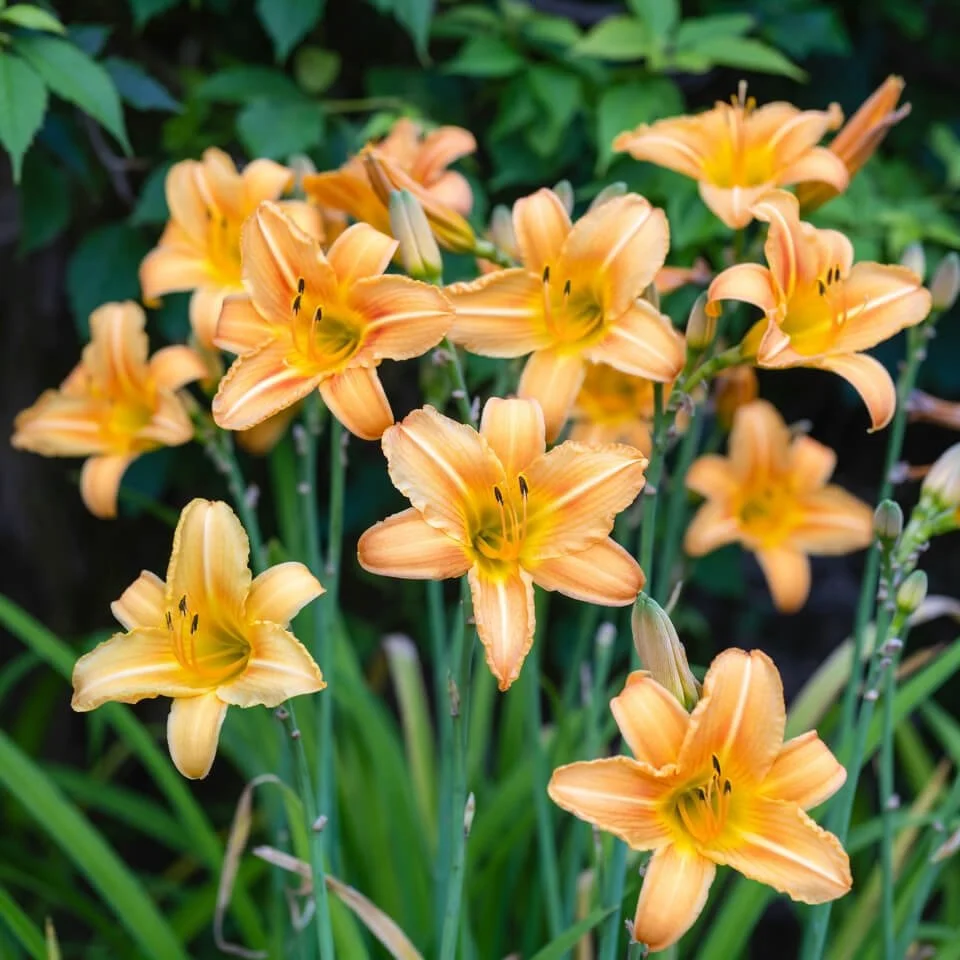
Hardy geraniums prove tough among perennials. Cultivars like Geranium ‘Rozanne’ spread gently and flower over months, coping well in many gardens. Daylilies (Hemerocallis) add bold blooms and strap like leaves, while Iris sibirica offers early colour where moisture levels fluctuate. If plants vanish over winter, check planting depth first, as losses on clay often come from crowns set too deep and staying wet.
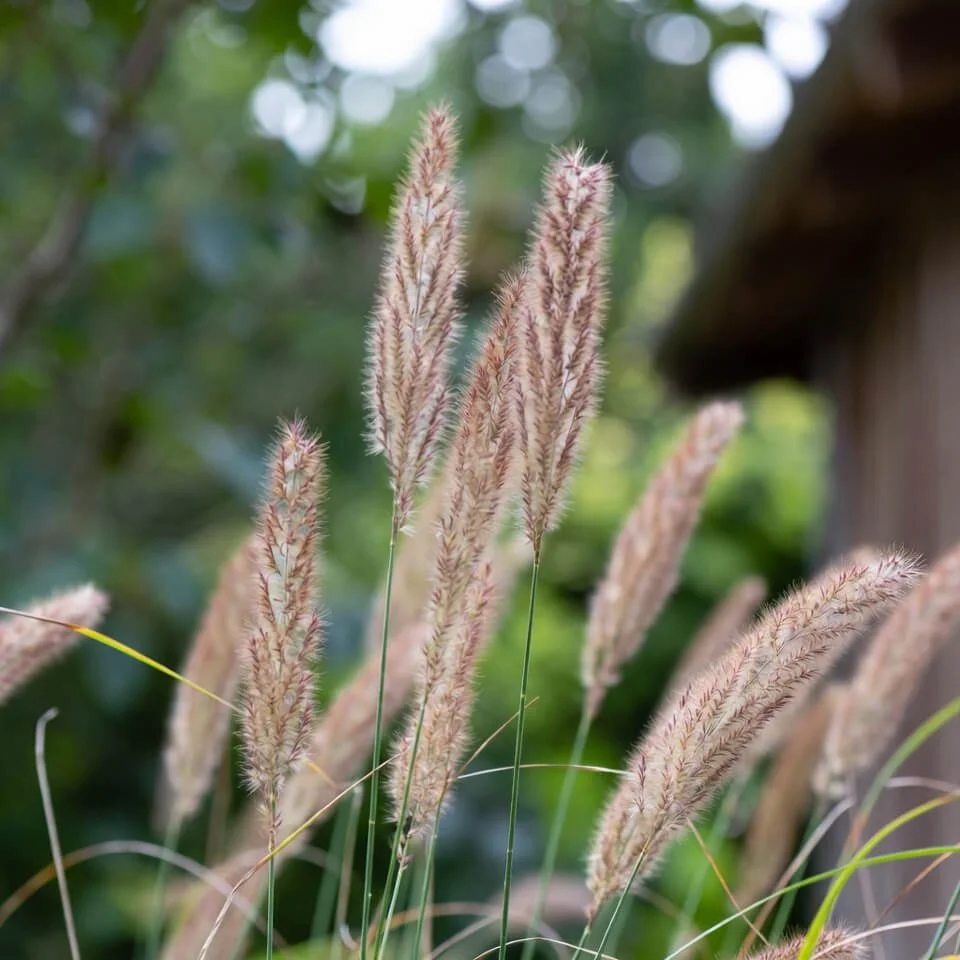
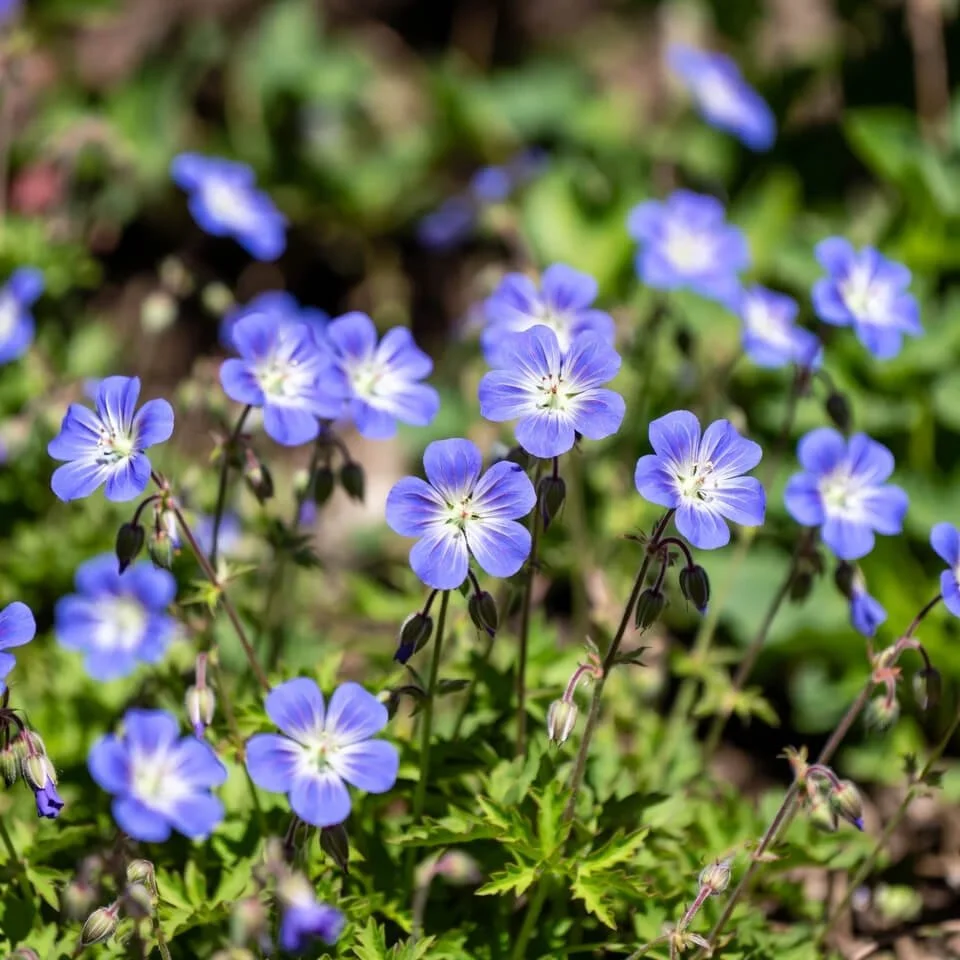
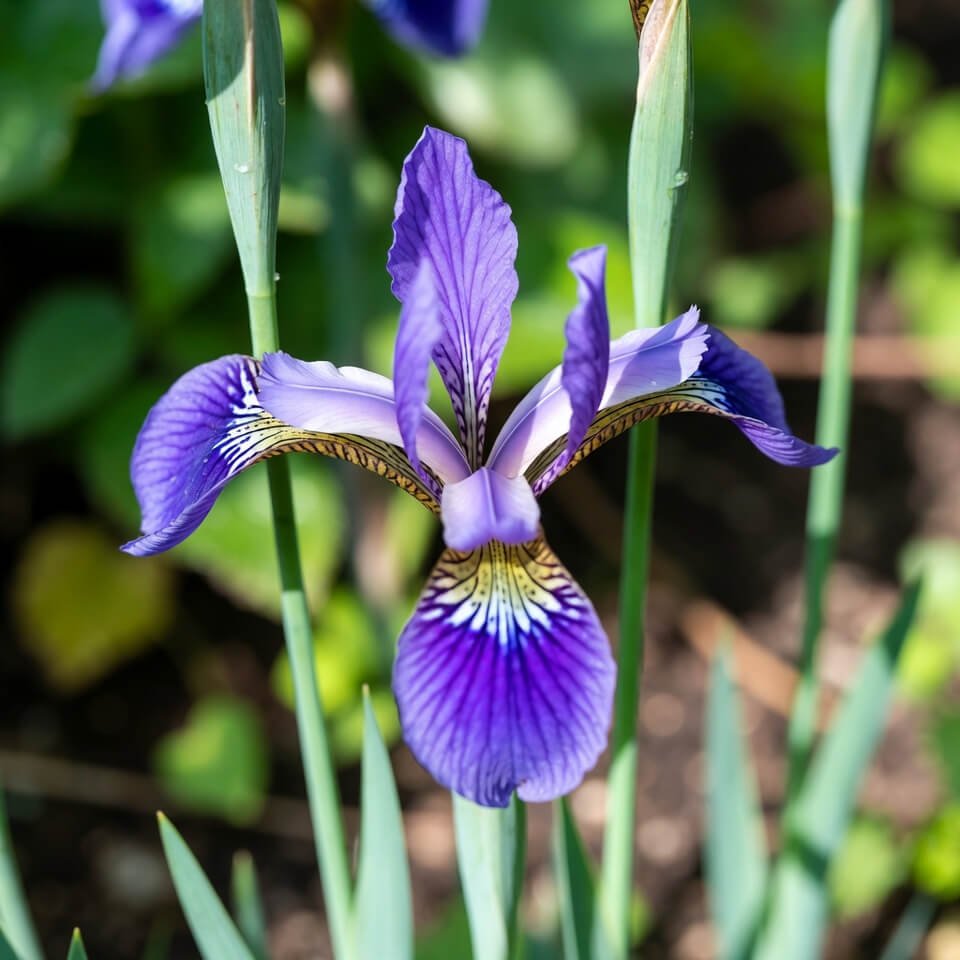
Five resilient perennials and grasses that perform reliably through UK weather extremes, shown here in typical garden settings.
| Plant | Why It’s Resilient | Best Position | UK Soil & Climate Tips |
|---|---|---|---|
| Calamagrostis × acutiflora ‘Karl Foerster’ | Stiff, upright grass with deep fibrous roots that often cope with wet winters and short dry spells once established. | Sunny open borders | Handles fluctuating moisture well. Leave standing over winter and cut back in late winter. |
| Geranium ‘Rozanne’ (hardy cranesbill) | Spreading roots and tough foliage tend to recover well after wet winters and summer dryness in many gardens. | Sun or light shade | Often reliable on heavier soils once established. Cut back after flowering flushes to encourage fresh growth. |
| Hemerocallis hybrids (daylilies) | Thick, fleshy roots store water and can cope with drought and brief periods of poor drainage once established. | Sunny or lightly shaded borders | Avoid planting crowns too deep on heavy soil. Water during the first growing season to establish well. |
| Iris sibirica | Naturally adapted to damp soils yet resilient enough to manage some summer dryness once established. | Moist borders or beside water features | Divide clumps every few years to maintain vigour. Avoid sites that fully dry out for long periods. |
| Miscanthus sinensis cultivars | Extensive root systems stabilise soil, tolerate winter wet, and access deeper moisture in drought after settling in. | Sunny borders or screening positions | Leave stems for winter structure. Cut back hard in late winter before new growth appears. |
Reliable Shrubs for Year-Round Structure
Shrubs supply lasting backbone, screening, and often wildlife benefits. Choices suited to clay and weather swings typically have robust roots, adaptable growth habits, or flexible wood that helps them cope with fluctuating moisture.
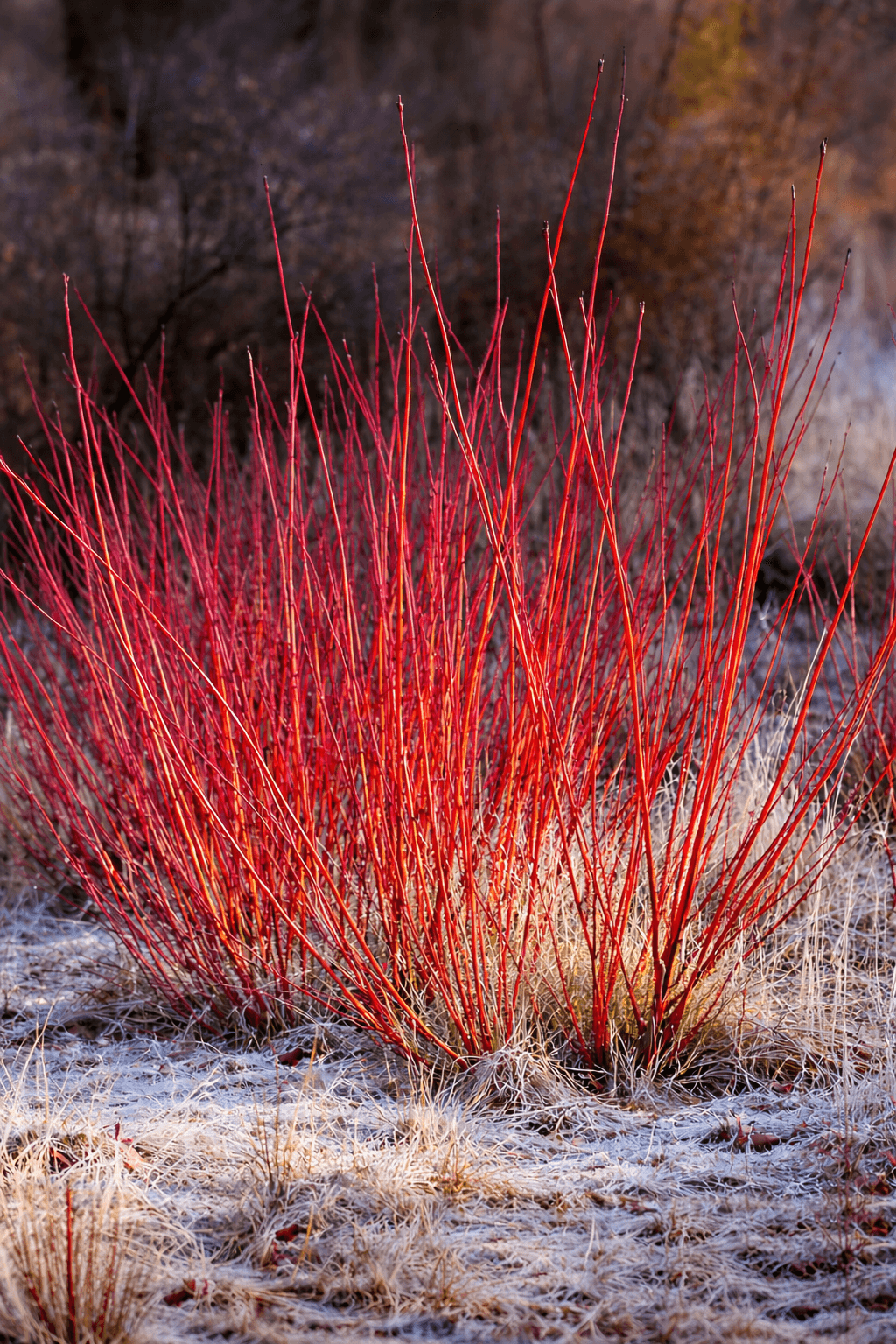
Dogwoods (Cornus alba or Cornus sanguinea cultivars) display vivid winter stems after leaves fall and often cope with temporary waterlogging. Viburnum species, such as Viburnum opulus for berries and wildlife value or Viburnum tinus for evergreen structure and winter flowers, can establish readily on heavy ground when sited well.
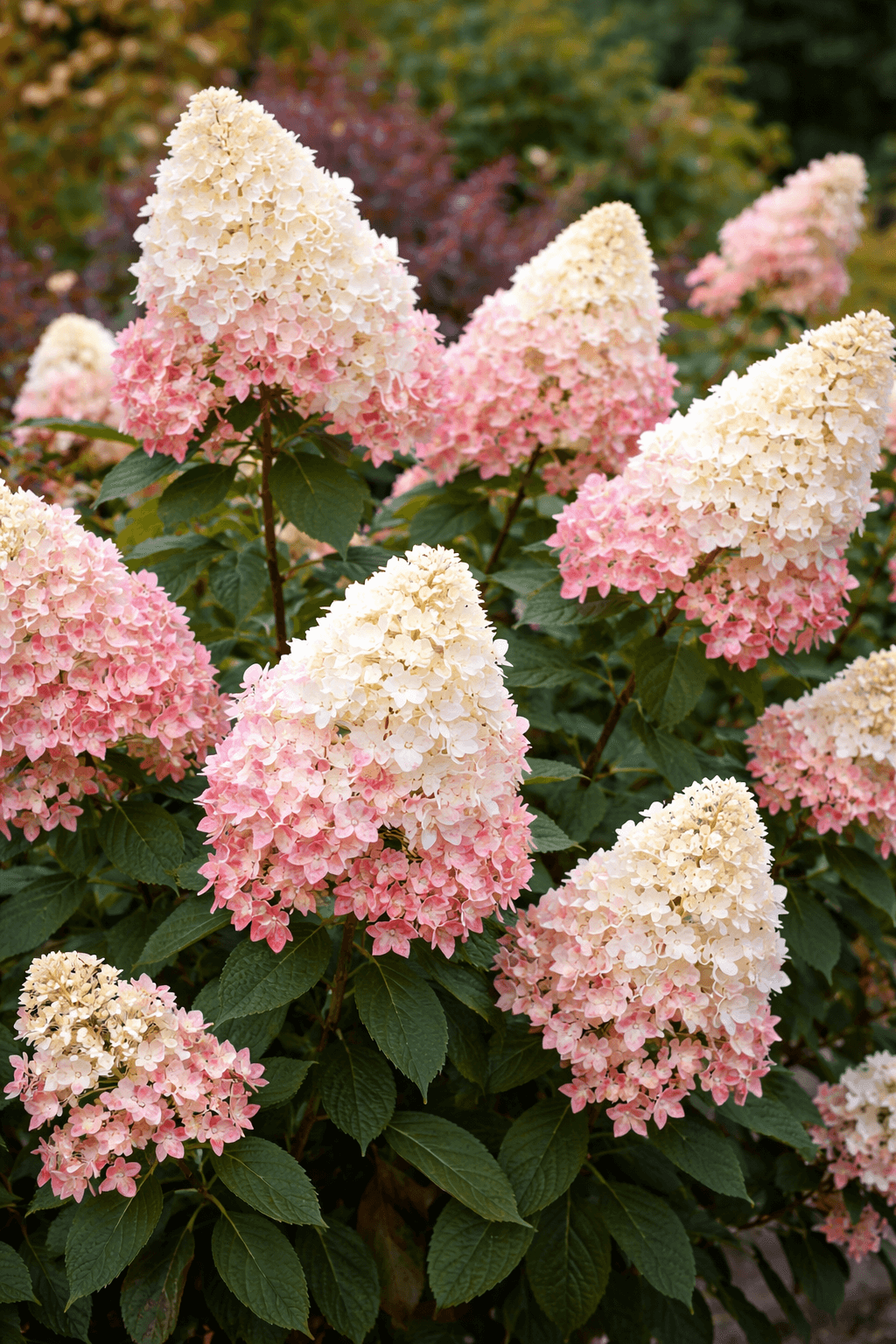
Physocarpus provides colourful foliage in purple or bronze tones and a dense habit that buffers conditions, coping well with poor drainage and often managing short dry spells once established. Rugosa roses offer fragrance, hips, and strong resilience in many gardens, though performance still depends on sun and airflow. Hydrangea paniculata suits larger borders, carrying late summer flower heads that hold into autumn, and usually copes with swings in moisture where drainage is reasonable.
These shrubs require little pruning and deliver habitat value across seasons.
Five tough shrubs offering structure, colour, and wildlife value, pictured in established UK gardens.
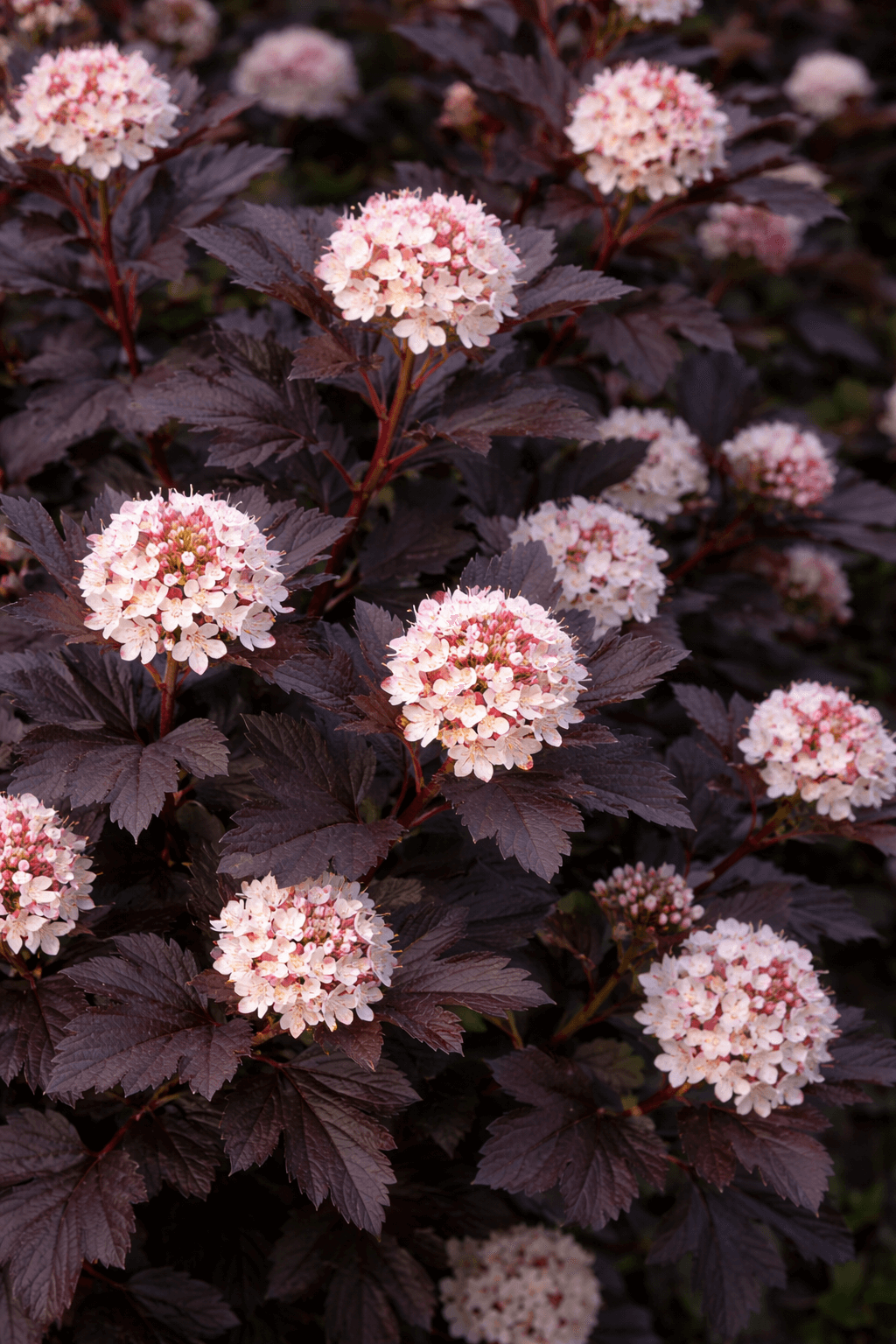
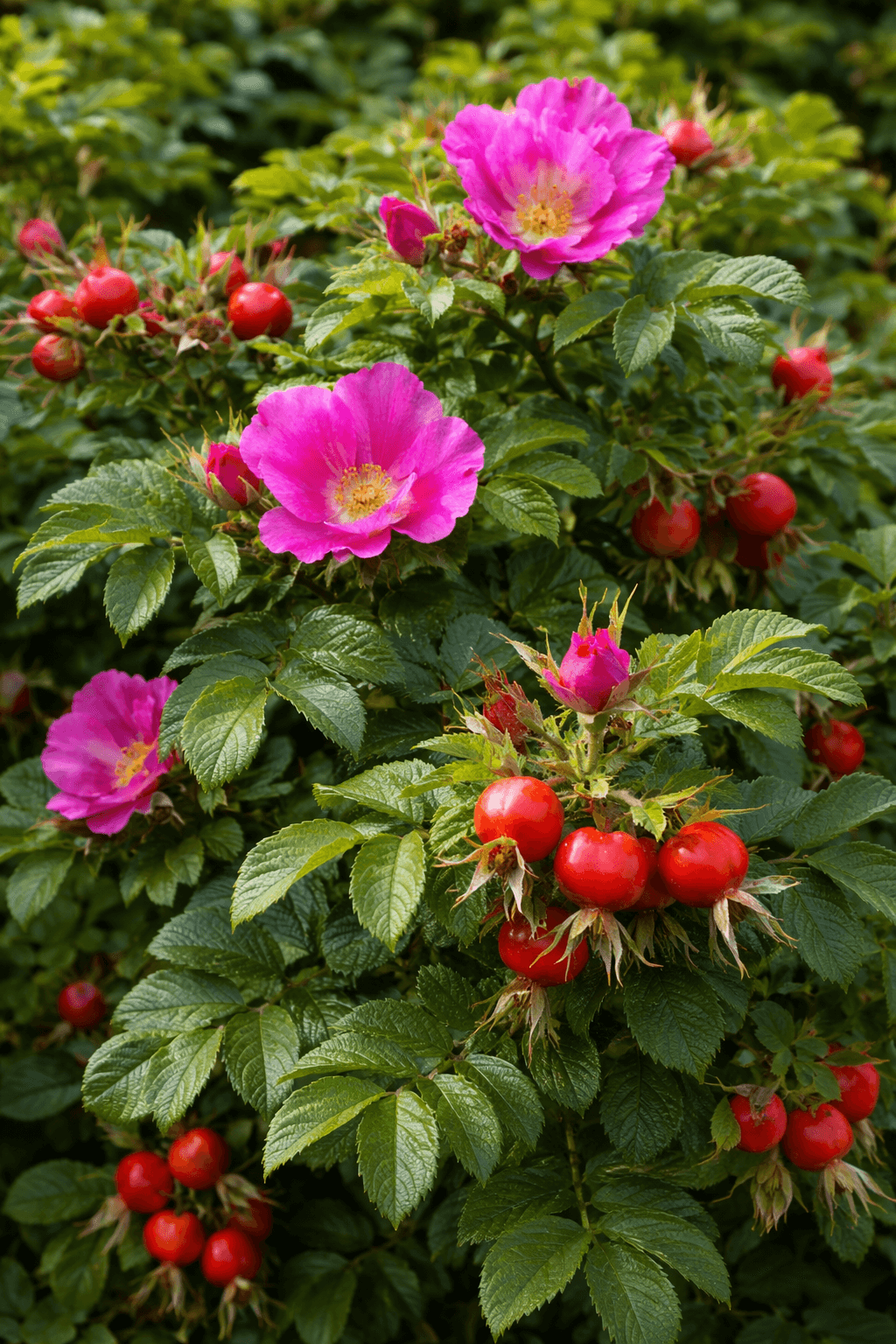
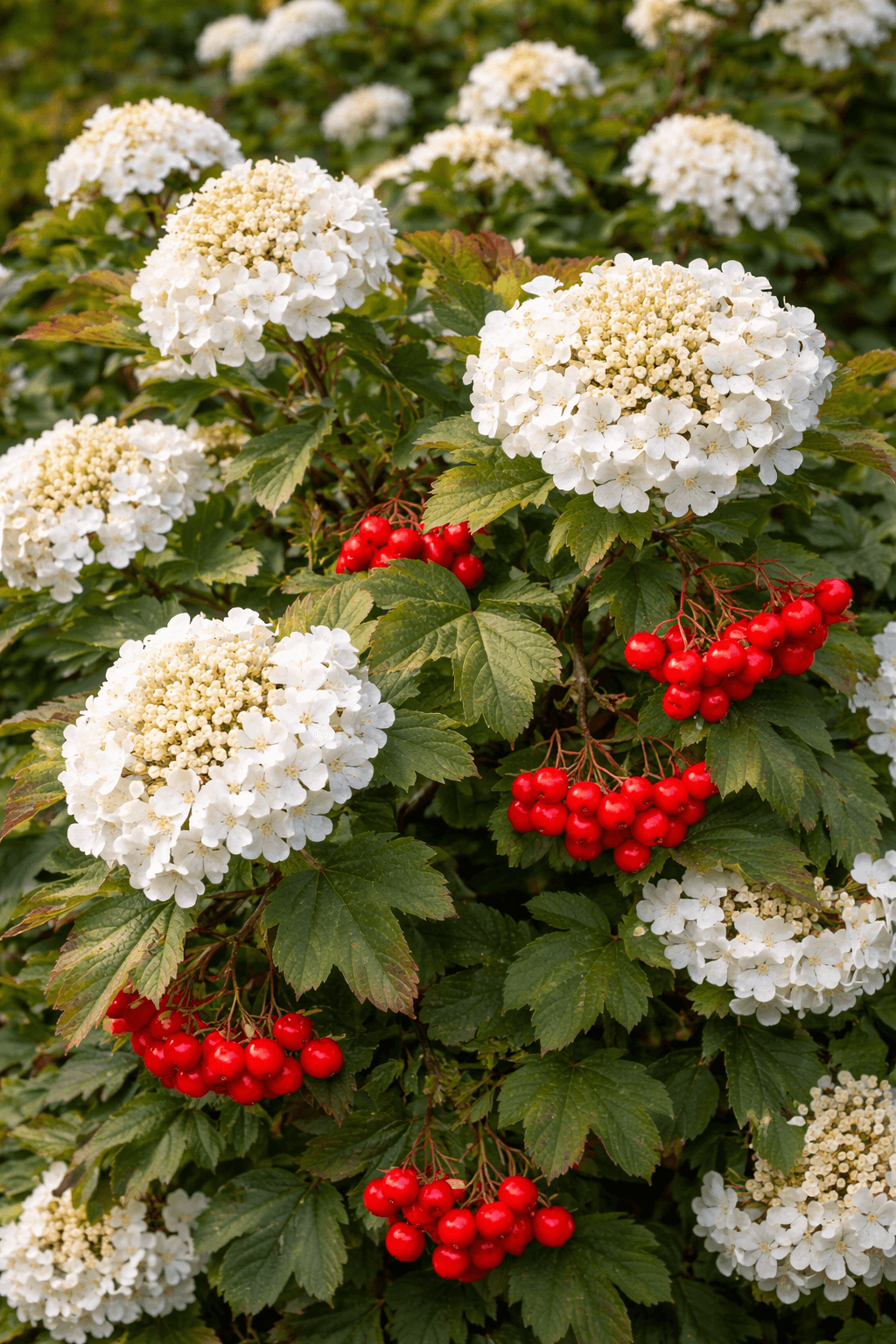
| Plant | Why It’s Resilient | Best Position | UK Soil & Climate Tips |
|---|---|---|---|
| Cornus alba ‘Sibirica’ | Flexible stems and vigorous root growth often help it cope with heavy clay, winter wet, and temporary flooding in many sites. | Sunny or lightly shaded borders | Coppice hard in late winter or early spring for the brightest stem colour. Mulch annually where soils crack in summer. |
| Hydrangea paniculata (cultivars) | Strong, adaptable roots cope well with fluctuating moisture and support late summer flower heads. | Sunny or lightly shaded borders | Can handle wet winters and brief dry spells once established, though prolonged drought can scorch. Mulch helps on lighter soils. |
| Physocarpus opulifolius ‘Diabolo’ | Tough shrub that handles heavier soils and often copes with short dry spells once rooted. | Sunny borders for best foliage colour | Minimal pruning required. Remove older stems occasionally to refresh growth and maintain shape. |
| Rosa rugosa | Deep rooted rose with generally good disease tolerance that can endure wind, salt, and some summer dryness. | Sunny, open positions | Prune lightly in spring if needed. Give space for airflow to reduce mildew pressure in humid spells. |
| Viburnum opulus | Native shrub adapted to heavier soils, coping with damp ground and some summer dryness once established. | Sun or partial shade | Performs best where soil does not fully dry out. Mulch annually to support steady growth and berry production. |
Trees That Withstand Winter Wet and Summer Heat
Even modest gardens gain from selected trees, bringing height, shade, and permanence. Species that accept both wet and dry can reduce common issues on clay, though persistent saturation is a different problem and few trees enjoy roots sitting wet for long stretches. Drought sensitivity can also vary widely by species, as Forest Research sets out in its drought risk overview.
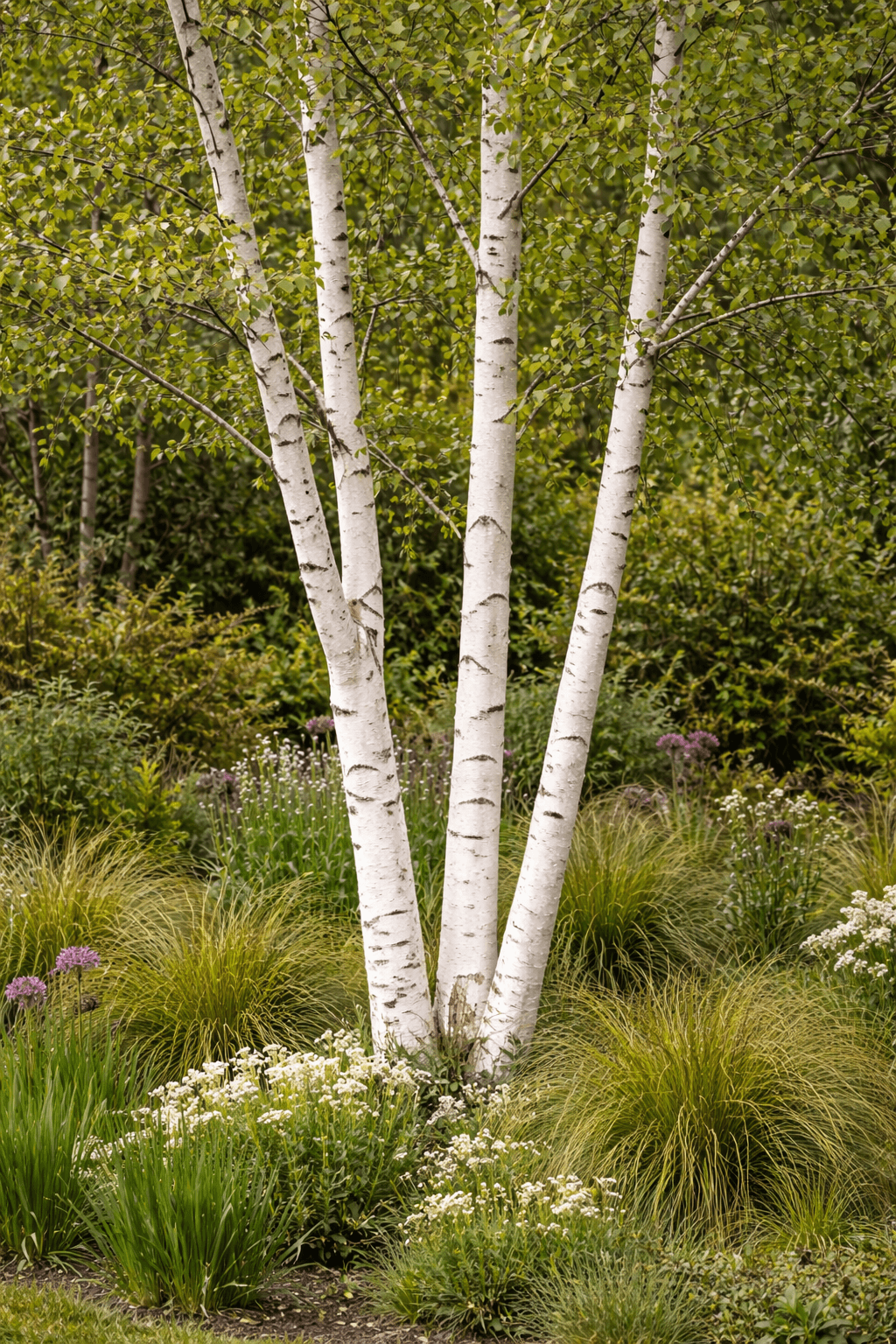
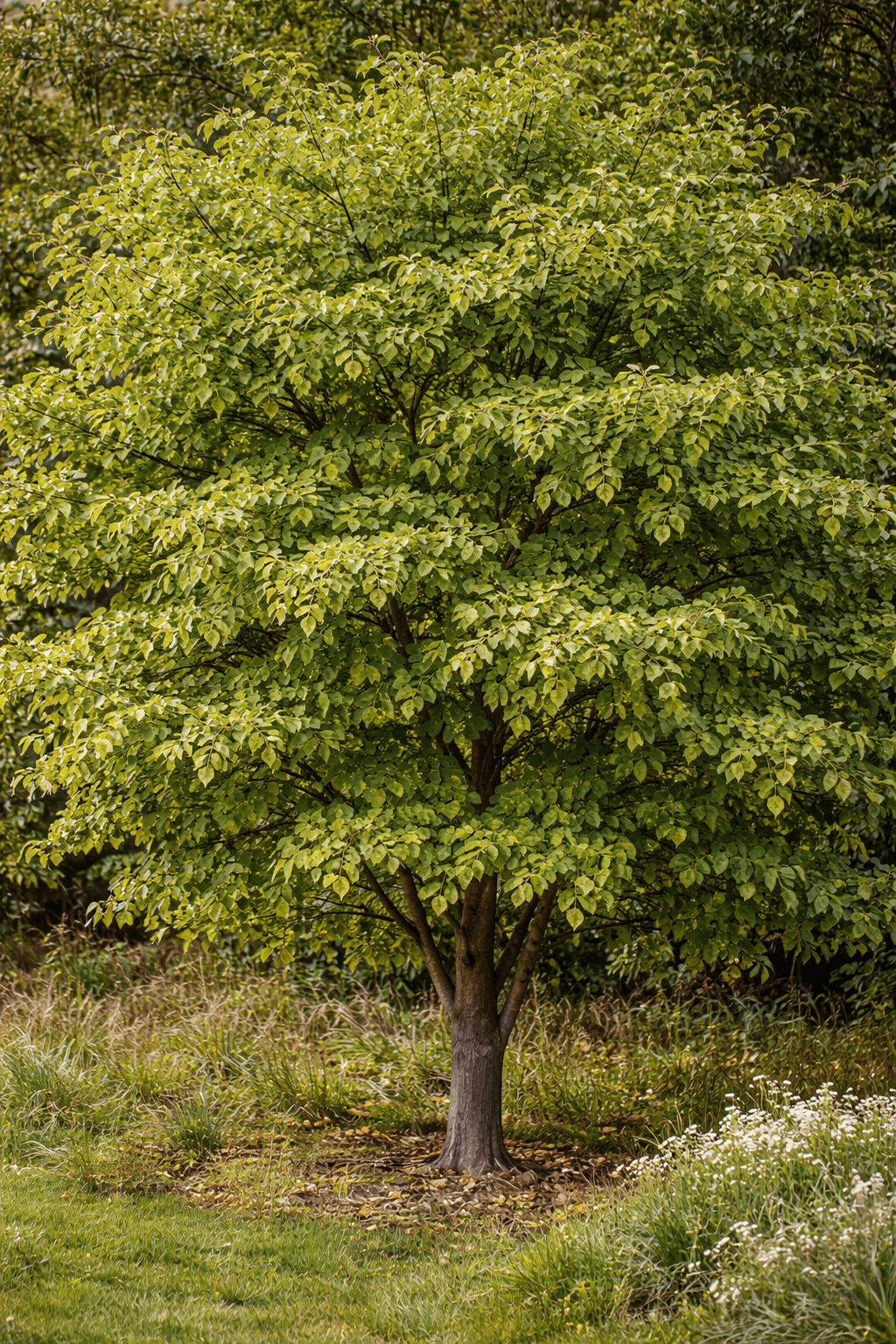
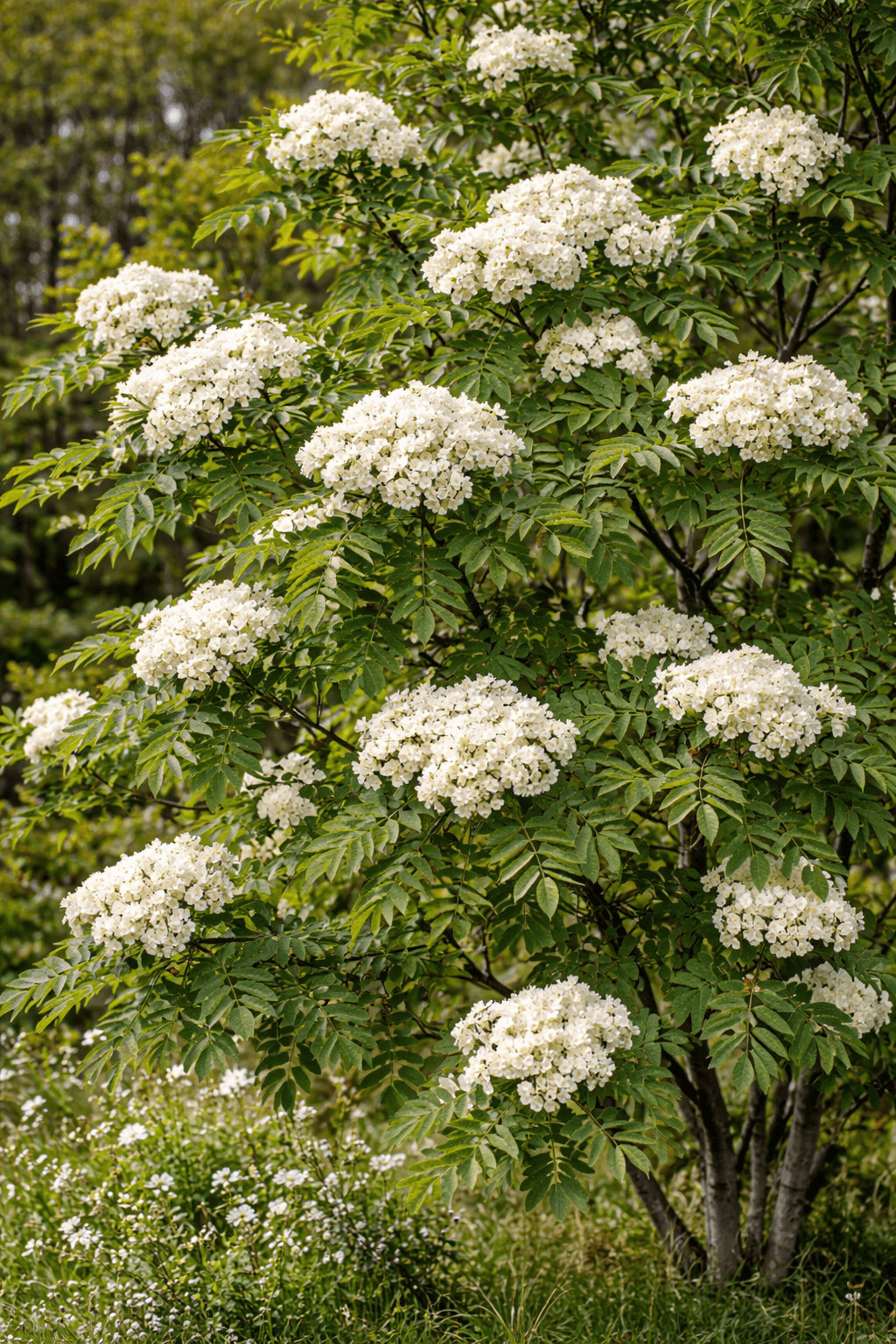
Birches (Betula utilis var. jacquemontii) boast striking white bark and light canopies, rooting more deeply over time. Rowan (Sorbus aucuparia) yields bird attracting berries and copes with exposure. Field maple (Acer campestre) grows as a compact native with fine autumn tints and can be adaptable where drainage is reasonable. Hornbeam (Carpinus betulus) is the toughest of the group on heavy ground, working either as a small tree or a clipped hedge, though it dislikes spots where water sits for days.
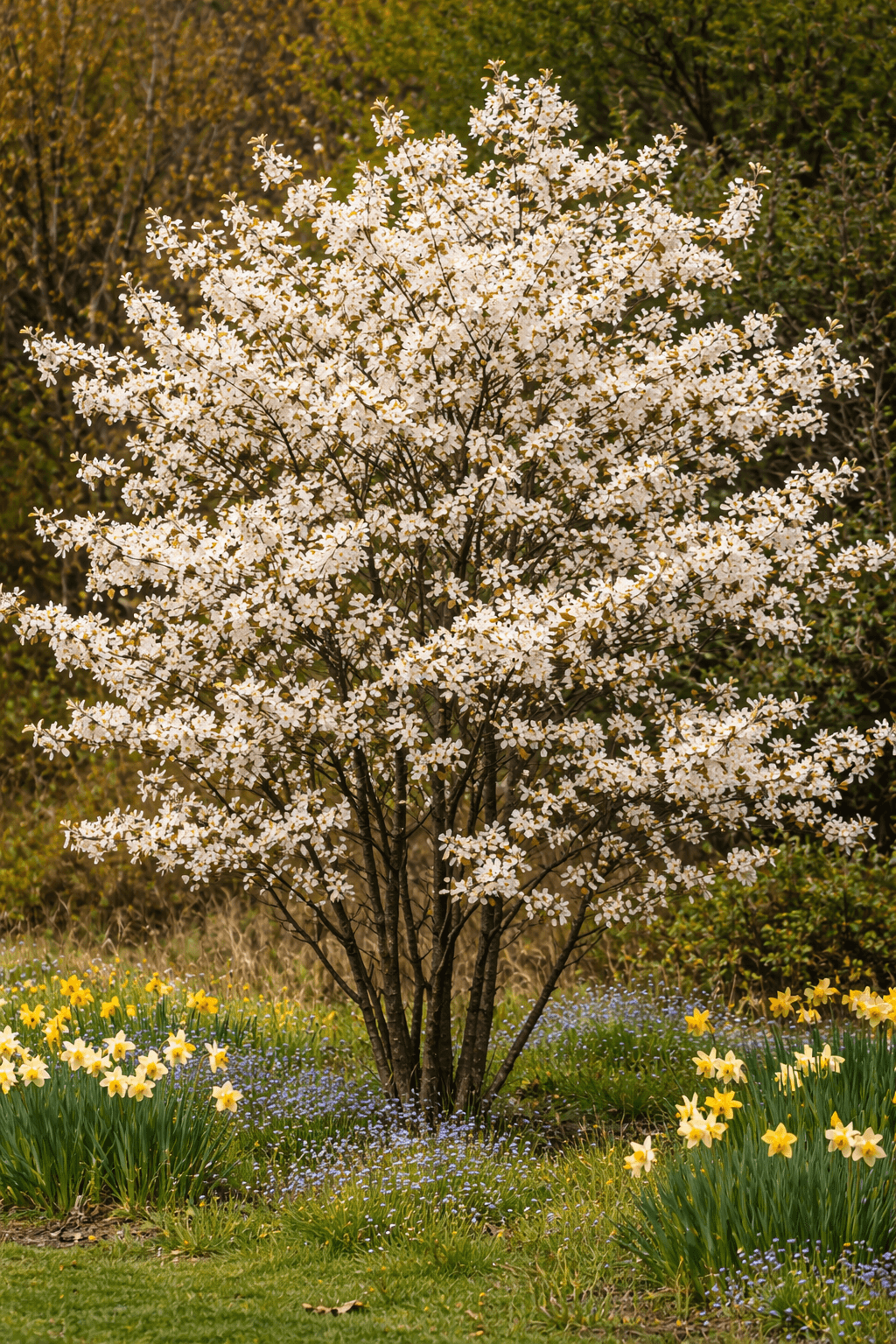
Amelanchier supplies spring flowers and edible fruits in slightly larger spaces. These trees can also improve comfort in the garden by casting light shade and reducing surface drying around underplanting in summer.
Five adaptable trees suitable for UK gardens of varying sizes, captured across the seasons.
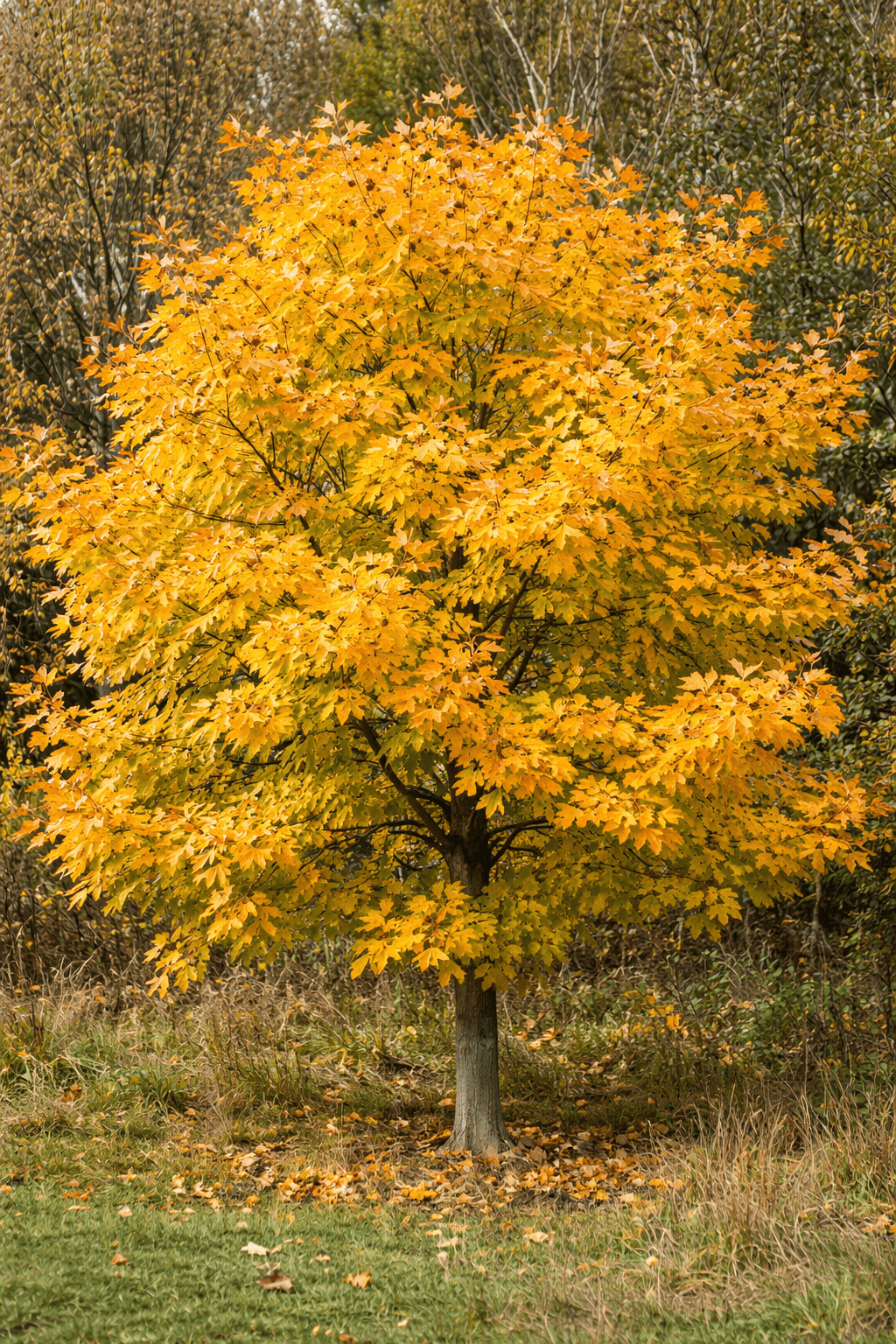
| Tree | Why It’s Climate-Resilient | Best Position | UK Soil & Climate Tips |
|---|---|---|---|
| Acer campestre (field maple) | Adaptable native that can cope with variable moisture and exposure once established, provided the site is not persistently waterlogged. | Sun or partial shade | Often suitable for smaller gardens. Allow space for mature width. Water well in the first season. |
| Amelanchier lamarckii | Multi season interest and can handle moderate swings in moisture where drainage is reasonable. | Sun or light shade | Prefers moisture retentive but free draining soil. Mulch helps in dry springs and summers. |
| Betula utilis var. jacquemontii | Light canopy and deepening roots can help it cope with seasonal variation once established, though it prefers soil that drains between storms. | Open ground or lawn, best in groups | Avoid the wettest pockets of clay. Water through dry spells for the first few years. |
| Carpinus betulus (hornbeam) | Tough native that often copes with heavy soils, wind, and pollution, and can manage seasonal wet and dry once settled. | Sun or partial shade | Works well as a small tree or clipped hedge. Avoid planting where water sits for days. |
| Sorbus aucuparia (rowan) | Hardy native with good exposure tolerance that can cope with variable moisture if drainage is not too poor. | Sunny or lightly shaded sites | Excellent wildlife value. Choose a spot that drains between storms, especially on heavy clay. |
Frequently Asked Questions About Planting for UK Weather Extremes
Can Mediterranean-style plants survive typical UK winters?
Some, such as lavender or rosemary, succeed in free draining spots or containers but often suffer from prolonged winter wet on heavy soils. Stick to hardier options for borders.
How important is mulching on heavy soils?
Often very important. It can reduce surface sealing after rain, can limit summer cracking, and tends to improve structure over time. A steady 5 to 10cm layer, topped up when it thins and kept clear of stems and crowns, is usually a good working standard.
Are there small trees suitable for compact gardens?
Yes. Field maple or selected birch cultivars can remain controllable, alongside Amelanchier at around 4 to 6m with airy canopies, though size and shape can vary by cultivar and site.
Will these plants still support wildlife?
Yes. Many provide nectar, berries, shelter, and overwintering habitat, even during extreme seasons. Wildlife value often improves when flower sources sit alongside seed and berry sources.
When is the best time to plant for resilience?
Autumn often stands out. Cooler, damper conditions allow roots to establish before summer stress. Spring can also work well if you can water through the first dry spell.
With changing weather patterns set to continue, incorporating a few of these resilient plants can make a real difference to your garden's longevity and enjoyment. Start small in autumn or spring, improve your soil with organic matter, and watch how your borders cope better through wet winters and drier summers.
Which of these plants are you planning to try first? Share your thoughts or experiences in the comments below. We'd love to hear how they perform in your garden. For more personalised ideas suited to your soil and space, feel free to get in touch.