
Best Deer-Resistant Plants for Buckinghamshire Gardens
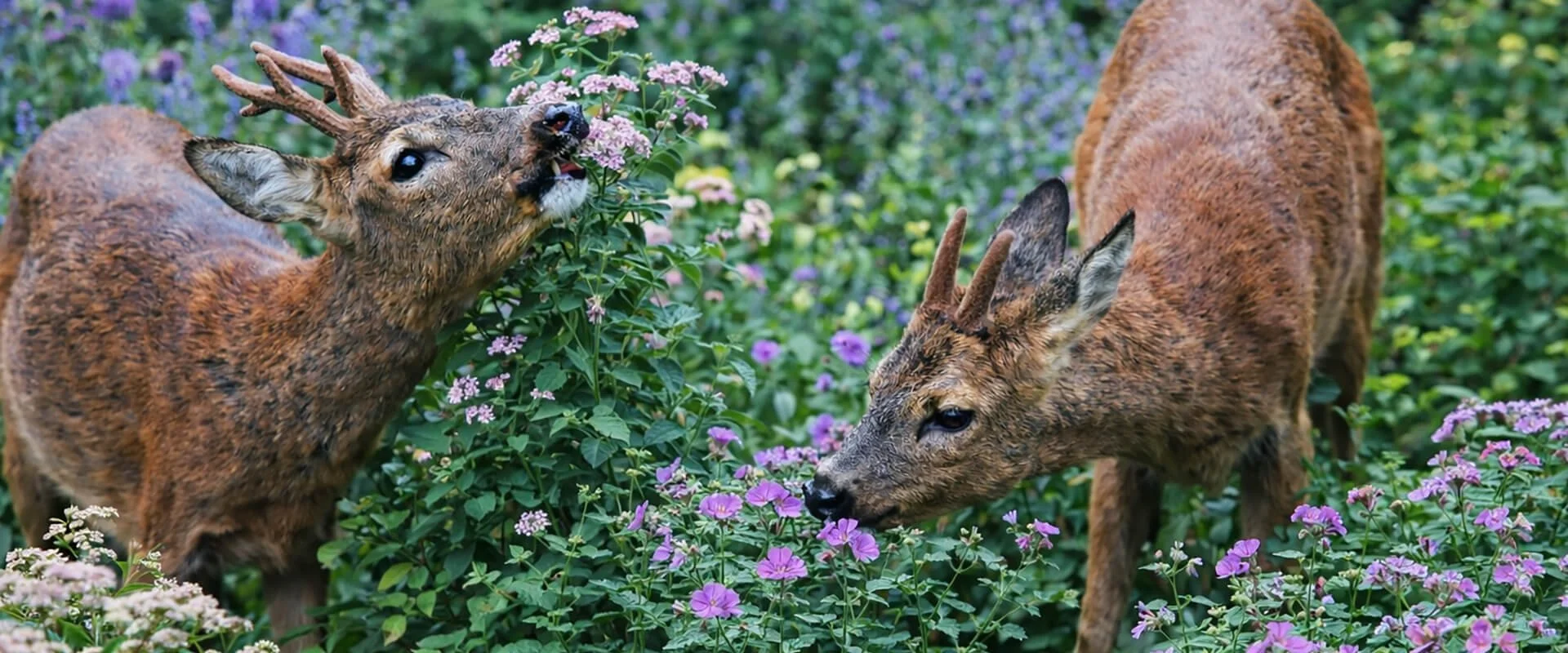
Deer can make planting in rural Buckinghamshire frustrating, especially in gardens that back onto woodland, paddocks, or open fields. In the gardens we design across the county, muntjac and roe deer are the usual culprits, browsing fresh growth, damaging young shrubs, and setting new planting back in a single night.
This guide explains which plants are least likely to be browsed, particularly where the county's heavy clay makes establishment harder. It covers reliable plant choices, where they tend to perform best, and simple ways to reduce damage while borders settle in.n.
No plant is completely deer-proof, but some are consistently less appealing because of their strong scent, rough or prickly growth, or unpalatable leaves and stems. Chosen carefully and matched to local soil conditions, these plants can help create borders that are more resilient, more attractive, and easier to maintain over time. Many of them, including alliums, hardy geraniums, and ornamental grasses, also work beautifully in a designed scheme, as covered in our guide to Chelsea-inspired garden ideas for Buckinghamshire on a budget.
Jump to
If there’s one section to start with, begin with Top deer-resistant plants for local gardens. Then check Complementary strategies to protect your borders for practical ways to reduce browsing pressure.
- The challenge of deer in rural Buckinghamshire
- Understanding what makes plants deer-resistant
- Top deer-resistant plants for local gardens
- Perennials and grasses
- Shrubs and small trees
- Bulbs and herbaceous options
- Complementary strategies to protect your borders
- Frequently asked questions
The Challenge of Deer in Rural Buckinghamshire
Deer behaviour in rural gardens is shaped by landscape and habitat density. Across the Chilterns and the county's village fringes, many homes sit directly alongside woodland belts that provide shelter, while surrounding farmland creates regular feeding routes that pass through gardens. As new development fragments that habitat, gardens increasingly fall within these movement corridors.
Muntjac are particularly challenging. They breed year-round and browse continuously at low levels, repeatedly targeting fresh shoots before plants have a chance to establish. Roe deer browse higher, causing significant damage to shrubs and young trees through bark stripping and repeated defoliation.
Gardeners often notice the heaviest damage in spring, when fresh growth follows winter scarcity, and again in autumn as deer seek out energy-rich food. Heavy clay, common across much of the county, can compound the problem: slow drainage causes waterlogging that stresses roots, slows recovery after browsing, and increases plant losses.
Several local realities shape effective planting strategies:
Persistent low browsing from muntjac rather than occasional grazing
High night-time activity, especially in quiet rural lanes and village edges
Slow-draining clay that weakens roots during winter wet
Increased vulnerability in newly planted borders
Understanding these conditions helps set realistic expectations and supports planting decisions that perform over time, rather than relying on short-lived deterrents.
Understanding What Makes Plants Deer-Resistant
Deer rely heavily on smell and taste when choosing food, avoiding strong aromas, bitter flavours, fuzzy textures, or prickly leaves. Plants with silvery foliage, aromatic herbs, or tough stems often escape notice. Resistance also depends on the garden itself. Borders close to the house and daily activity are browsed less, and a plant left alone in one garden may be a favourite two doors down. In areas of sustained pressure, even moderately resistant plants may be sampled during food shortages, while in lighter-pressure gardens the same plants stay untouched for years.
In our own schemes, variety is what makes the difference. Mixing strongly scented plants such as lavender or rosemary with prickly shrubs like berberis disrupts browsing patterns and discourages repeat visits. Clay tolerance matters just as much: winter waterlogging stresses roots and slows establishment, so plants with deep or fibrous root systems hold up far better in heavy ground.
Over time, mature plants become less appealing. As borders fill out and stems toughen, deer tend to move on to easier feeding elsewhere. This gradual shift is why a long-term planting strategy usually beats reactive, one-off measures.
Top Deer-Resistant Plants for Local Gardens
The plants below have earned their reputation through years of use in rural gardens facing the same pressure, and they are the ones we return to most often. All perform reliably across variable clay, offering structure, colour, and seasonal interest without constant replacement.
Perennials and Grasses
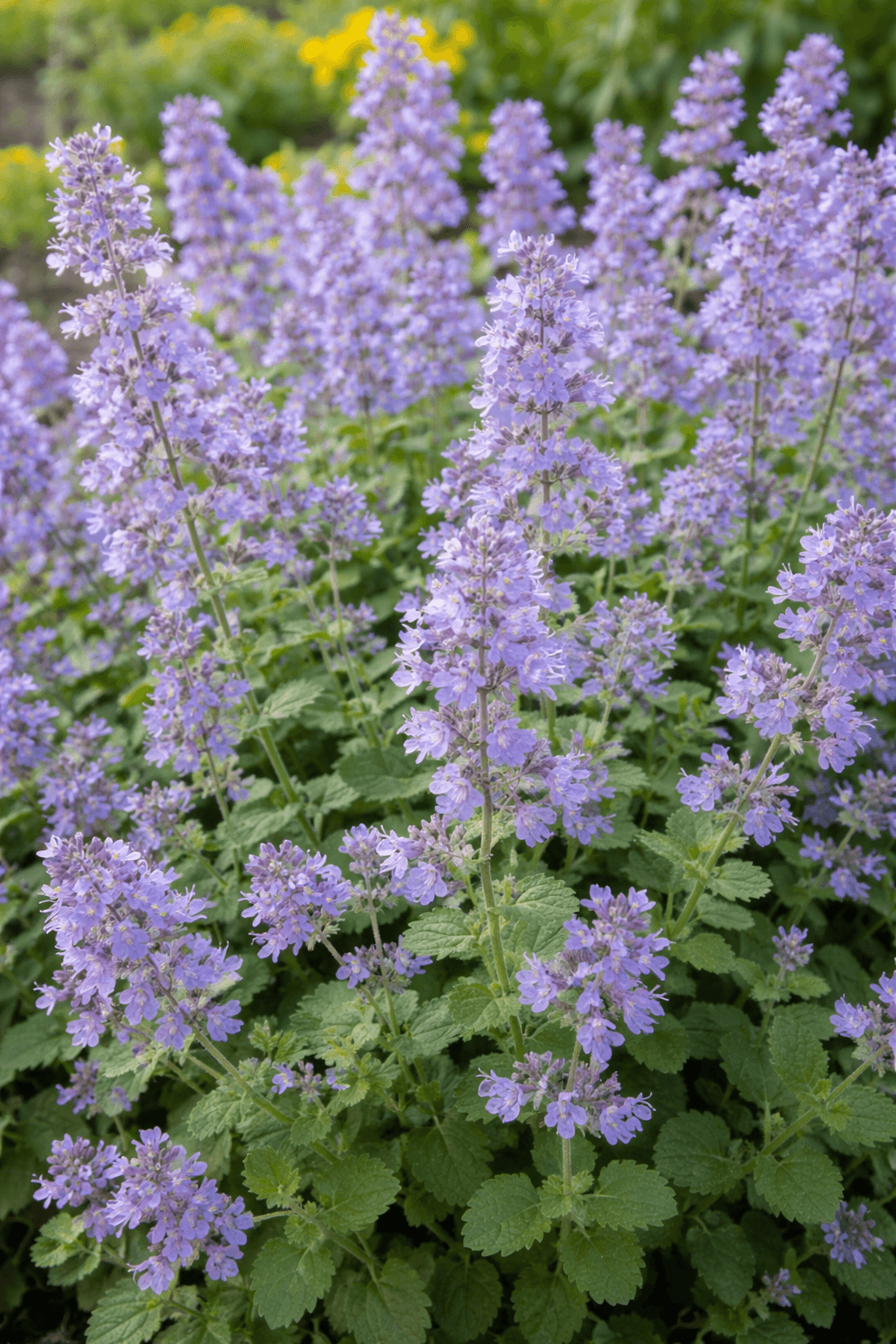
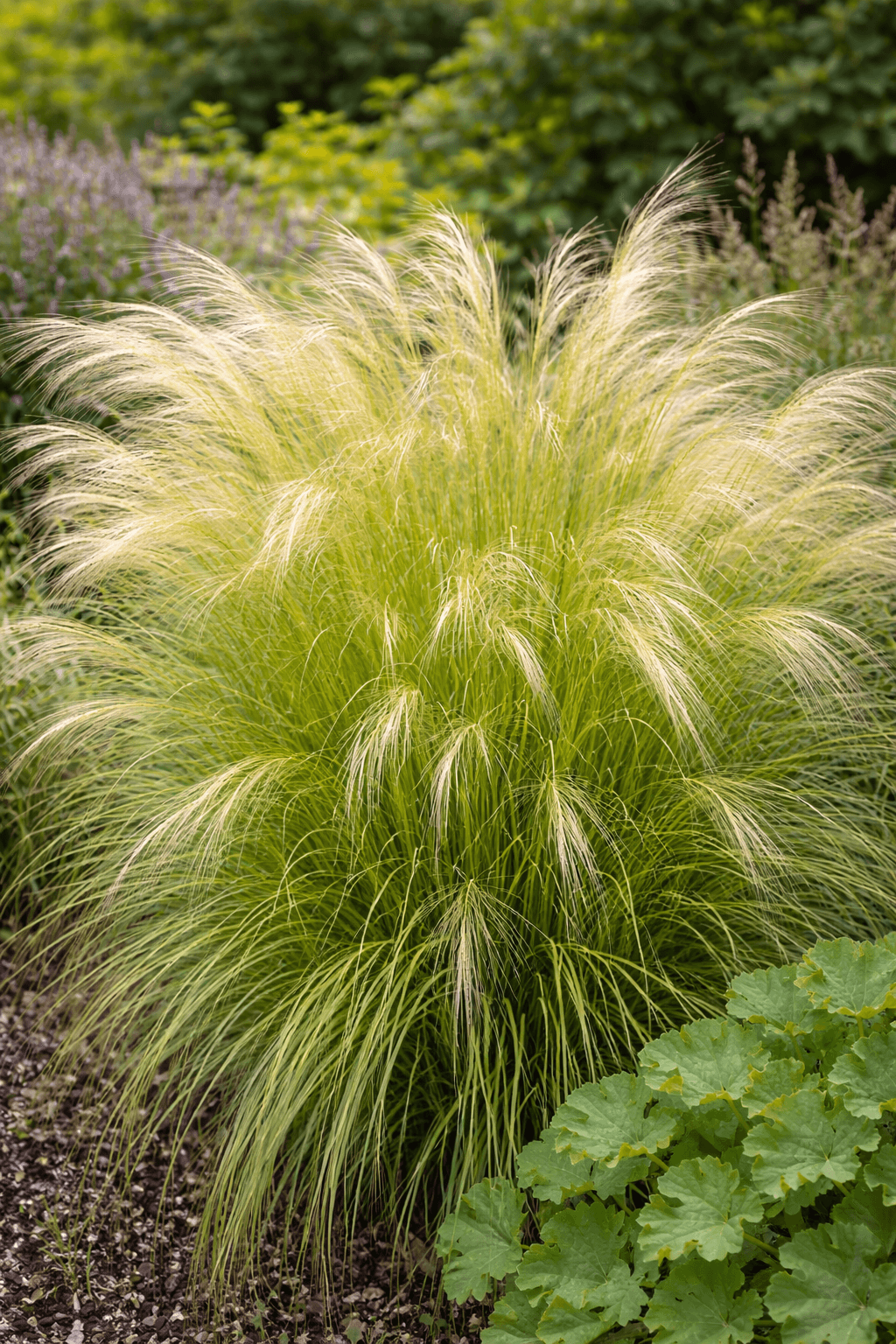
Perennials provide ground cover and seasonal movement, while grasses add height and texture. Once established, all of the choices below are largely ignored by deer in all but the highest-pressure gardens, and each handles Buckinghamshire's variable clay effectively.
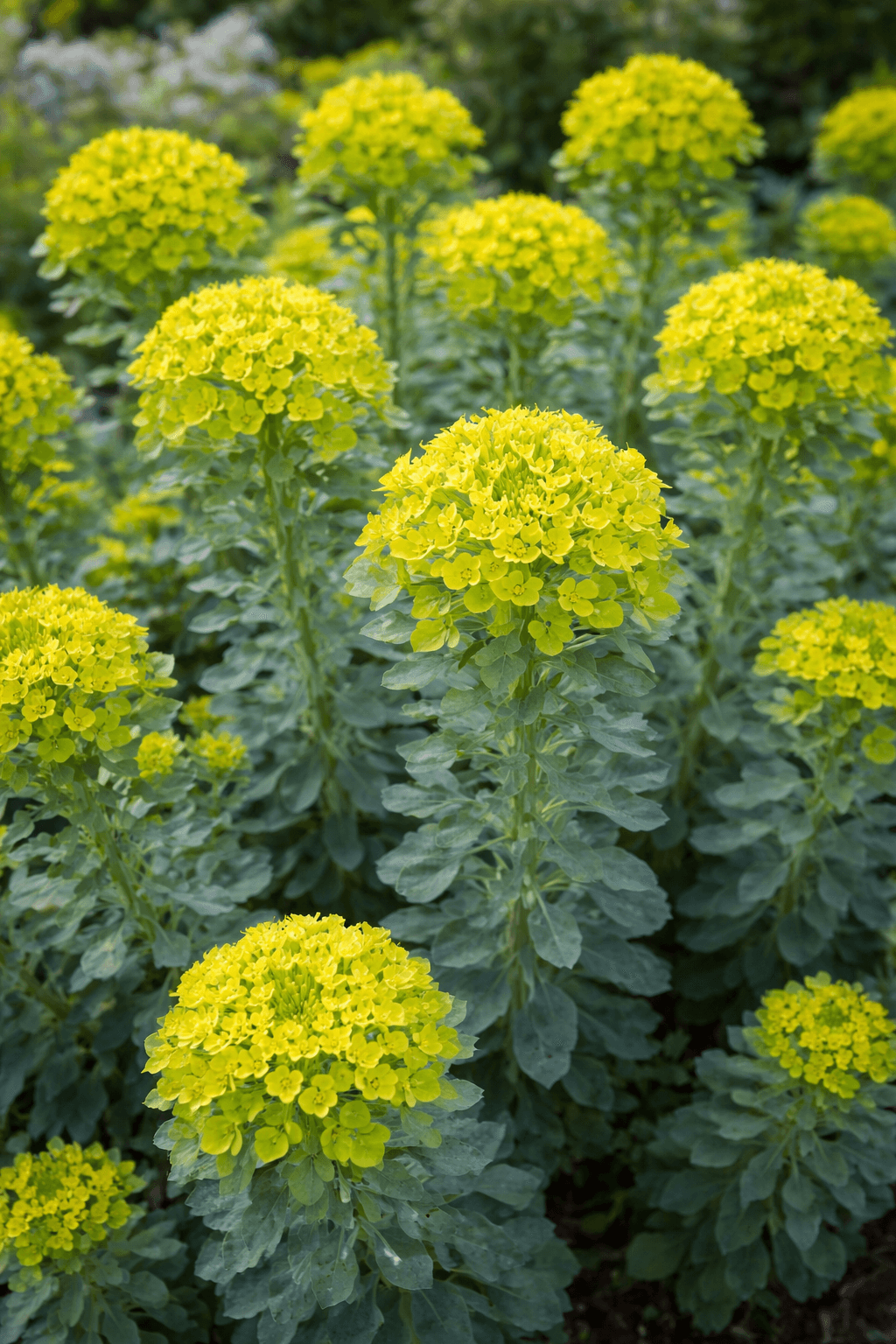
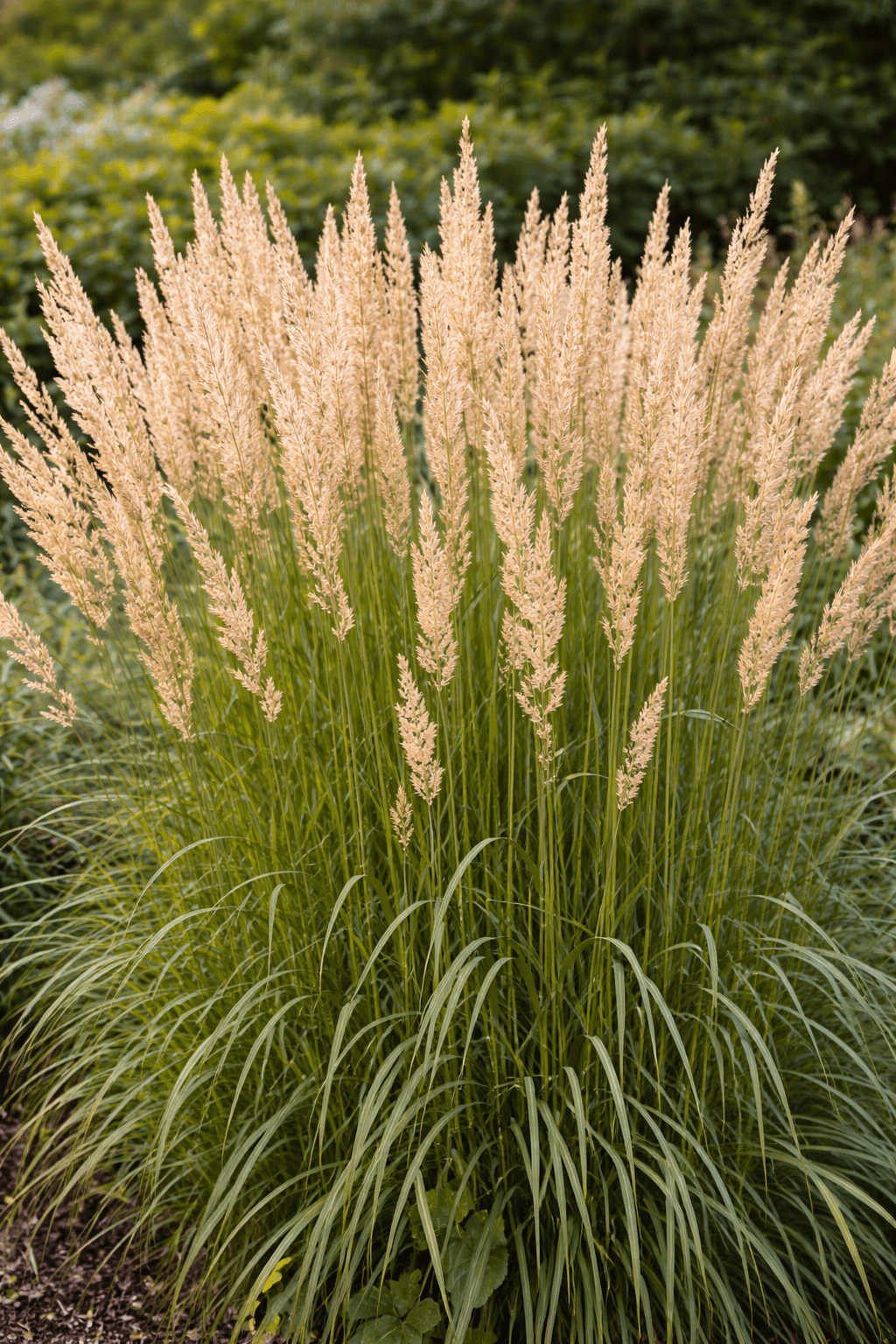

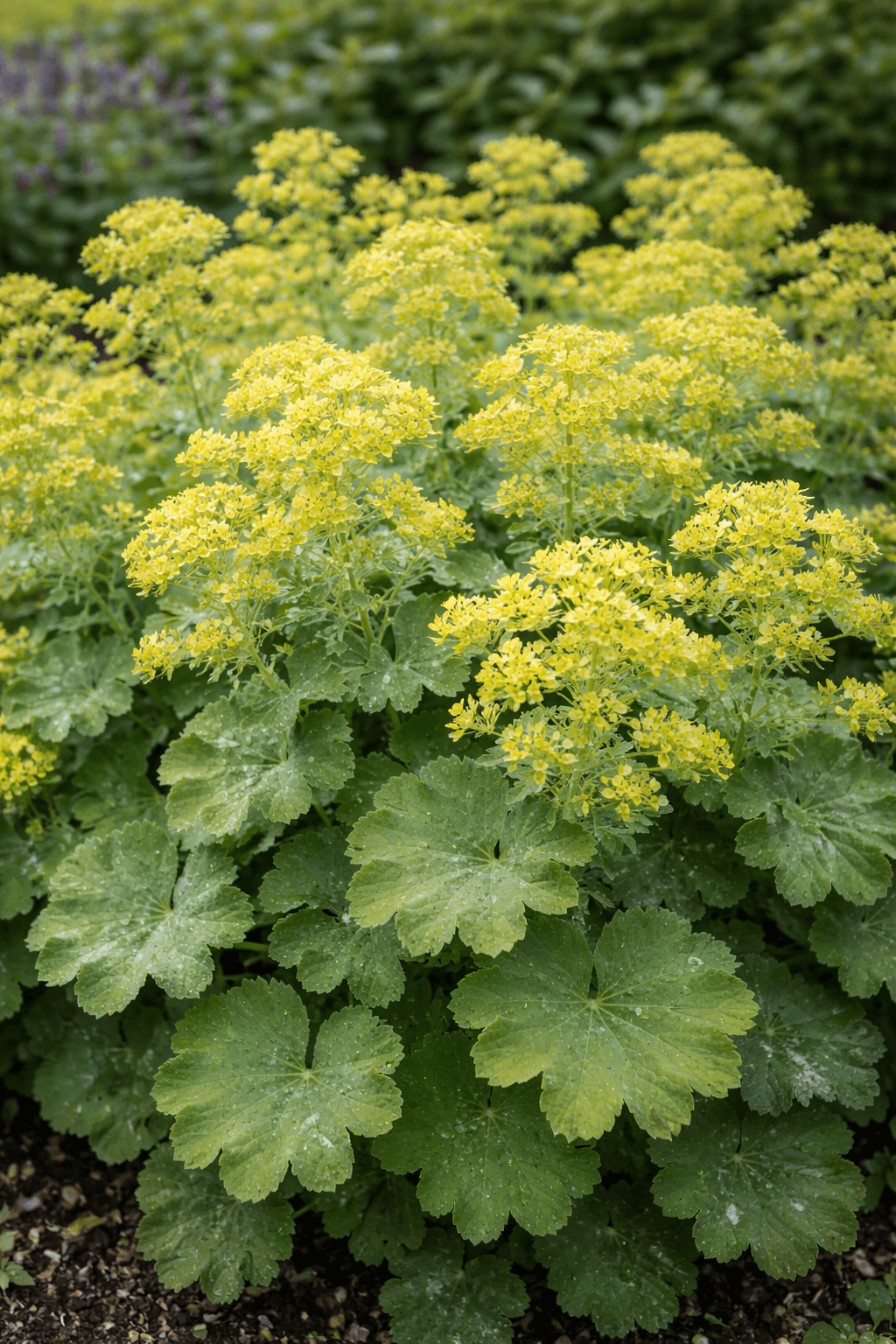
| Plant | Why Deer Avoid It | Best Position | Clay Soil Notes | Best Time to Plant (Clay Soils) |
|---|---|---|---|---|
| Alchemilla mollis (lady’s mantle) | Softly hairy, astringent foliage is rarely browsed once plants mature. | Borders, edges, ground cover | Thrives on clay with minimal preparation. Cut back hard after flowering to refresh foliage and curb prolific self-seeding. | Autumn or early spring |
| Calamagrostis (feather reed grass) | Tough, fibrous leaves are rarely browsed by deer. | Sunny or lightly shaded borders | One of the best grasses for heavy clay. ‘Karl Foerster’ stays upright and will not collapse in winter wet. | Early spring |
| Echinops ritro (globe thistle) | Prickly leaves and spiny flower heads deter browsing. | Sunny, open borders | Tolerates clay in a sunny, open spot but resents winter wet. The deep taproot dislikes disturbance, so plant where it can stay. | Spring |
| Euphorbia (spurges) | Milky latex sap is unpalatable and discourages feeding. | Borders, mixed planting | Clay tolerance varies by species: E. amygdaloides var. robbiae is dependable, while E. characias prefers sharper drainage. The milky sap irritates skin and eyes, so handle with gloves. | Spring on heavy clay; autumn only where drainage is good |
| Nepeta (catmint) | Strong aromatic oils repel deer while attracting pollinators. | Sunny borders | Reliable on clay once established, though it prefers a sunny, free-draining spot. ‘Six Hills Giant’ performs particularly well. Shear after flowering for a second flush. | Autumn or early spring |
| Stipa tenuissima | Fine foliage is less palatable but not fully resistant. | Raised beds or free-draining pockets | Avoid winter-wet clay, which often kills it. Best used sparingly where drainage is guaranteed, and note it self-seeds freely. | Spring only |
Shrubs and Small Trees
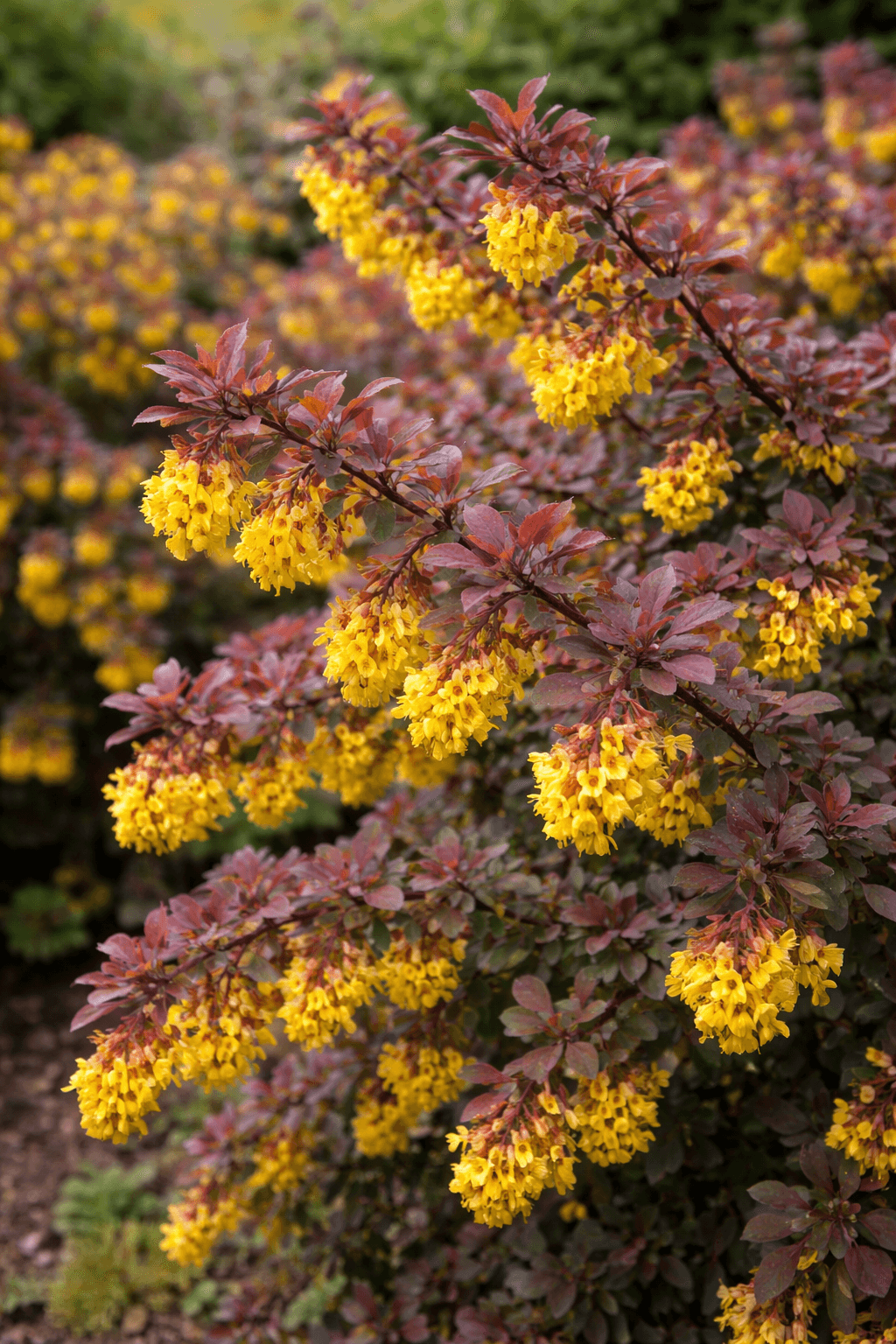
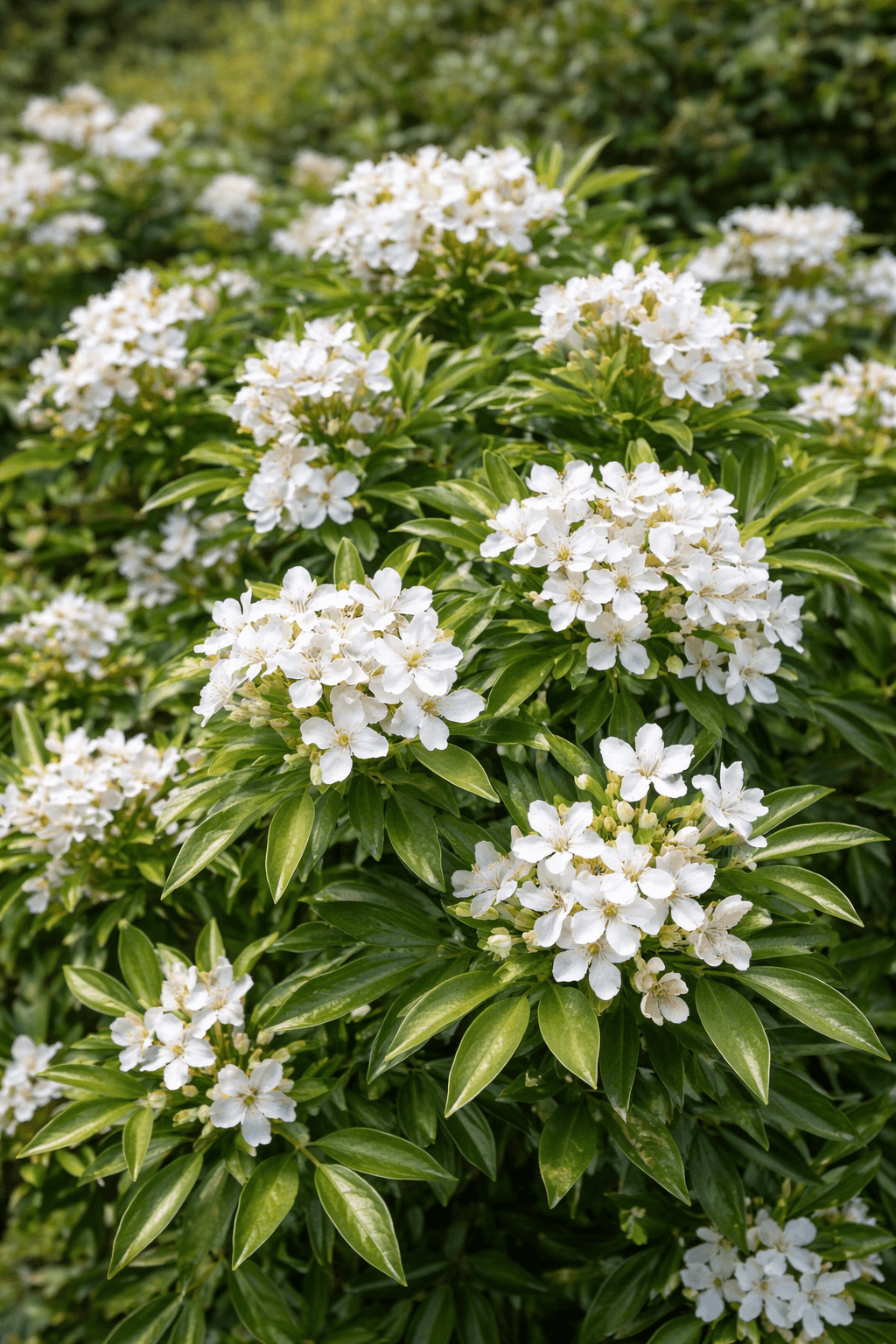
Shrubs form the backbone of deer-aware planting, giving year-round structure and screening. The selections below deter browsing through spines, tough foliage, strong scents, or silvery leaves, and most perform reliably on local clay once established.
These six shrubs give year-round structure and hold up well on local clay once established.
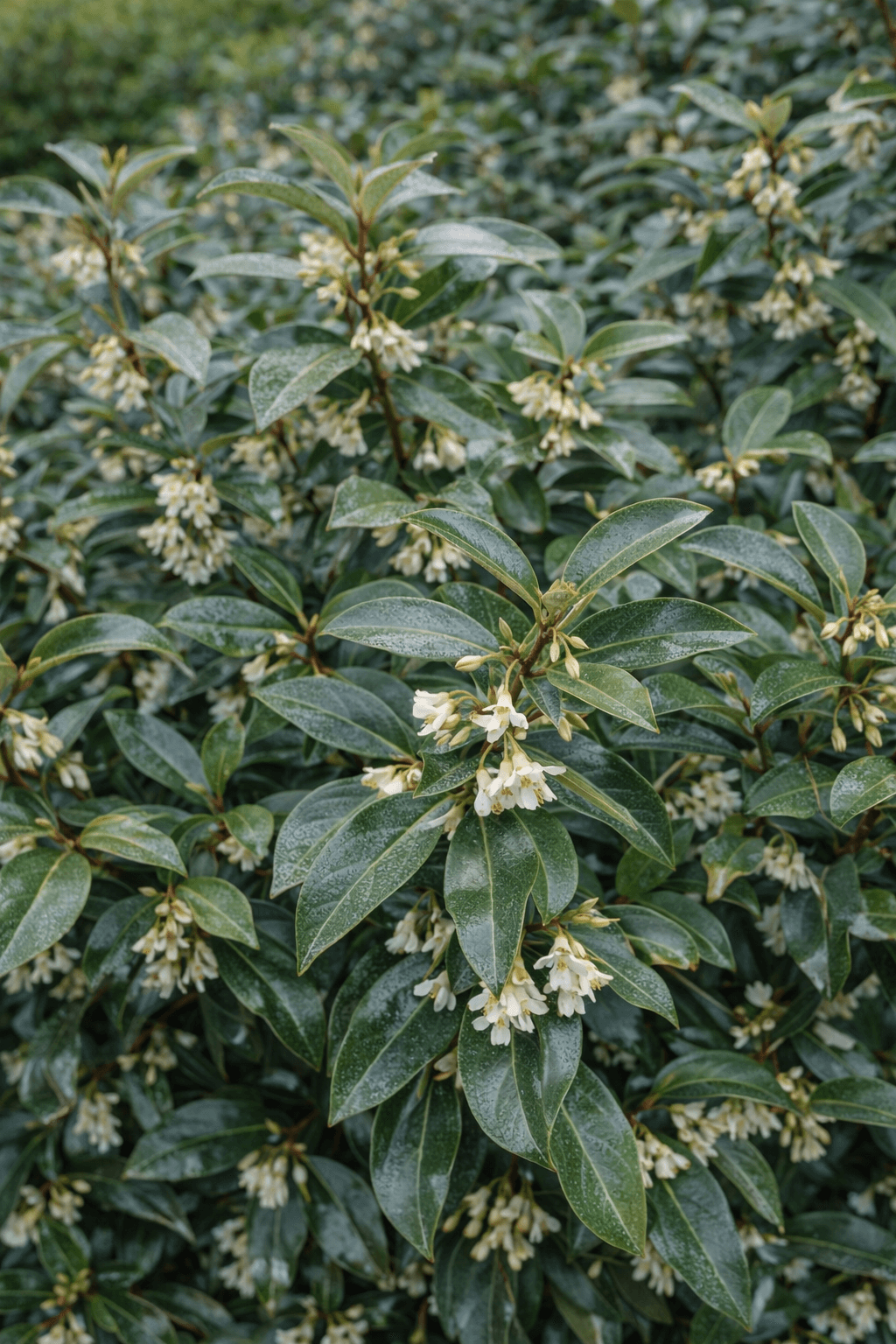
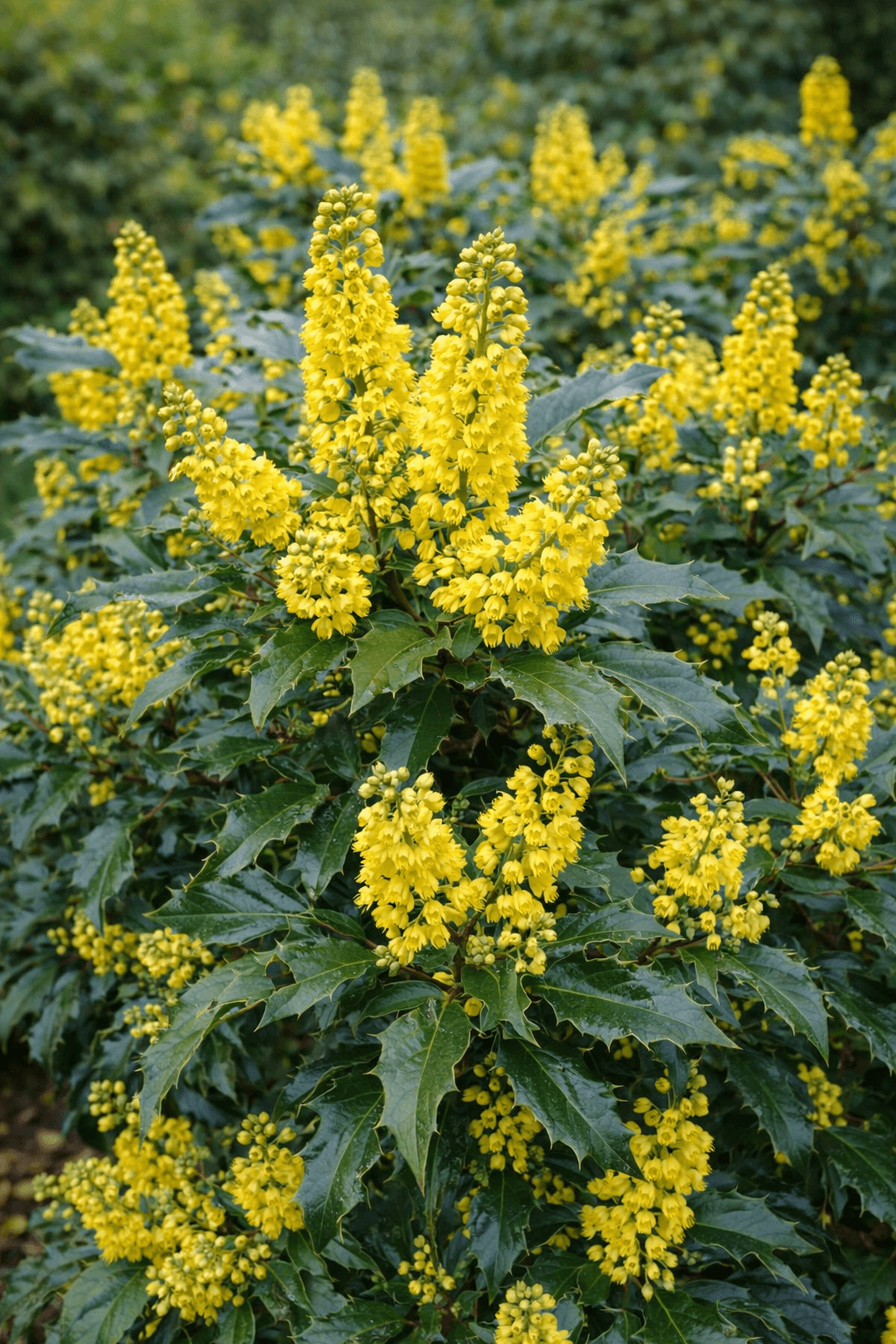
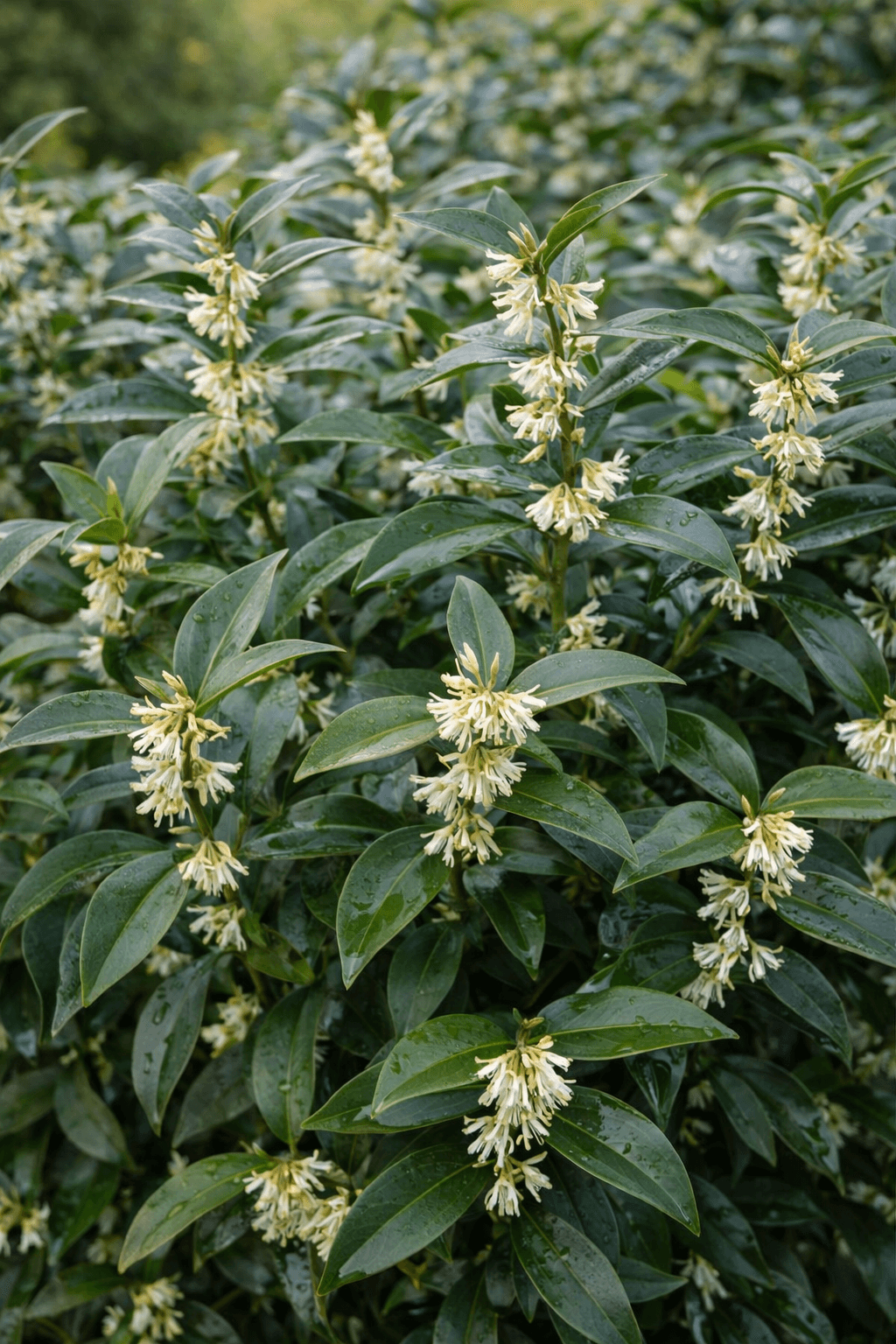
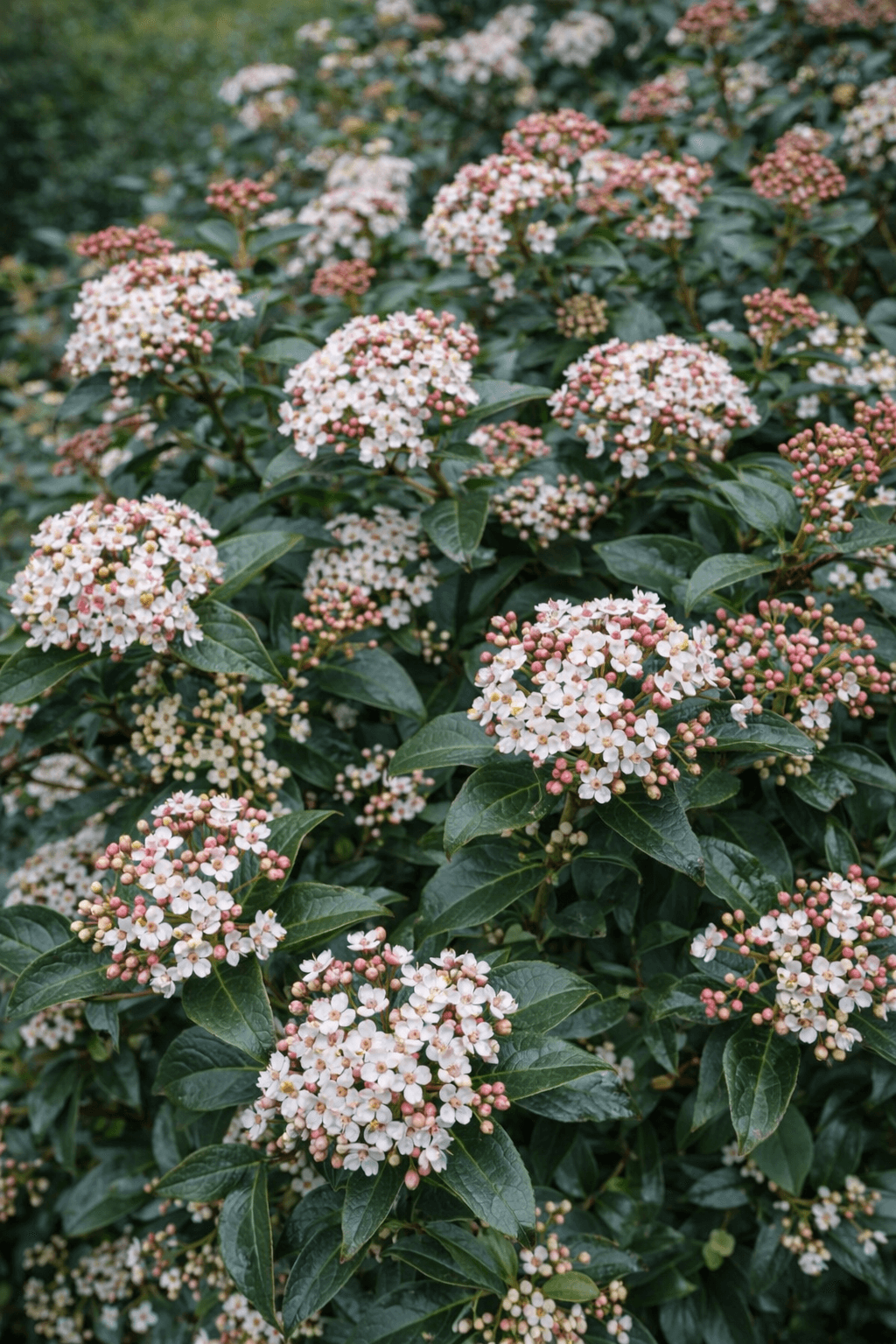
| Plant | Why Deer Avoid It | Best Position | Clay Soil Notes | Best Time to Plant (Clay Soils) |
|---|---|---|---|---|
| Berberis (barberry) | Dense thorns and spiny stems make browsing painful, so deer leave it alone. | Borders, boundaries, hedging (sun or partial shade) | Very tough and clay tolerant once established. Deciduous types colour well in autumn, while evergreen B. darwinii gives year-round cover. | Autumn or early spring |
| Choisya (Mexican orange blossom) | Aromatic foliage releases a strong scent when brushed, which deer dislike. | Sheltered, sunny or lightly shaded borders | Tolerates clay with reasonable drainage but dislikes cold, wet, exposed sites where foliage can scorch. Give it shelter. | Spring (safer than autumn on cold clay) |
| Elaeagnus × ebbingei | Tough, silvery, scaly leaves are unappealing to browsing deer. | Hedging, screening, exposed borders (sun or partial shade) | Robust and reliably clay tolerant. A fast evergreen screen, with fragrant but inconspicuous autumn flowers. | Autumn or spring |
| Mahonia (Oregon grape) | Spiny, holly-like leaves deter browsing. | Shade or woodland-style borders | Clay tolerant and genuinely happy in shade. Winter flowers and scent when little else performs. Taller M. x media types screen well, while M. aquifolium suckers as low cover. | Autumn or spring |
| Sarcococca (sweet box) | Tough, glossy evergreen foliage is rarely browsed. | Shade, woodland-style borders, near paths for winter scent | Clay tolerant and shade loving. Low, slow, and dependable, with powerfully fragrant winter flowers. | Autumn or spring |
| Viburnum tinus | Leathery evergreen leaves place it among the more deer-resistant viburnums, though it is not immune under heavy pressure. | Hedging, screening, borders (sun or partial shade) | Tough and clay tolerant, giving dense evergreen structure and a long winter-to-spring flowering season. | Autumn or spring |
Bulbs and Herbaceous Options
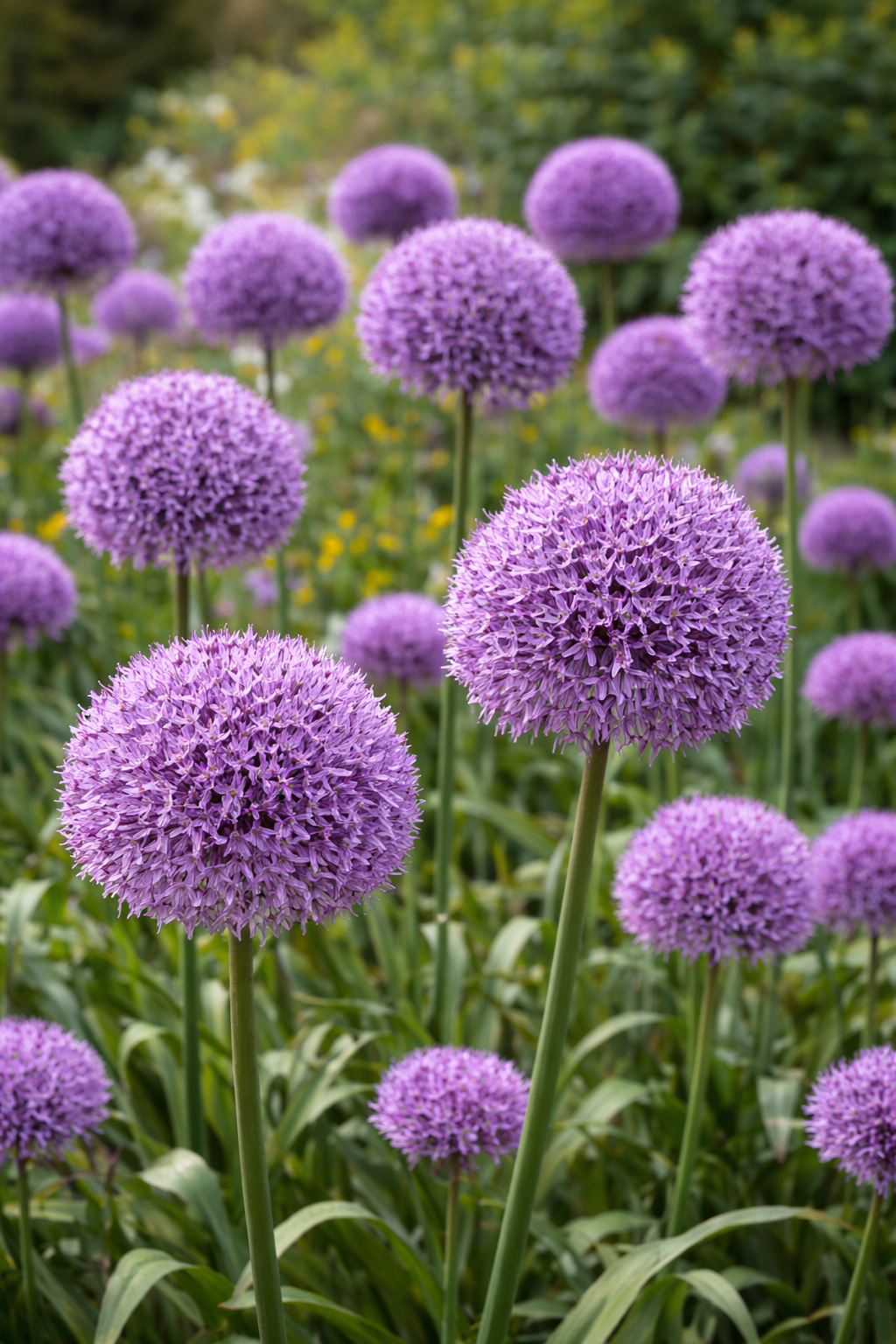
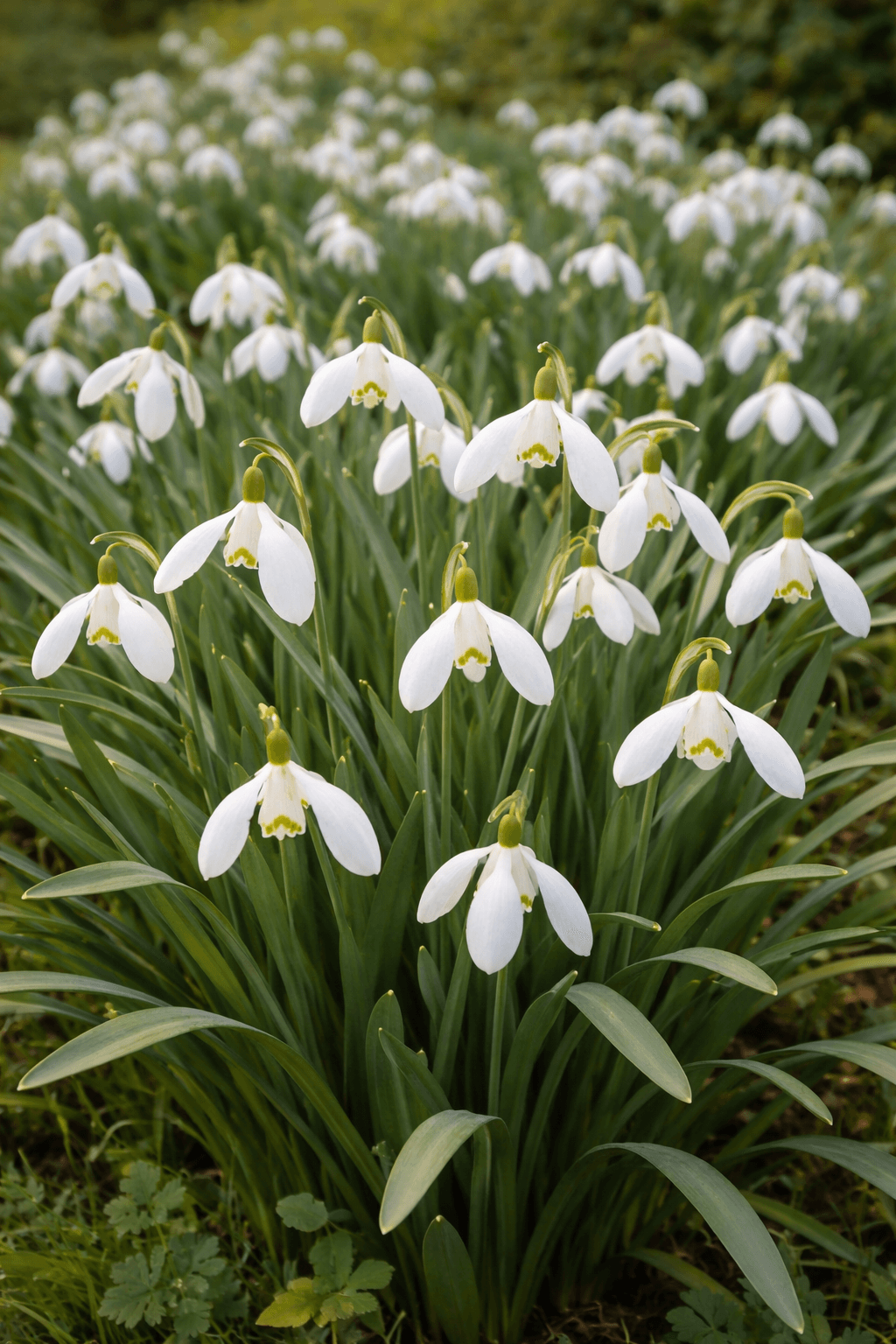
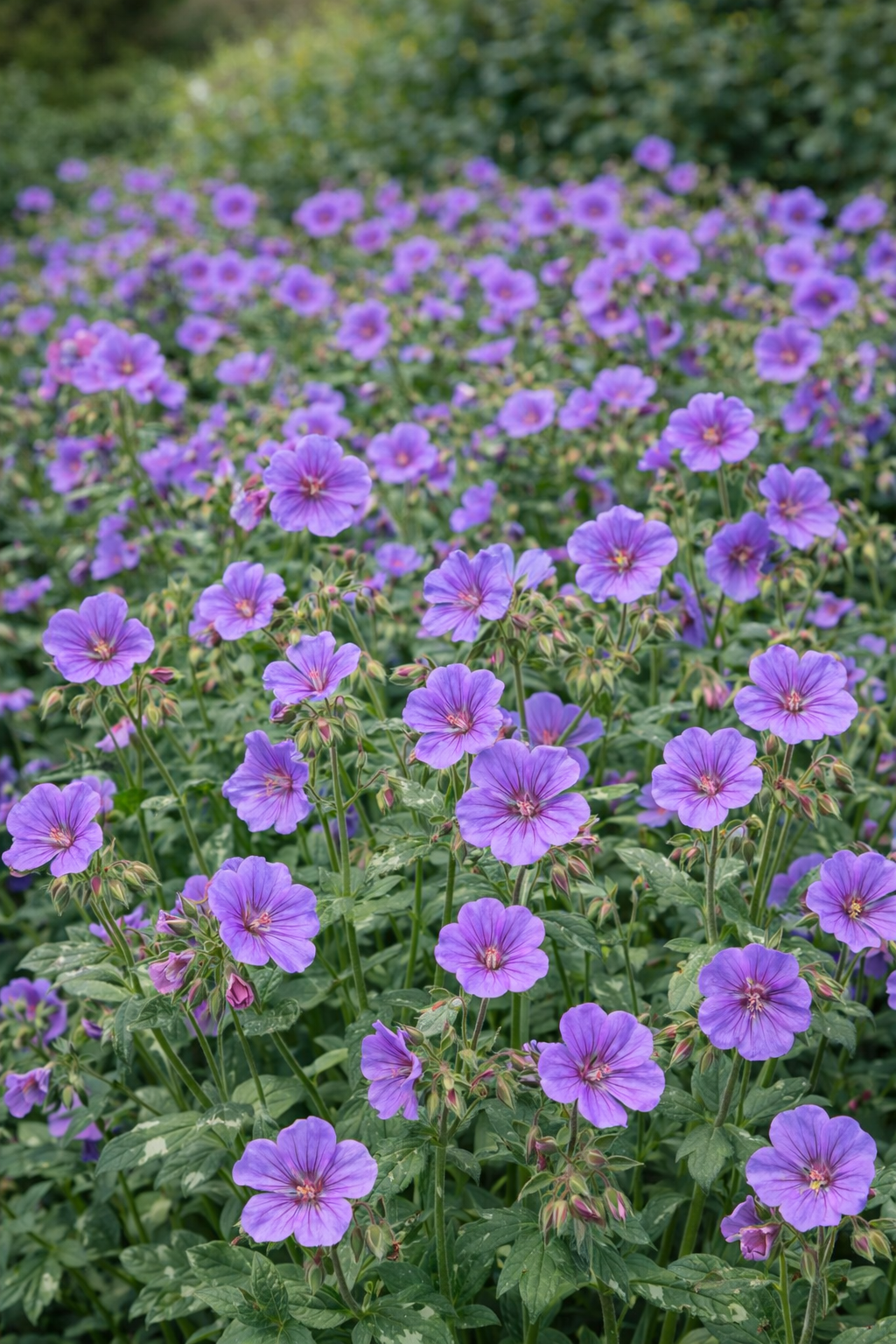
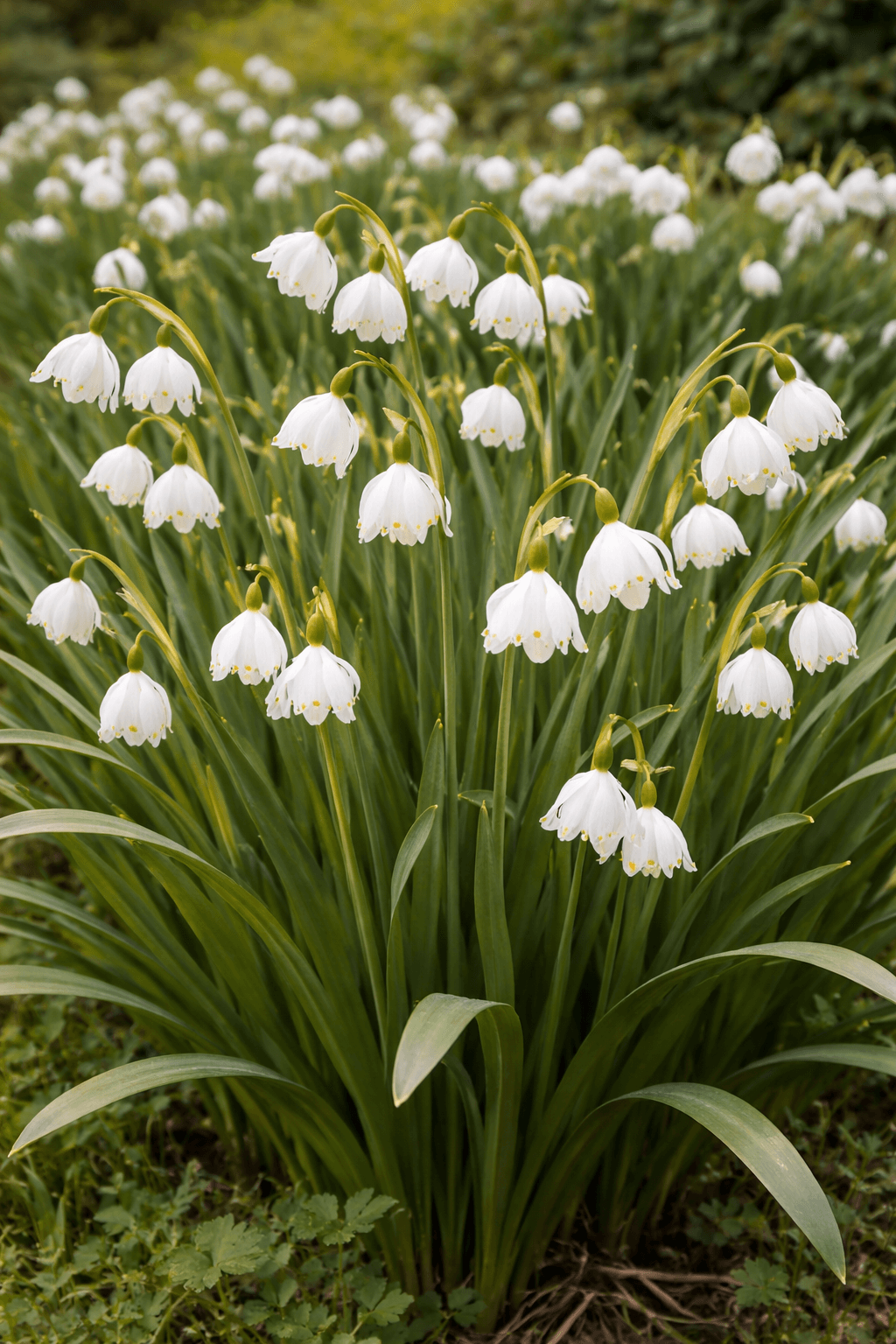
Bulbs and herbaceous plants provide early colour and fill gaps with minimal maintenance. Many bulbs are among the most deer-resistant choices you can make, thanks to their toxicity or strong scent, while herbaceous options vary more. For bulbs such as daffodils, the best time to plant also makes a noticeable difference to establishment on heavier soils.

| Plant | Why Deer Avoid It (or Not) | Best Position | Clay Soil Notes | Best Time to Plant |
|---|---|---|---|---|
| Allium | Strong onion scent deters browsing in most situations. | Sunny borders among perennials | Add grit beneath the bulb to stop it sitting in winter wet, and plant at a good depth for stability. Can be short-lived on heavy clay, so treat as an occasional top-up. | Autumn (preferred); early spring if soil is workable |
| Galanthus (snowdrops) | Toxic alkaloids, shared with daffodils, make them unpalatable. | Lawns, borders, woodland edges | Copes well with clay if not permanently waterlogged. Ideal for naturalising, and best moved or divided while in leaf (in the green). | Autumn (best planted early) |
| Geranium (hardy cranesbills) | Generally palatable to deer, especially fresh growth. | Borders, ground cover | Excellent on clay, but choose the tough types such as ‘Rozanne’ or G. macrorrhizum. Best treated as experimental where deer pressure is high. | Autumn or spring (spring safer on heavy clay) |
| Leucojum (snowflakes) | Similar chemistry to snowdrops makes them unattractive to deer. | Borders, damp grass, woodland margins | Thrives in heavier or seasonally damp clay soils. | Autumn (ideal); spring if soil is workable |
| Narcissus (daffodils) | Toxic alkaloids strongly discourage browsing. | Lawns, borders, naturalised areas | Reliable on clay if drainage is reasonable. Avoid the wettest winter spots. | Autumn (best); early spring in free-draining spots |
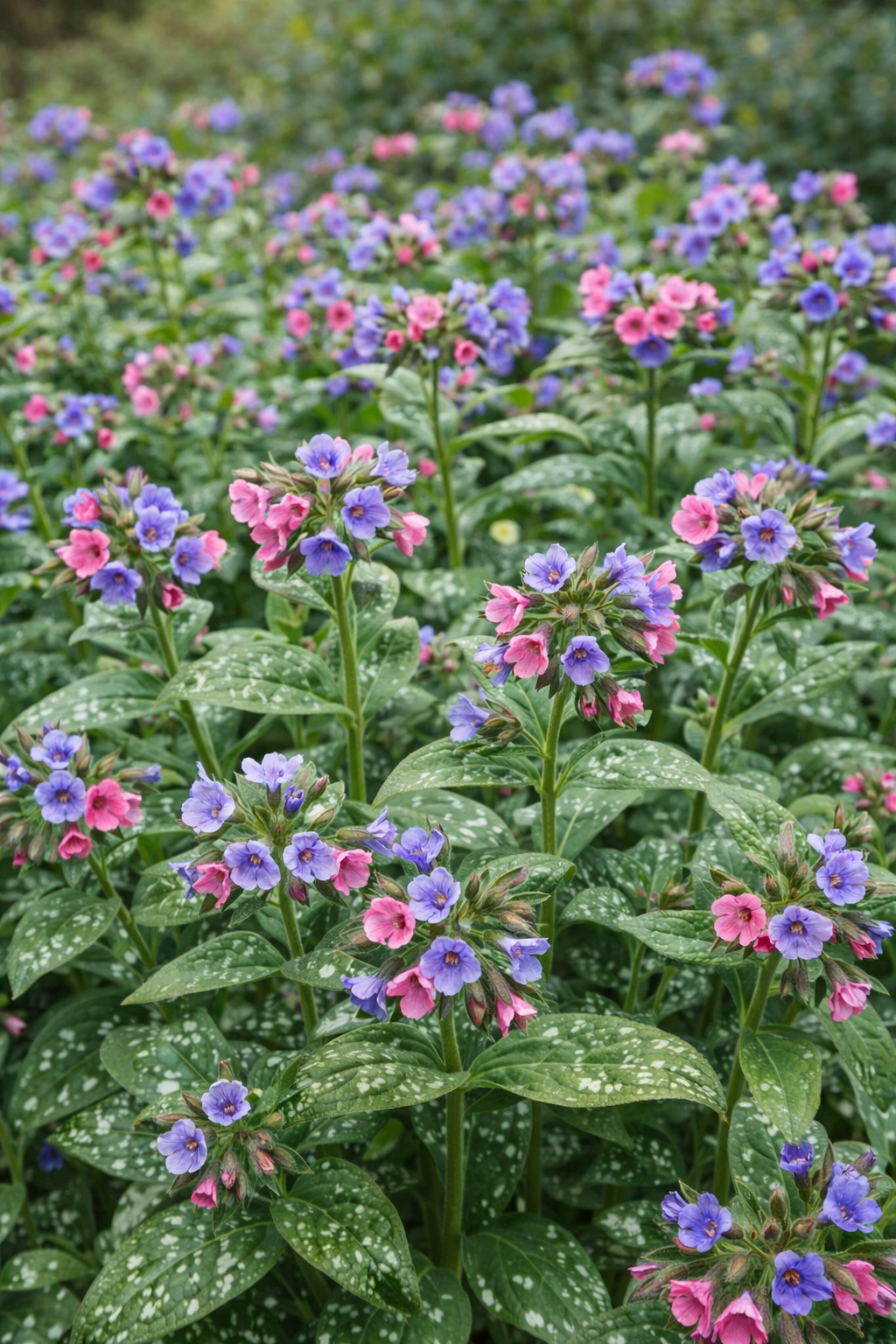
| Pulmonaria (lungwort) | Hairy foliage reduces casual nibbling, but not fully resistant. | Part shade, woodland-style borders | Clay tolerant and dependable. Mulch annually and cut back old leaves after flowering. | Autumn or early spring |
Complementary Strategies to Protect Your Borders
In areas of sustained pressure, planting alone may not be enough. Combining deer-resistant plants with subtle deterrents improves your odds without the garden starting to look defensive.
A layered approach works best. Use resistant plants as the foundation, then reinforce vulnerable spots through disturbance and layout rather than leaning on any single solution. Pressure varies from garden to garden depending on nearby cover, alternative food, and the season, so even reliable plants may still be sampled occasionally.
Practical measures include:
Grouping aromatic or prickly plants near boundaries and access points
Using gravel mulches that create noise underfoot
Installing subtle solar or motion-activated lights to disrupt night browsing
Refreshing scent deterrents seasonally
Checking young plants regularly during their first two seasons
On clay, avoid digging planting holes that act as water-filled sumps. Break up the base and sides of each hole and work in organic matter or grit so water cannot collect around the roots.
Key Takeaways
Creating a deer-resistant garden in a rural setting comes down to informed plant selection and patience.
Choose aromatic, prickly, or bitter plants proven locally effective
Prioritise clay-tolerant species with robust root systems
Combine planting with gentle, low-impact deterrents
Protect new growth while plants establish
Mix heights and textures to reduce browsing patterns
Adapt your planting choices and deterrents to the level of deer pressure in your garden
Applied together, these principles create attractive gardens that coexist with local wildlife rather than staying locked in constant conflict.
Frequently Asked Questions
Will these plants work against muntjac deer?
Muntjac browse persistently at low levels, but strongly scented or spiny plants such as berberis and nepeta perform well in many gardens. Combining several deterrent traits reduces risk further.
Are deer-resistant plants completely deer-proof?
No plant offers complete immunity, particularly during food shortages or when growth is young. These choices significantly reduce damage once established.
Do these plants suit heavy clay soil?
Most perform well on clay once drainage is improved slightly with organic matter or raised positioning. Strong root systems help plants recover from winter wet.
When is the best time to plant?
Autumn suits reasonably drained sites, allowing roots to settle before spring browsing. On heavier clay, late winter or early spring planting is often safer unless drainage has been improved.
Ready to create a beautiful, deer-resilient garden ?
If muntjac or roe deer are frustrating your planting efforts, we can help. At Vivid Gardens, we create bespoke garden designs that work with clay soils and local conditions, combining proven plants, thoughtful layout, and subtle deterrents for long-term results.
Get in touch for a free initial consultation or book a garden visit to discuss the challenges in your garden.
We can help you shape a planting scheme that is more resilient, more practical to manage, and better suited to the realities of a rural setting.