
7 Best Bulbs for Clay Soil in the UK
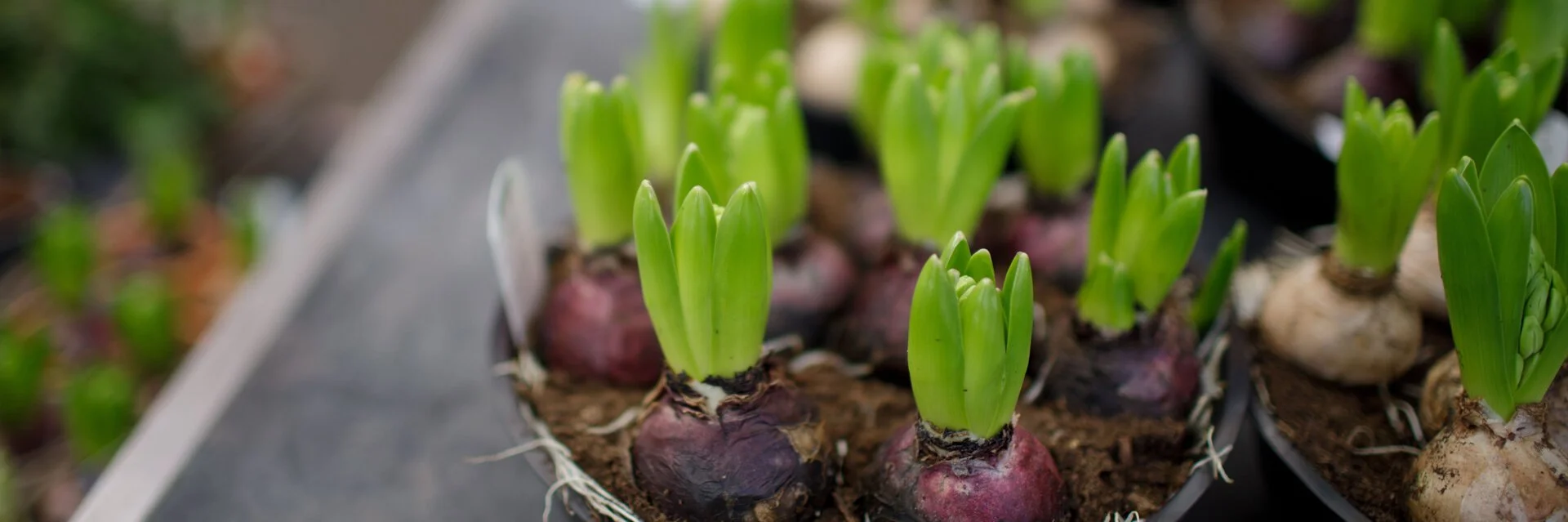
If you garden on heavy clay, autumn bulb-buying can feel like a gamble. Packets promise colour in April. Then a wet British winter sits on the bulbs, the ground stops draining, and half of what you planted never comes up.
That's not you failing at gardening. It's the wrong bulb in the wrong hole.
Clay is fertile. It holds water and nutrients that sandy soil loses. What it doesn't do is let air and water move quickly around a bulb that evolved for a dry summer bake. Tulips, hyacinths and crown imperials often rot in that setting. A smaller group of bulbs evolved for wet meadows, river margins and woodland floors. Those are the ones that earn their keep on unimproved UK clay.
This is a planting list, not a soil-rebuild project. It's written from work across Buckinghamshire, on soils that run from the sticky Vale of Aylesbury clay to the flinty clay-with-flints of the Chiltern tops. The same rules apply on London clay, Midland clay and any plot that smears on the spade after rain.
If you already have our guide to planting tulips and daffodils, treat this as the next step, the bulbs that cope when the ground stays heavy.
Why most spring bulbs fail on clay
Most catalogue favourites come from places with sharp drainage and a dry summer rest. Plant those into a winter-wet clay border and the bulb sits in a sump. The base softens. The shoot never appears, or it appears once and doesn't return.
Clay also cools slowly and stays cold. That's useful for the chilling period many bulbs need. It's unhelpful if you plant into smearing, airless ground in October and then walk on it all winter.
The good news is you don't have to change the whole border. You need two things. Bulbs that actually like moisture-retentive soil, and a planting method that doesn't turn each hole into a water pot.
A useful order is simple. Choose the right bulb first, then plant only when the soil crumbles rather than smears.
How to tell if your clay is workable enough to plant
Pick up a handful.
● If it rolls into a sticky sausage and shines, wait. Planting now smears the sides of the hole and traps water around the bulb.
● If it holds a shape but breaks when you poke it, plant.
● If it's dust-dry and cracked, water the spot the day before, then plant. Bone-dry clay can leave an air gap under the bulb.
On many UK plots that workable window is September to November. After a wet October, skip a week rather than forcing it. Bulbs keep for a short time in a cool, dry shed. They don't keep if you bury them in a puddle.
If a corner of the garden stands under water for weeks after rain, don't start with bulbs. Raise the planting, or use raised beds built for clay drainage, then plant.
The 7 best bulbs for clay soil
These seven are the ones we come back to when a client wants spring colour on heavy ground without replacing the soil. They aren't interchangeable. Camassia and leucojum will take more winter moisture than an allium. Snowdrops and winter aconites want cool shade, not a south-facing baked bank.
Scan the table for heights, months and depths, then read the short notes below for where each one earns its place. Daffodils also cope well on many clay gardens. They aren't in this list because we've already covered when and how to plant them, so treat them as the reliable extra.
Click on any flower to expand image
Comparison table
| Bulb | Height, flowering & hardiness | Why it copes on clay | Planting month & depth | Clay tip |
|---|---|---|---|---|
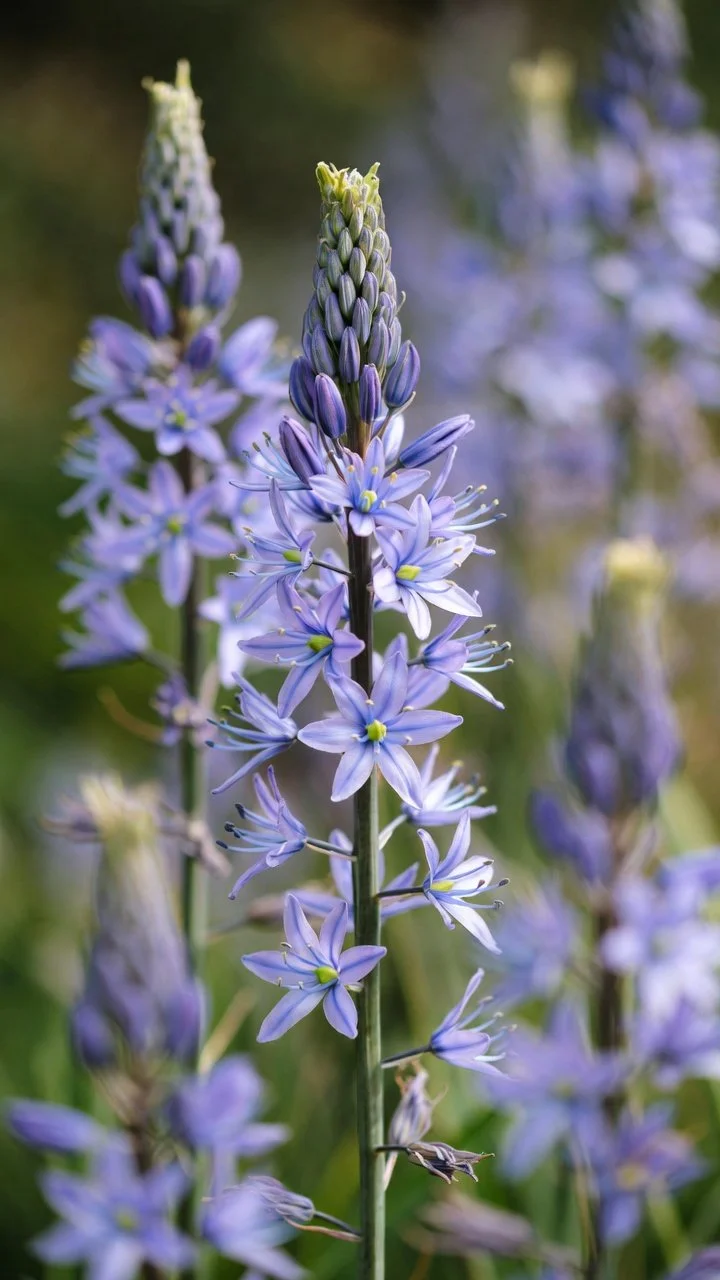
| Camassia (C. leichtlinii, C. quamash) | 60–90cm; May–June; H4 | Wet-meadow plant. Uses the moisture clay holds in spring. | September–November; 10–15cm deep, 10–15cm apart | Moist clay, not a winter pond. Best blue is usually C. leichtlinii 'Caerulea'. |
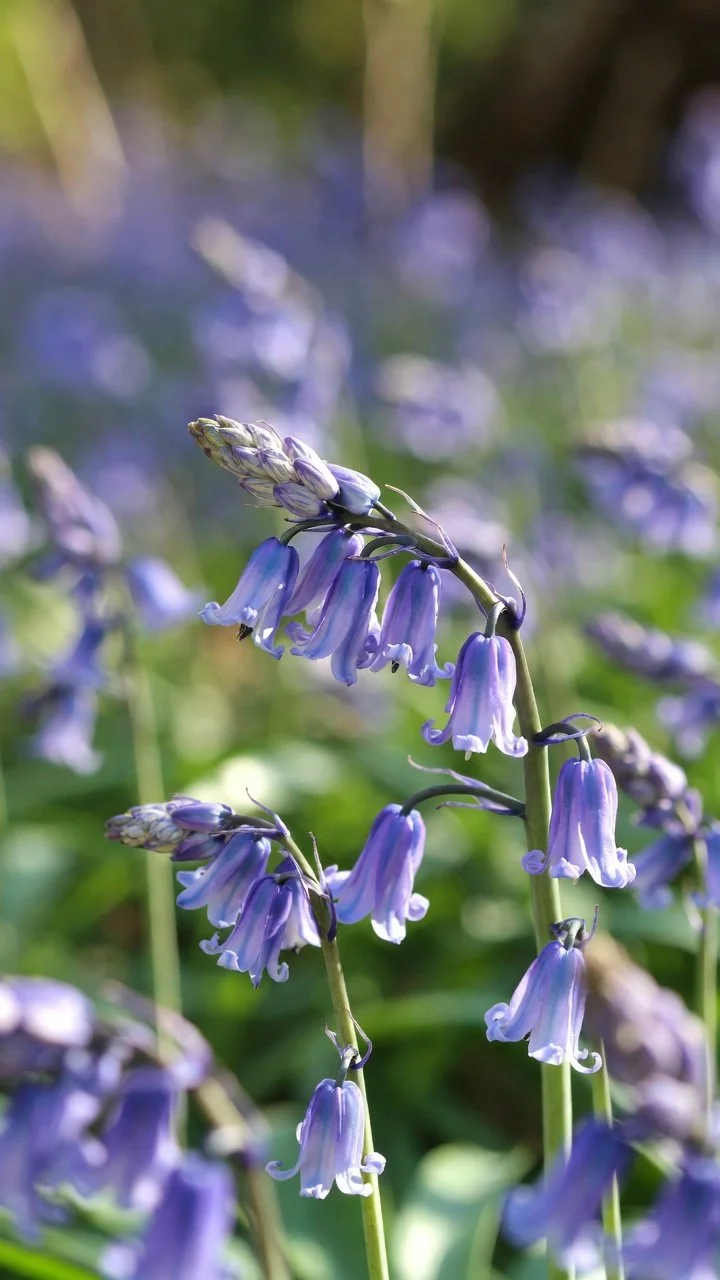
| English bluebell (Hyacinthoides non-scripta) | 20–40cm; April–May; H6 | Native woodland bulb, at home on the damp, heavy soil of British broadleaf woods. | September–October; 8–10cm. In-the-green plants in spring also establish well. | Buy named English stock only. Never lift from the wild. |
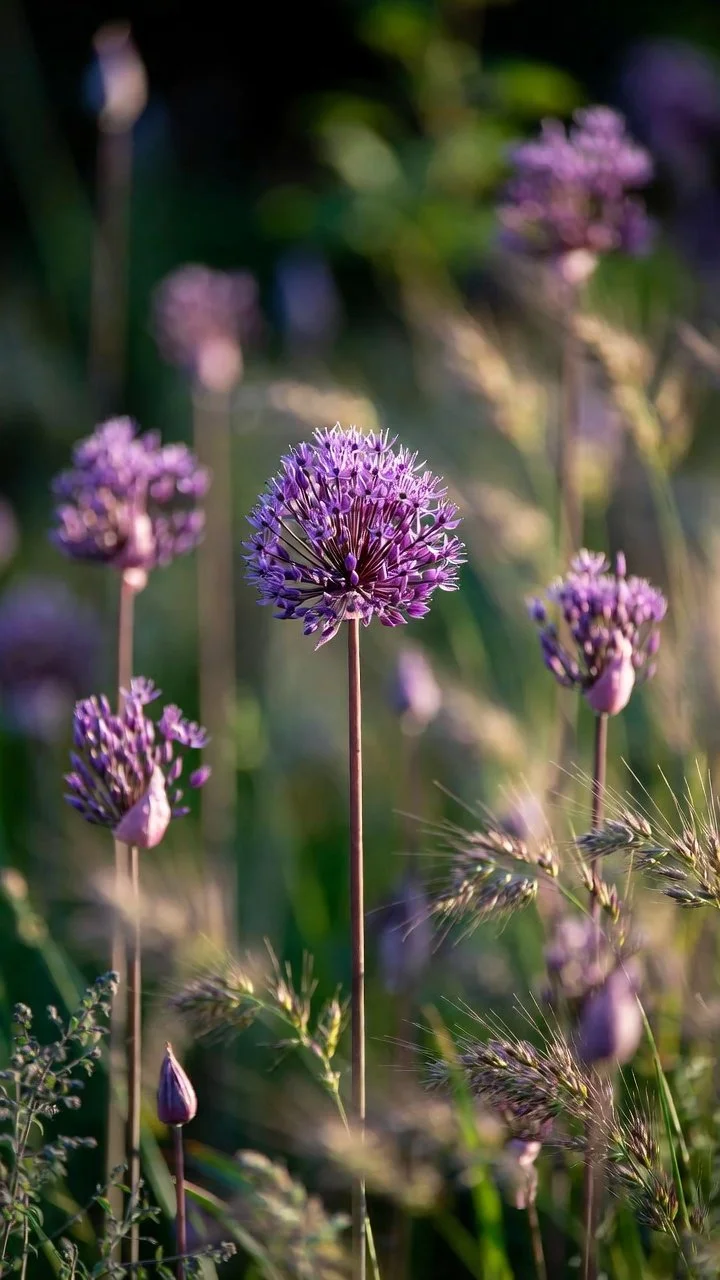
| Ornamental allium (selected types) | 40–120cm; May–July; H5 | It doesn't love wet clay. It can work with grit or pots. | September–October; 15–20cm for large bulbs (about four times the bulb) | Grit under the bulb, or grow in a pot and plunge it in April. |
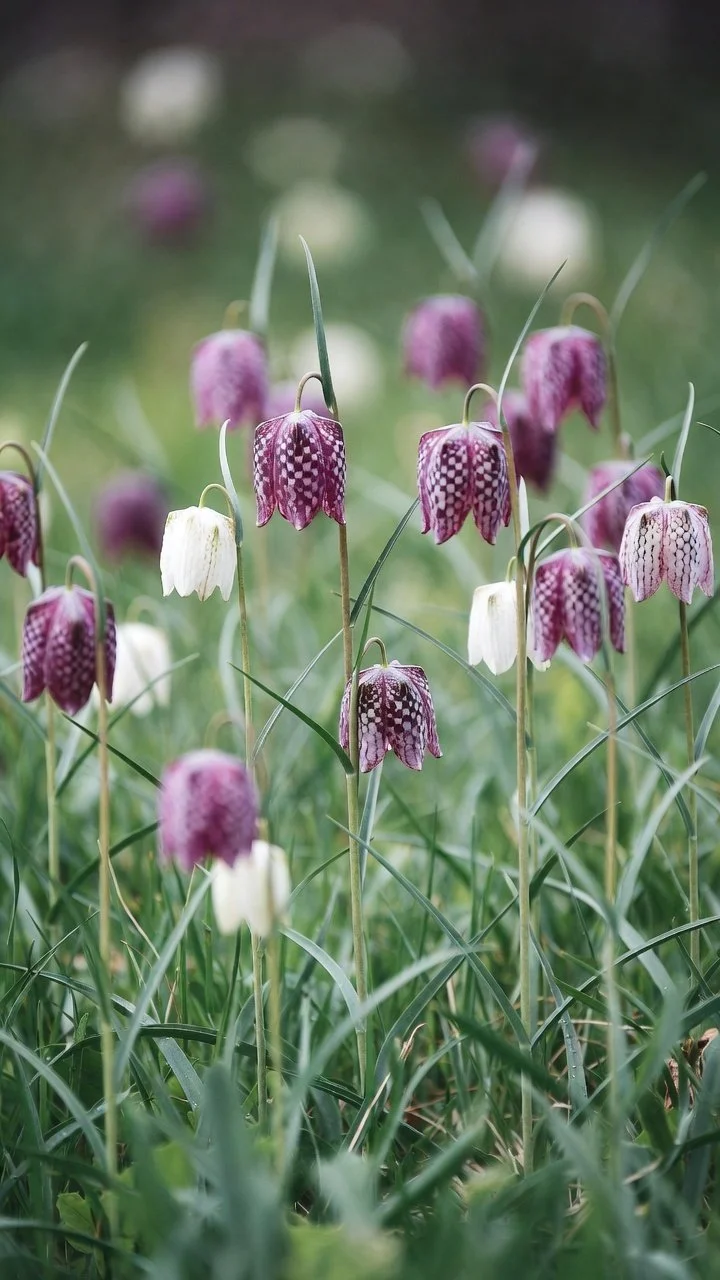
| Snake's-head fritillary (Fritillaria meleagris) | 20–30cm; April–May; H5 | Damp-meadow species. Happiest where clay stays moist in spring. | September–October; 8–10cm (about four times the bulb) | Bulbs are fragile. Handle them, don't squeeze them. Delay mowing if they're in grass. |
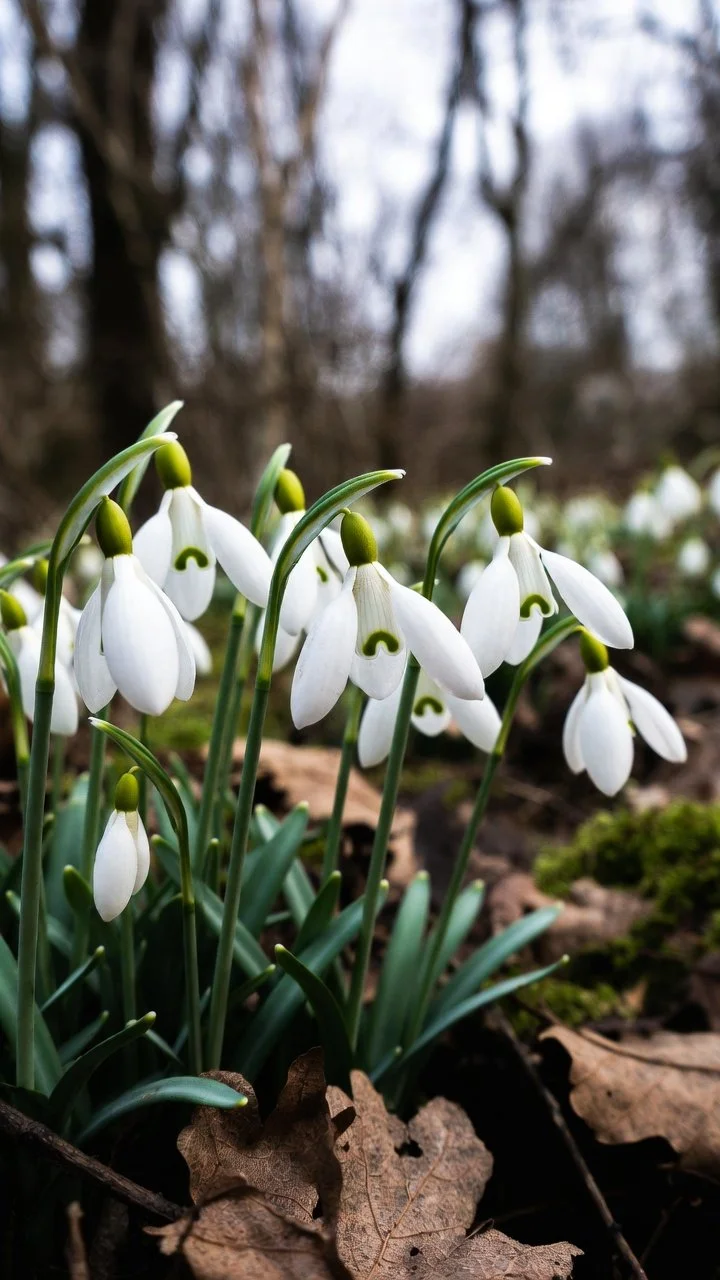
| Snowdrop (Galanthus nivalis) | 10–20cm; January–March; H5 | Woodland bulb that likes cool, moist heavy soil under deciduous trees. | Best in the green, February–March; dry bulbs September–October at 8–10cm | Dry packets are a gamble. Buy in the green if you can. 'Straffan' is a good AGM form. |
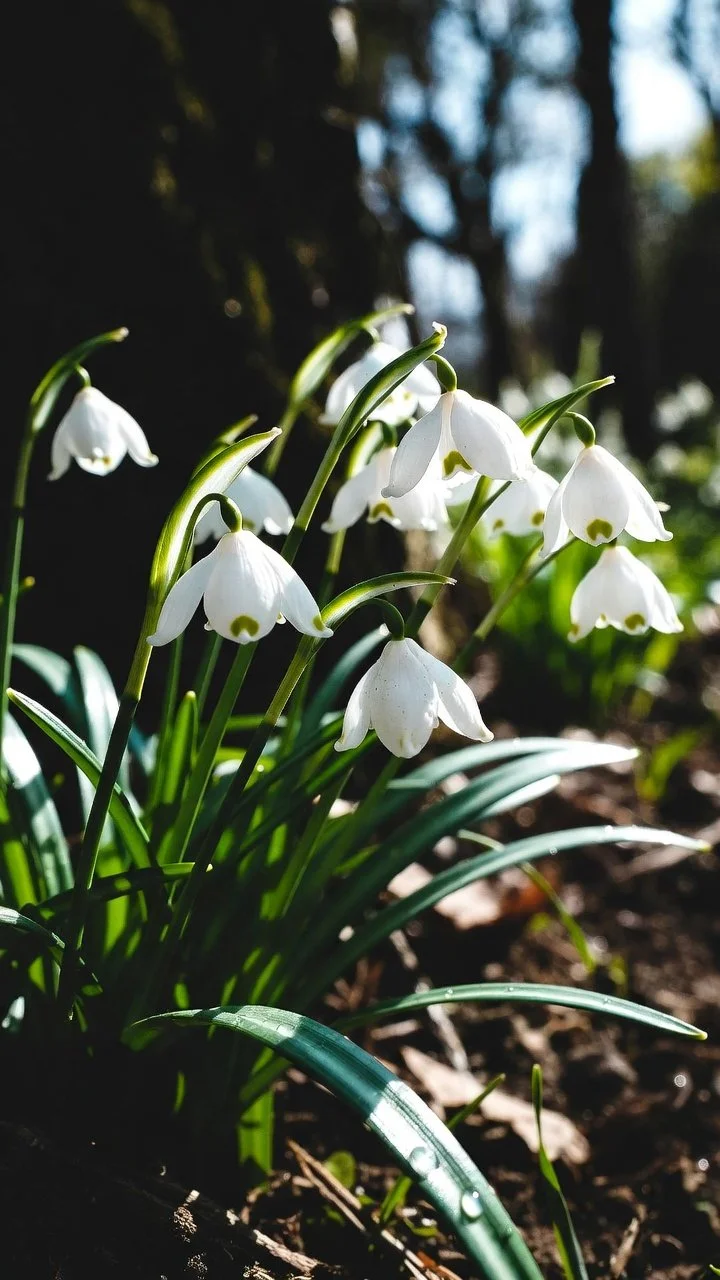
| Summer snowflake (Leucojum aestivum 'Gravetye Giant') | 50–80cm; April–May; H6 | River-margin plant. Tolerates seasonal flooding better than most bulbs. | September–November; 8–10cm deep | Use this in the wettest decent border, pond edge or low lawn. |
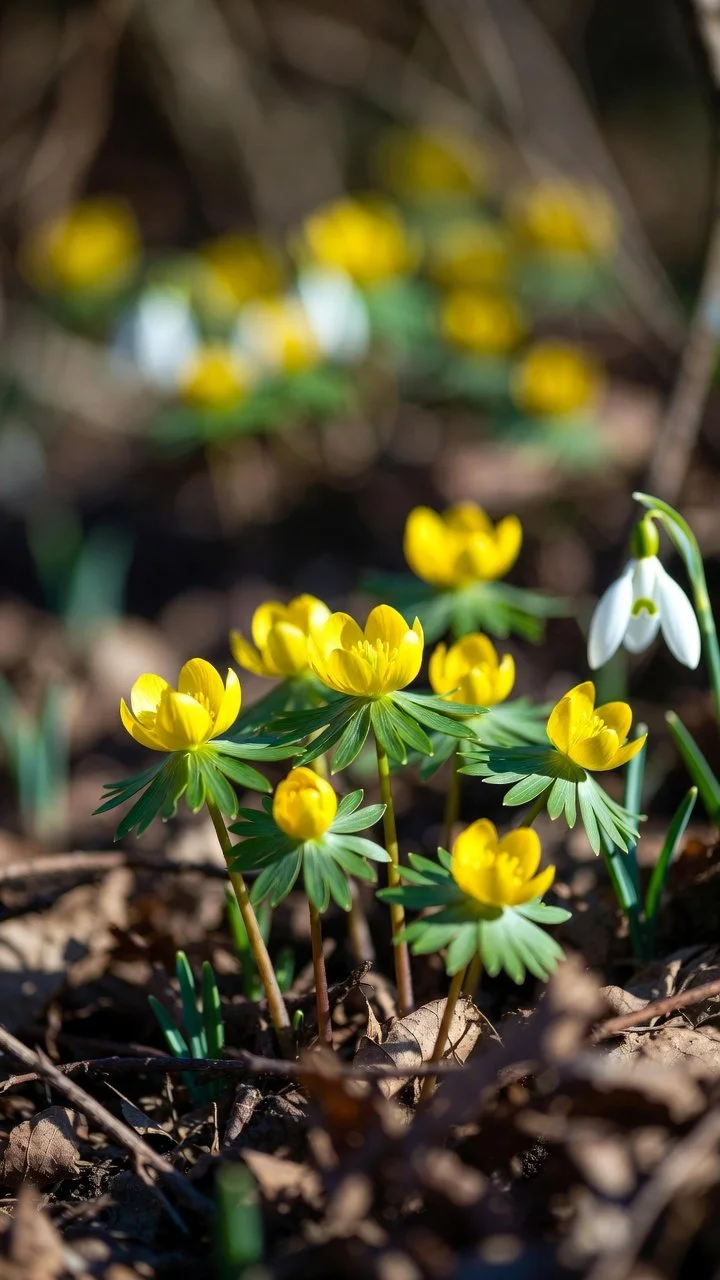
| Winter aconite (Eranthis hyemalis) | 5–10cm; January–February; H5 | Early woodland tuber that likes cool, moisture-retentive ground. | September–October; 3–5cm. Soak dry tubers overnight first. | In-the-green plants beat dried tubers. Pair with snowdrops under deciduous trees. |
A little more on each
Camassia. The one to plant if you try nothing else new. It comes from North American wet meadows, so heavy clay suits it, and it fills the May gap with tall blue or cream spikes as the daffodils go over. Give it damp clay, not a hole that sits wet all winter, and divide congested clumps in summer.
Snowdrops. They settle in cool, moist clay under deciduous trees, and are one of the very few bulbs the RHS names on its own clay-soil list. Plant them in the green in February or March rather than as dry autumn packets, which often sulk for a year. They're also one of the better deer-resistant bulbs (/blog/deer-resistant-plants-rural-buckinghamshire-gardens) for a rural garden, and all parts are toxic if eaten, so keep them out of a picking garden.
Snake's-head fritillary. The chequered purple or white bell of the Thames flood meadows, which tells you it wants spring moisture. Don't confuse it with crown imperial, which needs sharp drainage and rots on wet clay. Plant the fragile bulbs on their side if you can't find the point, and hold the mower until the leaves die back in late June.
Summer snowflake. A snowdrop that's put on height, flowering later on 50 to 80cm stems and holding an Award of Garden Merit. It takes seasonal flooding that would finish a tulip, so it's the bulb for the low corner, the pond edge, or the strip beside a downpipe that never quite dries. Like its snowdrop relatives, all parts are poisonous if eaten.
English bluebells. Both a British woodland native and comfortable on the damp, heavy soil of our broadleaf woods. Plant them in dappled shade under deciduous trees, in drifts rather than dots. Buy commercially grown, named English stock and read the label, because garden-centre bluebells are often Spanish or hybrids that cross with the native, and never lift them from the wild.
Winter aconite. The low yellow ruff that appears with the first snowdrops, and one of the few things that can make a January clay border look alive. Soak the dry tubers overnight before planting, and expect better results from plants bought in the green. They're harmful if eaten, so wear gloves, and the early flowers feed bees when little else is open.
Ornamental alliums. The honest exception, here because people look for them every September, not because they love wet clay. On free-draining ground they're outstanding, but in a winter-wet hollow they rot. Give them grit under the bulb or grow them in a plunged pot, and lean on their value to bees on clay (/blog/bees-buckinghamshire-clay-soil-pollinators).
How to plant bulbs in clay soil without them rotting
The method matters as much as the name on the bag.
1. Wait until the soil crumbles. If it smears, stop.
2. Open a hole with a trowel or a sturdy bulb planter. On compacted clay, a long-handled planter saves your wrists. Avoid a pointed dibber, which leaves a cavity under the bulb.
3. Roughen the sides and the base. A smooth, smeared hole on clay becomes a sump. Scratch the walls with the trowel so water can move and roots can leave the hole.
4. Match the backfill to the bulb. Moisture-lovers (camassia, leucojum, snake's-head, bluebells, snowdrops, winter aconite) get the excavated soil mixed with a little leaf mould or garden compost. Drainage-wanters (alliums, and any tulip you insist on trying) get grit under the bulb only.
5. Set the bulb at the depth in the table, point up where there's a point. Cover, firm lightly, and water once if the ground is dry.
6. Plant in groups of 7 to 15. A single bulb on clay looks lost and is easier to spear later with a fork.
7. Mulch the surface after planting with 3–5cm of compost or leaf mould. Don't bury the exact spot so deep you can't see the first shoots. An annual surface mulch does more for clay structure than one heroic session with a sack of grit.
If you're planting a lot, don't trench a whole border while the ground is wet. You'll compact the clay you've just opened. Work from a board if you must stand on the bed.
Pots are still useful. Use a loam-based, peat-free compost with added grit, and lift pots onto feet so winter rain can leave. That's the honest home for tulips on a clay plot, and the detail lives in our tulip and daffodil timing guide.
Bulbs to skip on wet clay (and what to do instead)
These aren't bad plants. They're bad plants for a winter-wet clay hole.
● Tulips. They want a dry summer rest and hate sitting wet. Grow them in pots or add grit and accept they may be short-lived in the ground. November planting still helps against tulip fire. Full timing is in the existing guide.
● Hyacinths. Beautiful in a pot by the door. Unreliable in unimproved clay.
● Crown imperial. Needs sharp drainage. On wet clay it's a one-season plant at best.
● Dutch iris and many reticulata iris. Fine in a raised, gritty pocket or a pot. Poor in a smearing border.
● Most large alliums without grit. See above.
If the whole garden behaves like a pond from November to March, fix the structure first. Raised beds on clay give bulbs a fighting chance. Then plant the seven above into the better-drained top layer.
Around the bulbs, use the perennials and shrubs that already earn their place on Buckinghamshire clay, so hellebores under the snowdrops, hardy geraniums and pulmonaria through the fritillaries, and later grasses and shrub structure from our low-maintenance clay plant list.
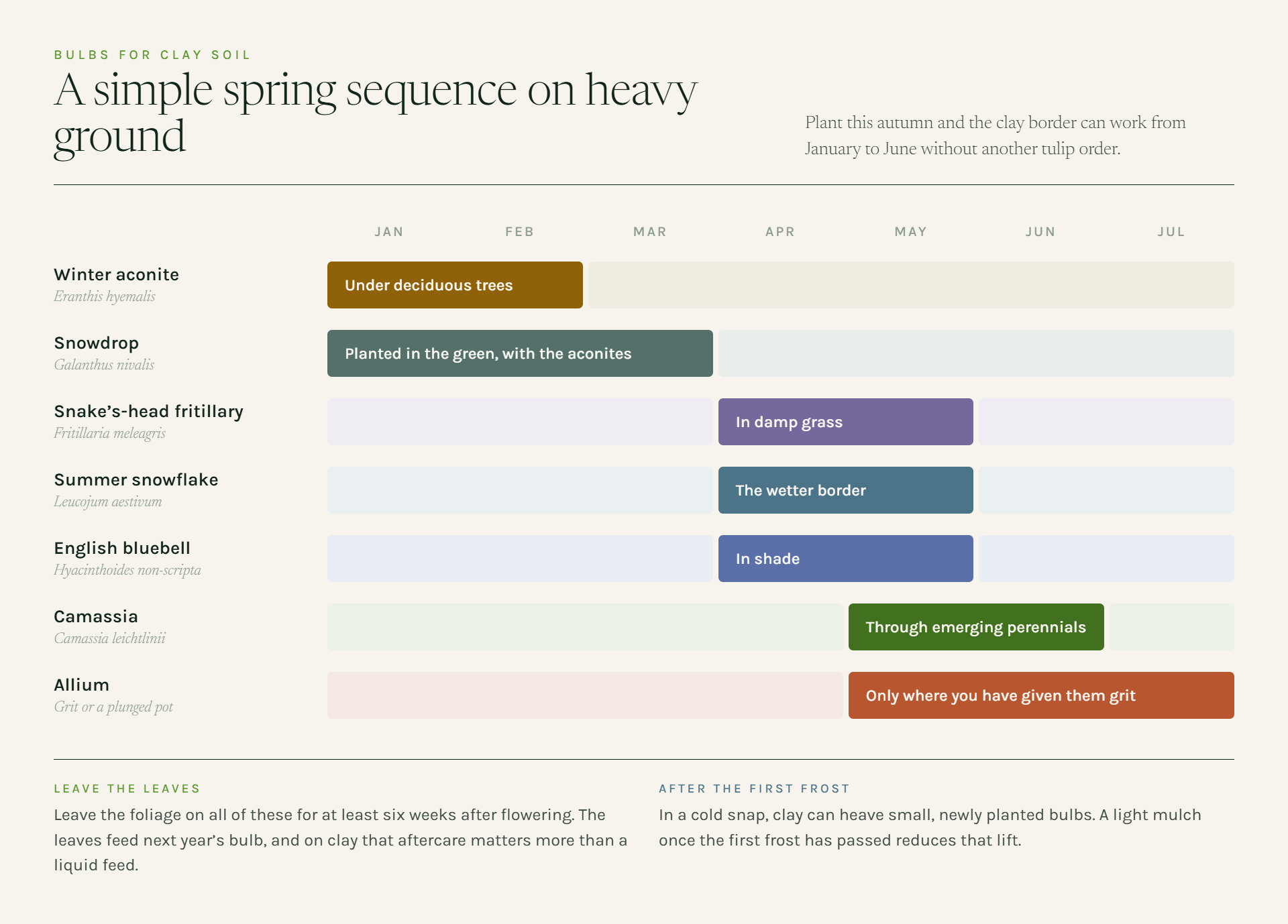
A simple spring sequence on heavy ground
Plant this autumn and the clay border can work from January to June without another tulip order.
● January and February, winter aconite and snowdrops under deciduous trees.
● April and May, snake's-head fritillary in damp grass, leucojum in the wetter border, English bluebells in shade.
● May and June, camassia through emerging perennials.
● May to July, alliums only where you've given them grit or a plunged pot.
That sequence is the shareable bit. It's also the bit most generic 'best spring bulbs' articles miss, because they start with tulips and stop when the clay gardener has already lost the display.
Leave the foliage on all of these for at least six weeks after flowering. The leaves feed next year's bulb. On clay, that aftercare matters more than a liquid feed.
In a cold snap, clay can heave small, newly planted bulbs. A light mulch after the first frost reduces that lift.
Common questions
What bulbs grow in clay soil in the UK?
The most reliable autumn-planted bulbs on heavy UK clay are camassia, snowdrops, snake's-head fritillary, summer snowflake (Leucojum aestivum), native English bluebells and winter aconite. Daffodils also cope on many clay gardens. Alliums can work if you add grit or grow them in pots. Tulips and hyacinths are safer in containers.
Can you plant tulips in clay soil?
You can, but they often rot or fade after one season if the ground stays wet in winter. Plant them late, in November, on a raised or gritty spot, or grow them in pots. For timing and depth, use our tulip and daffodil planting guide rather than forcing them into the wettest clay.
When should I plant bulbs in clay soil?
September to November for most of the bulbs in this list, once the soil is workable. Plant snowdrops and winter aconites in the green in February or March if you can. Don't plant while the clay smears. After a very wet autumn, wait for a drier spell rather than planting into a puddle.
Do snowdrops like clay soil?
Yes, if it's cool, moist and not a winter pond. They do particularly well under deciduous trees on heavy ground. Plant them in the green for the best take. The RHS includes snowdrops on its clay-tolerant lists.
What is the best bulb for wet clay?
For a border that stays damp, camassia is the most useful mid-height plant. For the wettest decent corner, Leucojum aestivum 'Gravetye Giant' is the safer choice. Neither wants a hole with no structure that holds water for months.
Should I add grit when planting bulbs in clay?
Only under bulbs that need drainage, such as alliums and tulips. Moisture-loving bulbs do better with leaf mould or compost mixed into the backfill. A grit layer under a camassia or leucojum can perch the bulb in a wet hole rather than help it. Always roughen the sides of the hole so it doesn't act as a sump.
Are bluebells OK in a clay garden?
Native English bluebells are. Plant commercially grown Hyacinthoides non-scripta in shade. Don't dig them from the wild. Avoid Spanish bluebells if you want the native form to stay true.
How do I stop bulbs rotting in clay?
Choose the seven above, plant only when the soil crumbles, scratch the sides of each hole, match grit to the bulbs that need it, and keep tulips and hyacinths in pots if the border stays wet. An annual surface mulch improves the top layer without digging the whole bed.
Can I naturalise bulbs in a clay lawn?
Snake's-head fritillary, snowdrops and winter aconites can naturalise in grass that stays moist and isn't mown until the leaves die back. Camassia works in long grass if you can leave the foliage. It's a poor choice in a lawn you cut from April. Alliums and tulips aren't good clay-lawn plants.
Where to go next
| Article | Best for | Who it suits |
|---|---|---|
|
|
Timing, depth and containers for the two bulbs not listed here | Anyone who still wants tulips or daffs alongside these seven |
| Shrubs and perennials to plant around the bulbs | Clay gardeners who want the border to work after June | |
| Structure when a corner stays waterlogged | Plots where bulbs rot because the ground never drains | |
| Pollinator value of alliums, crocus and clay perennials | Readers who want spring bulbs to work for wildlife as well as colour |