
Why Autumn Could Be the Best Time to Plant Your Garden ?
Creating beautiful gardens that can thrive through hotter, drier UK summers. After such a long, hot and challenging summer, it is easy to look at a garden and feel disheartened.
Lawns have turned brown, some plants are looking tired and others may not have survived the heat at all. If you have been spending hours watering your garden, or worrying about plants during periods of water restrictions, you may even be wondering whether it is worth planting anything new.
Please don't give up on your garden.
A difficult summer doesn't mean you need to abandon your planting plans. In fact, it gives us valuable information about which plants are best suited to your garden and to the changing UK climate. At Vivid Gardens, we are increasingly designing gardens with drought-tolerant and resilient plants that can cope with sunny, exposed and free-draining conditions once they are properly established. The key is choosing the right plant for the right place.
Don't Give Up on Planting
It can be tempting to wait until next year when a garden has suffered through a particularly hot summer.But autumn is just around the corner, and autumn can be an excellent time to plan and plant a garden.The cooler temperatures and generally damper conditions give plants a much better opportunity to establish their roots before the following summer. However, there is an important point to remember: A drought-tolerant plant isn't drought-tolerant immediately. Even plants that are naturally adapted to dry conditions need regular water while they are establishing.
A newly planted lavender, for example, cannot immediately be expected to survive weeks without water simply because mature lavender is drought tolerant. The roots need time to grow into the surrounding soil. This is why we carefully consider planting time, soil preparation, irrigation and plant selection when creating a new garden.
For many years, we have often recommended spring as the ideal time for planting. Traditionally, spring offers cooler temperatures, more rainfall and a long growing season ahead, giving new plants plenty of time to establish their roots before the heat of summer and the colder months of winter.
However, our weather patterns have been changing.
Over the last few years, we have experienced increasingly dry springs followed by long, hot and dry summers. This can make spring planting much more challenging, particularly for gardens without an irrigation system.
Without an irrigation system, keeping newly planted areas consistently watered can also become quite demanding for homeowners.
Is Spring Still the Best Time to Plant?
Spring can still be a very good time to plant, but it is no longer always the easiest option.
When newly planted shrubs, perennials and trees are establishing their roots, they need a reliable supply of water. If the spring is unusually dry, plants can struggle to develop a strong root system before summer arrives.
A plant may look healthy when it is first planted, but its root system needs time to establish itself in the surrounding soil. If the soil becomes very dry during this crucial period, the plant can become stressed and may take much longer to establish.
Why Consider Autumn Planting?
For many of our clients, we are now increasingly recommending autumn planting, particularly from September onwards, where the site and planting scheme are suitable.
As temperatures begin to fall, conditions become much more comfortable for newly planted plants. We can also expect more rainfall and regular showers compared with the drier summer months.
Perhaps most importantly, the soil can remain relatively warm in early and mid-autumn.
This creates excellent conditions for root development. Although plants are no longer putting as much energy into vigorous top growth, their roots can continue developing beneath the soil.
By the time spring arrives, an autumn-planted garden can already have a well-established root system, giving the plants a valuable head start for the growing season ahead.
Don't Forget to Mulch After Planting
Another advantage of planting in autumn is that it is an excellent time to mulch your newly planted beds.
At Orbit Gardens, we often use well-rotted mushroom compost as a mulch after planting. Applied around the plants, while keeping it clear of the crowns and stems, mulch can provide several benefits during the autumn and winter months.
It can help to:
Reduce weed growth, meaning less competition for newly planted plants.
Retain moisture in the soil and reduce moisture loss.
Protect the soil surface from the effects of heavy rain and changing weather conditions.
Provide some insulation around plant roots during periods of cold weather and frost.
Help protect newly planted perennials as they settle in for the winter.
For a newly planted garden, this extra layer of protection can be particularly helpful if we experience a cold, wet or frosty winter.
Mulching therefore works very well alongside autumn planting. You are not only giving plants the opportunity to establish their roots while the soil is still relatively warm, but also helping to protect the soil and root systems as the garden moves through winter.
Autumn Planting Can Prepare Your Garden for Summer
One of the biggest advantages of planting in autumn is that you are not waiting until spring to begin establishing your garden.
Planting in autumn gives your plants several months to settle into their new environment before the following summer.
By next spring, your garden can already have:
Well-established roots
Stronger, healthier plants
A head start on seasonal growth
Better preparation for warmer and drier weather
Less pressure on plants during their first summer
This can be particularly beneficial when there is no automatic irrigation system available.
What About Planting in Late Autumn?
Late autumn can also be an excellent planting period, provided the ground is workable and conditions are suitable.
The soil should not be waterlogged or frozen, but when conditions are right, planting during the cooler months allows plants to settle without the stress of summer heat.
For many trees, shrubs and hardy perennials, this can be an excellent opportunity to get them established before the following growing season.
A More Flexible Approach to Garden Planting
There is no single planting season that is perfect for every plant or every garden.
The right timing depends on the type of plant, soil conditions, exposure, drainage and the availability of water. However, with increasingly unpredictable weather, autumn planting is becoming an option worth considering for many gardens across Berkshire, Buckinghamshire and the surrounding areas.
If you are planning a new planting scheme, garden makeover or landscape project, it may be worth considering whether autumn could be the right time to start.
Get Your Garden Ready for Next Year
If you are thinking about transforming your garden, autumn could be the perfect opportunity to get started.
With careful plant selection, good planting conditions and a suitable mulch, your garden can spend the cooler months developing its roots and preparing for the following spring and summer.
At Vivid Gardens, we can help you choose the right plants, planting time and soil preparation to create a garden designed to thrive in your local conditions.
Getting your plants into the ground this autumn could mean enjoying a stronger, more established garden next summer.
Our Favourite DryTolerant Plants
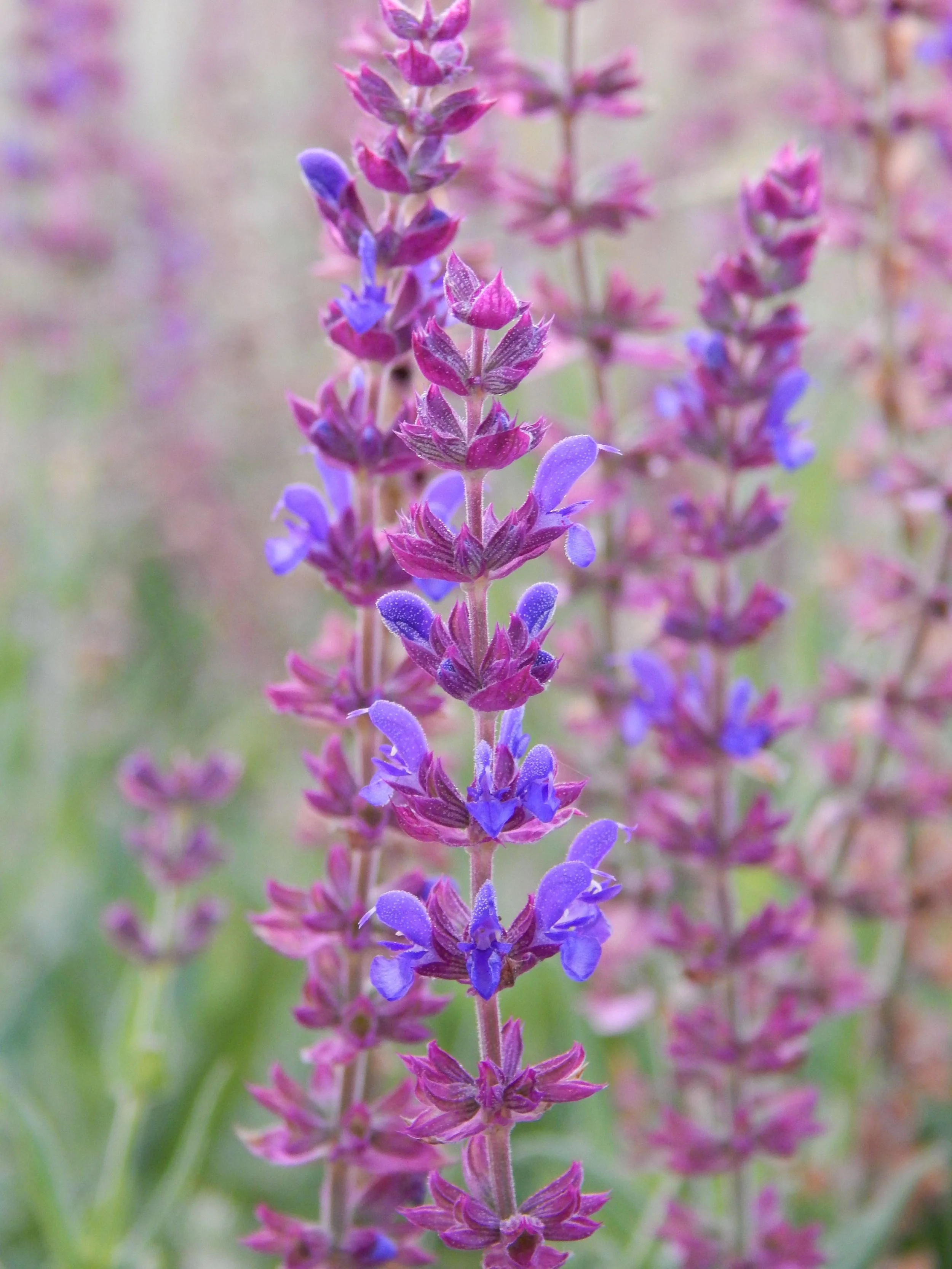
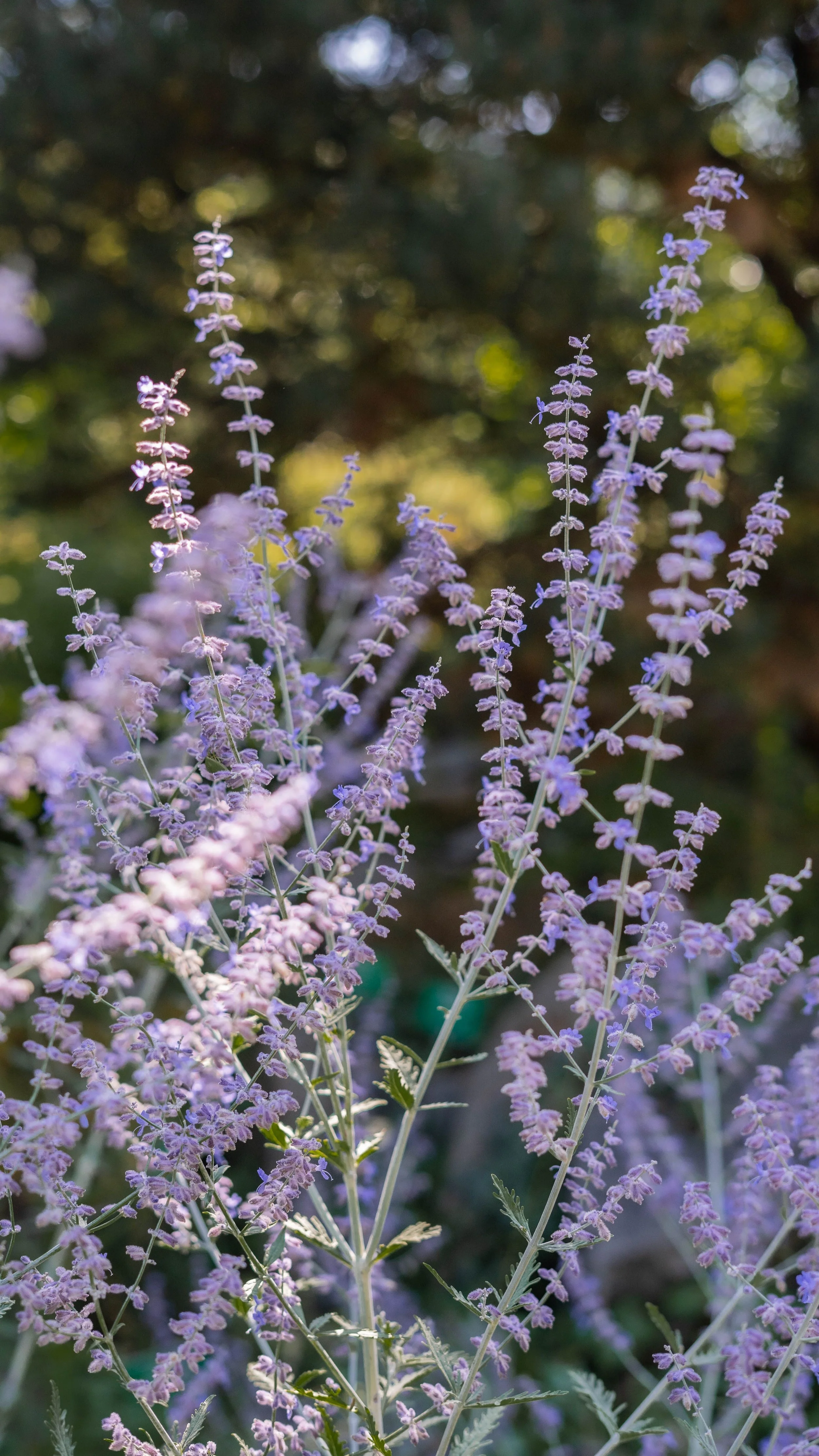
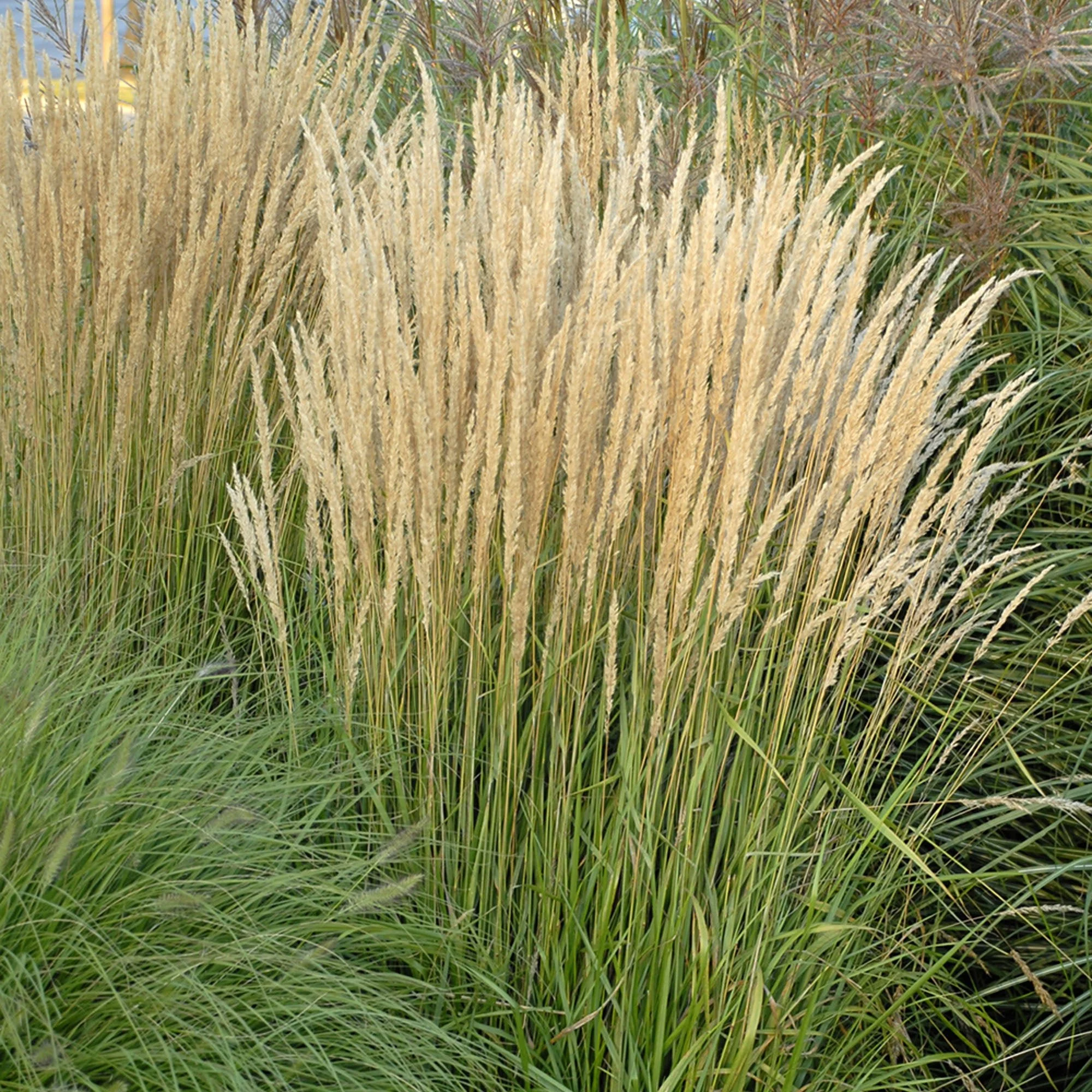
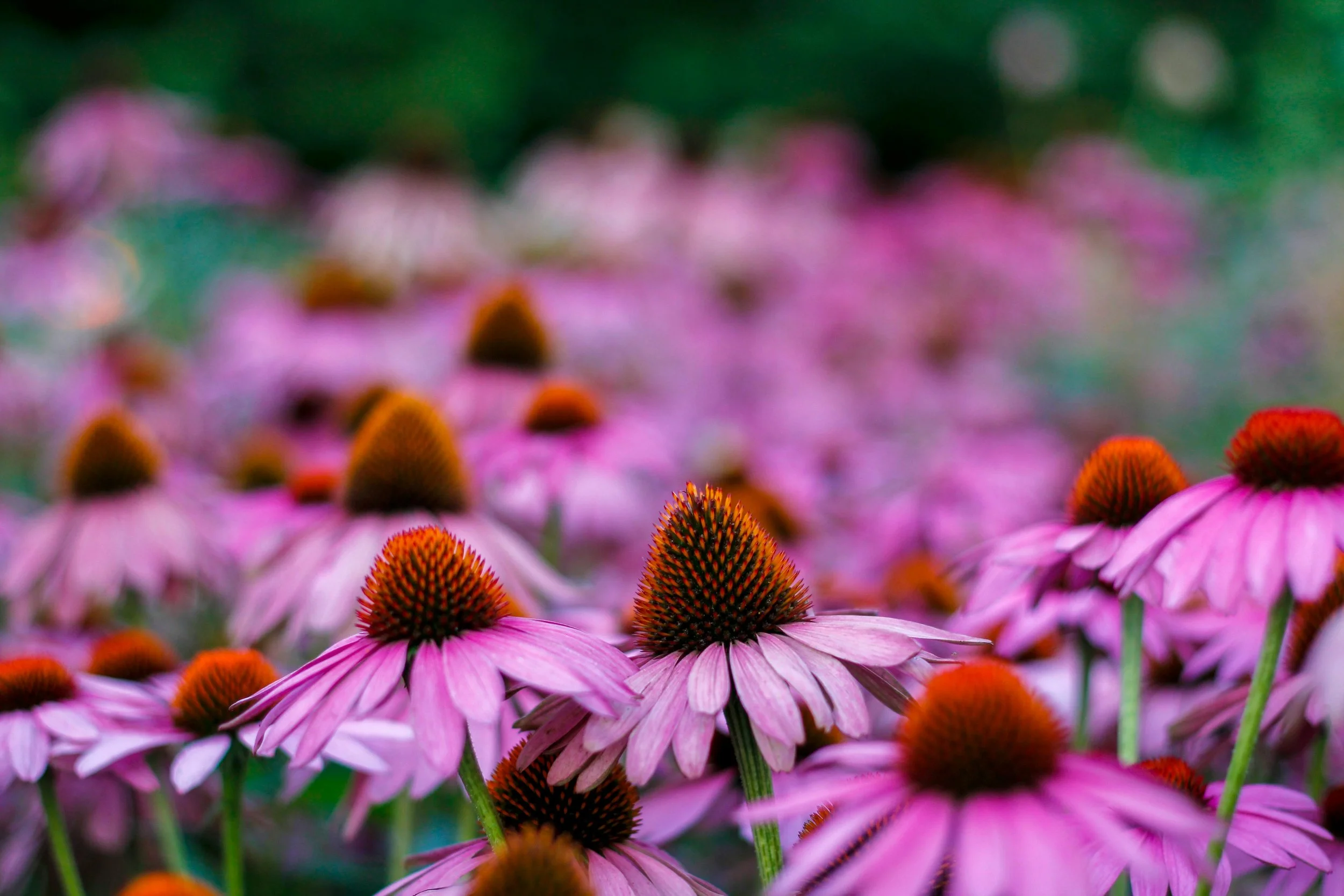
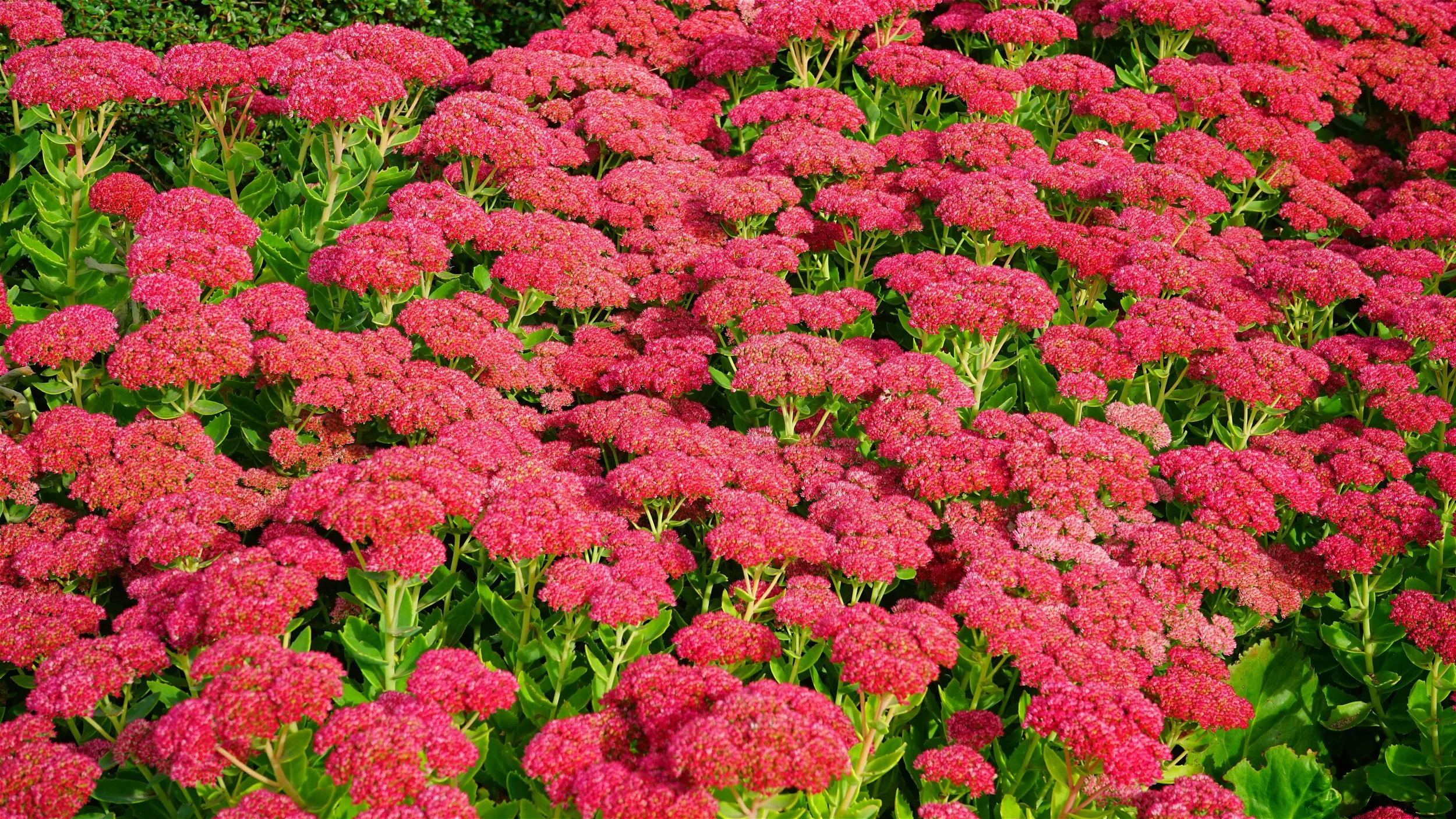
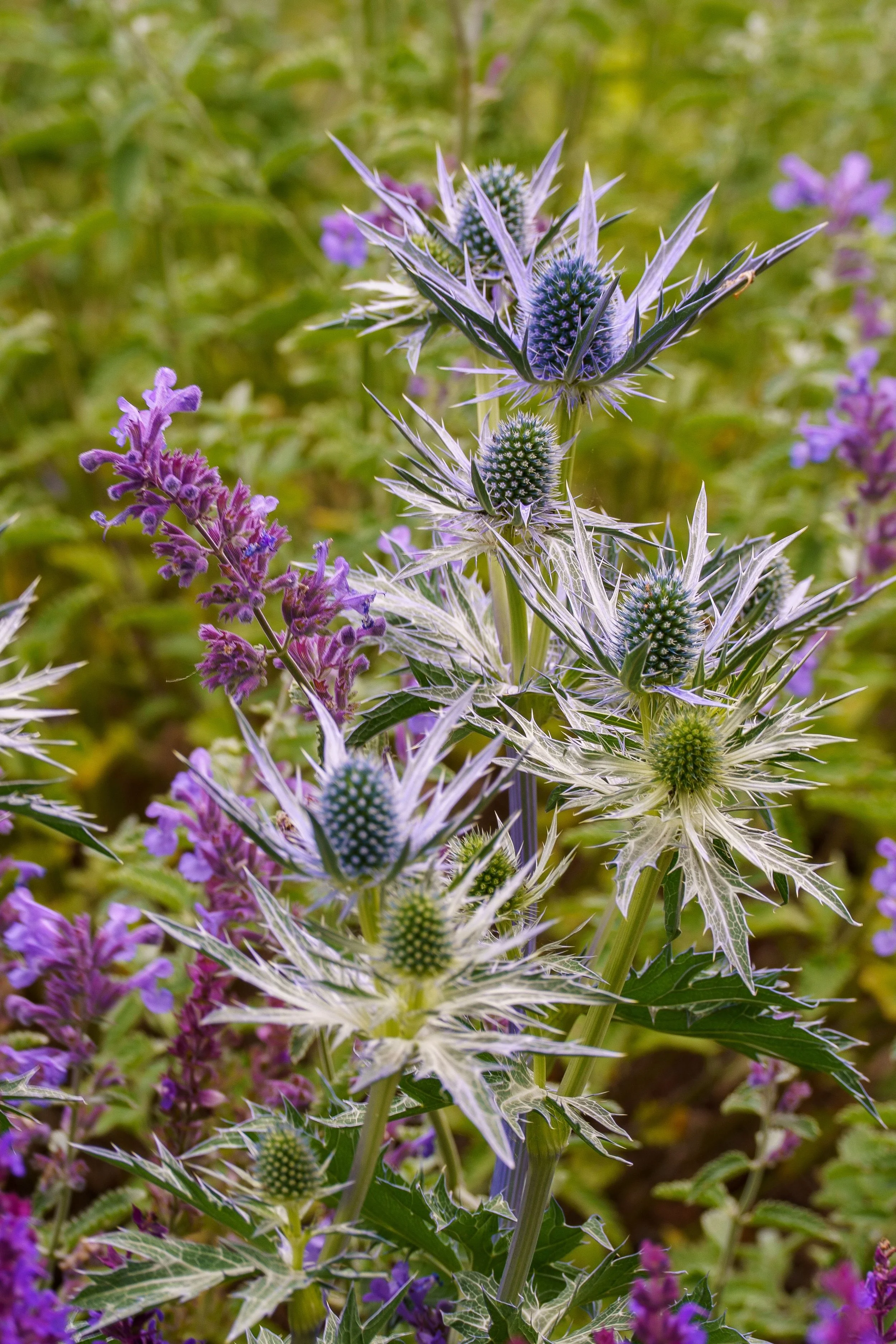
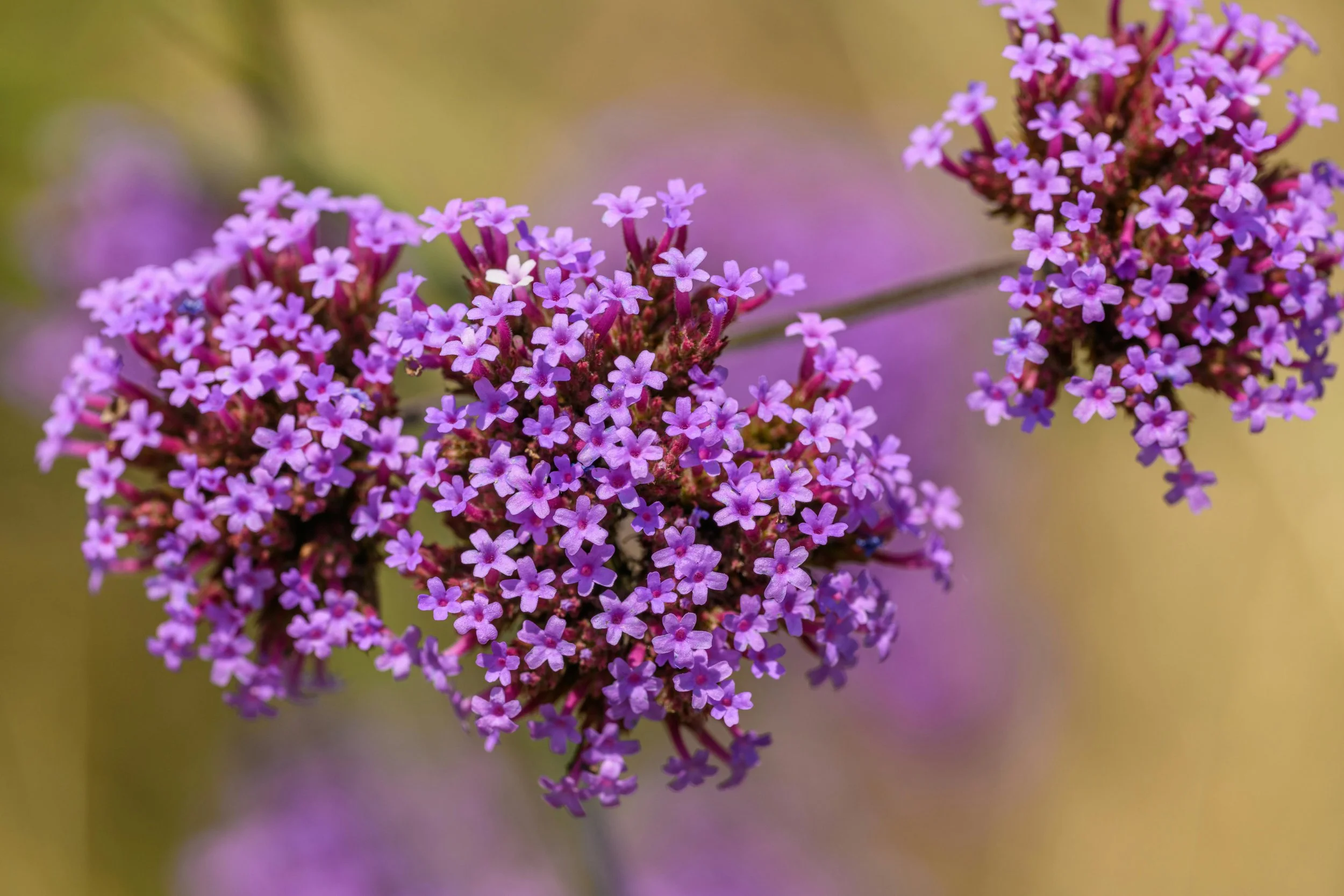
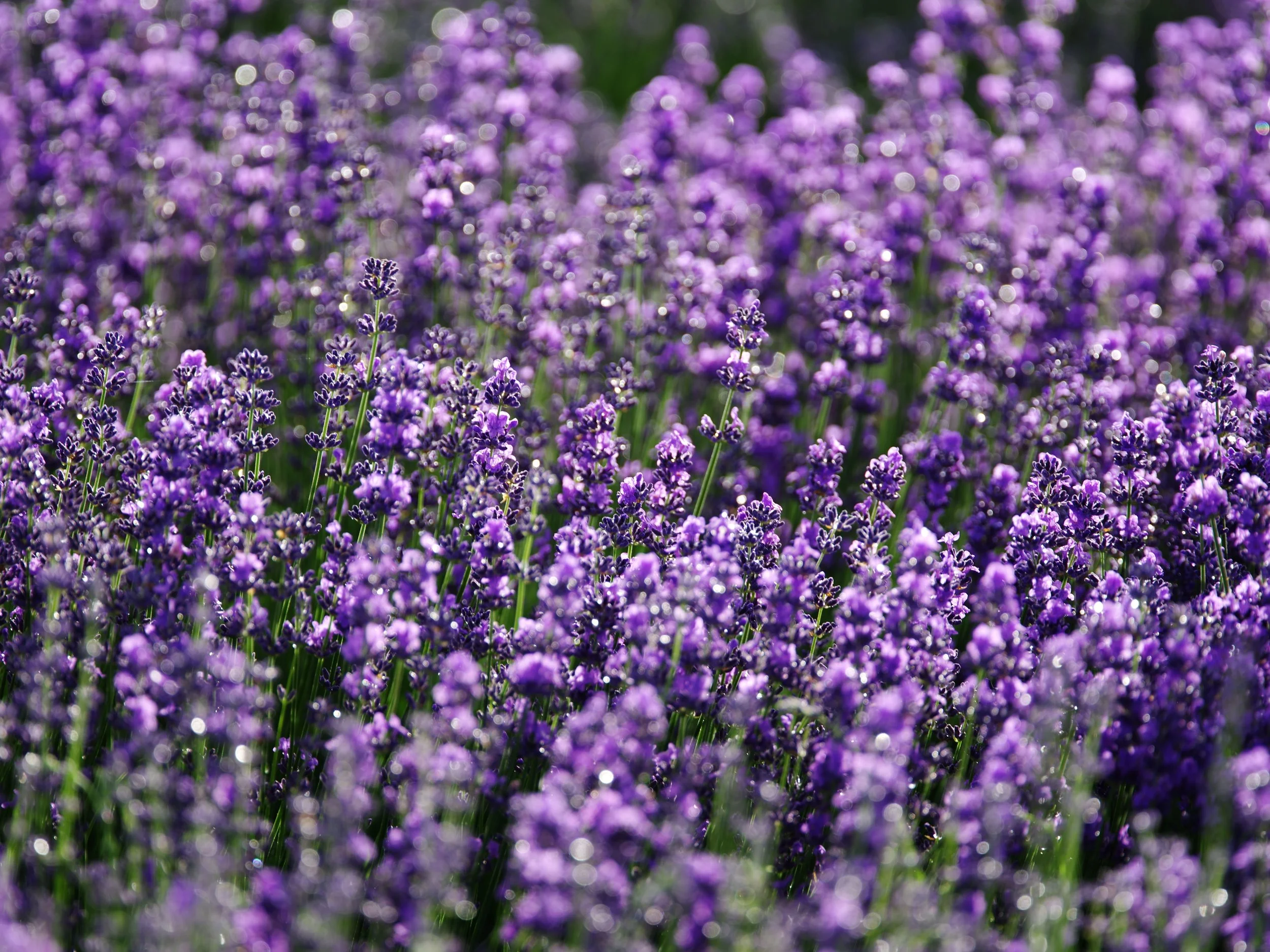
There are many beautiful plants that can cope with hot, sunny conditions.
Some of our favourites at Vivid Gardens include:
Lavender– fragrant, long flowering and fantastic for bees.
Salvia– beautiful flower spikes and a wonderful choice for sunny borders.
Perovskia (Russian Sage) – silvery foliage and soft blue flowers create a relaxed, Mediterranean feel.
Verbena bonariensis – adds height and movement without making a border feel heavy.
Stipa tenuissima– one of our favourite ornamental grasses for movement and texture.
Echinacea – colourful, long flowering and attractive to pollinators.
Hylotelephium (Sedum) – excellent for dry borders and provides valuable late-season colour.
Agastache – loved by bees and butterflies and particularly effective in sunny planting schemes.
Santolina – silver foliage and yellow flowers make this a great Mediterranean-style plant.
Rosemary and Thyme– both useful, beautiful and naturally suited to dry conditions.
Caryopteris– a fantastic late-summer flowering shrub with blue flowers and aromatic foliage.
The right plant + the right place + healthy soil + sensible watering = a garden with a much better chance of thriving.
This is particularly important across Buckinghamshire and the surrounding areas, where gardens can have very different conditions from one property to the next.
Whether you're gardening in Thame, Long Crendon, Chearsley, Marlow, Henley, Amersham, Chesham or Beaconsfield, your garden has its own unique microclimate.
A south-facing garden in Marlow may have very different requirements from a sheltered garden in Chesham, while a heavy clay soil in one part of Buckinghamshire can behave completely differently from a free-draining soil elsewhere.
In fact, some of the most resilient plants can bring wonderful colour, texture, movement and wildlife into a garden.
The future of garden design is about creating spaces that are beautiful, practical, sustainable and better suited to the conditions we are experiencing.
So, if your garden has struggled this summer, don't give up on it.
Get in touch with Vivid Gardens to discuss your garden and discover how thoughtful planting and good garden design can help it thrive.