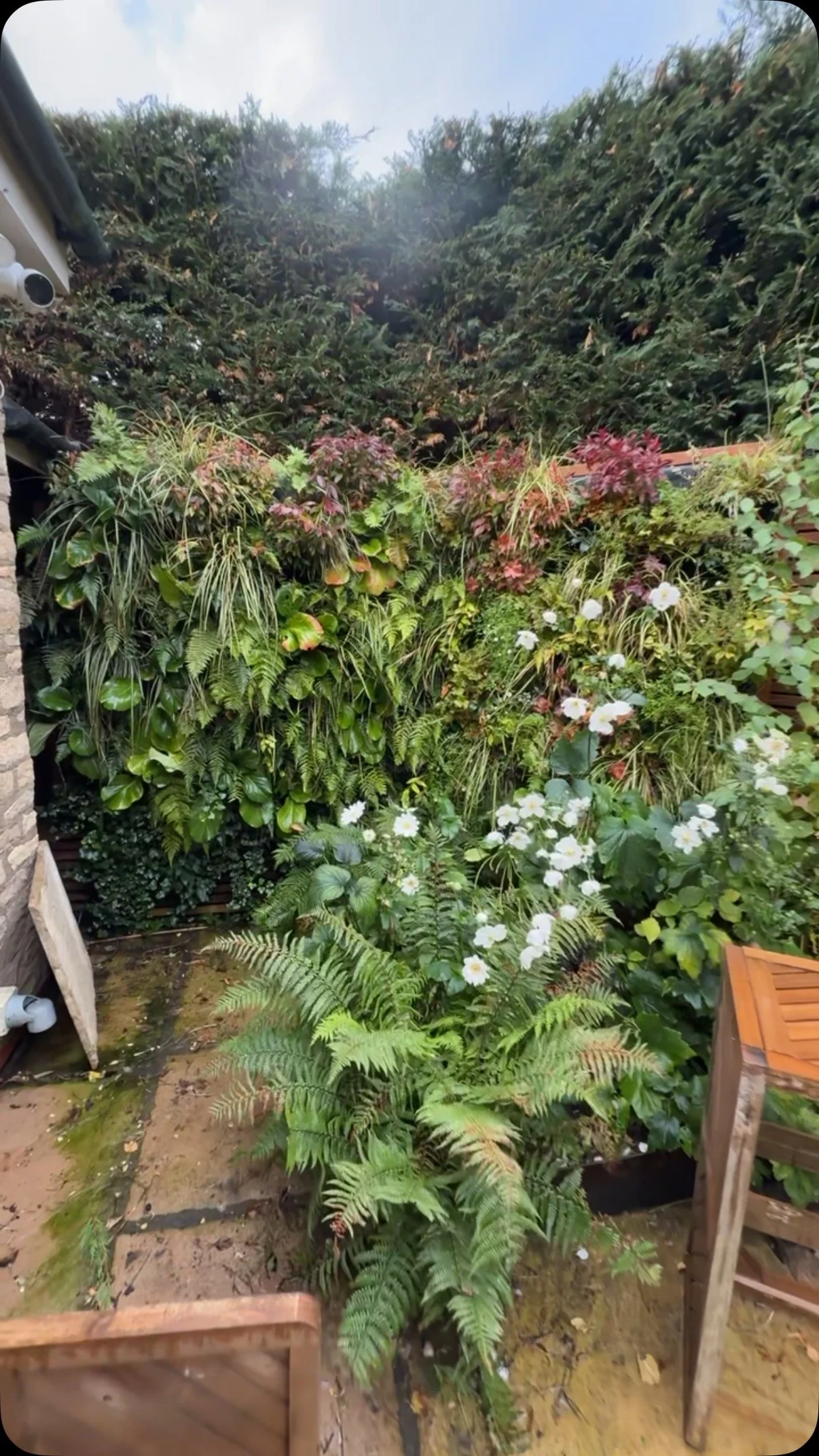
Garden Design and Landscaping in Watford
Structure, privacy and planting for Watford's gravel, clay and riverside gardens
Vivid Gardens designs, builds and plants residential gardens in Watford and across south-west Hertfordshire, working from our Beaconsfield base across the Home Counties.
Watford sits where the Chiltern Hills run down to meet the London Basin, with the River Gade winding through Cassiobury Park and the River Colne along the town's eastern edge. That position gives the town a surprising mix of ground. Most Watford gardens sit on free-draining gravel over chalk, but the south-east corner runs to heavier clay that holds water in winter, and the ground turns seasonally wet and acid up towards the north-east. Two gardens a short drive apart can need genuinely different planting.
We think that's the most useful thing to understand before designing a garden here, and it's why we start with the site rather than a style.
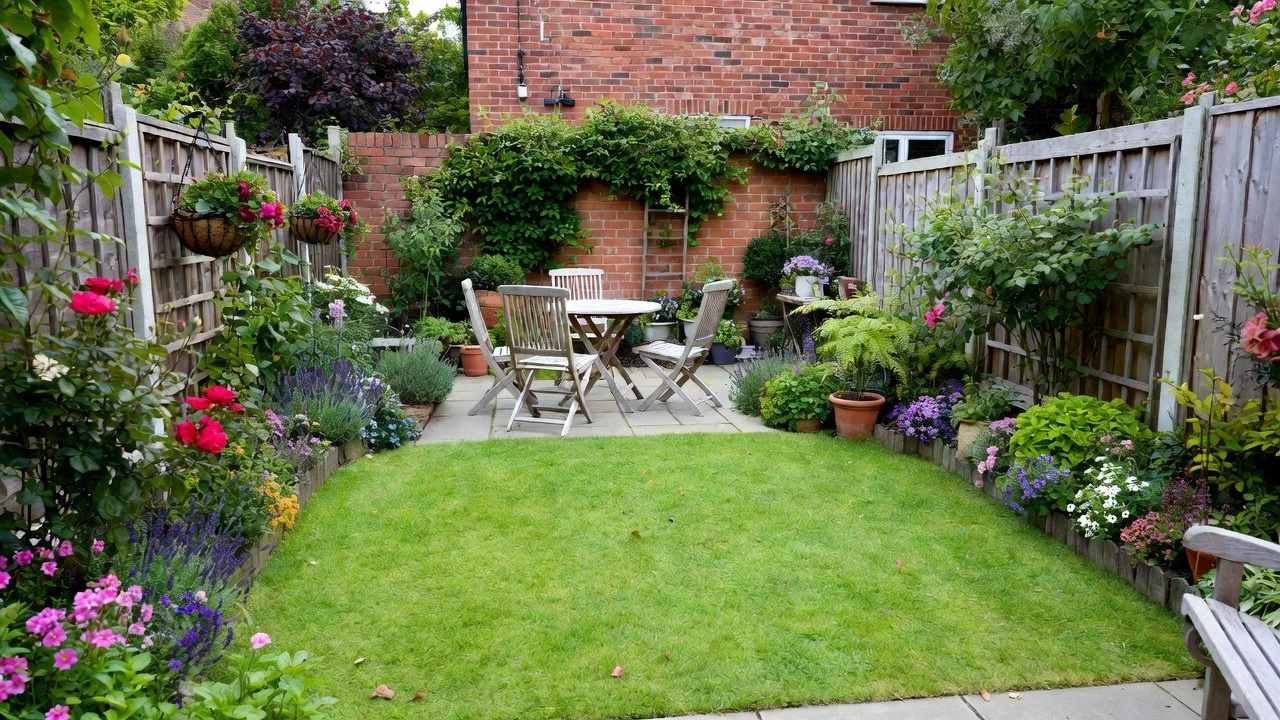
The ground under Watford garden
Through the centre and south of the town, most gardens sit on loamy soil over gravel and chalk. It drains freely, warms early and rarely waterlogs, but it can run dry and hungry by high summer, so planting needs to be chosen for resilience rather than constant watering.
Towards the south-east, around Oxhey and the Bushey side, the ground shifts to heavier clay and silt. Drainage slows, lawns sit wet after winter rain, and borders can waterlog in a bad spell then set hard in a dry August. That ground rewards drainage thought through before planting, and plants that genuinely cope with both extremes. On the worst of it, raised beds are often the most reliable fix for drainage on clay.
North-east of the town, out towards Garston, Leavesden and Bricket Wood, the soil turns seasonally wet, slightly acid and clayey. Different again, and it changes what will thrive.
We check the actual conditions on site rather than assuming, because in Watford the postcode alone doesn't tell you what you're planting into. Getting this wrong is the most common reason a new scheme looks tired by its second summer. It's rarely the plant choice on its own. It's the plant choice against the wrong ground.
Riverside ground and damp gardens
The Gade and the Colne both leave their mark on nearby gardens. Ground close to the rivers sits on alluvium, which means a higher water table, damper lawns and planting that needs to tolerate wet feet in winter. That's not a problem to design away, it's a condition to design with, and the right planting turns a damp corner from a liability into the richest part of the garden.
Wet ground shows up in lawns first. If a new lawn never quite takes, the cause is usually underneath it rather than the turf itself, which we cover in why new lawns struggle and the fixes that work. Gardens that swing between winter wet and summer dry are also exactly where plant choice earns its keep, and we've written about climate-resilient plants for flood and drought if you want the practical detail.
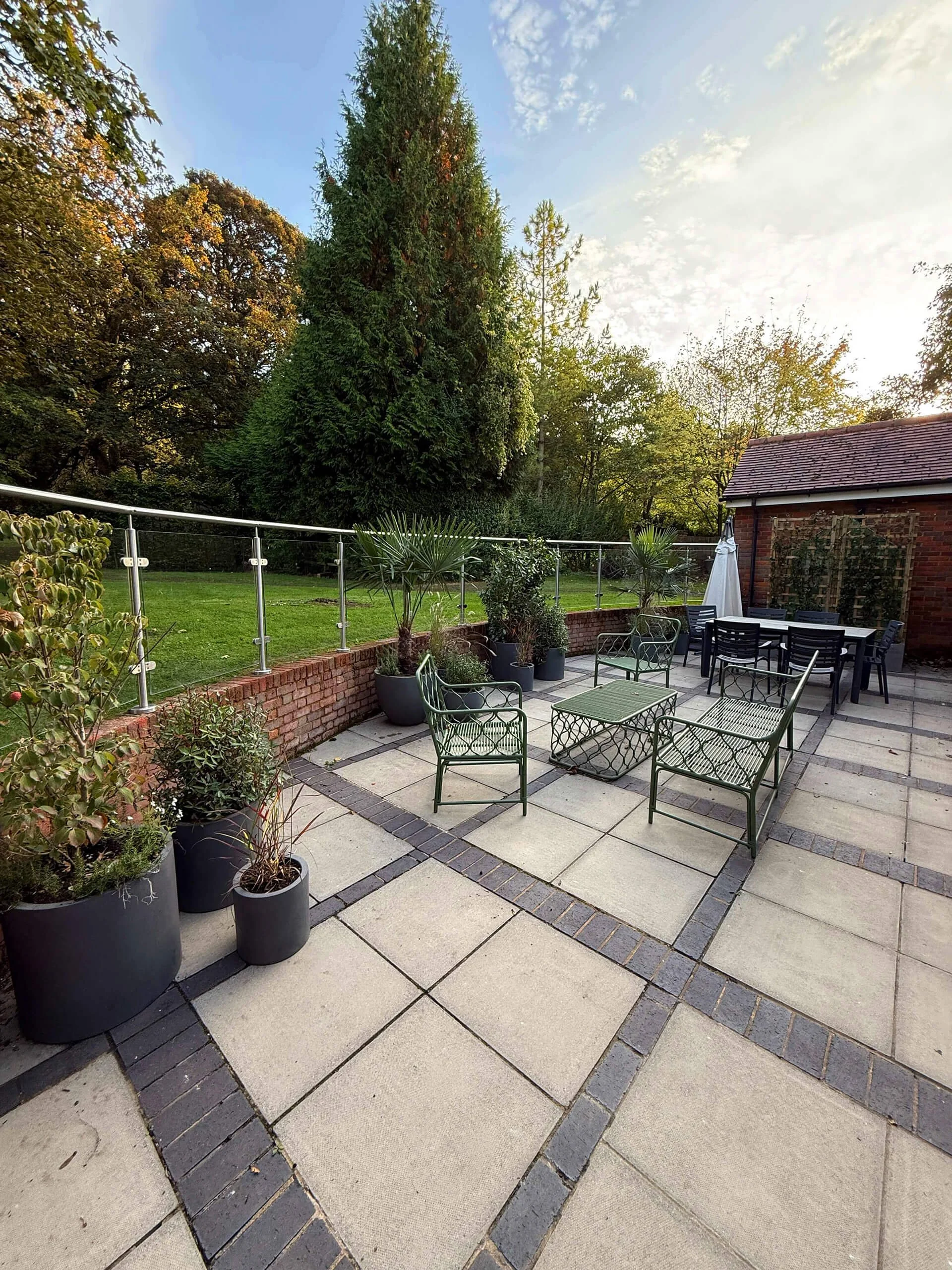
Structure, privacy and suburban plots
A lot of gardens in Watford don't need dramatic reinvention. They need stronger structure, more comfortable privacy and a clearer sense of how the space is meant to work. In the town's Metro-land streets, established semis and terraces sit close together, so neighbouring buildings, boundary lines and family use all shape the brief.
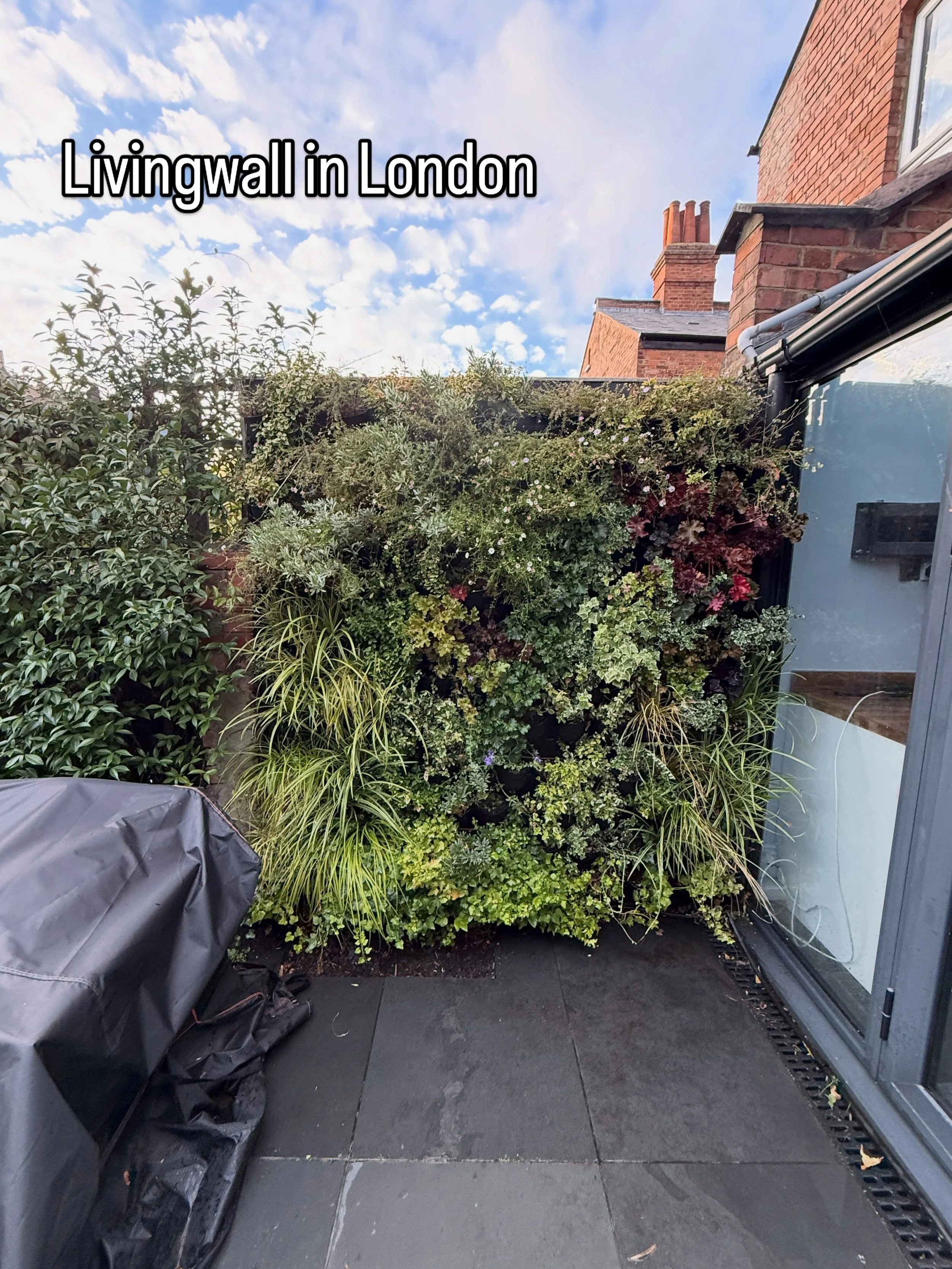
The best response is rarely to crowd the space with features. More often it's better-defined areas, planting with enough depth to soften the boundaries, and a layout that connects naturally to the house. Layered planting usually beats one heavy screening measure, because it shelters the garden without boxing it in, and it gives the space rhythm through the year rather than a wall of one thing.
That sort of clarity depends on a process as much as a visual idea. Our garden design process explains how layout, planting and practical constraints get worked through at the right stage, before any build work begins.
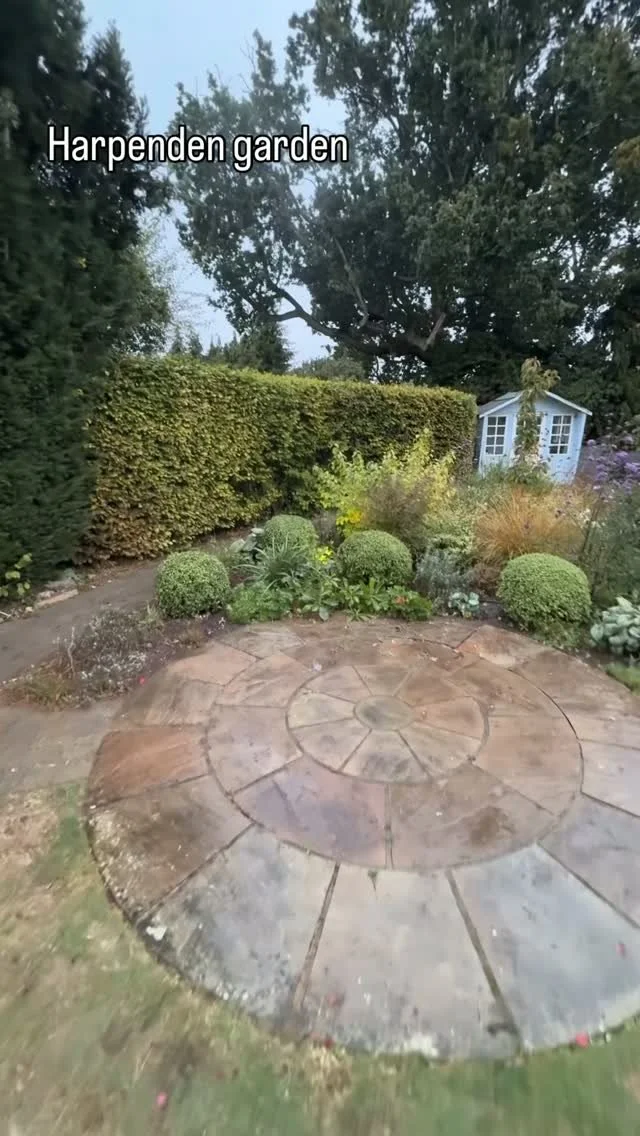
We work right across this part of Hertfordshire. Our Harpenden garden, designed for year-round planting, and our Tring family garden both show how we approach the county's gardens, from structure and planting through to the finished build. They aren't in Watford, but they're close by and the thinking translates directly.
Who designs your garden
Vivid Gardens is led by Erika Meh, who holds a Master's degree in Ornamental Horticulture from Corvinus University of Budapest and has more than 20 years of hands-on horticultural experience. Our team brings over 30 years in planting and landscaping between them.
That background matters most in the planting. Reading ground conditions properly, and choosing plants that will still be thriving in five years rather than just looking good on handover day, is the part that's hardest to get right and easiest to get wrong. You can read more about Erika and how we work.
Frequently asked questions
What kind of soil will I have in Watford?
It varies more than most people expect. Central and southern Watford gardens usually sit on free-draining loam over gravel and chalk. The south-east, around Oxhey, runs to heavier clay and silt with slower drainage. North-east of the town the soil turns seasonally wet, slightly acid and clayey. We check on site rather than assuming, because it changes the planting plan significantly.
My lawn sits wet all winter. Can that be fixed?
Usually, yes. Winter-wet lawns around Watford tend to come from clay-based ground or a high water table near the rivers. The fix is a mix of drainage, ground preparation and planting that suits the conditions, rather than re-turfing over the same problem. What's realistic depends on the site, which is what the free consultation is for.
Can you give a garden more structure without a full redesign?
Often, yes. Stronger borders, better-defined areas and a clearer route through the space can transform how a garden feels without rebuilding it. Whether that's enough depends on the layout you're starting from, and we're honest at the consultation about which it is.
Can you improve privacy without making the garden feel boxed in?
Yes. A lot of Watford's streets are tightly packed Metro-land semis and terraces, so gardens are often overlooked from more than one side. Layered planting handles that better than one tall fence, because it screens at different heights and softens the boundary instead of walling the garden in.
Do you work on suburban family gardens as well as larger plots?
Yes. Many family gardens benefit most from clearer zoning and stronger planting rather than a complete overhaul, so play space, seating and planting each have a proper place instead of competing.
How long does a garden project take?
The design stage usually takes a few weeks from the first consultation to a finished plan. The build depends entirely on scope, from a week or two for a smaller scheme to several weeks for a full redesign with new hard landscaping. We give you a realistic timeline once we've seen the garden and agreed what's involved, rather than a stock answer.
Is it worth paying for a garden designer?
For a lot of gardens, yes, and usually because it saves money rather than adds to it. The most expensive mistakes in a garden are the ones you build, a patio in the wrong place, planting that fails in the local soil, a layout that never quite works. Design is the stage that catches those before they're in the ground. On a difficult Watford plot, wet clay or a riverside water table, getting the groundwork right first is the difference between a garden that lasts and one that struggles by its second summer.
Do you handle the build as well as the design?
Yes. We design and build, so the planting plan and the hard landscaping, paving, fencing, levels and drainage, are considered together rather than handed between separate teams.
Areas we cover
We work throughout Watford and the surrounding areas, including Cassiobury, Nascot Wood, Oxhey, Croxley Green, Garston, Leavesden and Abbots Langley.
If you're planning a project, you can see more of our garden design in Hertfordshire or browse our residential garden transformations before booking a free consultation.
You can also see recent work on Instagram. You can read some of our Google reviews here.
Discover how vision, craftsmanship, and attention to detail unite in our portfolio.
Follow Us on