
Festive Winter Garden Ideas Buckinghamshire: Plants & Lighting
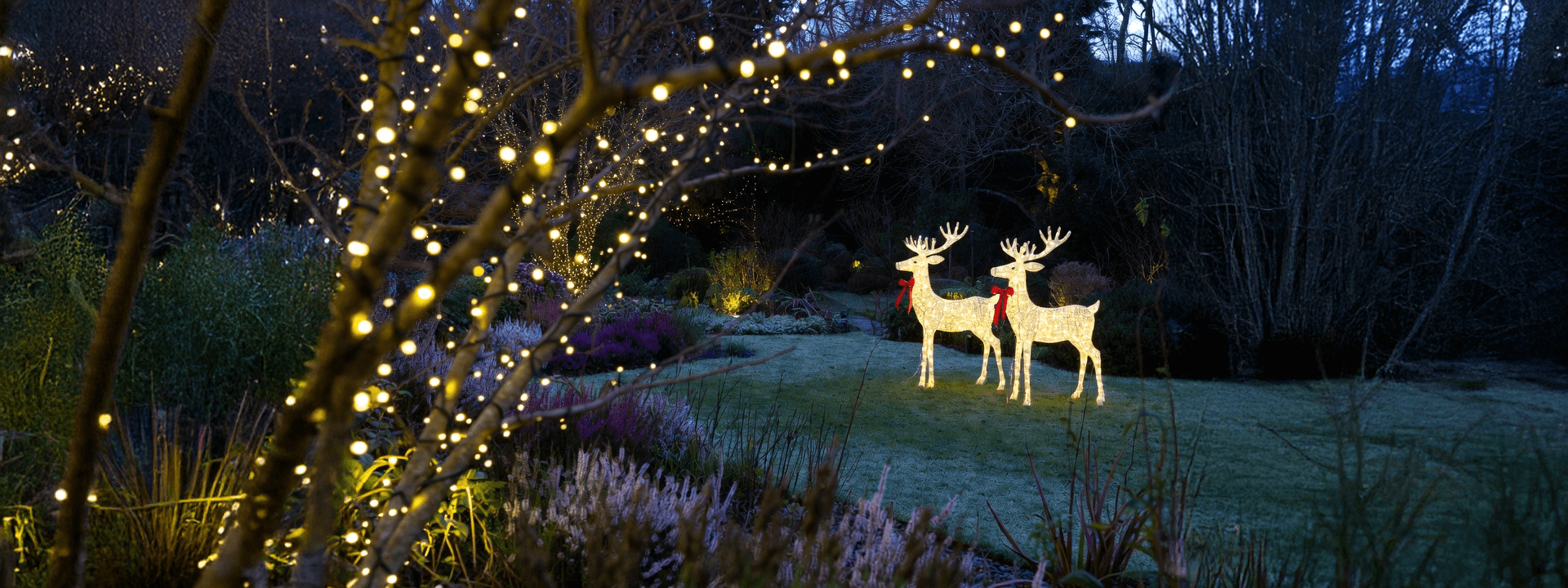
By the time the festive season arrives, a Buckinghamshire garden can look flat. Leaves have dropped, the light is short, and the borders you enjoyed in summer sit bare. The upside is that bare bones make it easy to see what is missing, especially from the warm rooms you actually use in the evening, and winter is the ideal moment to fix it with structure, a few well chosen containers, and a little light..
A practical way to plan is to work in this order.
Structure that looks good from indoors, even on dull days
Container colour for quick impact near doors and paths
Lighting to pick out one or two features, not the whole garden
Before you buy anything, stand at your main winter viewpoints. For most homes that means the kitchen window, the sofa, and the front path. Note what looks empty, messy, or awkward to pass in the dark, then work through the three steps above in order. Getting the structure right first stops you spending on colour and lighting that only draws the eye to a gap.
Building Reliable Winter Structure with Evergreens and Berries
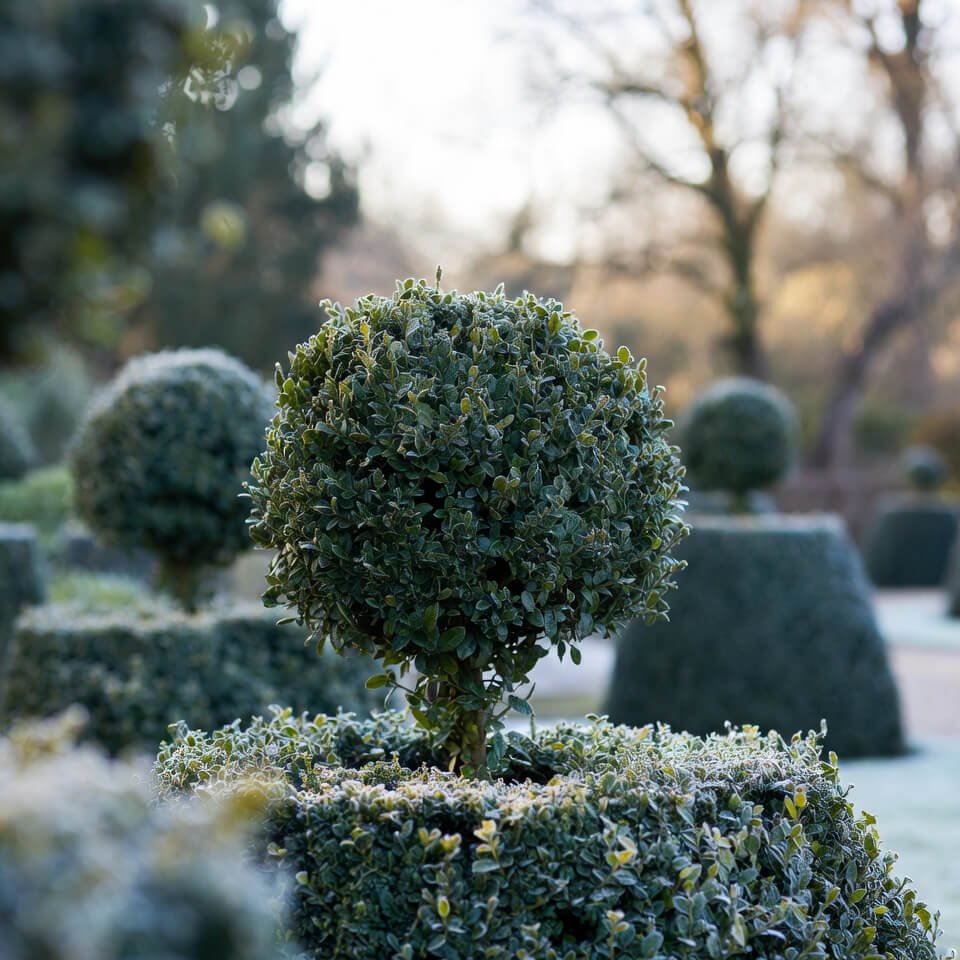
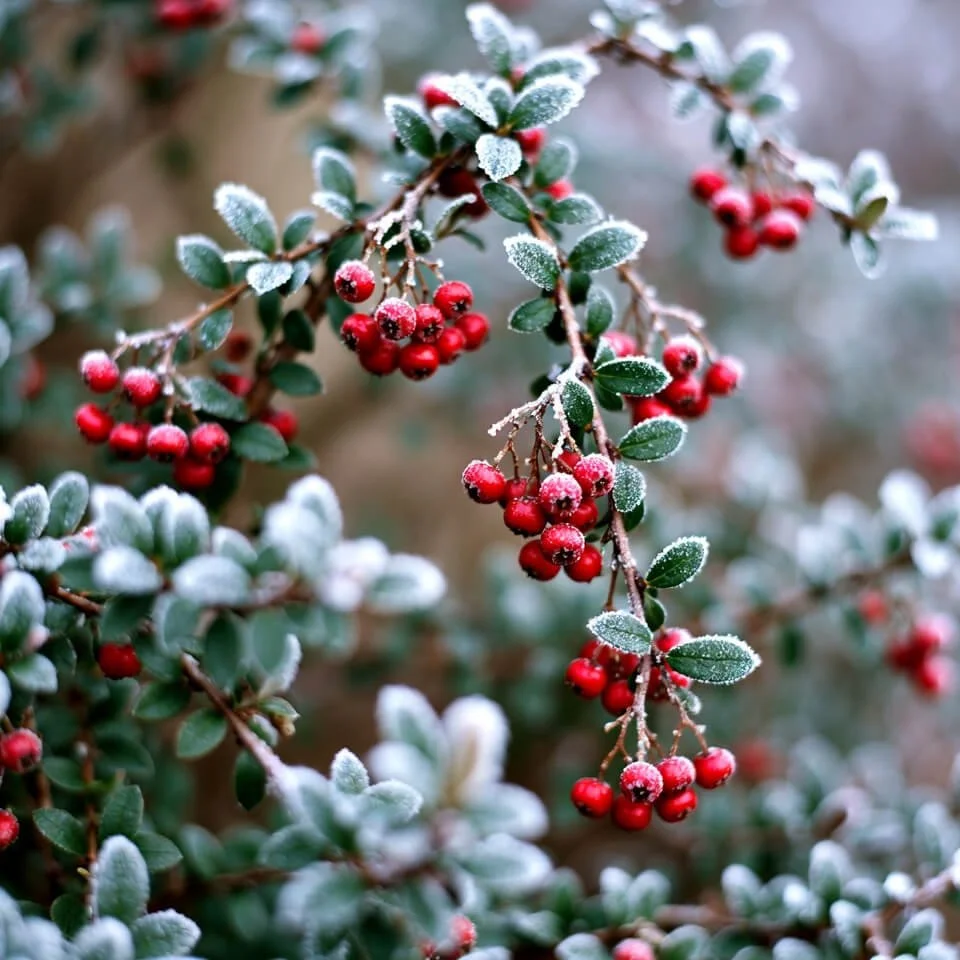
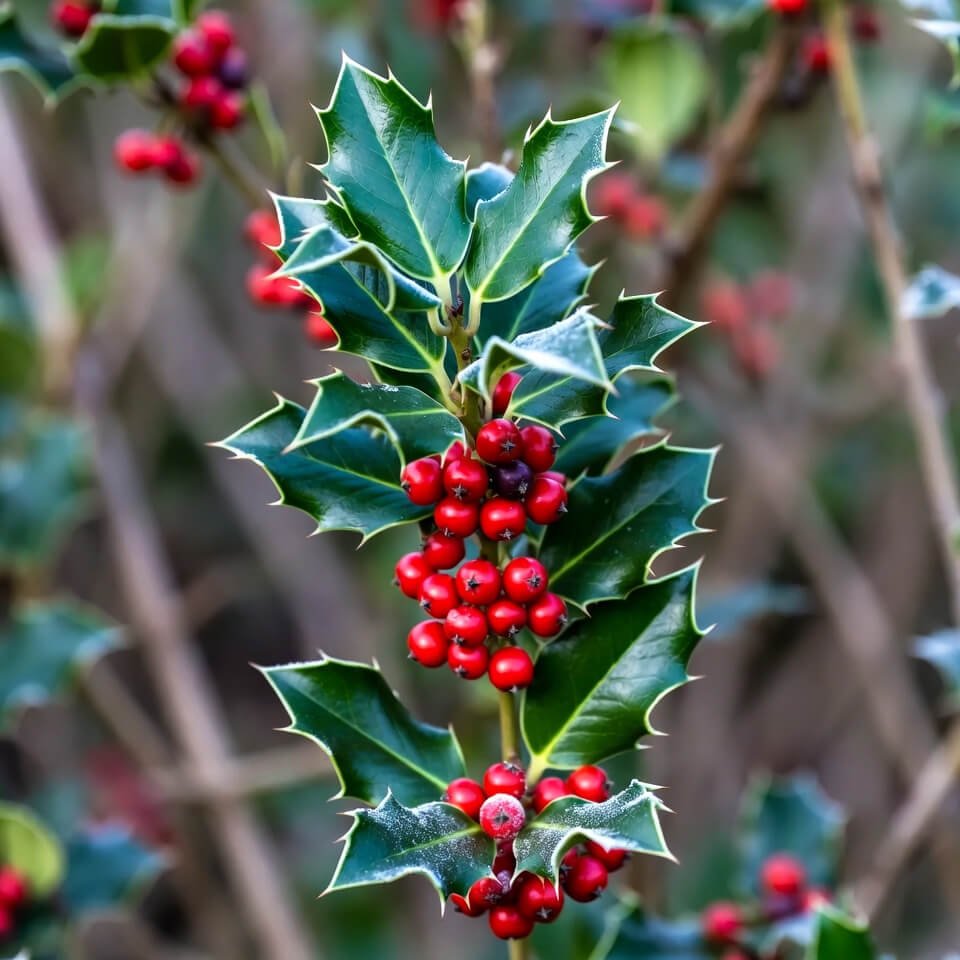
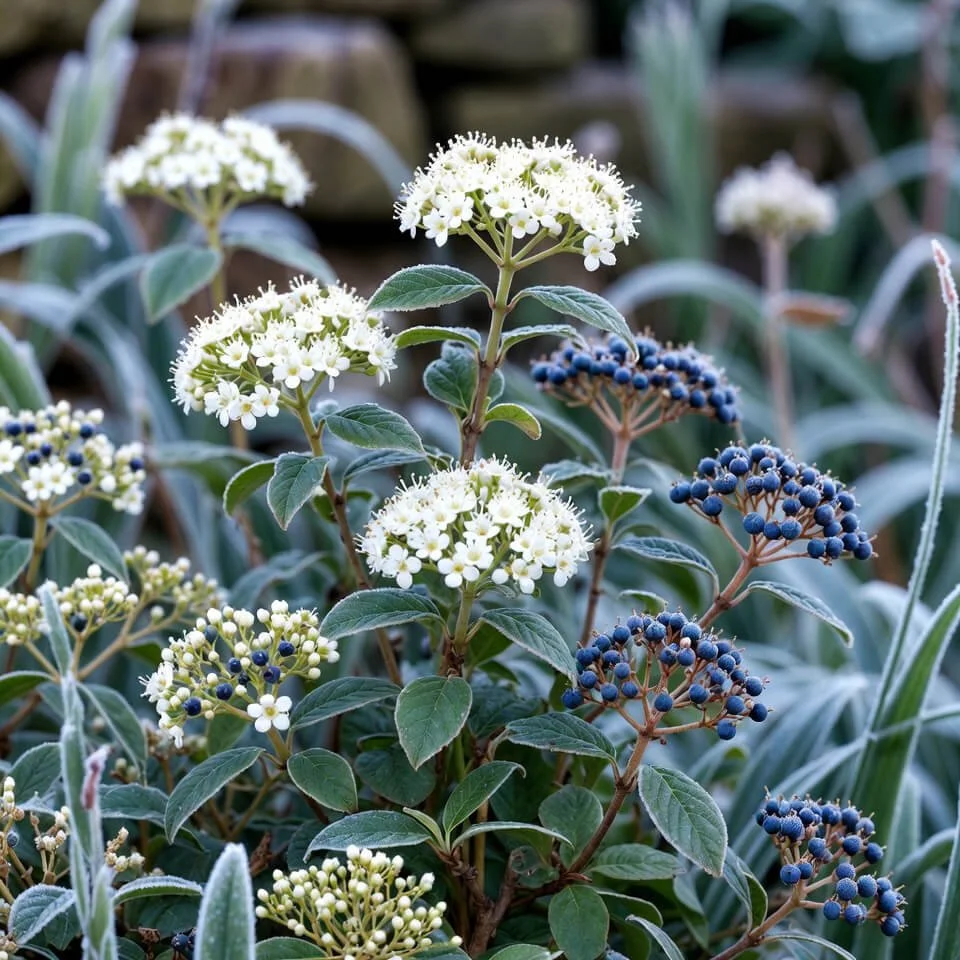
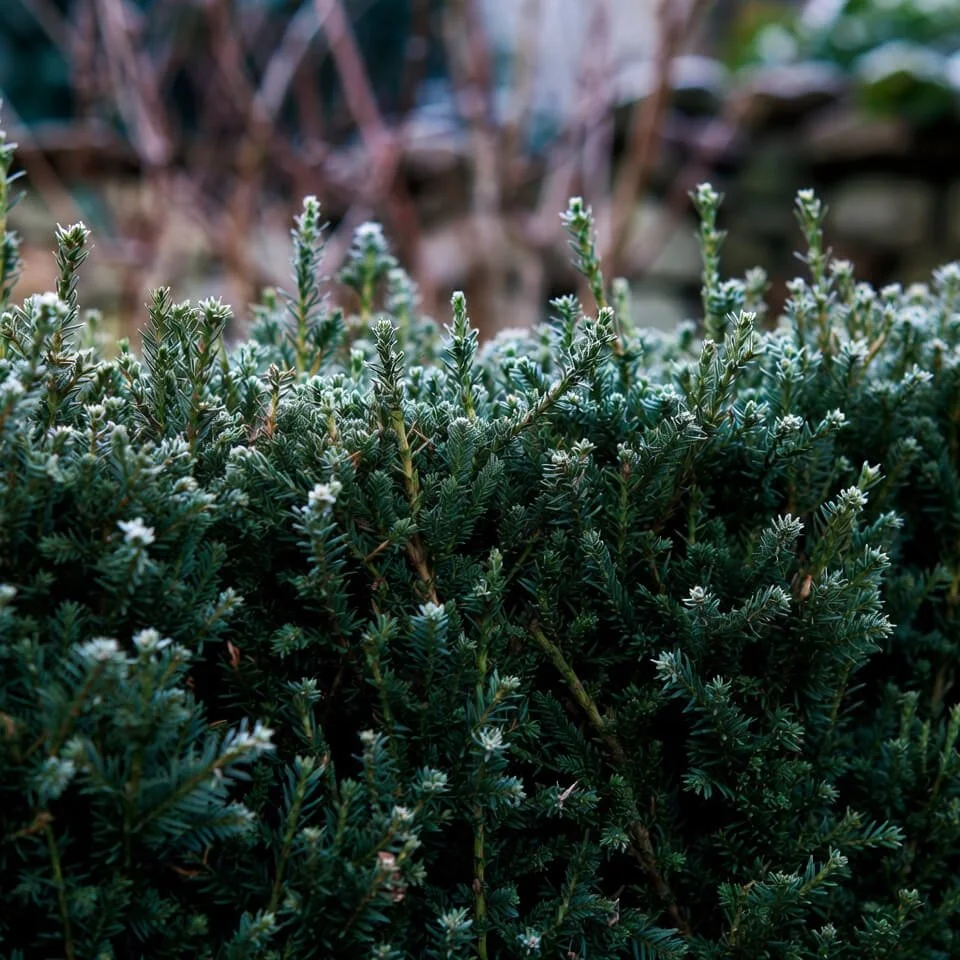
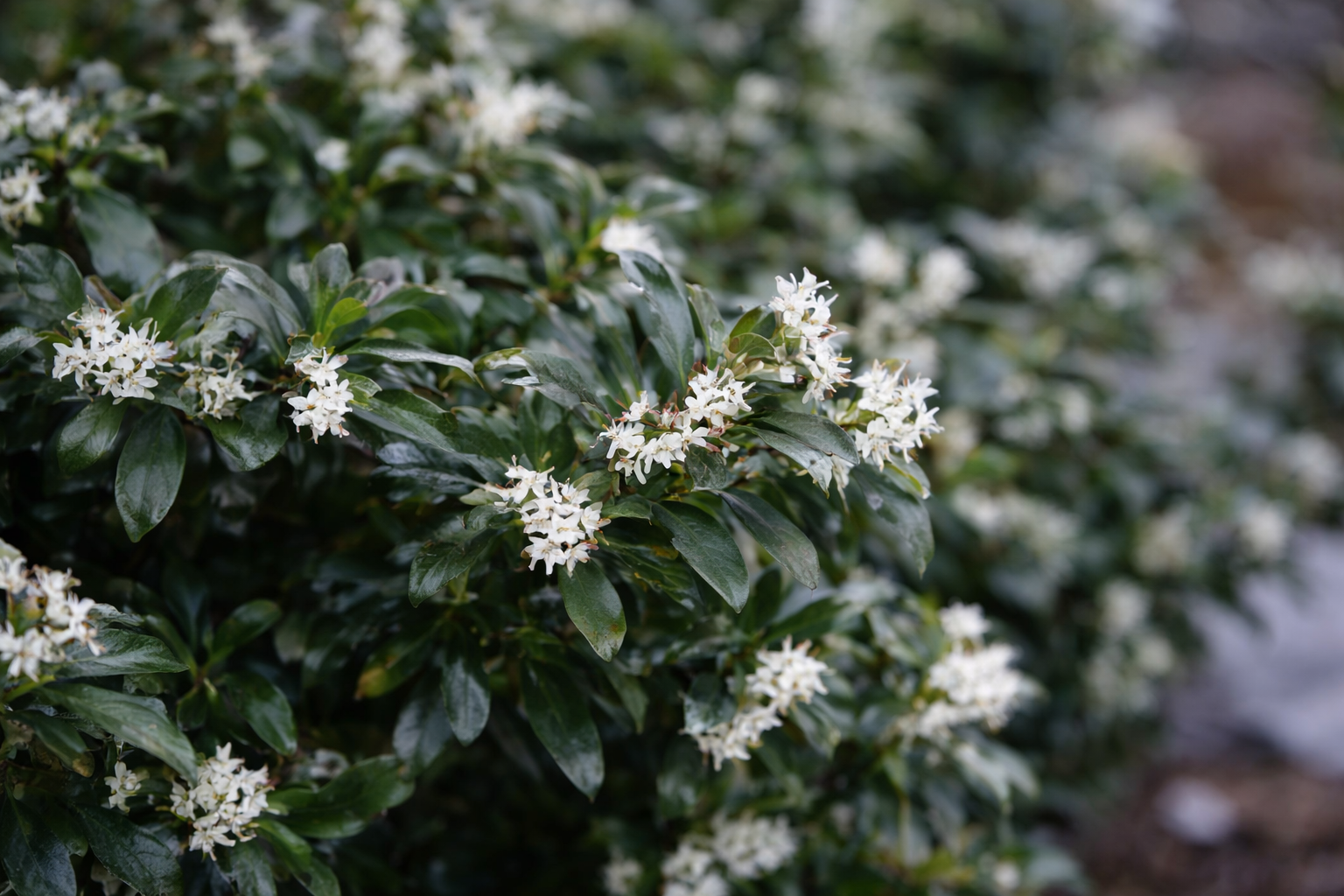
Evergreen plants provide shape when deciduous shrubs and trees are bare. In winter, structure is not just about borders, it is also about what frames a view, guides you along a path, and softens hard edges.
If you are choosing between several options, put your best evergreens in the places you see daily in winter, near the front door, along the main path, and in the view from the main living space. Smaller accents can do the rest.
In Buckinghamshire’s Chilterns and Thames Valley areas, wet spells and frost are both common, so it helps to pick plants that cope with cold and do not sulk in heavy soil. Box (Buxus sempervirens) clipped into simple shapes can look smart, but it can struggle in some gardens. Yew (Taxus baccata) is long lived and steady for hedging. Osmanthus × burkwoodii gives dense, glossy foliage and tends to hold its shape well with light trimming.
Two quick cautions that save problems later.
If box has failed for you before, it may be worth choosing an alternative rather than repeating the same issue
Yew is toxic if eaten, so it is best kept away from areas where pets and small children are likely to browse
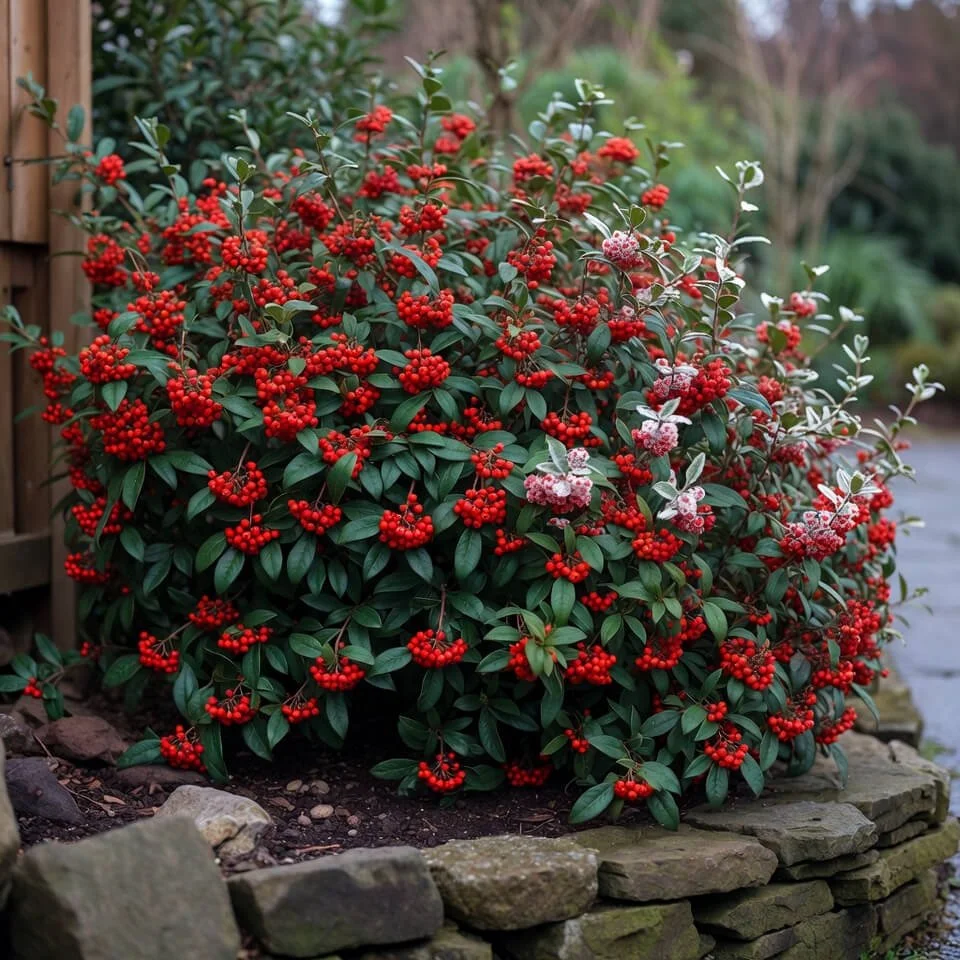
Berry bearing shrubs such as holly (Ilex aquifolium), Viburnum tinus, and Cotoneaster horizontalis add colour and can provide food and shelter for wildlife. If berries matter, check you are buying a fruiting form. Some plants need a pollinator nearby, and hard pruning can reduce flowering and berries the following season.
Many UK gardeners build winter interest by combining structure with scent and colour, and the ideas in plants that bring colour, scent, and structure through winter fit well with that approach.
Creating Instant Colour with Winter Containers
Containers are one of the easiest ways to make a winter garden feel cared for, especially close to doors, steps, and patios. They also let you work around waterlogged corners without digging into cold, sticky clay.
Most winter container failures come down to drainage, exposure, and compost staying wet for too long. You can prevent the majority of issues with a short set of checks.
Use a frost resistant pot with generous drainage holes
Raise it on pot feet or bricks so water can drain freely, especially on paving
Avoid leaving saucers holding water in cold spells
In exposed gardens, choose a heavier pot and tuck it into a more sheltered spot to reduce wind rock
Go for the largest pot you can sensibly place, as larger volumes swing less in temperature and moisture
For compost, peat free mixes are now widely available, but they can behave differently depending on what they are made from. Some hold water for longer, others dry more quickly at the surface. Water only when the top few centimetres feel dry, then water thoroughly and let it drain. In mid winter, feeding is often unnecessary for most container displays, as growth tends to be slow, and many people find the practical notes in the RHS peat-free compost guidance helpful when choosing between mixes.
Here are plants that often suit UK winters and can work well in Buckinghamshire, with a mix of colour, scent, and structure. Choose sun lovers for the brightest spots, then keep shade tolerant plants nearer walls, under shrubs, or in north facing corners where winter light is limited.
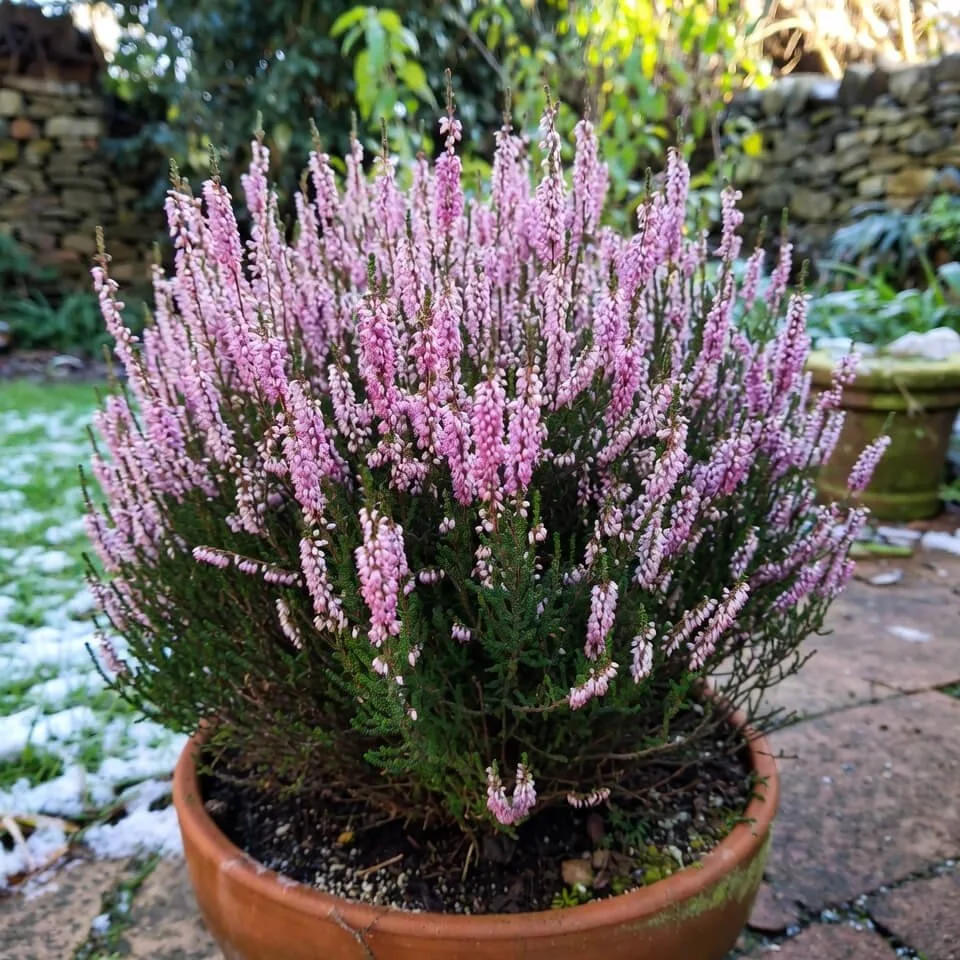
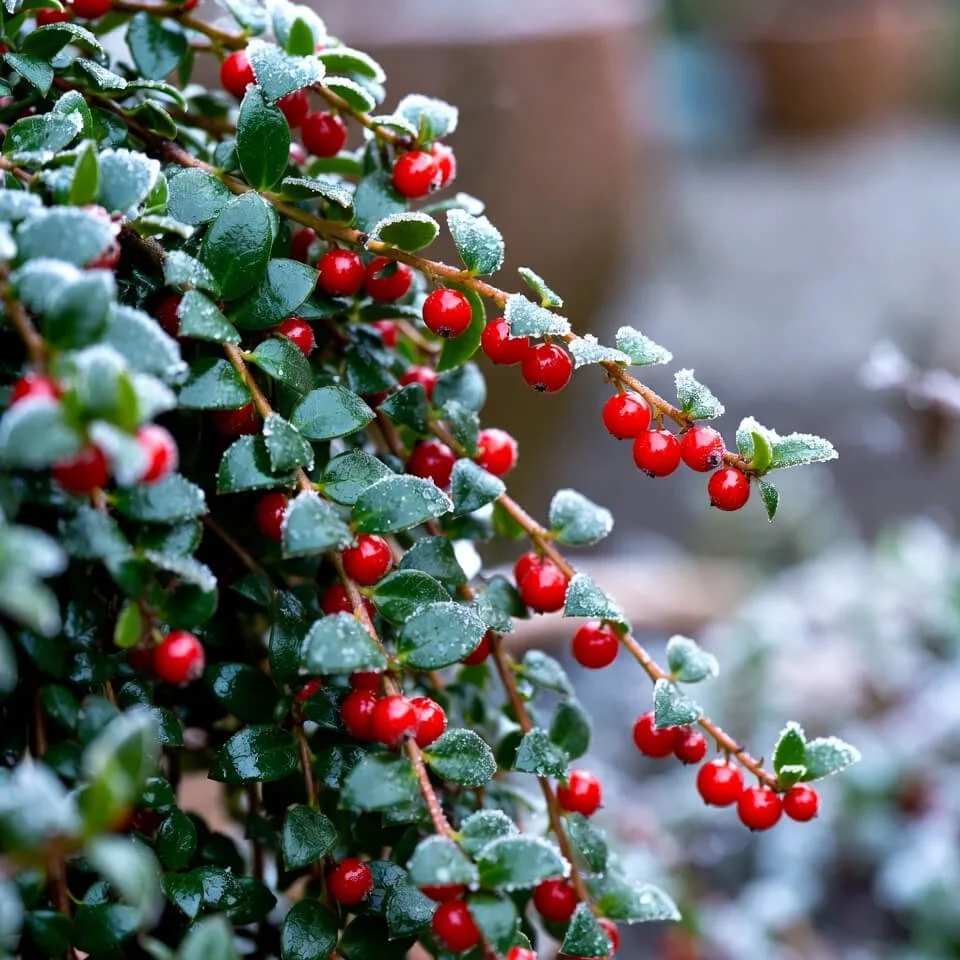
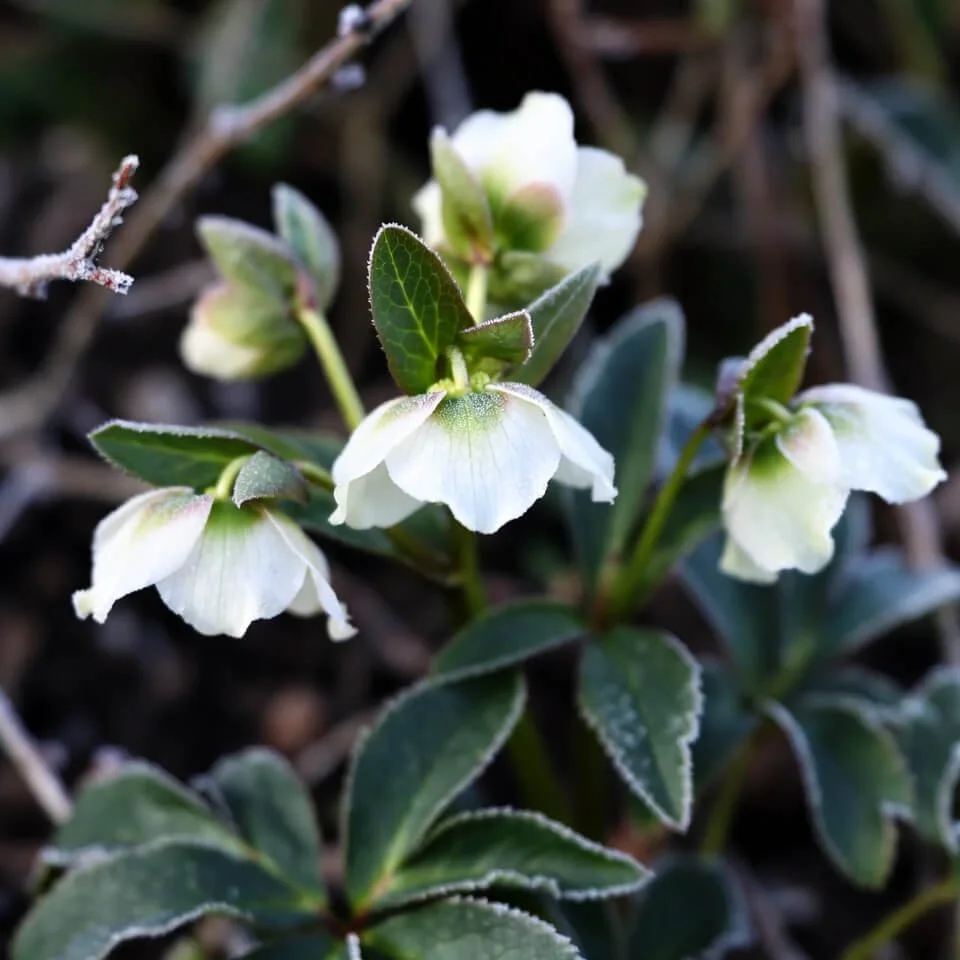
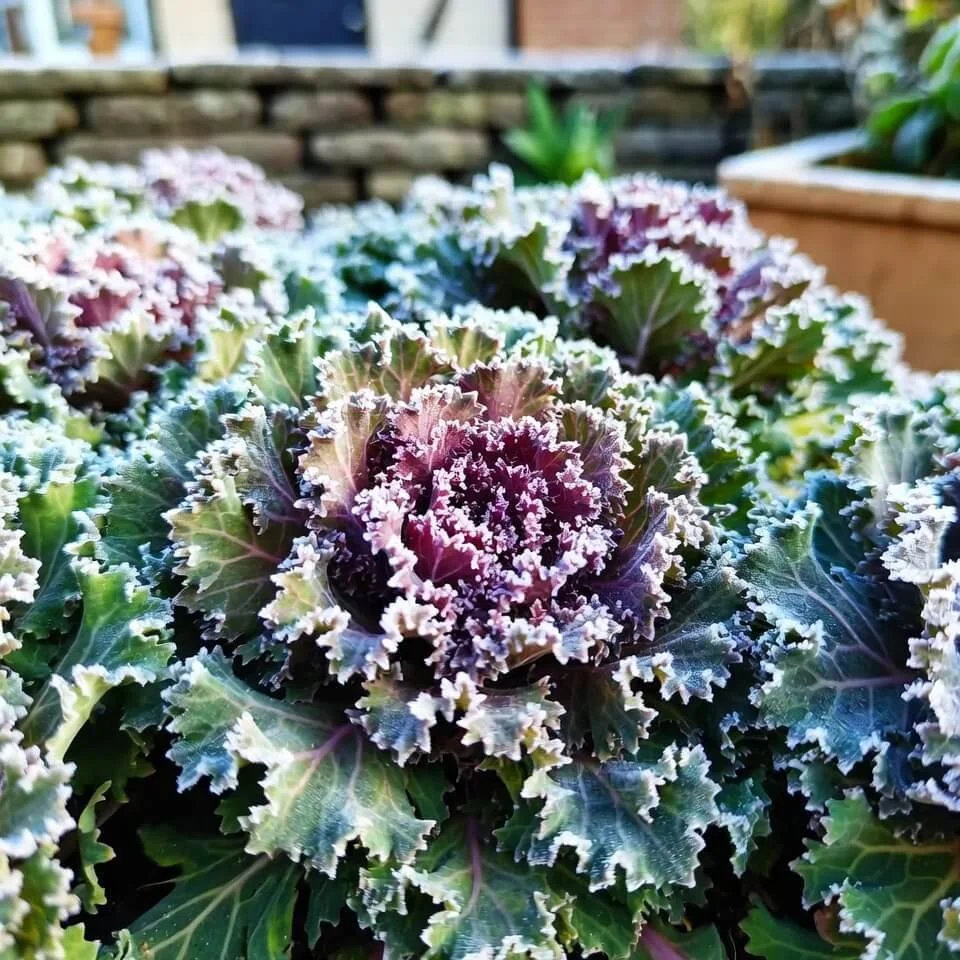
| Plant | Key features | Best position | Care tips |
|---|---|---|---|
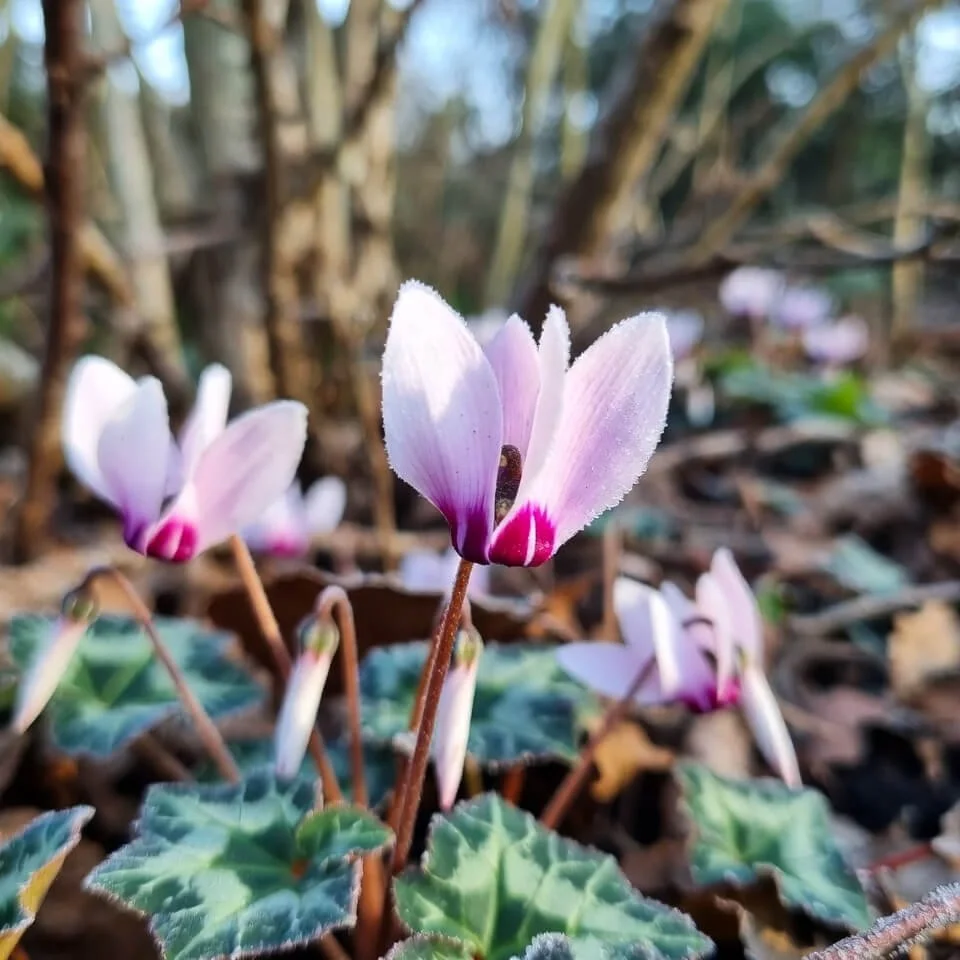
| Cyclamen coum | Delicate pink or white flowers from December to February, adding early cheer to shaded areas. | Partial shade, under trees or shrubs | Prefers well drained soil and compost. In very wet winters, keep pots slightly sheltered so roots do not sit saturated. |
| Erica carnea (winter heather) | Prolonged pink or purple blooms throughout winter, attracting early pollinators. | Sunny patios or open borders | Flowers best in sun. Trim lightly after flowering. In pots, lift off paving so water can drain away. |
| Gaultheria procumbens | Evergreen trailing foliage with bright red berries and a subtle wintergreen scent. | Pot edges for a cascading effect | Acid loving and best in ericaceous compost. In exposed spots, shelter from drying wind and avoid waterlogged compost. |
| Helleborus niger (Christmas rose) | Elegant white flowers often blooming mid winter, with deep green evergreen foliage. | Partial shade, sheltered borders or pots | Often copes with clay if drainage is reasonable. Shelter young container plants from severe frost and persistent winter rain. |
| Ornamental brassicas | Frost enhanced purple or green foliage that intensifies in cold spells. | Centre of container displays | Thrives in cold. In mild damp spells, watch for slug damage and remove tired outer leaves to reduce rot. |
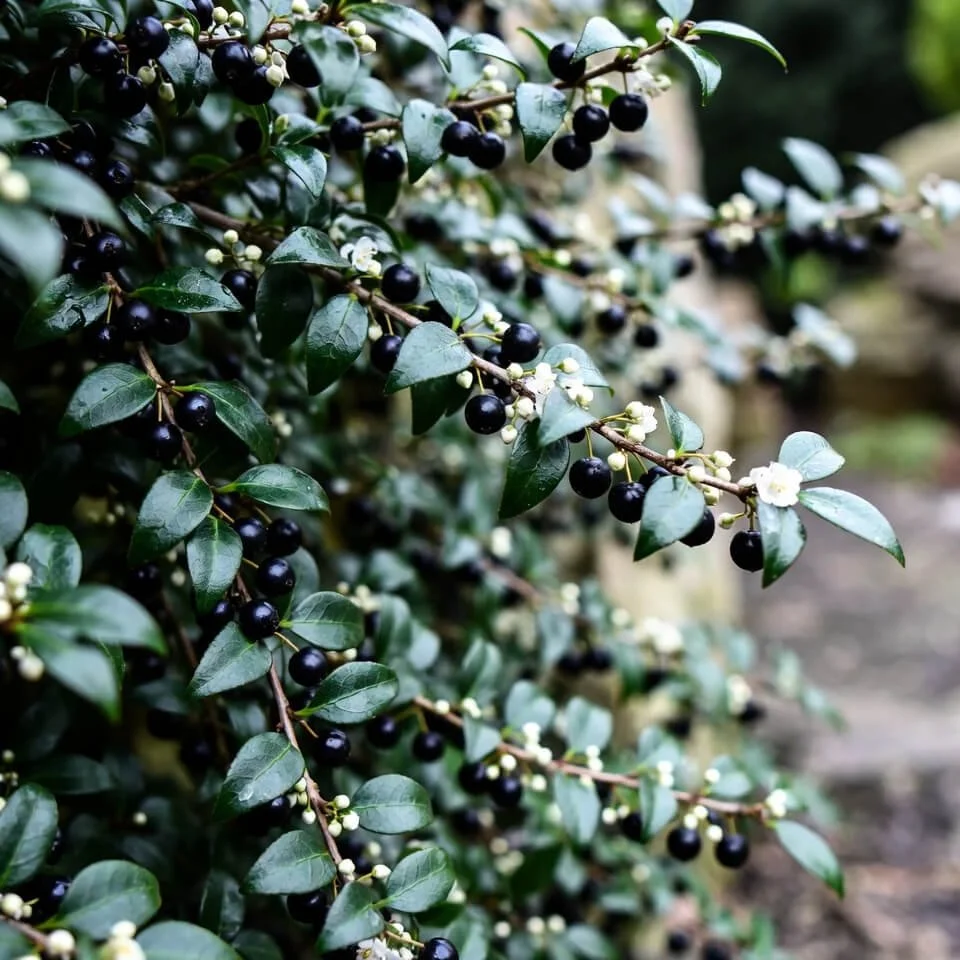
| Sarcococca confusa (sweet box) | Highly fragrant winter flowers and glossy evergreen leaves with black berries. | Near paths or entrances for scent | Shade tolerant and often dependable on clay. Avoid low pockets where water collects and a light trim after flowering keeps it neat. |
| Skimmia japonica | Spring flowers followed by red berries that can persist through winter. | Entrances or partially shaded spots | Often prefers acid to neutral compost. Most forms need a male and female plant nearby to set berries, so check the label. Lift pots and avoid saucers so roots do not sit wet through winter. |
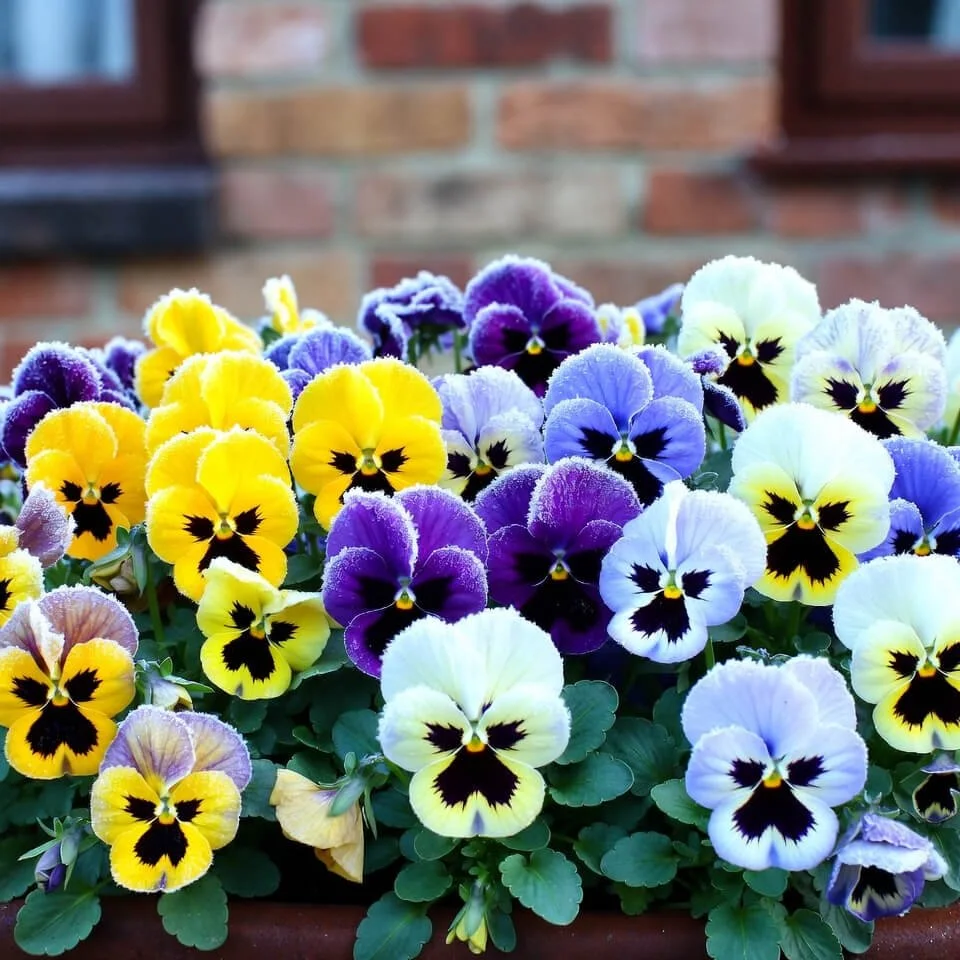
| Viola × wittrockiana (pansies) | Cheerful flowers in a wide colour range, blooming well in cold weather. | Front pots or window boxes | Deadhead when you can. In very wet spells, remove yellowing leaves so crowns do not rot. |
Sourcing Winter Plants Locally in Buckinghamshire
Good stock makes winter planting easier. Look for sturdy plants that sit firmly in the pot, with healthy leaves and no signs of dieback. If you can, lift the pot and check that roots are not circling densely around the edge.
A few buying checks that tend to save disappointment.
Avoid plants sitting in waterlogged trays
Look for pale, firm roots rather than brown, soft ones
Check the label for mature size, especially on evergreens
If you are buying berries, confirm you are choosing a fruiting form
Local garden centres can also advise on what performs well in your part of Buckinghamshire, particularly for shaded gardens, frost pockets, and heavier soils. Places such as Chiltern View Nursery near Chinnor, Peterley Manor Farm in Prestwood, and Notcutts Booker near Marlow are often useful stops when you want to see plants in person and compare size and condition before buying.
Mail order can work well too. If plants arrive during a cold snap, keep them sheltered for a few days, check moisture, and avoid leaving them standing in water.
Winter Garden Lighting Ideas for Frosty Evenings
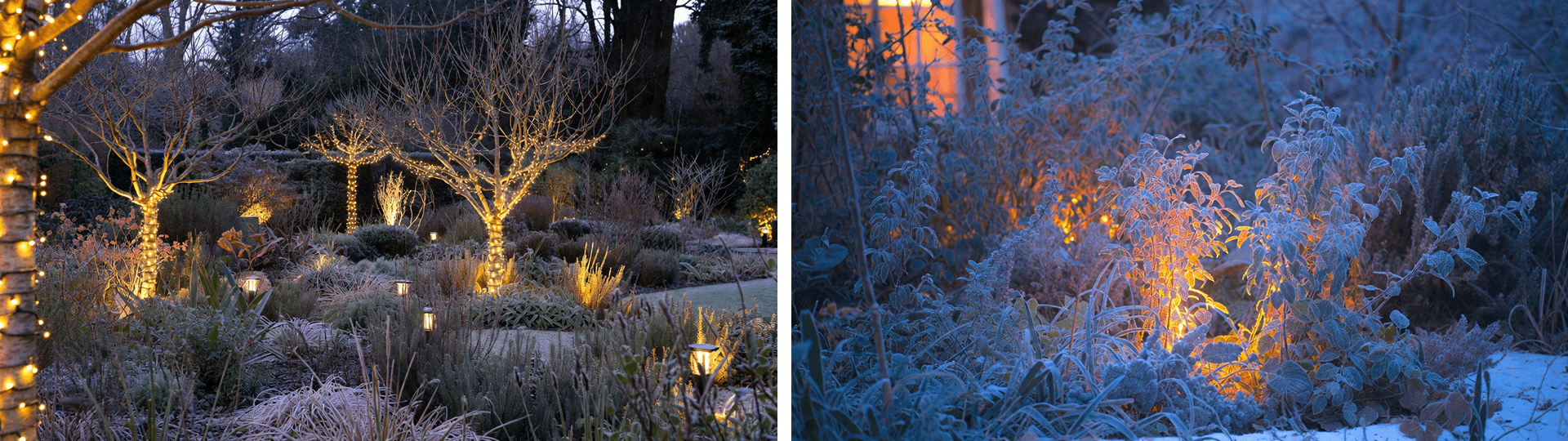
Subtle fairy lights and solar stakes highlight garden structure on frosty evenings, extending usability without overwhelming natural forms.
In winter you see the garden most in the evening, from indoors, and lighting is what makes that view worth having. The most convincing winter lighting is restrained. One or two well lit features almost always look better than lighting the whole garden.
A few practical rules help it look intentional.
Keep most light low and aimed down
Avoid glare into neighbouring windows
Use shielding where possible so light goes where you want it
Leave some areas unlit, as darker zones still matter for wildlife
Use timers so lights are not left on all night
A simple lighting setup that works
If you want a starting point rather than a blank canvas, this handful of choices covers most gardens.
Use warm white LED strings on one or two trunks or major branches. Keep the wrap loose so bark can move and you can remove it easily later.
Use solar stakes for gentle guidance along the edge of paths. Place them so they light the ground, not faces.
Use low level uplighters under a small number of shrubs or small trees. Aim carefully so foliage and form are highlighted, not the whole border.
Choose outdoor rated, low voltage options, especially in damp winters.
Put the whole display on a timer. For many households, dusk until late evening is enough.
Lighting can support safety and, in some settings, may contribute to security when it is targeted and timed. If security lighting is a priority, motion sensors with a short timer window often reduce nuisance glare while still being useful, and the practical tips in Electrical Safety First’s garden electrics guidance are a sensible baseline for cables, connections, and wet weather use.
For those planning ahead, winter is a good time to think about spring bulbs. Plant most bulbs at a depth of two to three times their height. In clay soils, add grit to improve drainage. In containers, use free draining compost and keep pots slightly sheltered from relentless winter rain, as bulbs can rot if they sit wet for weeks.