
Shade-Loving Plants for Chilterns Woodland Gardens
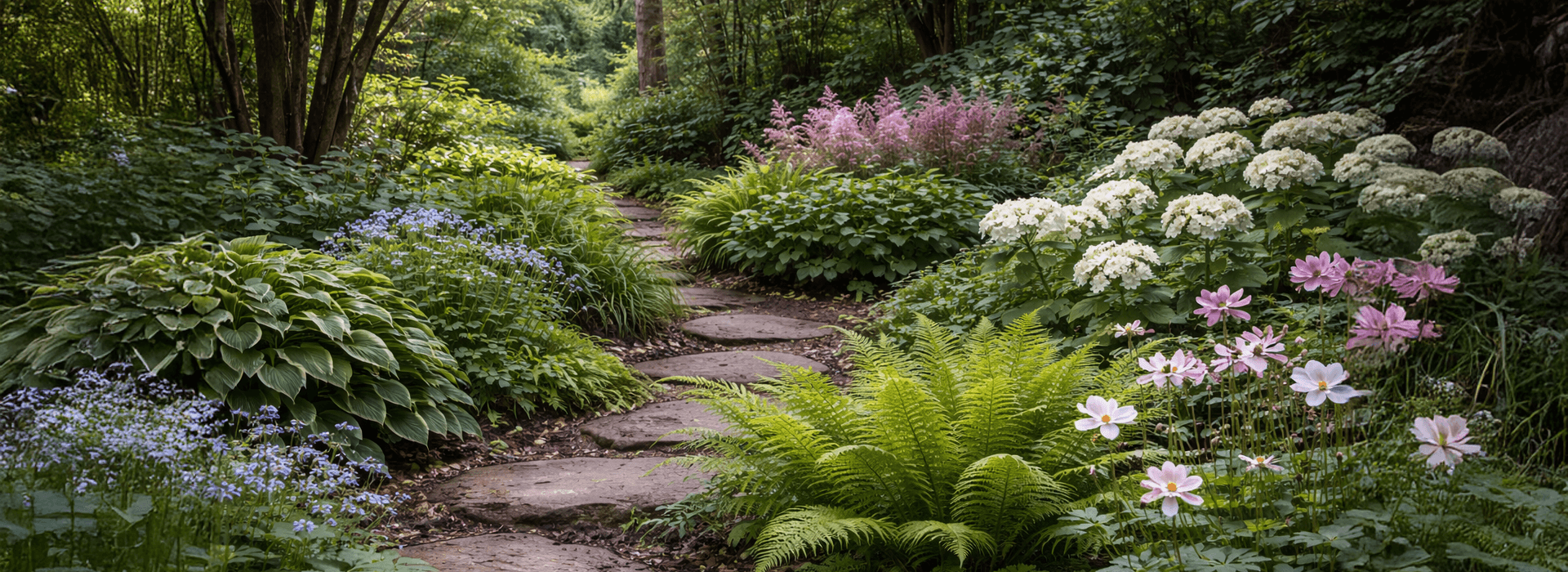
If your Chilterns garden feels like a beautiful beech graveyard come summer, lush above and crisp and empty below, you’re not alone.
Woodland gardens are a defining feature of this landscape, from the mature beech hangers above Marlow and Cookham to the tree-filled valley plots along the Thames. In these settings, shade is not an exception. It is the starting point.
Many gardens struggle because planting advice treats shade as a single condition, when in reality it covers a wide range of very different environments. A successful Chilterns woodland garden does not force sun-loving plants into low light. It works with shade, tree roots, and local soil quirks to create something settled, resilient, and quietly abundant through the seasons.
Understanding shade in the Chilterns before choosing plants
Shade in this part of Buckinghamshire is rarely uniform. One corner of a garden may sit beneath dense evergreen cover and stay dry for much of the year, while another receives spring sunshine before the tree canopy closes. Soil conditions vary just as much. Chalky ground dominates many slopes, while heavier clay appears in lower areas and gardens shaped by past development.
Before choosing plants, it helps to observe what kind of shade you are dealing with. Light levels, soil moisture, and root competition all influence how well plants establish and how much care they will need over time. Planting failures often come not from choosing the wrong plant, but from choosing the right plant for the wrong type of shade.
Woodland planting also benefits from being approached in stages rather than all at once. Conditions beneath trees often change over time as canopies thicken, roots spread, and soil structure improves through mulching and leaf fall. Some plants act as pioneers, helping to stabilise the ground and indicate where moisture or light levels may shift, while others are better introduced once the garden has settled. Allowing the planting to respond gradually often leads to more resilient, balanced gardens than trying to achieve a finished look from the outset.
Dry shade under mature trees
Dry shade is one of the most challenging conditions in Chilterns gardens, particularly under beech, oak, or mature conifers. Rain is intercepted by the canopy, tree roots compete aggressively for moisture, and leaf litter can create a dense surface layer. Traditional border plants rarely thrive here without constant intervention.
Plants that cope best in dry shade tend to have fibrous root systems or leathery foliage that conserves moisture. Evergreen structure is especially valuable, helping the garden feel grounded throughout the year.
Reliable choices for dry shade include
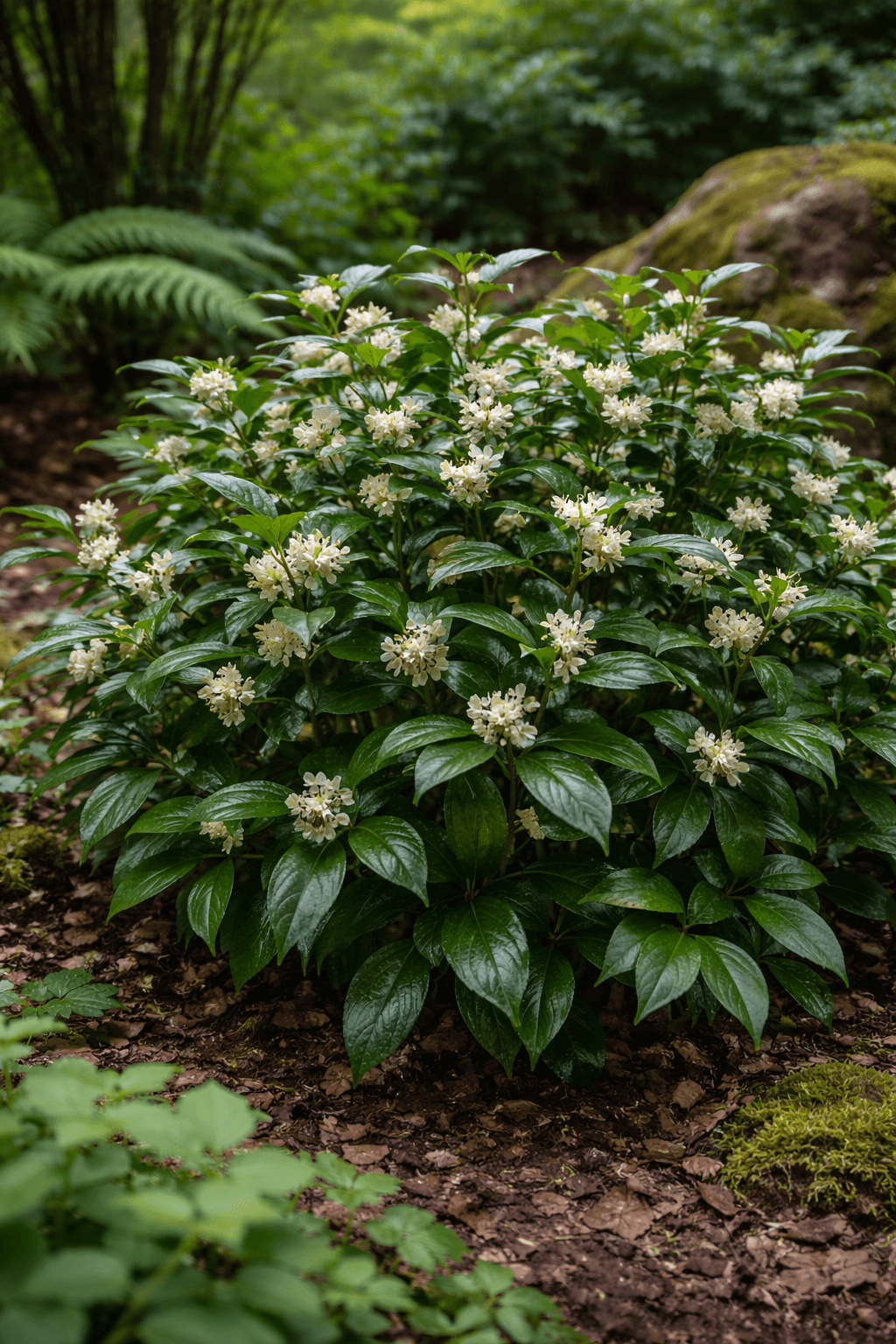
| Plant | Why It Performs Well in Shade | Best Conditions | Chilterns Growing Notes |
|---|---|---|---|
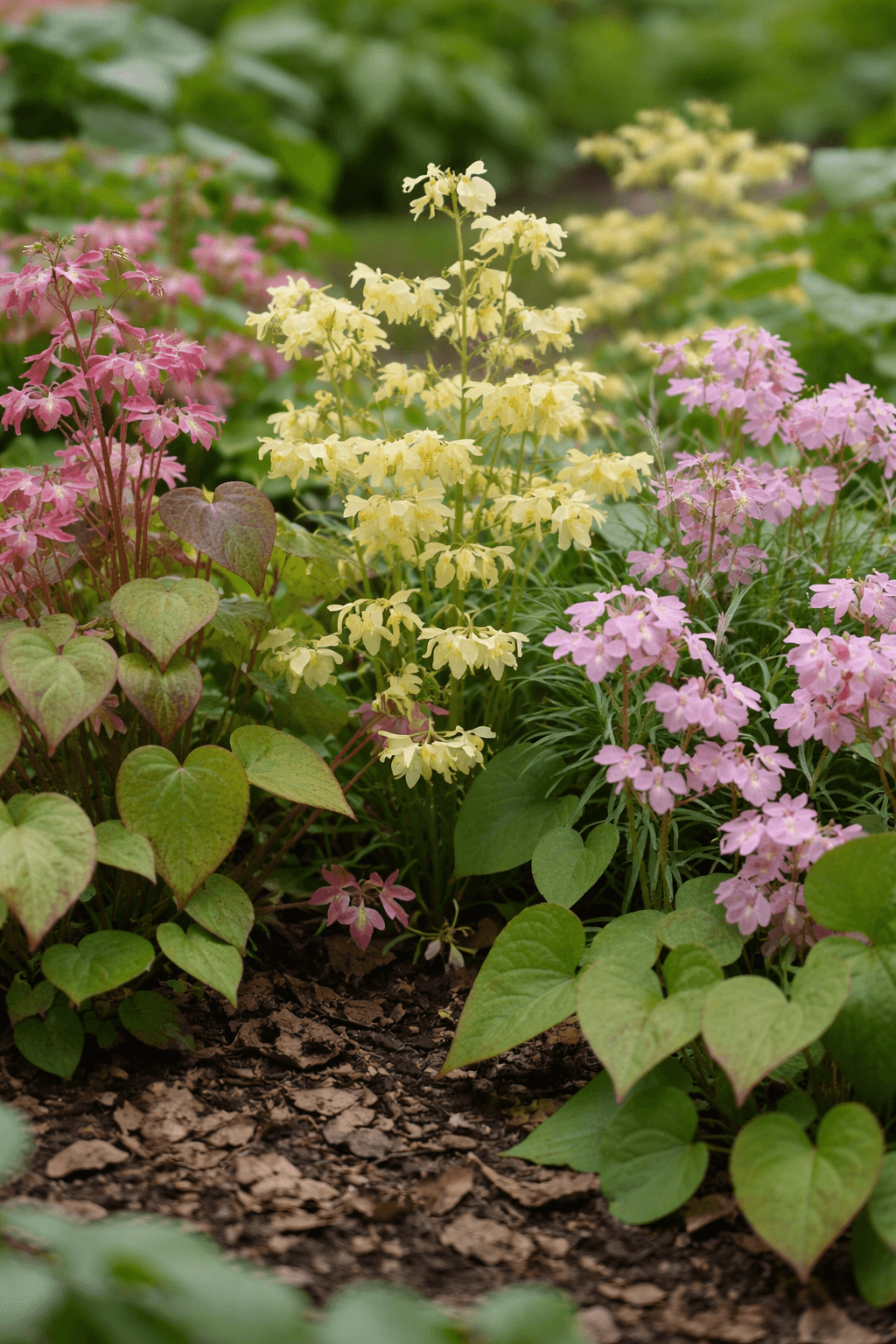
| Epimedium varieties | Tough, clump-forming plants with wiry roots that cope well with dry shade and seasonal leaf cover. | Dry to moderate woodland shade | Excellent under trees and shrubs. Cut back old foliage in late winter to reveal spring flowers. |
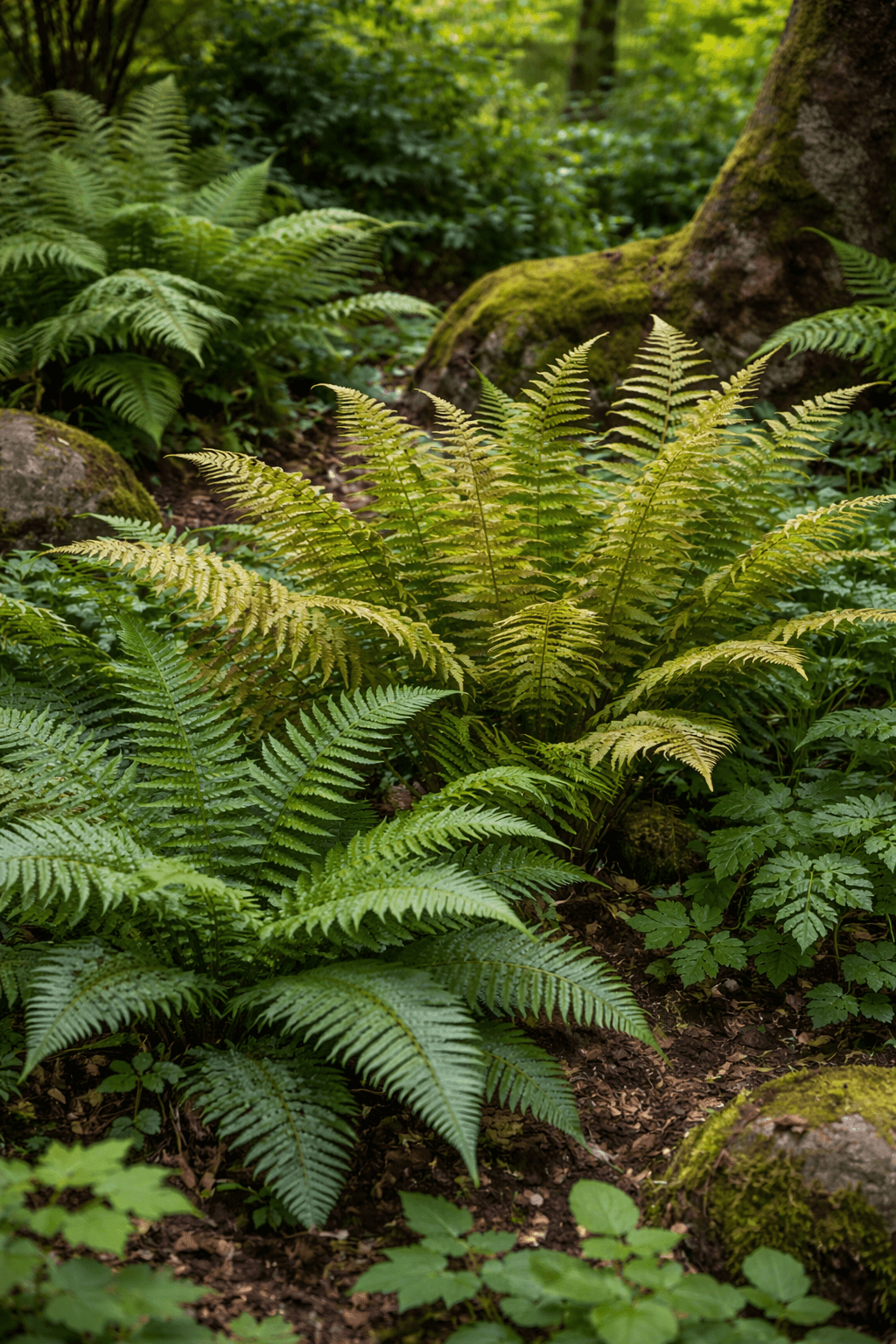
| Ferns (Dryopteris and Polystichum) | Naturally adapted to shaded conditions, providing strong texture and reliable structure. | Dry or moist woodland shade | Very hardy and long lived. Remove old fronds in late winter as new growth begins. |
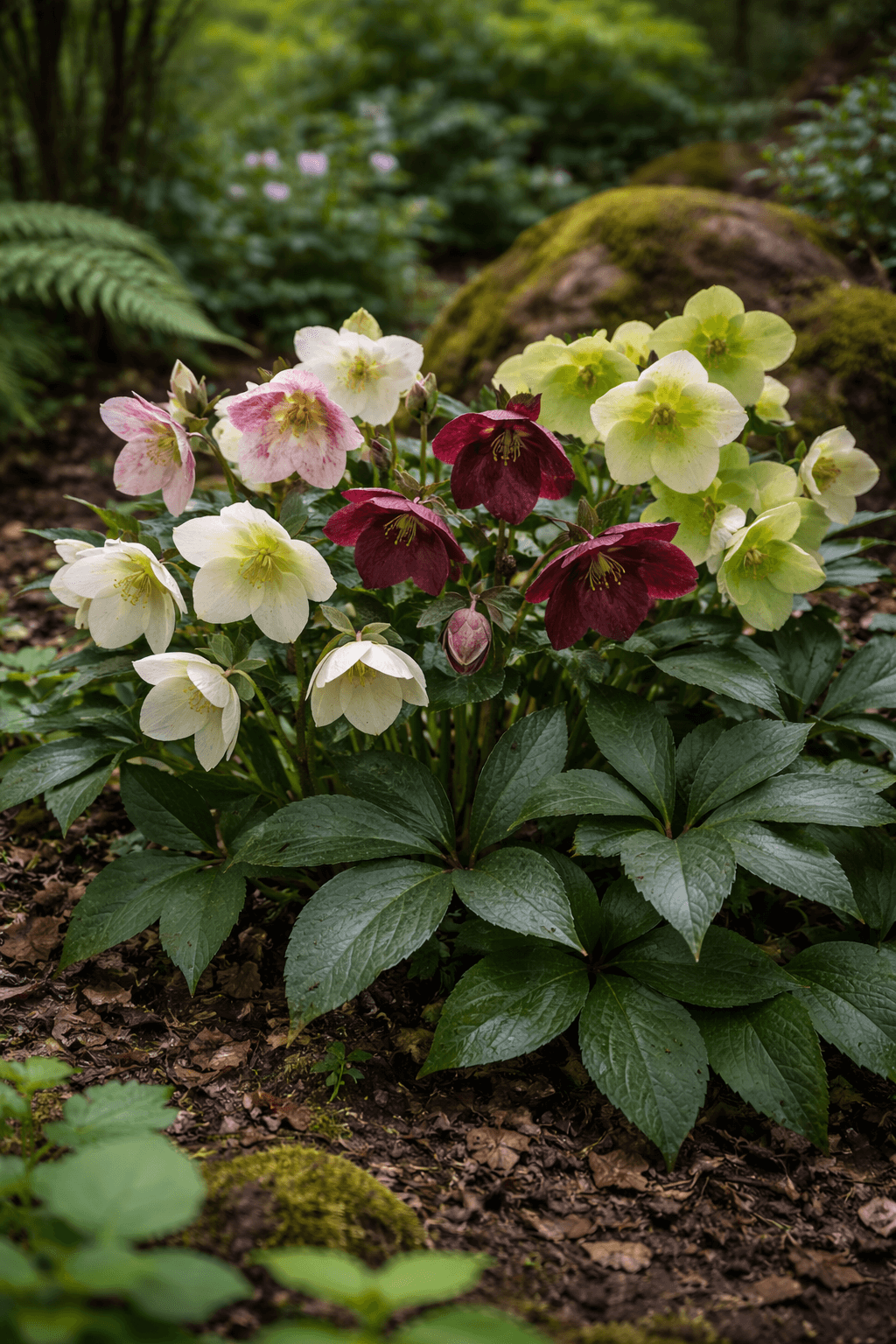
| Hellebores | Deep-rooted perennials that tolerate root competition and provide winter and early spring interest. | Light to moderate shade | Allow plants to establish undisturbed. Remove old leaves before flowering to improve airflow. |
| Sarcococca | Evergreen shrub valued for its tolerance of deep shade and highly scented winter flowers. | Deep woodland shade | Thrives beneath trees and along shaded boundaries. Slow growing but very dependable. |
Mulching with leaf mould or composted bark helps improve moisture retention and soil life, though expectations should remain realistic. In dry shade, restraint often produces better results than over-planting.
Damp woodland shade and valley gardens
Lower-lying gardens and those near streams or valley bottoms experience a very different form of shade. Here, soil moisture is more reliable and planting can be richer and more layered, creating a lush, immersive feel.
The key in damp shade is drainage rather than dryness. Plants that enjoy moisture still need oxygen around their roots, particularly in heavier soils that may sit wet through winter.
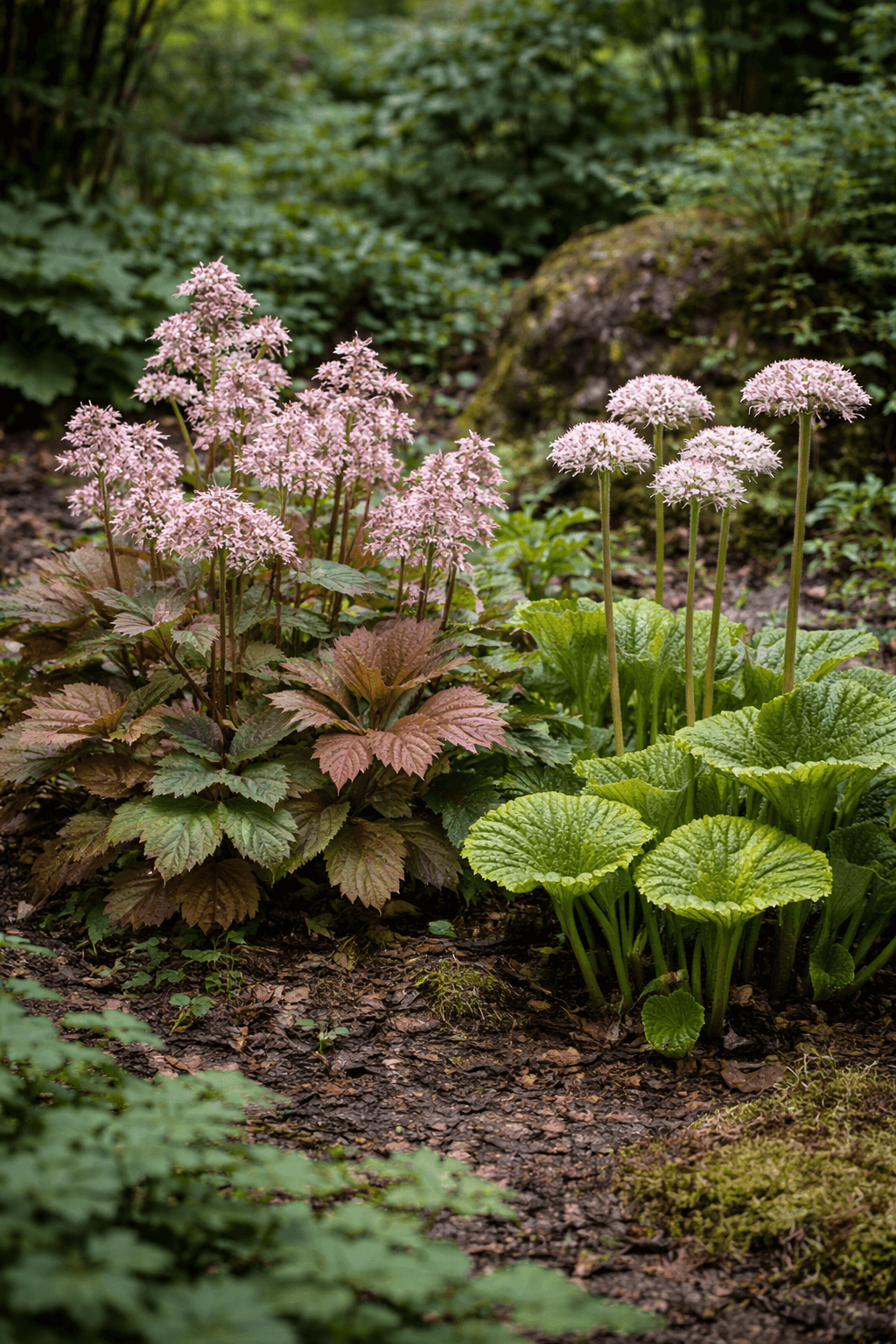
Plants that perform well in damp woodland shade include
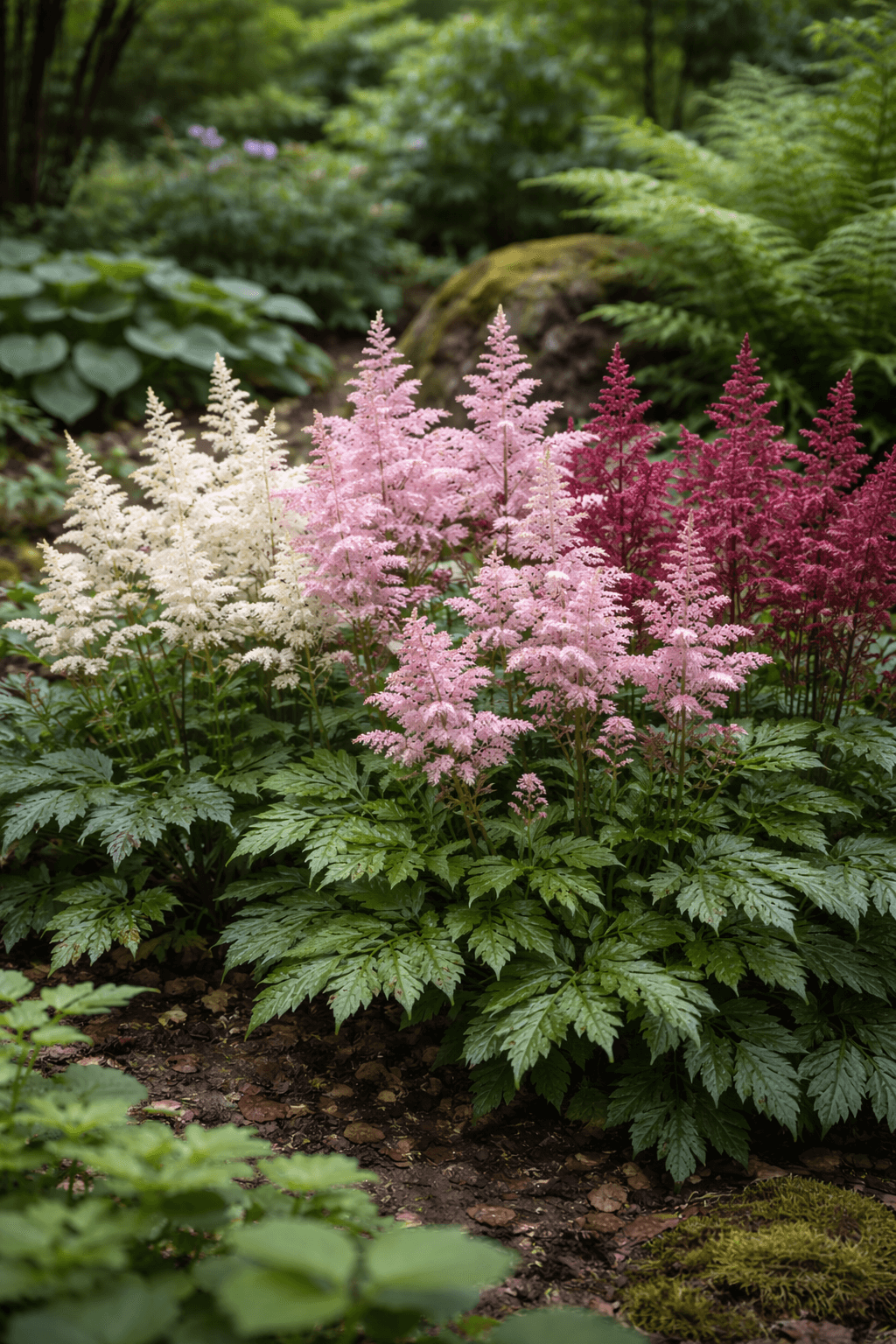
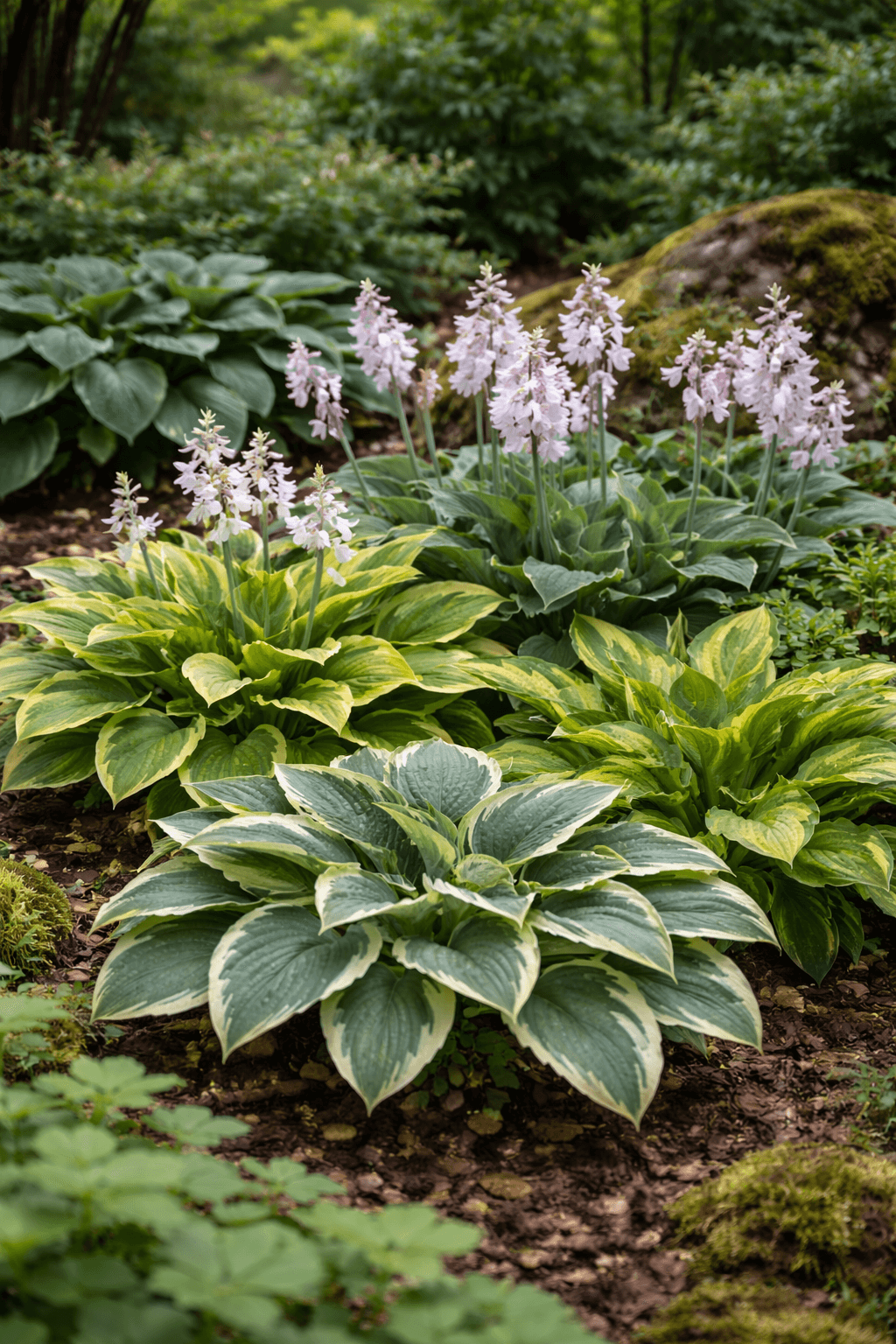
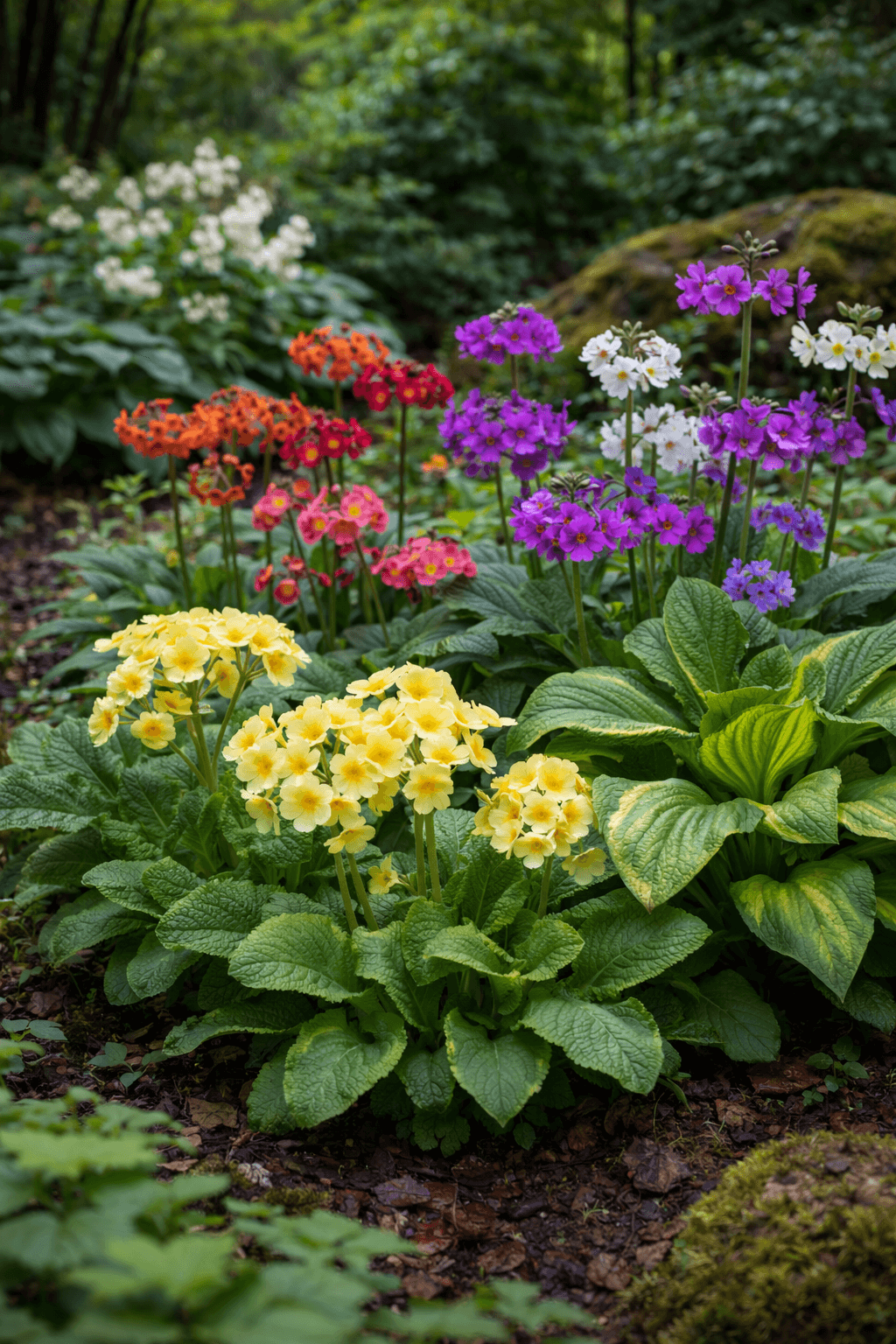
| Plant | Why It Performs Well in Shade | Best Conditions | Chilterns Growing Notes |
|---|---|---|---|
| Astilbe varieties | Naturally adapted to woodland margins, producing reliable summer flower and soft movement. | Moist shade or light woodland shade | Performs best in moisture-retentive soil. Mulch annually to support flowering and root health. |
| Hosta varieties | Large, moisture-retentive leaves and robust crowns cope well with low light and cooler soil. | Damp woodland shade | Best in sheltered spots with consistent moisture. Slug pressure is reduced in cooler, well-balanced gardens. |
| Primula varieties | Early flowering woodland plants that establish easily and naturalise over time. | Light to moderate shade | Ideal for informal planting beneath trees. Benefits from moisture-retentive soil and leaf mulch. |
| Rodgersia and Darmera | Bold foliage plants that thrive in cool, shaded conditions and bring strong structure. | Damp woodland shade | Well suited to valley gardens and heavier soils. Allow space for leaves to develop fully. |
Allowing plants to knit together over time helps stabilise soil moisture, reduce weed pressure, and create a sense of continuity across the garden.
Light woodland edge shade
Many Chilterns gardens sit at the woodland edge, where light filters through trees for part of the day. This is often the most forgiving type of shade and offers the greatest flexibility in planting.
Light shade allows for flowering shrubs, grasses, and perennials that would struggle in deeper cover. It is also ideal for creating layered planting that feels connected to the surrounding landscape rather than isolated from it.
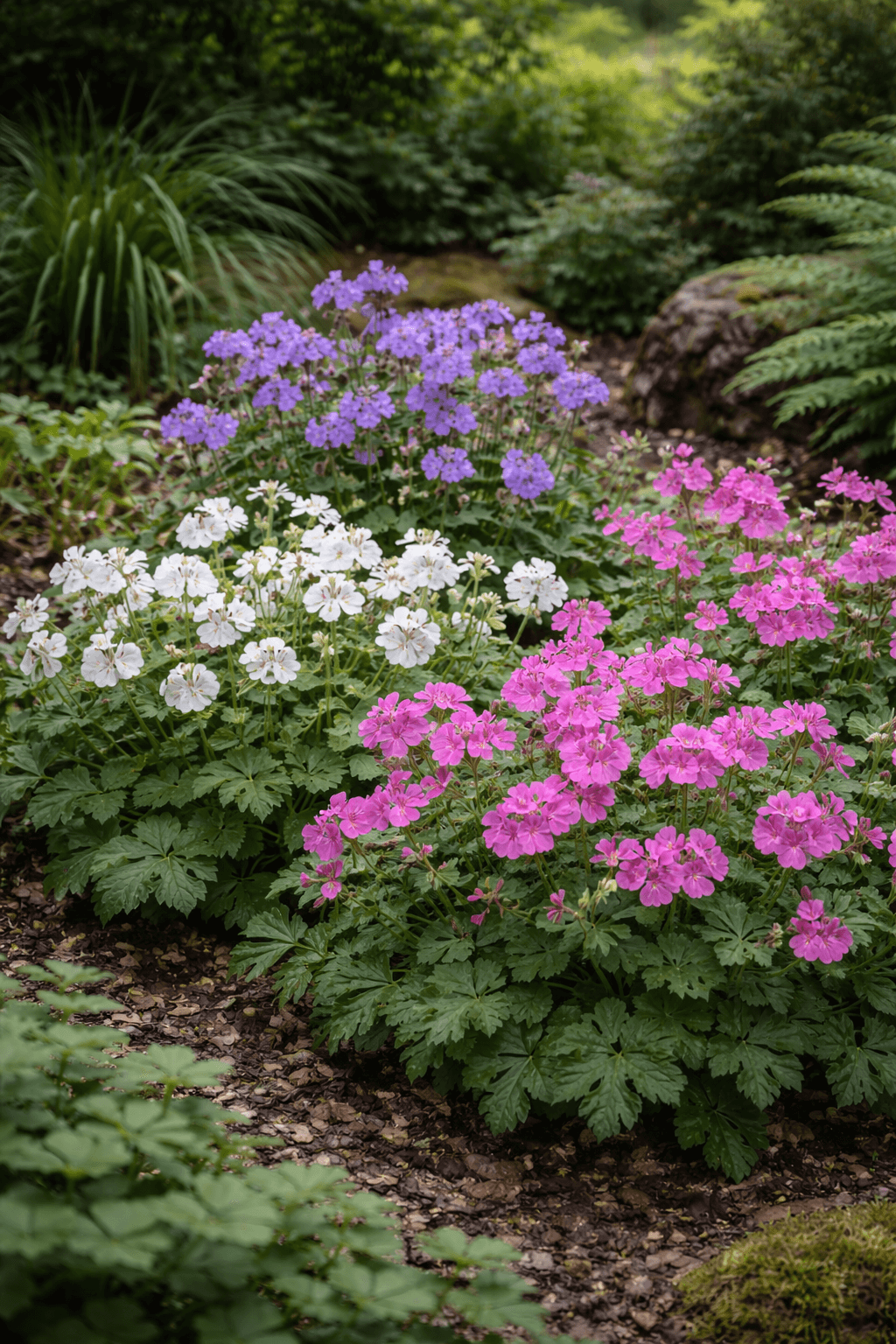
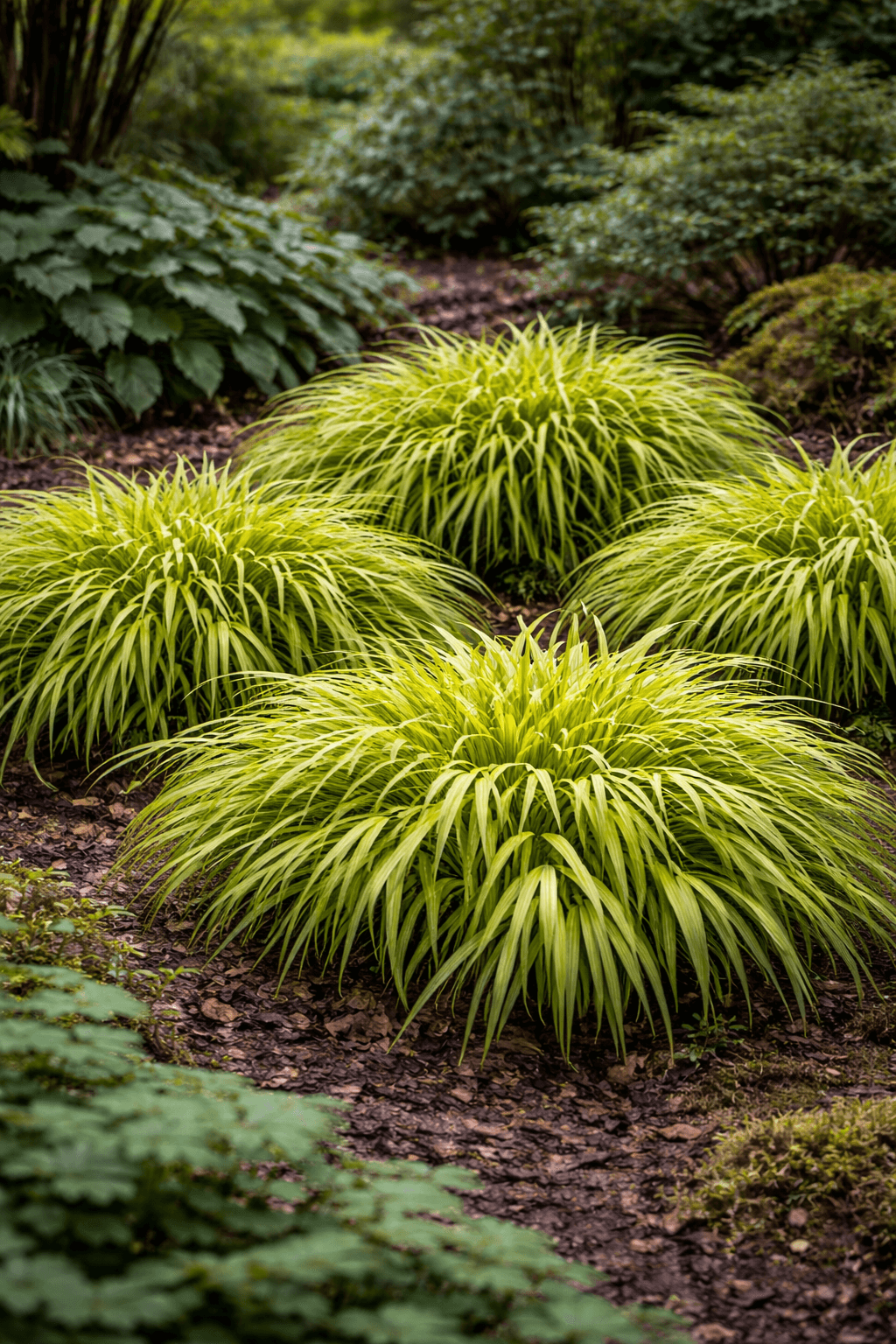
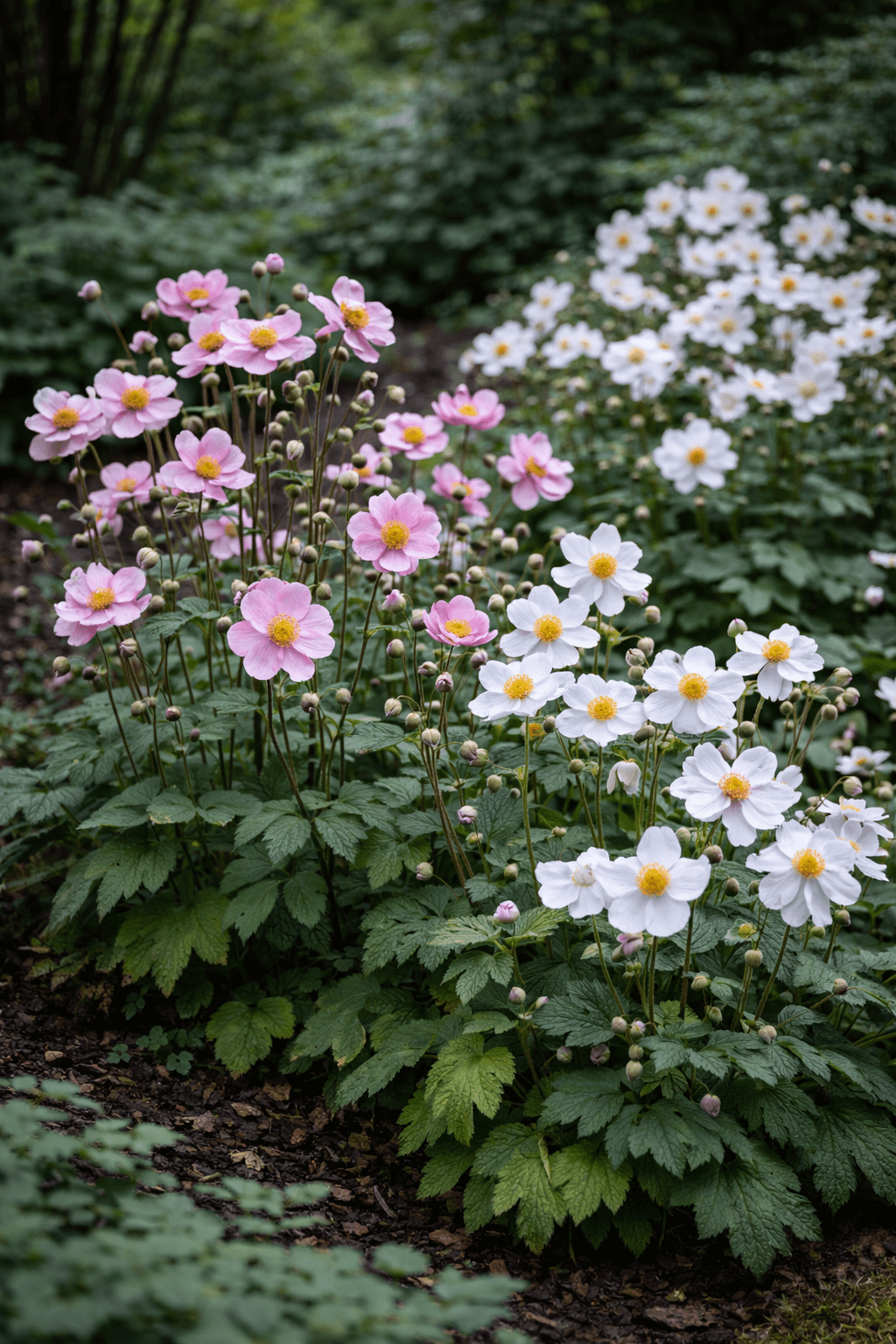
Well-suited plants for light shade include

| Plant | Why It Performs Well in Shade | Best Conditions | Chilterns Growing Notes |
|---|---|---|---|
| Geraniums (hardy cranesbills) | Reliable ground-cover plants that spread gently, suppress weeds, and offer long flowering periods. | Light woodland shade | Very adaptable and low maintenance. Cut back after flowering to refresh growth. |
| Hakonechloa | Graceful, arching grass that thrives in shade, adding movement and softness. | Light to moderate shade | Prefers moisture-retentive soil. Slow to establish but improves steadily with time. |
| Hydrangeas (woodland and lacecap types) | Naturally suited to dappled shade, producing generous foliage and reliable flowering. | Light woodland shade | Avoid dry shade. Benefits from consistent moisture and shelter from hot afternoon sun. |
| Japanese anemones | Late-flowering perennials that bring height and colour as other woodland plants fade. | Light shade with moisture | Establish slowly but are long lived. Allow space for natural spread over time. |
This type of shade lends itself to gentle transitions between garden and woodland, where planting feels informal but intentional.
Heavy clay and mixed soils in shaded gardens
Not all Chilterns gardens sit on free-draining chalk. Many have pockets of heavy clay, especially where soil has been moved or compacted over time. Shade combined with clay can be unforgiving, particularly in winter when waterlogging becomes an issue.
In these conditions, improving soil structure is often more effective than constant plant replacement. Regular additions of organic matter help create air pockets and improve drainage without stripping nutrients.
Plants that cope well with shaded clay soils include
| Plant | Why It Performs Well in Shade | Best Conditions | Chilterns Growing Notes |
|---|---|---|---|
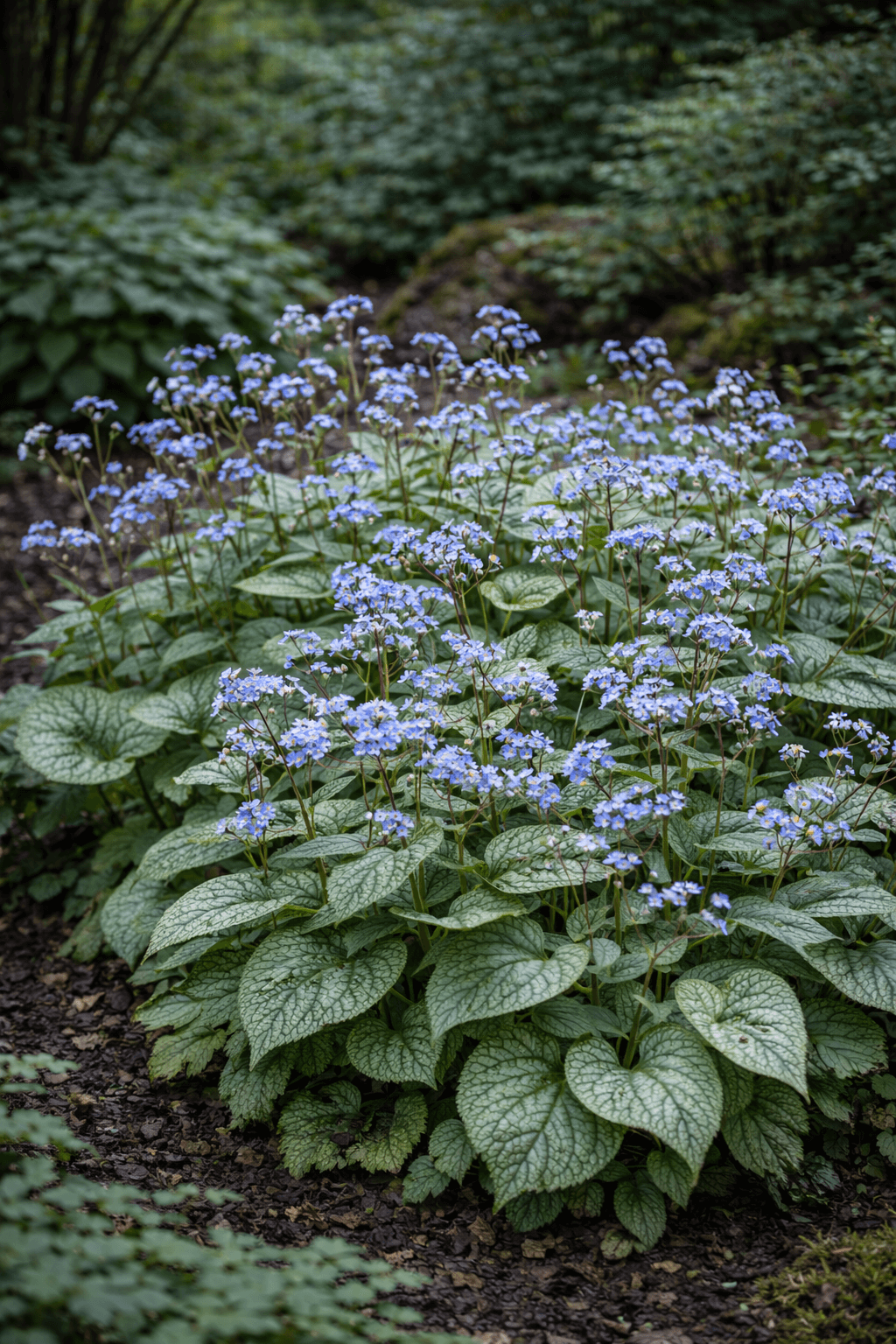
| Brunnera | Broad, textured leaves provide effective ground cover in cool shade, with spring flowers adding gentle interest. | Cool woodland shade | Prefers moisture-retentive soil. Mulch regularly to maintain leaf quality through summer. |
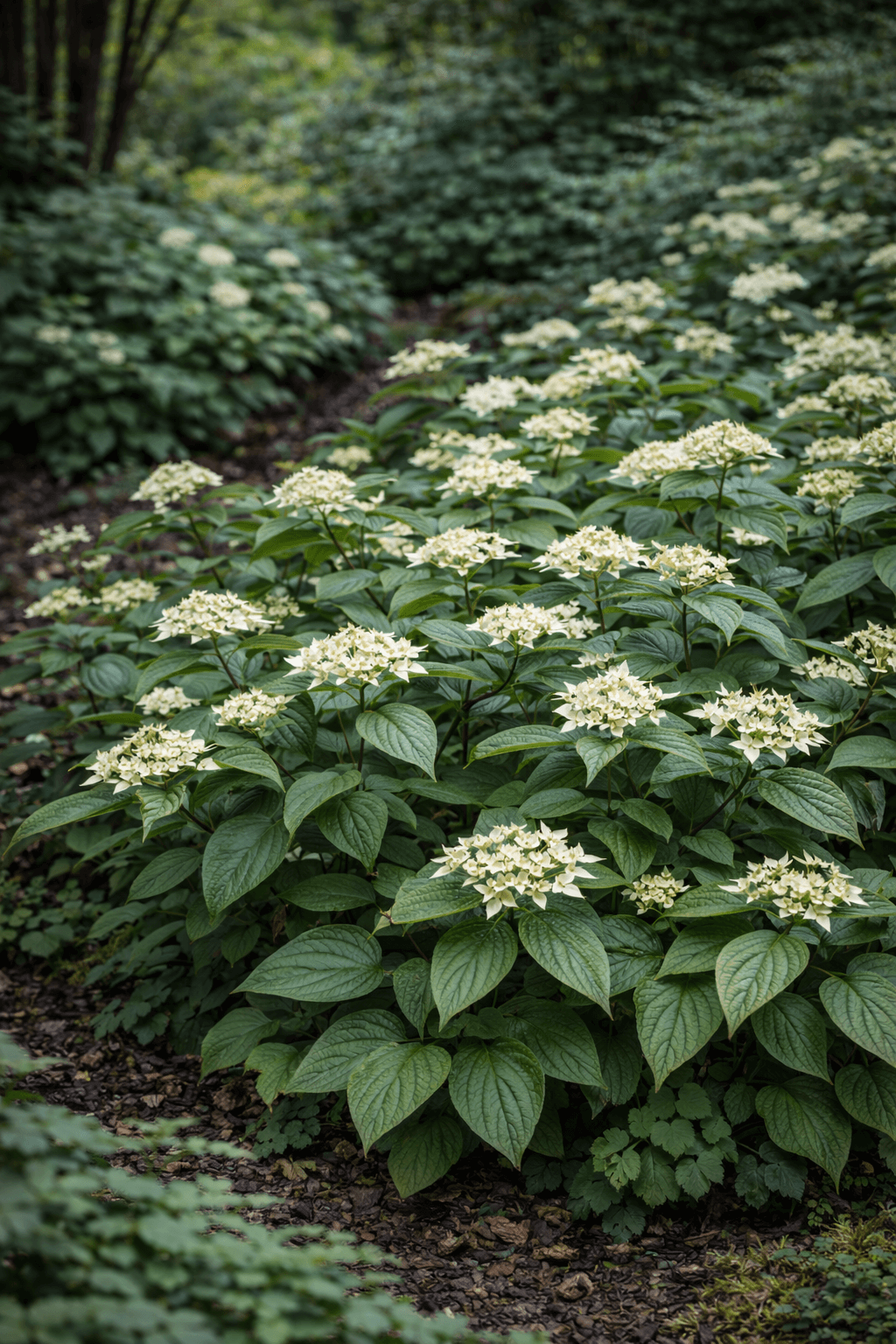
| Cornus | Shrubs valued for strong structure, seasonal stems, and tolerance of heavier soils. | Light to moderate shade | Performs well in clay-based soils. Prune selectively to encourage colourful new growth. |
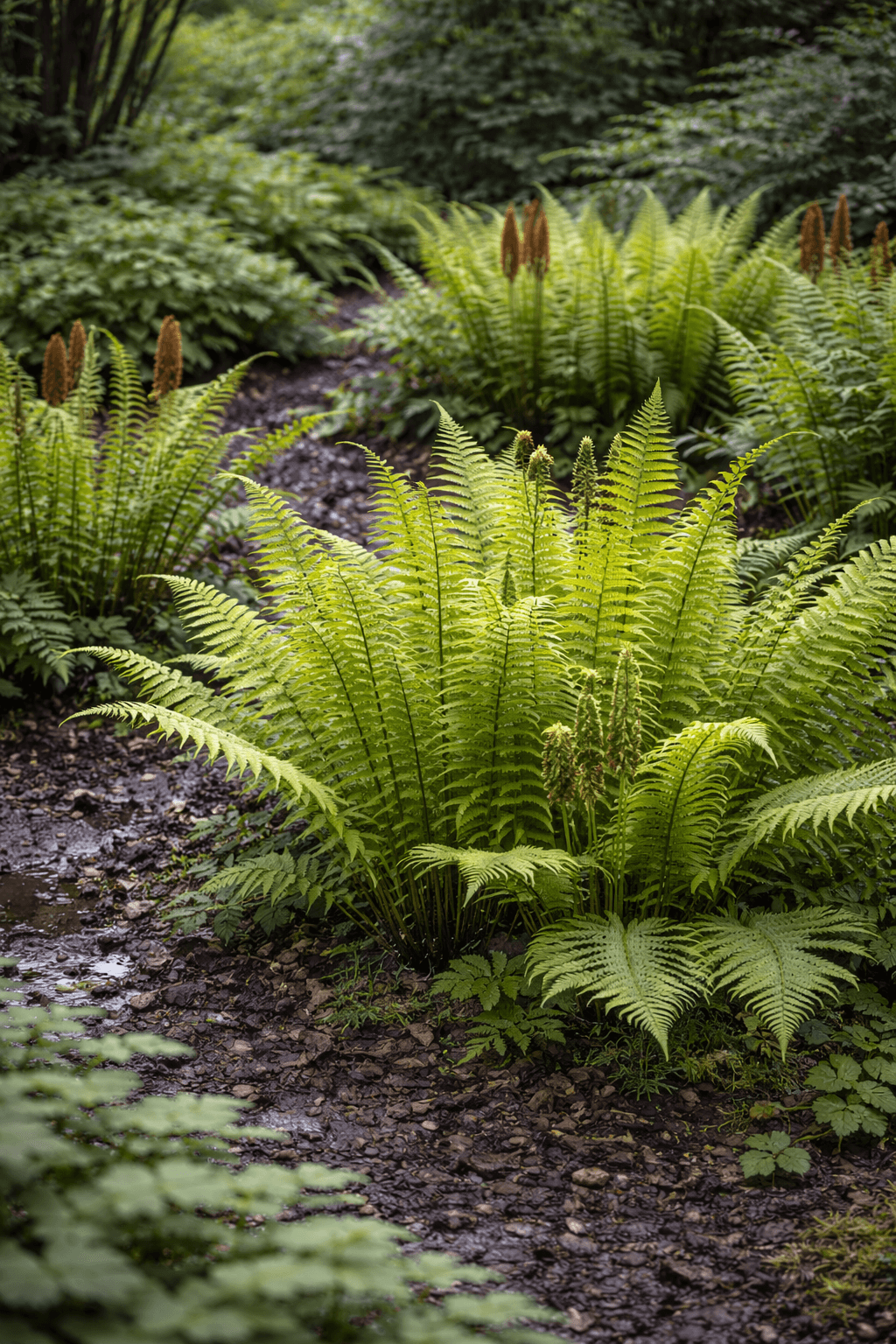
| Ferns (tolerant of heavier ground) | Naturally suited to shaded, moisture-retentive soils, offering texture and year-round presence. | Moist woodland shade | Choose species suited to heavier soils. Remove old fronds in late winter as growth resumes. |
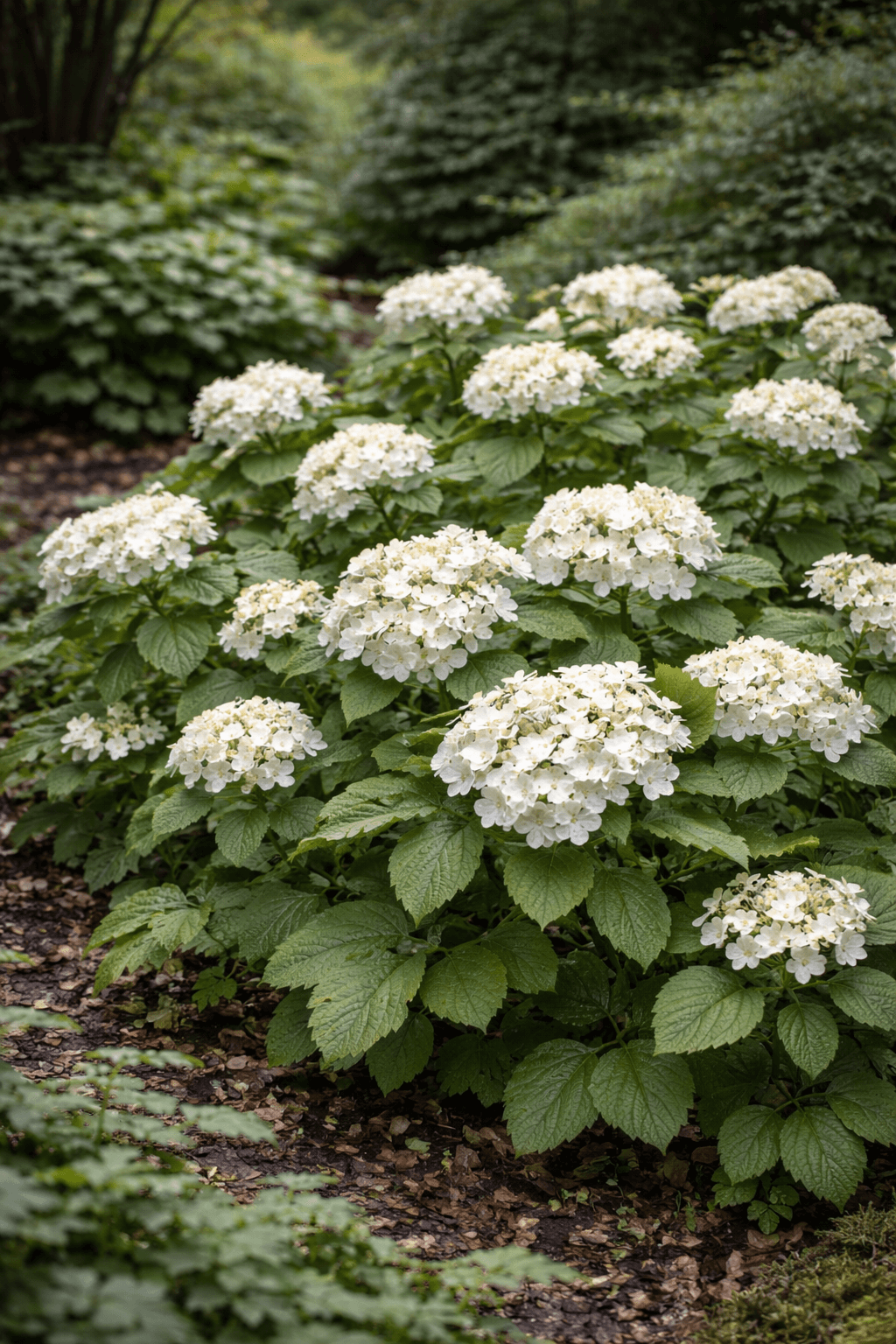
| Viburnum | Reliable shrubs that provide form, foliage, and often seasonal flowers or berries. | Light shade or woodland edge | Adaptable and long lived. Allow adequate space for natural shape and airflow. |
Raised planting and subtle changes in level can also help roots remain healthier during prolonged wet periods.
Making shade planting look intentional, not accidental
One of the most common challenges in shaded gardens is that planting can feel piecemeal. Gaps appear, plants fail, and the space begins to look uncertain rather than calm. In woodland settings, structure is just as important as plant choice.
Evergreen shrubs, repeated foliage textures, and a limited palette help shade gardens feel composed. Seasonal highlights then sit within this framework rather than trying to carry the whole design.
Paths, seating, and focal points matter too. Shade gardens benefit from clear routes and places to pause, allowing planting to be appreciated rather than rushed past.
Making the most of a woodland garden in the Chilterns
A woodland garden does not need to be bright to be beautiful. In the Chilterns, shade is part of the character of the landscape, and gardens that embrace it often feel more settled and timeless than those that fight it.
Key points to take away
Identify the type of shade before choosing plants
Match planting to soil moisture and root competition
Use structure and repetition to create coherence
Improve soil gradually rather than forcing unsuitable plants
Allow the garden to evolve at a woodland pace
FAQ
What grows well under beech trees in the Chilterns
Plants suited to dry shade and root competition perform best. Epimediums, hellebores, evergreen shrubs, and resilient ferns tend to establish more successfully than moisture-loving plants.
Can flowering plants grow in shade
Yes, though flowering is often seasonal rather than continuous. Many woodland plants flower in spring before tree canopies fully develop, while others provide interest later in the year.
How do you improve soil in shaded gardens
Regular mulching with organic matter is usually more effective than digging. It improves structure, supports soil life, and helps regulate moisture over time.
Is shade planting high maintenance
When plants are well matched to conditions, maintenance is often lower than in sunny borders. Most problems arise when plants are struggling rather than thriving.
Real Woodland Gardens, Carefully Designed
Across the Chilterns, Buckinghamshire, and surrounding areas, we’ve worked with homeowners to create gardens that sit comfortably within wooded settings, handling shade, heavy soils, and root competition without fighting the landscape.
You can view a selection of our completed residential garden transformations to see how careful observation, thoughtful planting, and long-term planning have shaped a wide range of gardens, from lightly shaded plots to deeper woodland edges.
Every project begins with the same principles outlined here: understanding light levels, soil conditions, and how a garden will evolve over time.
If you’d like help developing a woodland garden that feels settled, balanced, and resilient, Vivid Gardens offers bespoke design support across the Chilterns and the wider Buckinghamshire area.
An initial conversation is always free, and we’re happy to explore ideas before any decisions are made.