
Self-Seeding Plants: Creating Natural, Low-Maintenance Gardens
Tired of borders that look bare every spring, or spending weekends filling gaps only to see them empty again the following year?
For many people, a truly low-maintenance garden isn’t about neglect or doing nothing. It’s about choosing plants and layouts that work quietly in the background, filling space, softening edges, and renewing themselves without constant attention. With busy lives, changing seasons, and limited time to garden, planting that can largely look after itself has become increasingly appealing.
Self-seeding plants offer exactly that. Once established, they drop seed naturally, producing new plants in gentle, unpredictable ways that feel relaxed rather than rigid. Instead of replanting every year or constantly filling gaps, the garden begins to adjust and regenerate on its own terms.
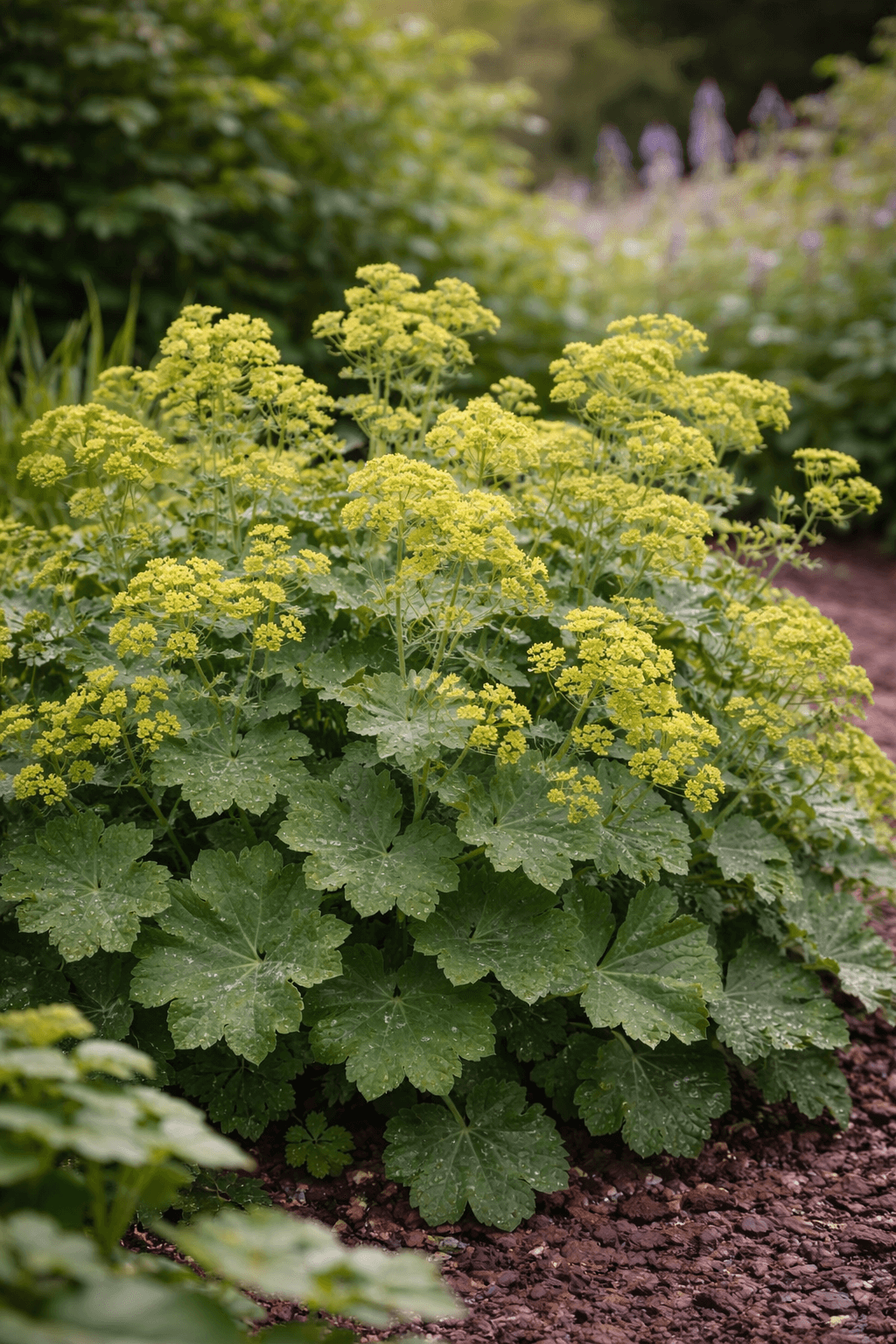
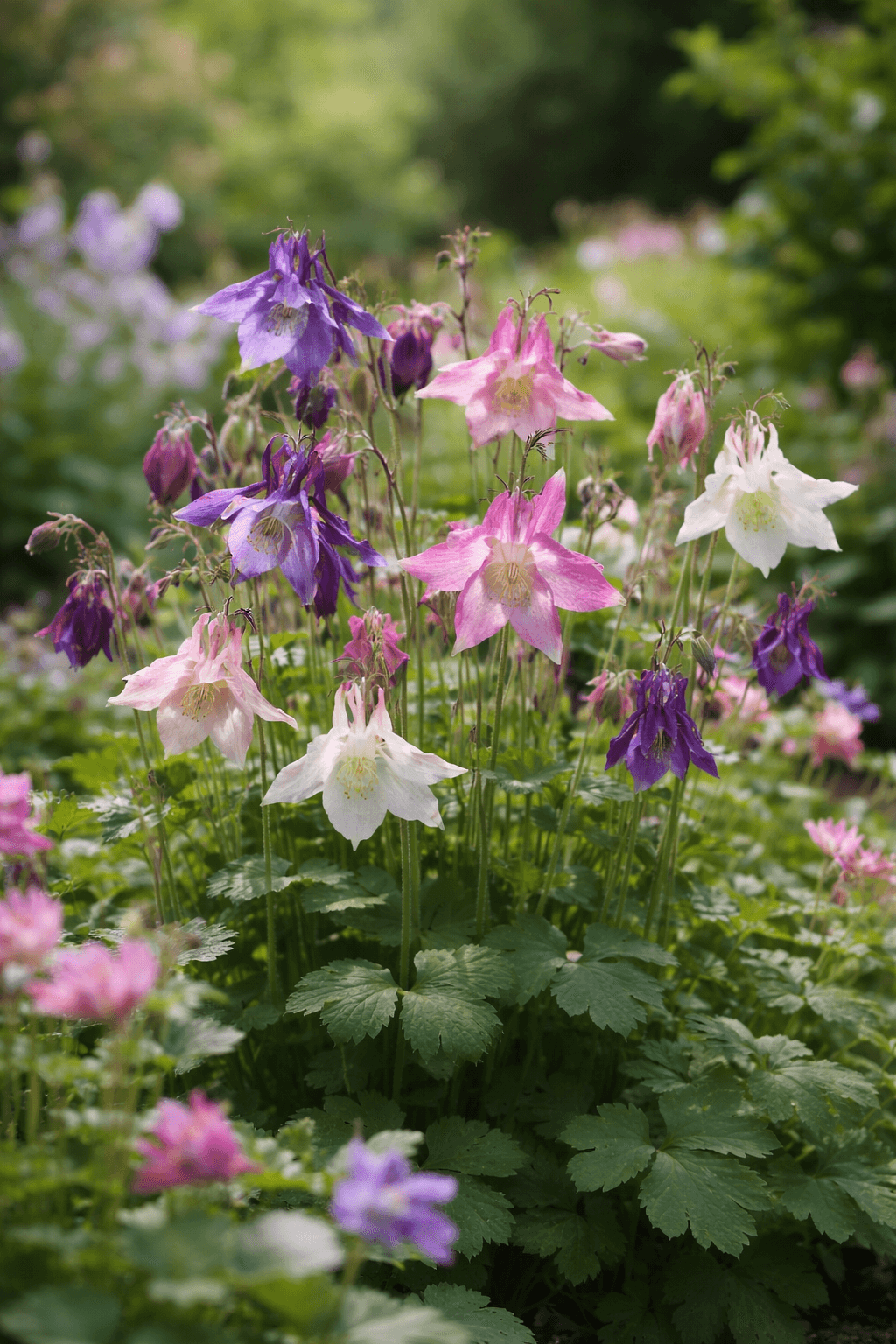
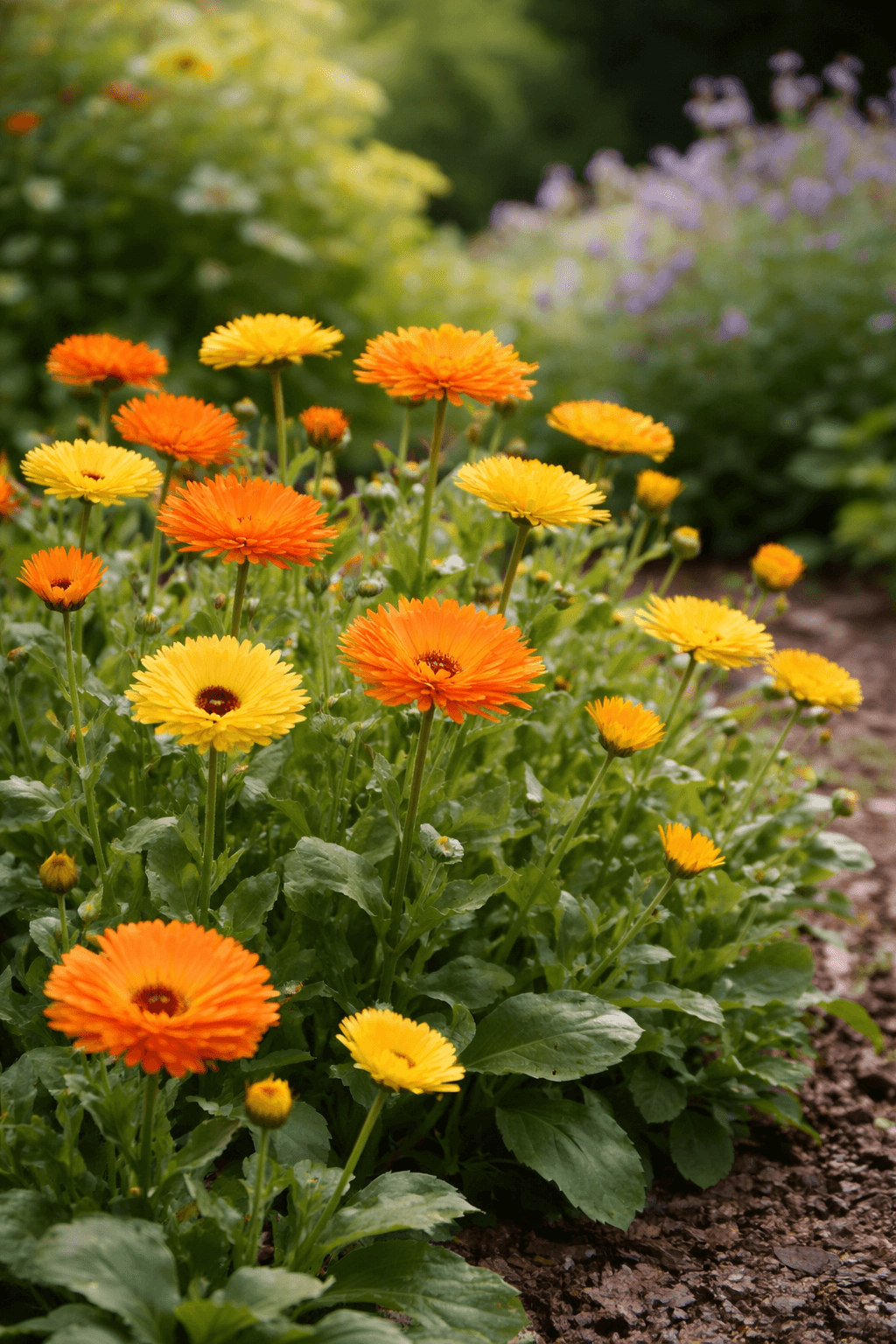
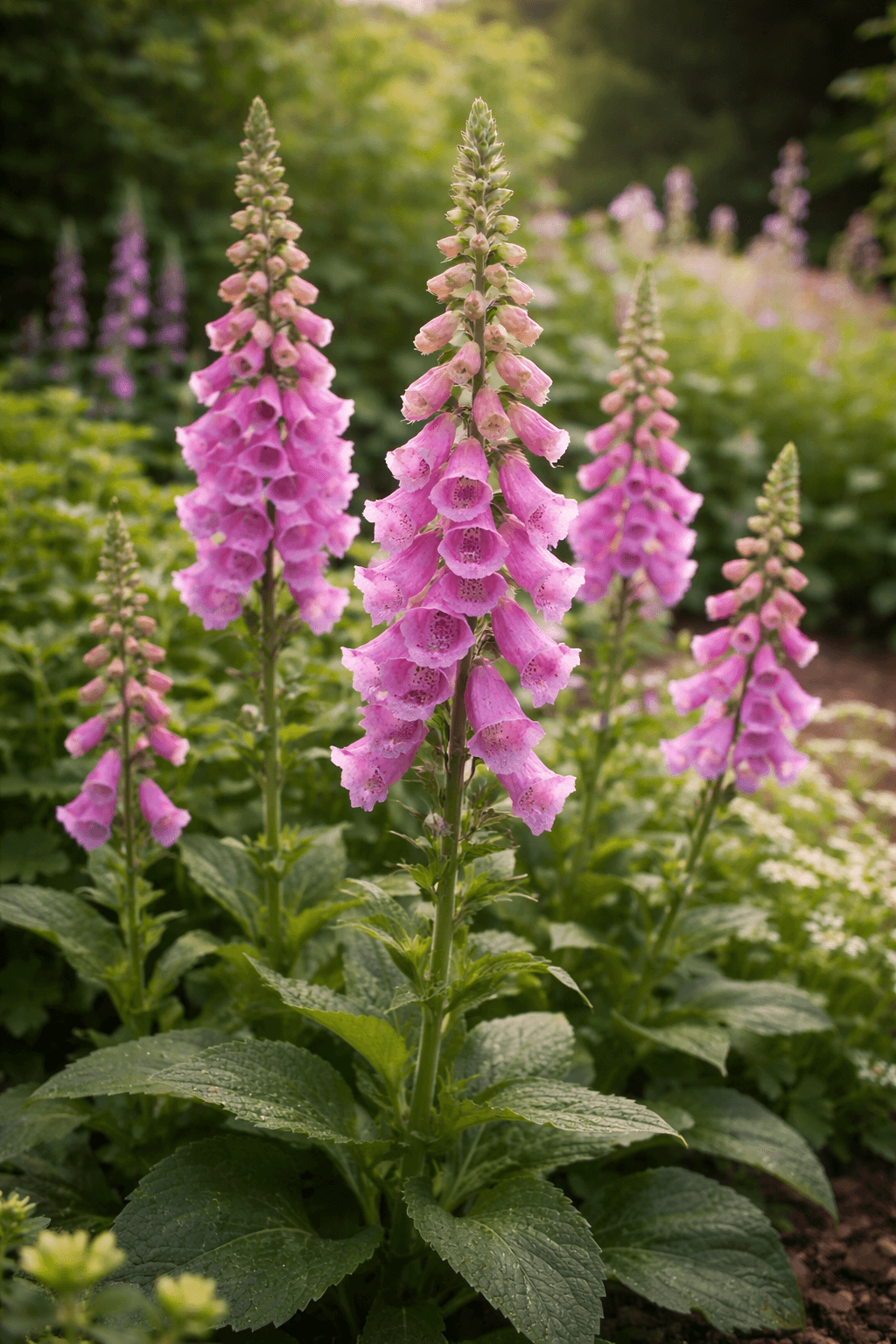
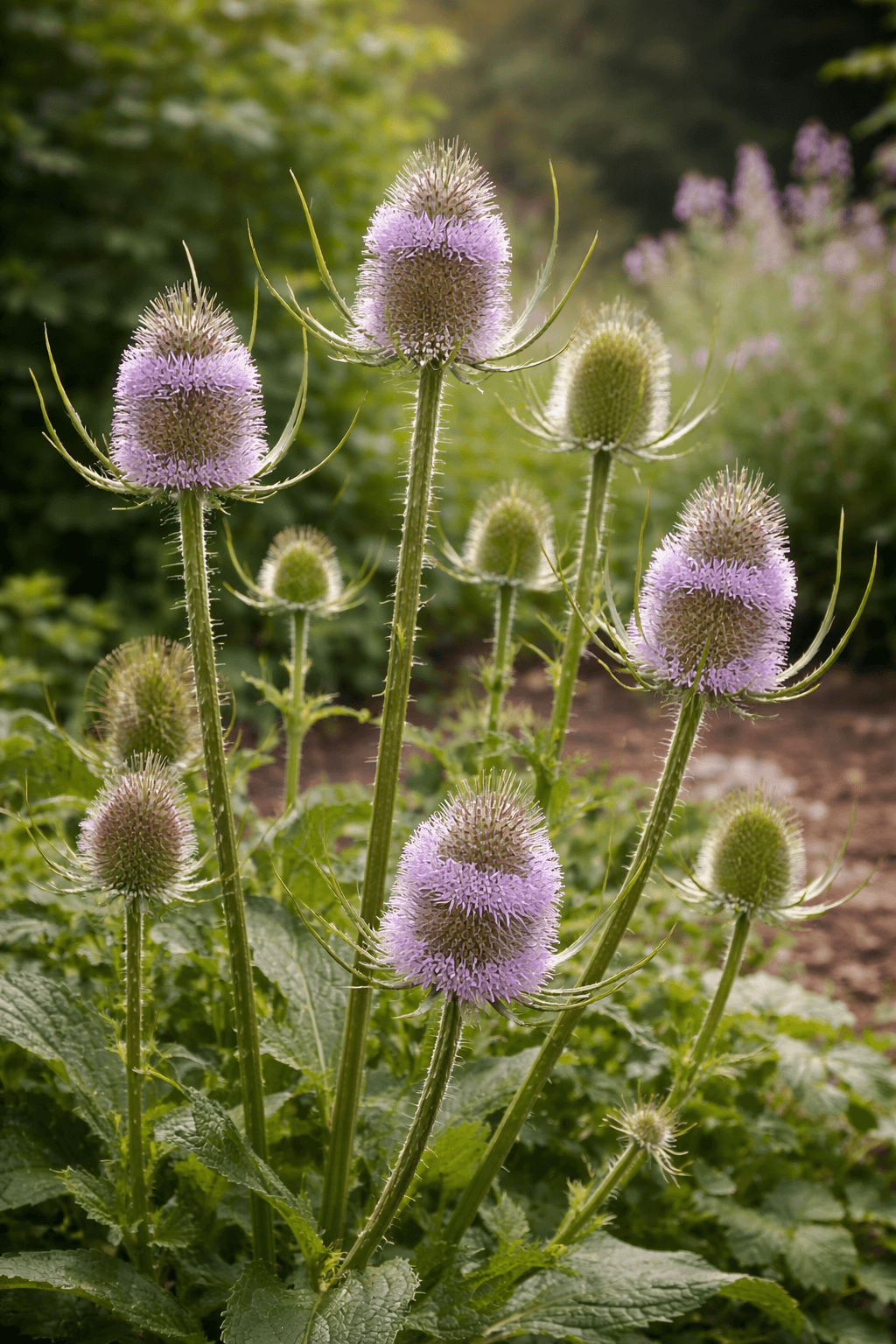
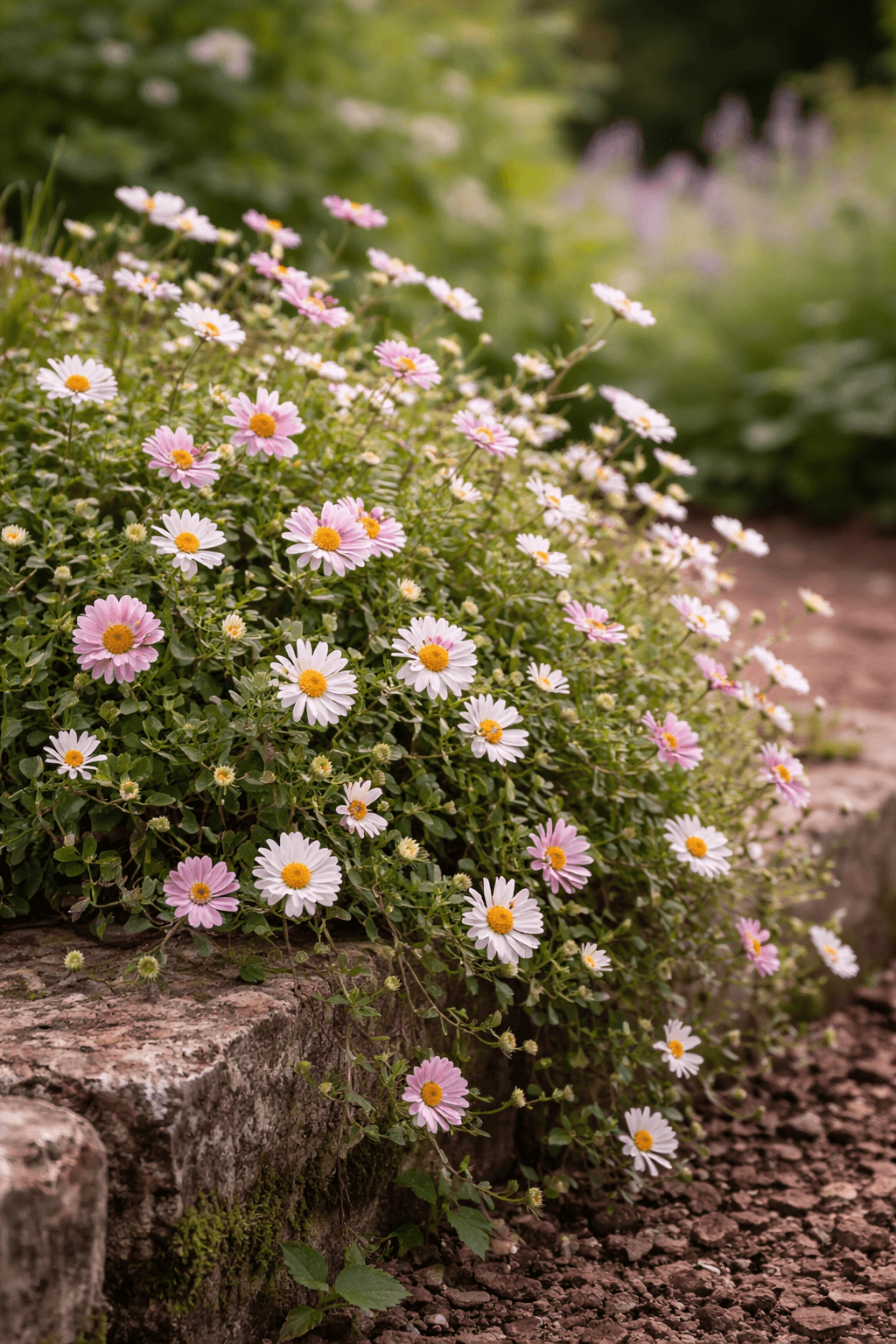
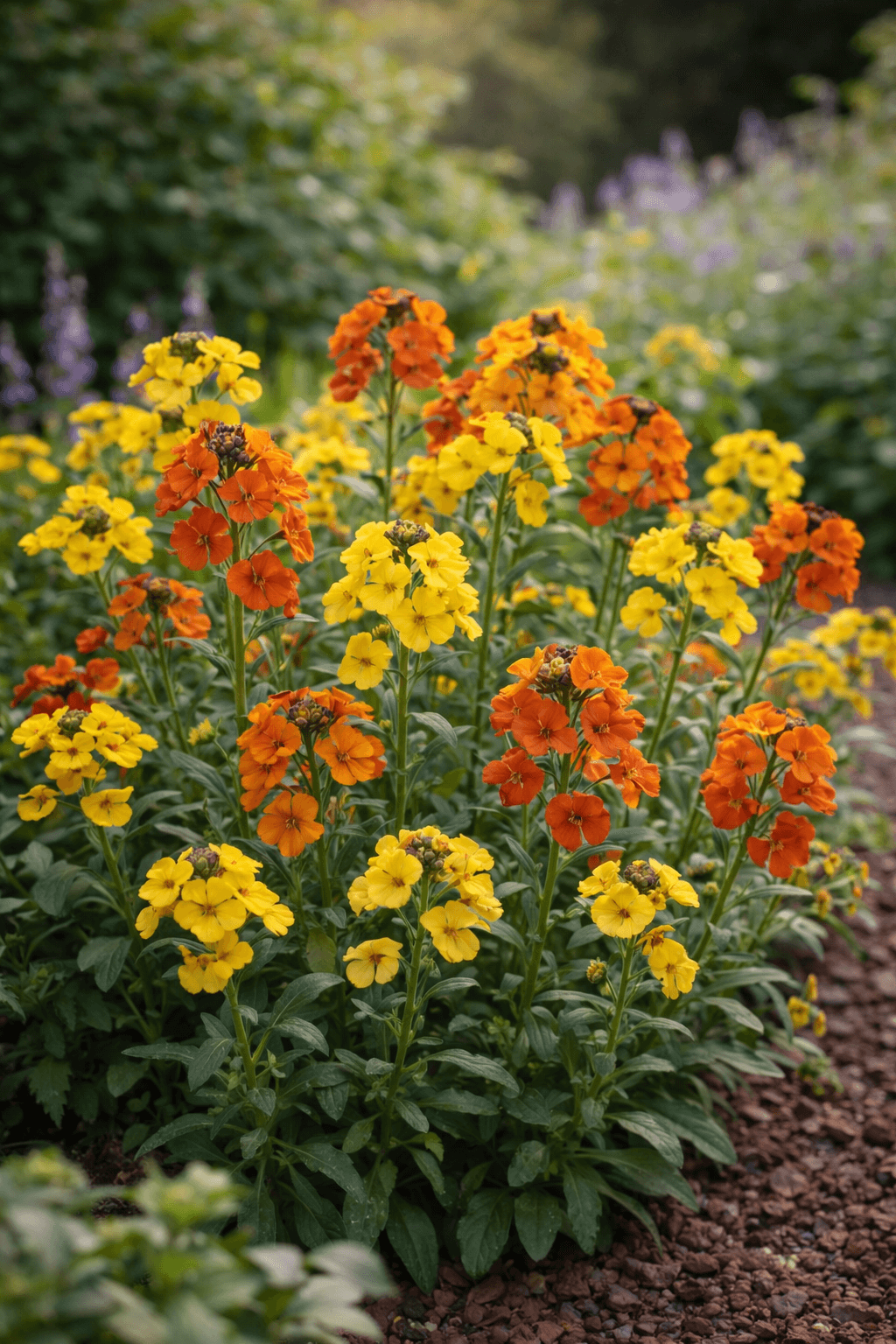
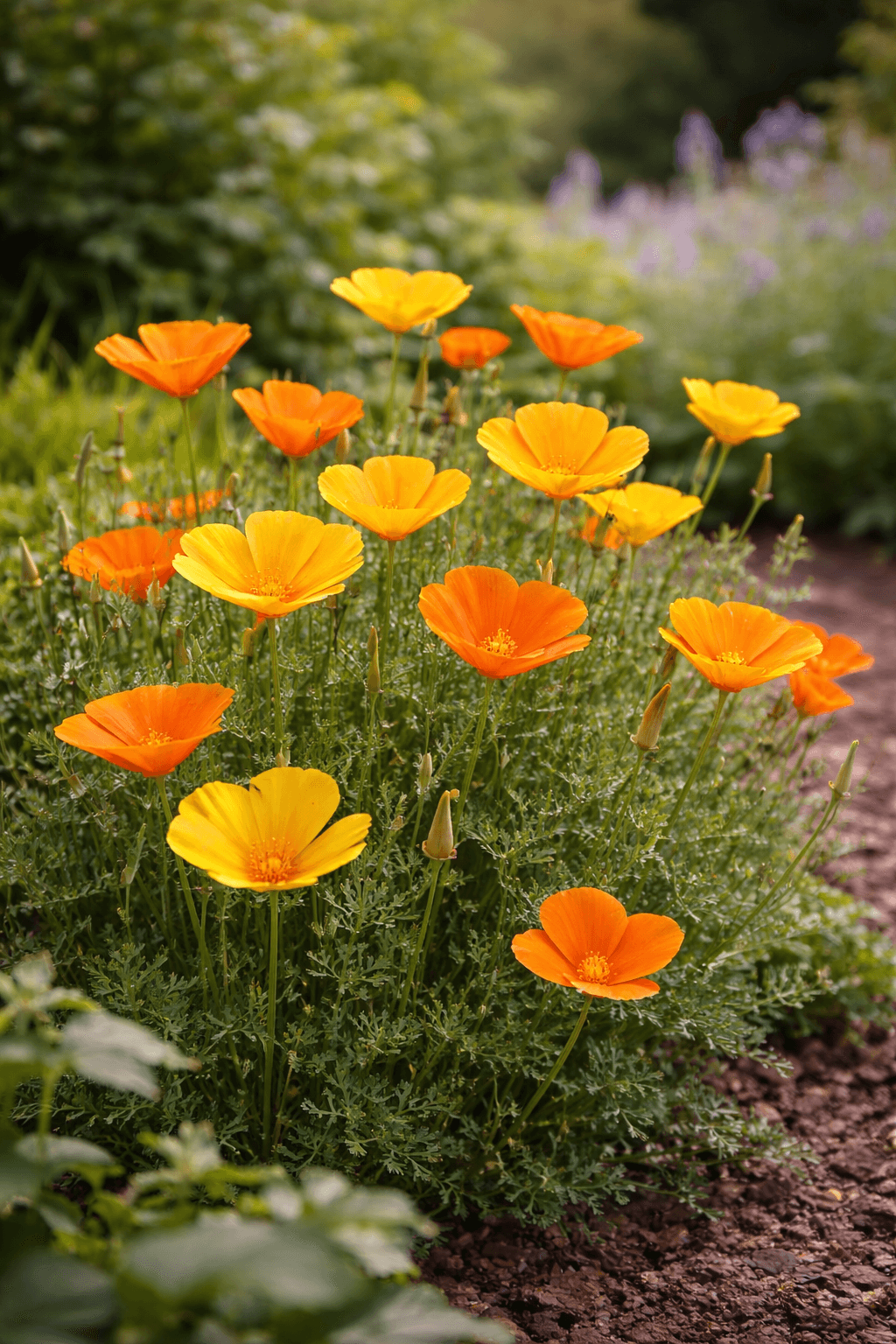
Before diving into how self-seeding works and how to choose the right plants, it’s worth taking a moment to see what this approach looks like in real gardens. The plants below are all reliable self-seeders in UK conditions, returning year after year with minimal input. Together, they show how a garden can feel generous, natural, and well-established without constant replanting or tight control.
What self-seeding really means in a garden setting
Self-seeding plants are those that complete their life cycle, set viable seed, and then reappear naturally in following seasons. In UK gardens, this often results in subtle shifts rather than dramatic takeovers. Seedlings emerge where conditions suit them best, responding to light, moisture, and soil in ways that rigid planting plans rarely allow.
This does not mean surrendering control. Successful self-seeding gardens are guided rather than left entirely alone. Seedlings can be thinned, moved, or removed as needed. Over time, this light-touch approach creates planting that feels settled and responsive rather than forced.
Importantly, self-seeding works best when gardens are not over-tidied. Leaving seed heads standing into autumn, delaying heavy mulching until spring, and accepting a slightly looser aesthetic all help plants complete their cycle naturally.
Why self-seeding plants suit busy lives
For gardeners with limited time, self-seeding planting reduces several common pressure points. There is less need for annual replanting, fewer gaps to fill, and a slower pace of decision-making. Instead of constantly intervening, the gardener responds occasionally, guiding what appears rather than starting from scratch.
Self-seeding also spreads risk. If one plant struggles due to weather or pests, others often succeed elsewhere in the garden. Over time, the planting becomes more resilient, with plants finding their own preferred microclimates.
Key advantages include:
Reduced need for replanting each season
Softer transitions between planted areas
Greater resilience to weather variation
A garden that improves with age rather than declining
This approach suits informal borders, wildlife-friendly gardens, cottage-style planting, and naturalistic landscapes particularly well.
Common types of self-seeding plants in UK gardens
Across the UK, certain plants have proved especially reliable self-seeders when given the right conditions. Rather than grouping them by region, which can oversimplify things, it is more helpful to think in terms of garden conditions. This allows homeowners to quickly see what might suit their own space, whether they are in a coastal garden, a clay-based inland plot, or an urban setting.
Below is a practical A–Z style overview, grouped by reliability and conditions rather than trends.
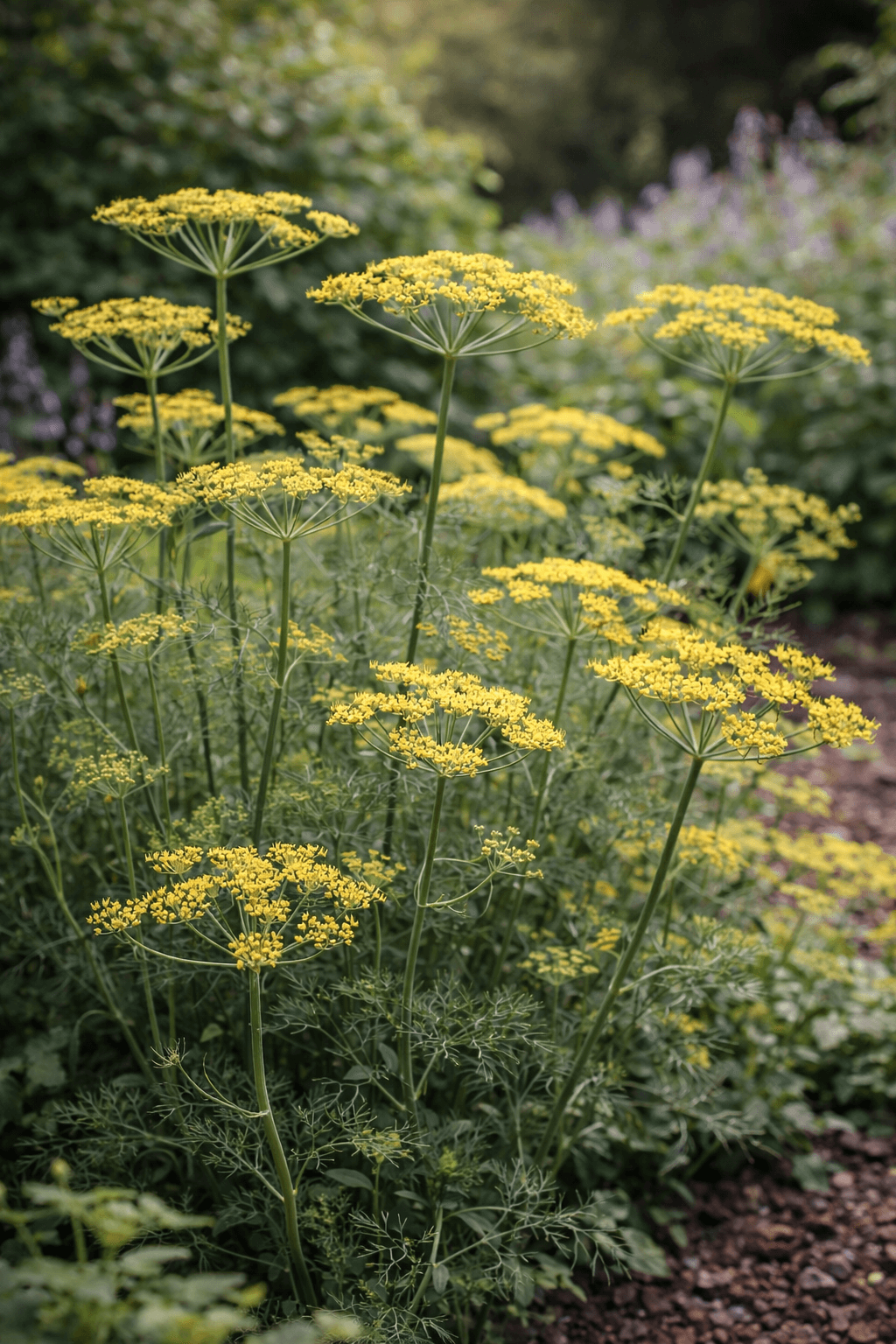
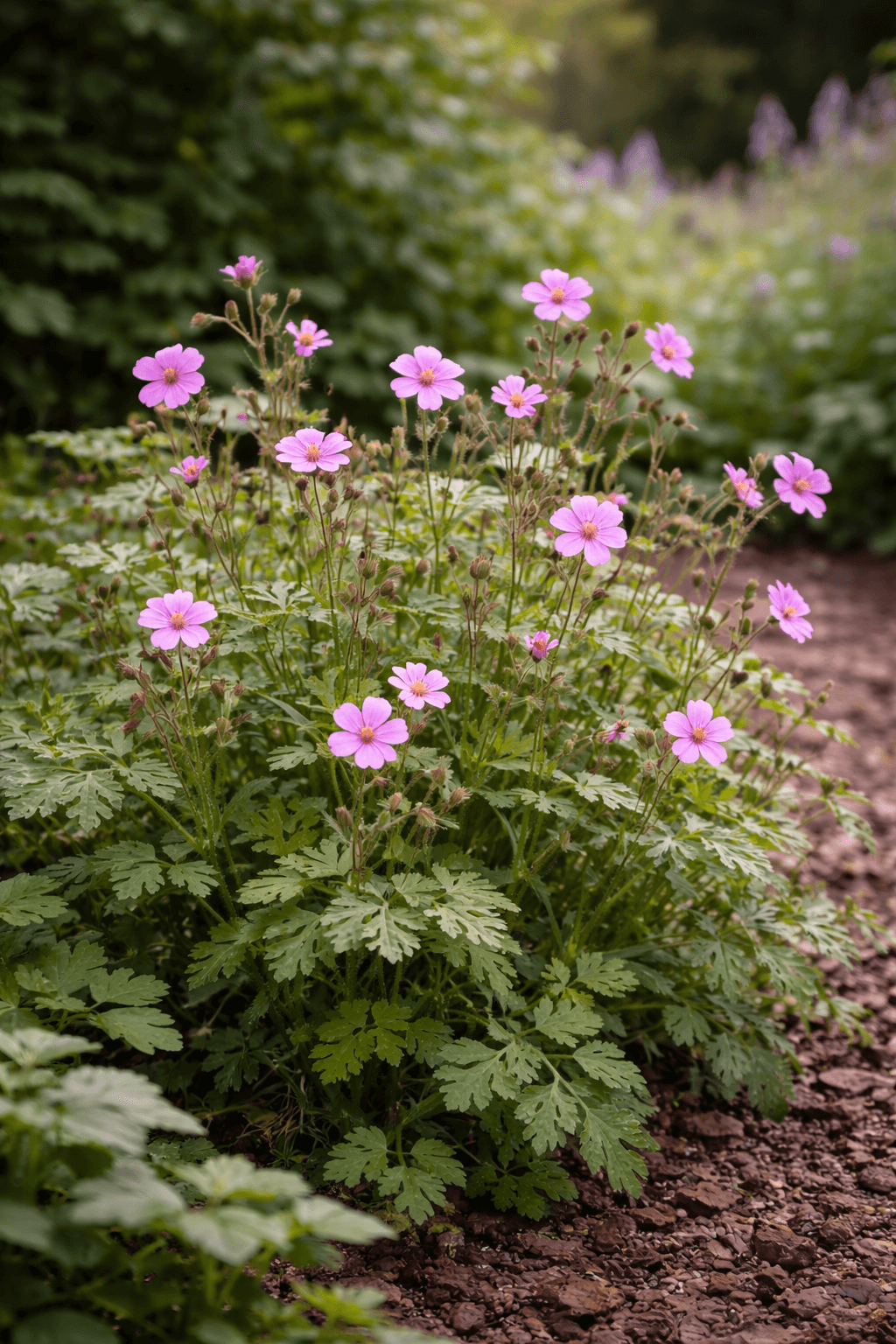
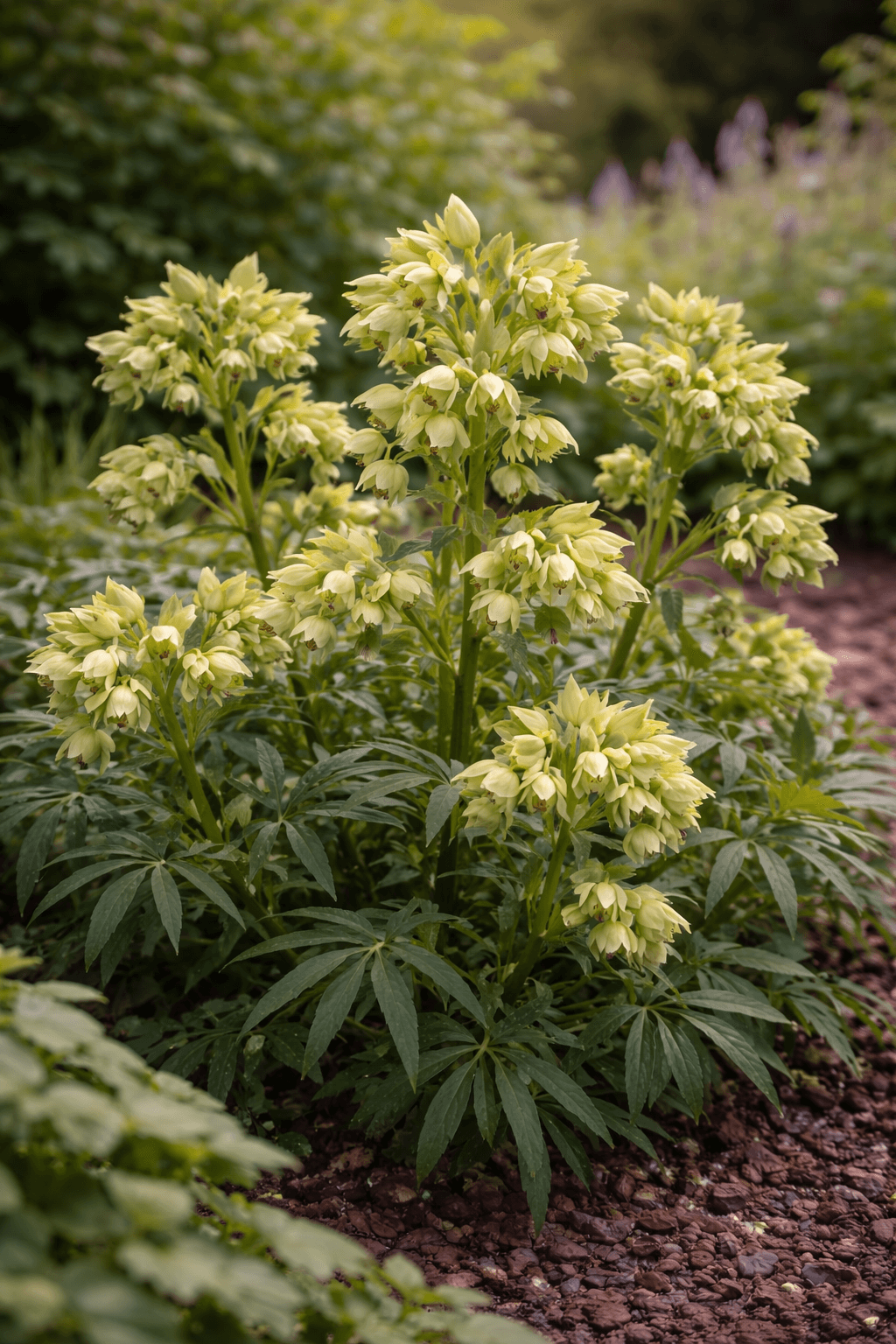
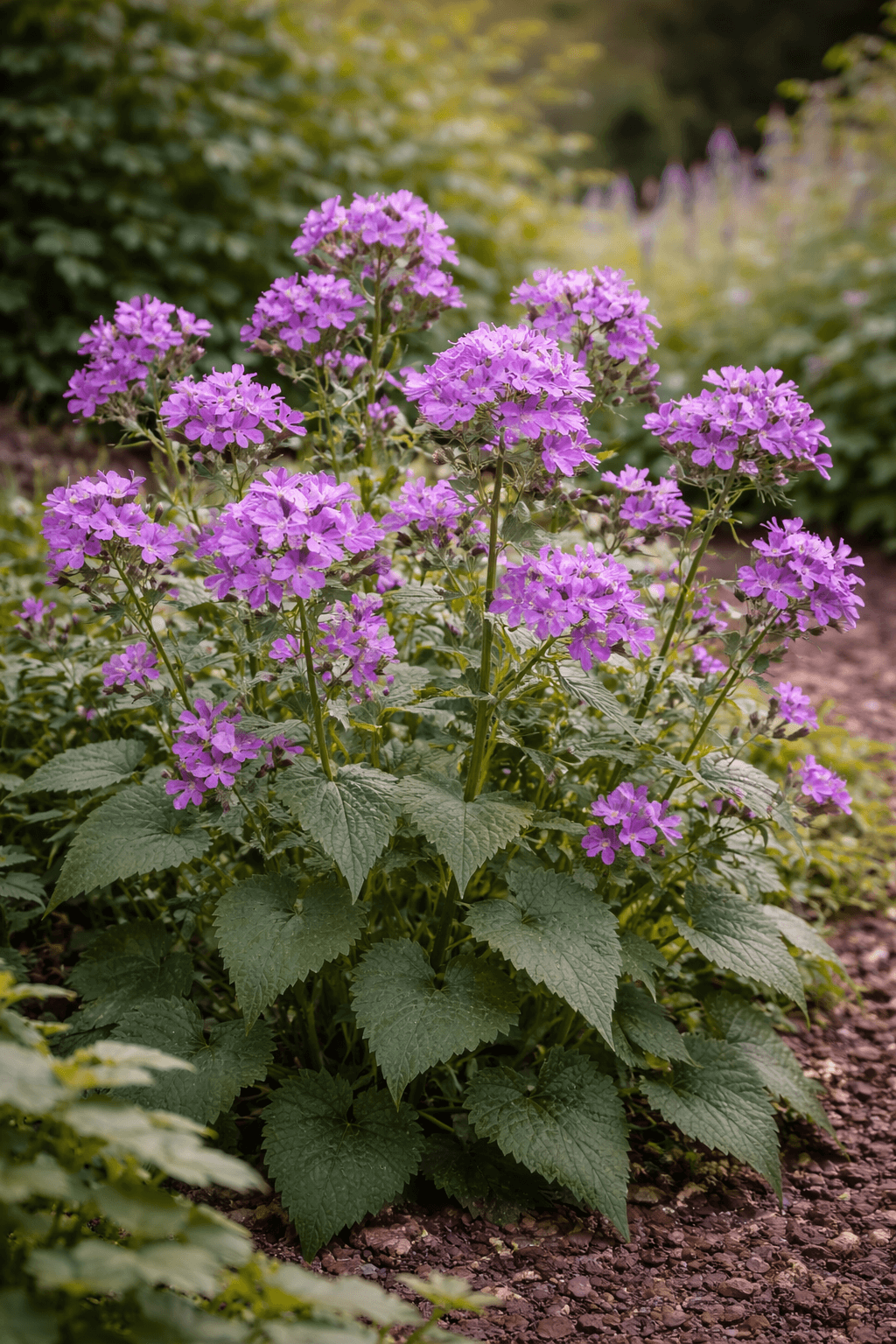
| Plant | Why It Self-Seeds Reliably | Most Reliable In | Notes on Management |
|---|---|---|---|
| Alchemilla mollis (lady’s mantle) | Sets seed freely after flowering and germinates readily in open, moisture-retentive ground. | Most UK gardens, especially moisture-retentive soils | Cut back after flowering to reduce seeding and refresh foliage. |
| Aquilegia (columbine) | Produces plenty of seed, often germinating where soil is lightly disturbed. | Most UK gardens, sun or light shade | Seedlings can vary widely. Keep those you like, lift the rest early. |
| Calendula officinalis (pot marigold) | Quick to set seed and easy to germinate in open ground. | Mild and sheltered gardens, sunnier borders | Deadhead some flowers to extend bloom and prevent heavy self-seeding. |
| Digitalis purpurea (foxglove) | A classic biennial that self-renews by seed if allowed to set and drop it. | Cooler gardens, woodland edges, light shade | Leave a few seed heads each year. Thin seedlings to avoid crowding. |
| Dipsacus fullonum (teasel) | Produces large seed heads and a persistent seed supply for natural regeneration. | Larger, wildlife-friendly gardens | Best where space allows. Remove seed heads if numbers become excessive. |
| Erigeron karvinskianus (Mexican fleabane) | Seeds into cracks and edges, especially where drainage is sharp. | Mild, sheltered gardens and coastal or urban settings | Can travel through paving joints. Pull seedlings where they are not wanted. |
| Eschscholzia californica (Californian poppy) | Sets seed quickly and reappears well in warm, open sites. | Dry, free-draining soils and sunnier gardens | Self-seeding is strongest on lean soils. Deadhead selectively for control. |
| Erysimum cheiri (wallflower) | Often behaves as a short-lived perennial, dropping seed into open ground. | Free-draining soils, sunny and sheltered spots | Allow a few plants to set seed. Replace ageing plants by retaining seedlings. |
| Foeniculum vulgare (fennel) | Light seeds disperse easily and germinate where soil is open. | Free-draining soils, mild and sunny positions | Can appear widely. Remove seedlings early if space is limited. |
| Geranium robertianum (herb robert) | A native cranesbill that self-seeds readily in lightly shaded or undisturbed ground. | Woodland edges, shady or semi-shaded gardens | Best in informal areas. Easy to remove where not wanted, but valuable for naturalistic planting. |
| Helleborus foetidus (stinking hellebore) | Drops seed close to the parent plant, often establishing in suitable shade. | Sheltered gardens, woodland edges, light shade | Seedlings are slow but tough. Move young plants in autumn if needed. |
| Honesty (Lunaria annua) | A biennial that readily self-sows in cool, lightly shaded ground. | Most UK gardens, especially partial shade | Thin seedlings to avoid dense clumps. Leave pods if you want winter interest. |
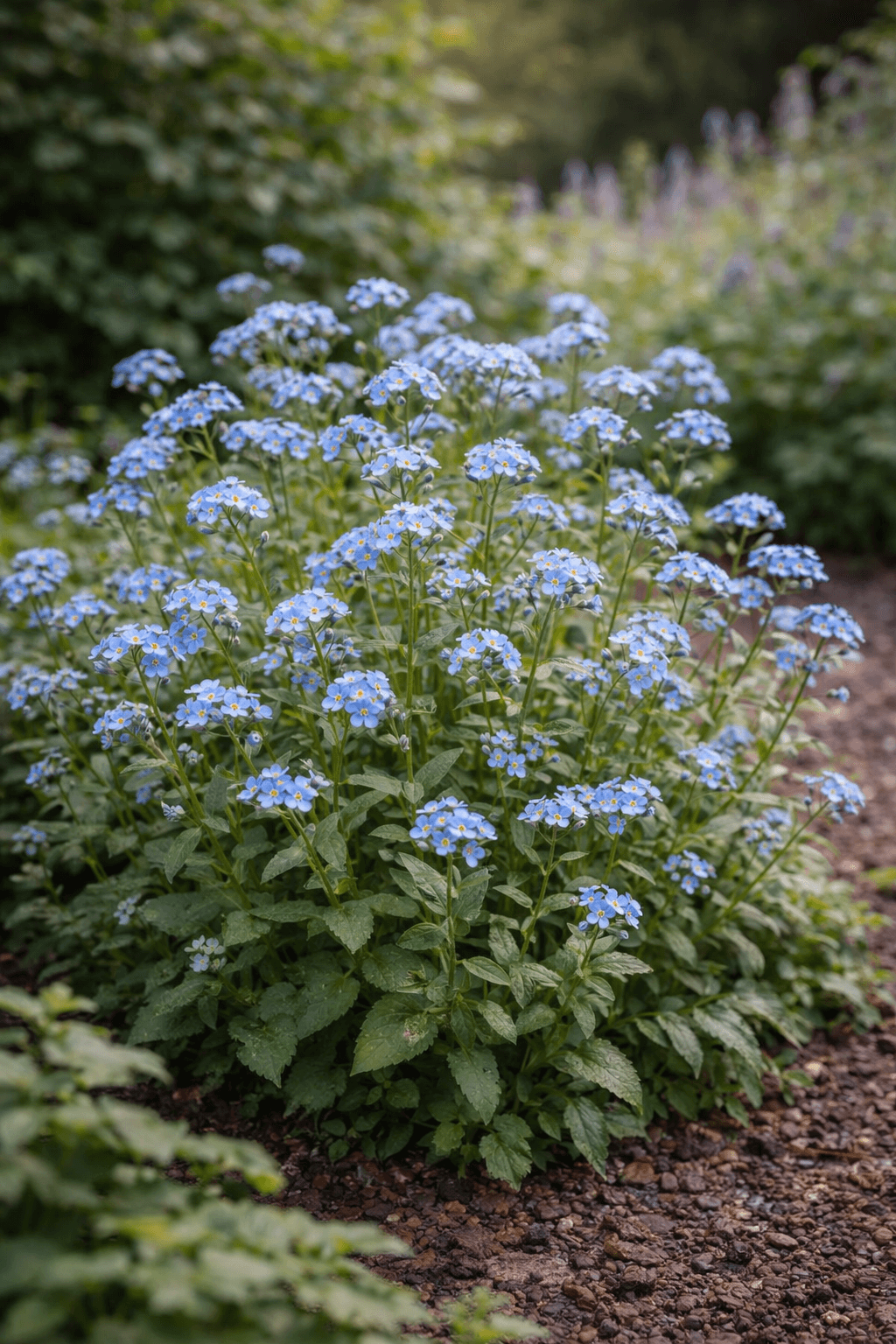
| Myosotis (forget-me-not) | Produces abundant seed and fills gaps quickly in spring. | Cooler or moisture-retentive gardens, light shade | Remove excess plants after flowering to prevent dominance. |
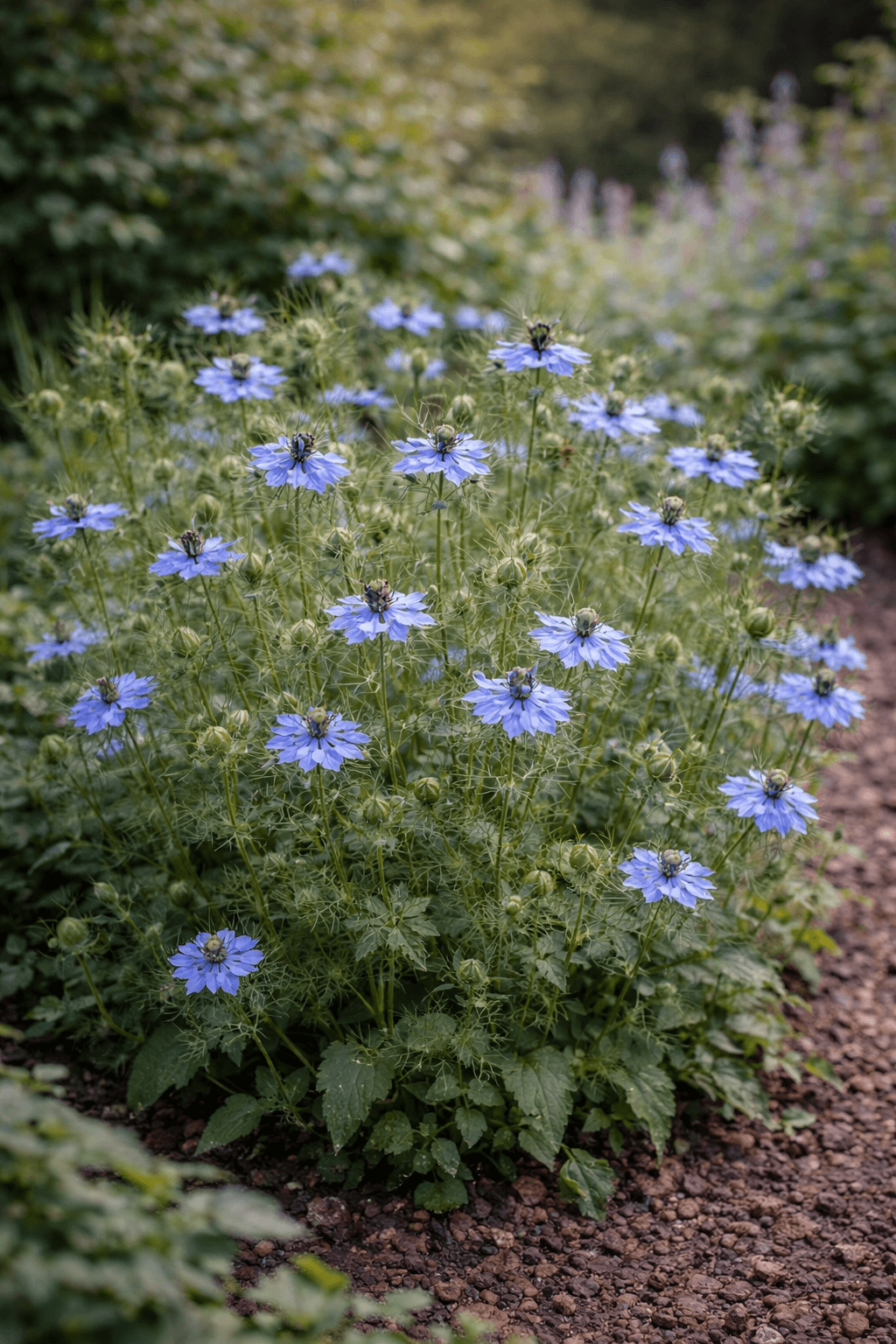
| Nigella damascena (love-in-a-mist) | Creates a strong seed bank that germinates readily where soil is open. | Free-draining soils, sunny borders | Deadhead some seed heads, leave others for gentle self-seeding. |
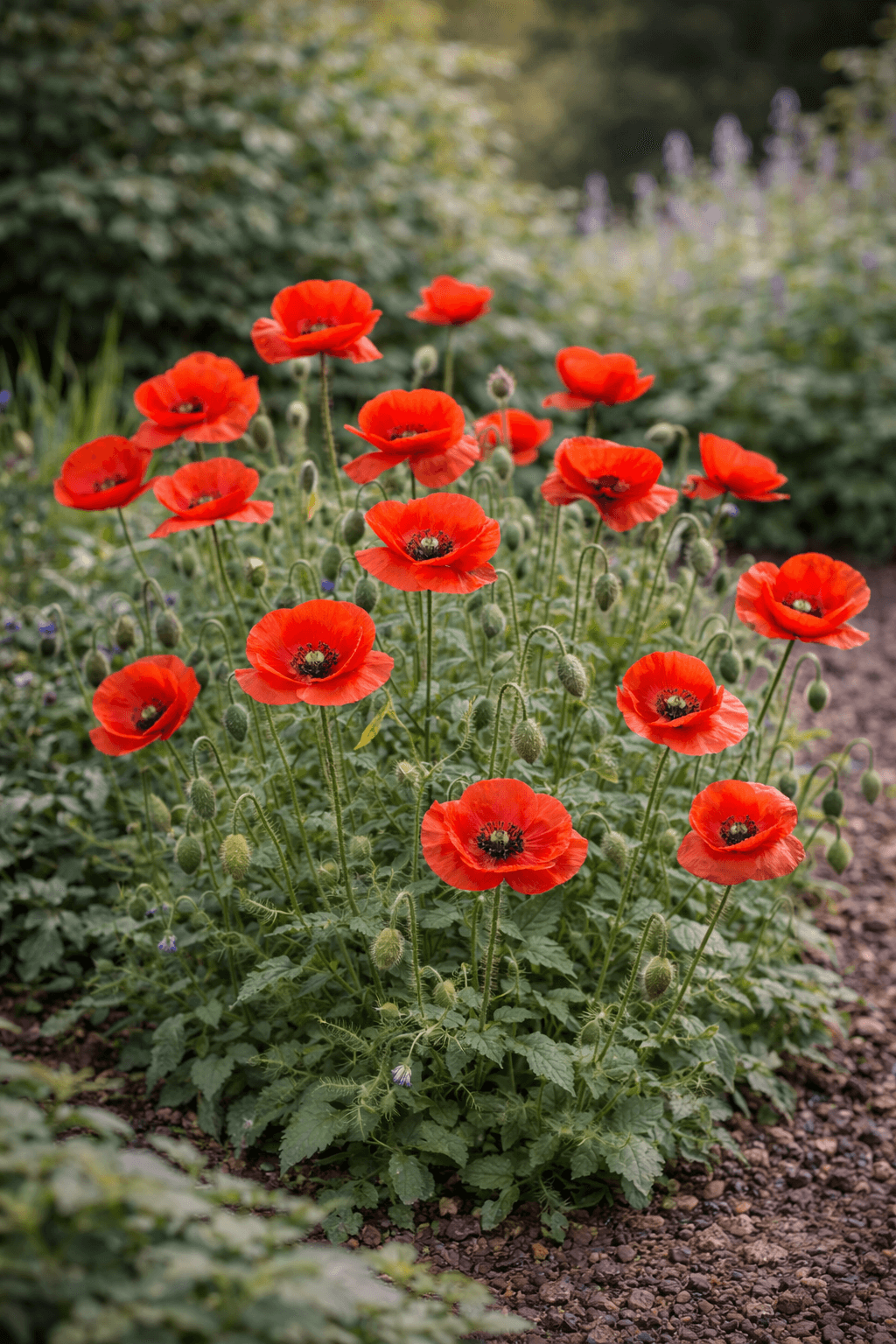
| Papaver rhoeas (field poppy) | Seeds persist in the soil and germinate after disturbance. | Open, sunny ground with occasional soil movement | Often appears in pulses. Light raking can encourage germination. |
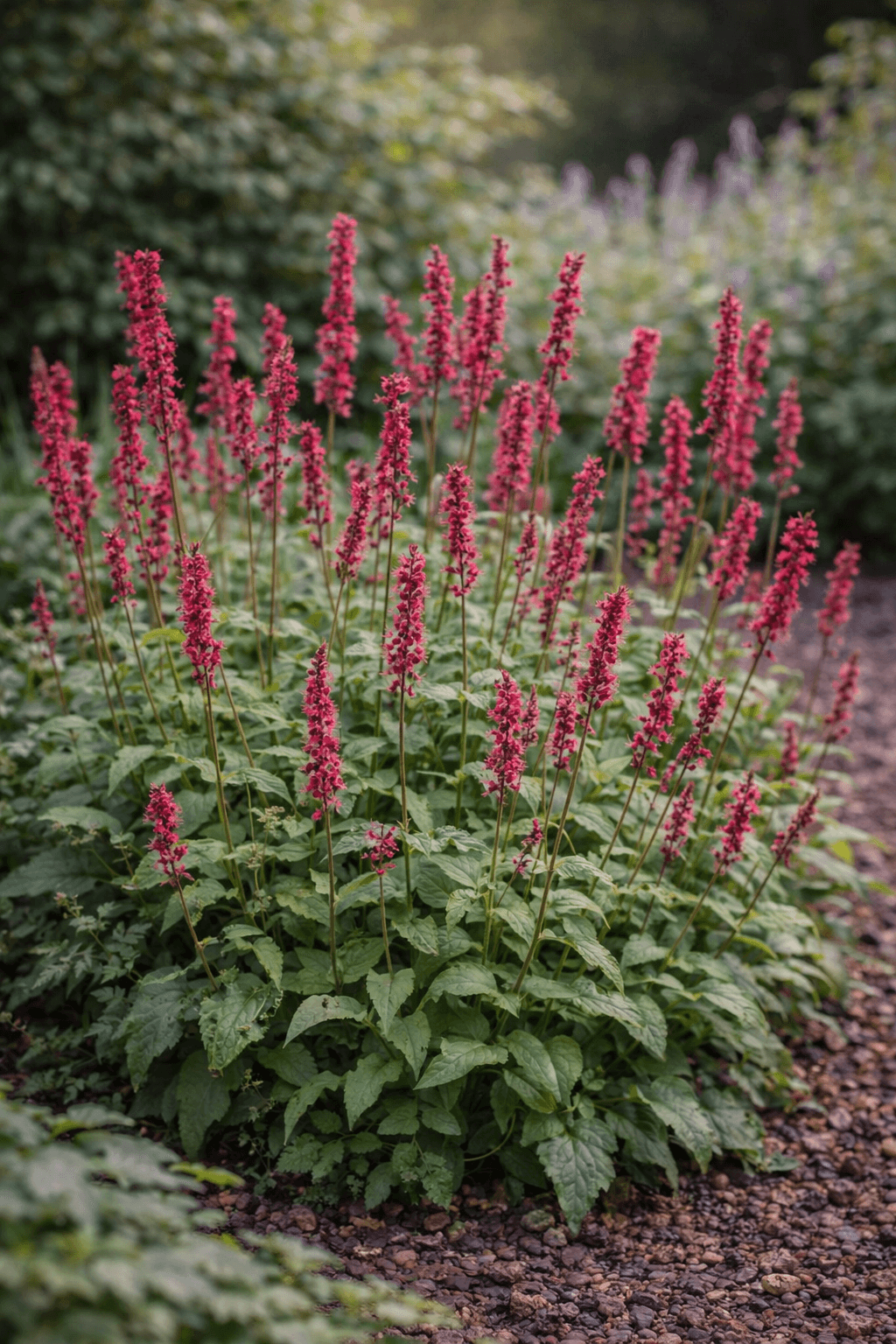
| Persicaria amplexicaulis (knotweed) | Can self-seed lightly in favourable conditions and also forms substantial clumps. | Moist, heavier soils and partial shade | Primarily spreads by clump growth. Allow space and divide if needed. |
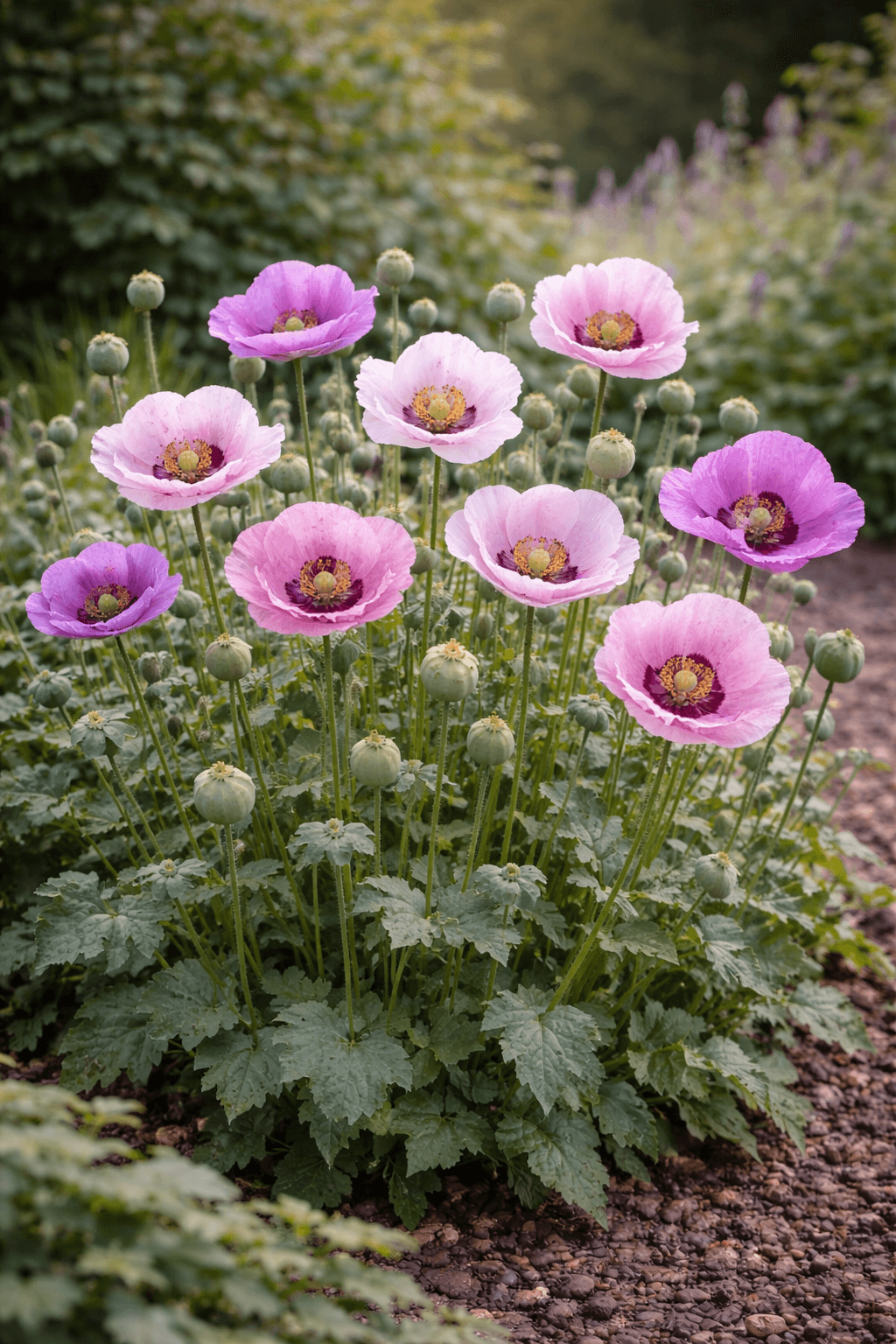
| Poppy, opium (Papaver somniferum) | Produces many seeds that drop close by, often reappearing in open soil. | Free-draining soils, warm and sunny borders | Seedlings are easy to thin. Avoid where a very tidy finish is needed. |
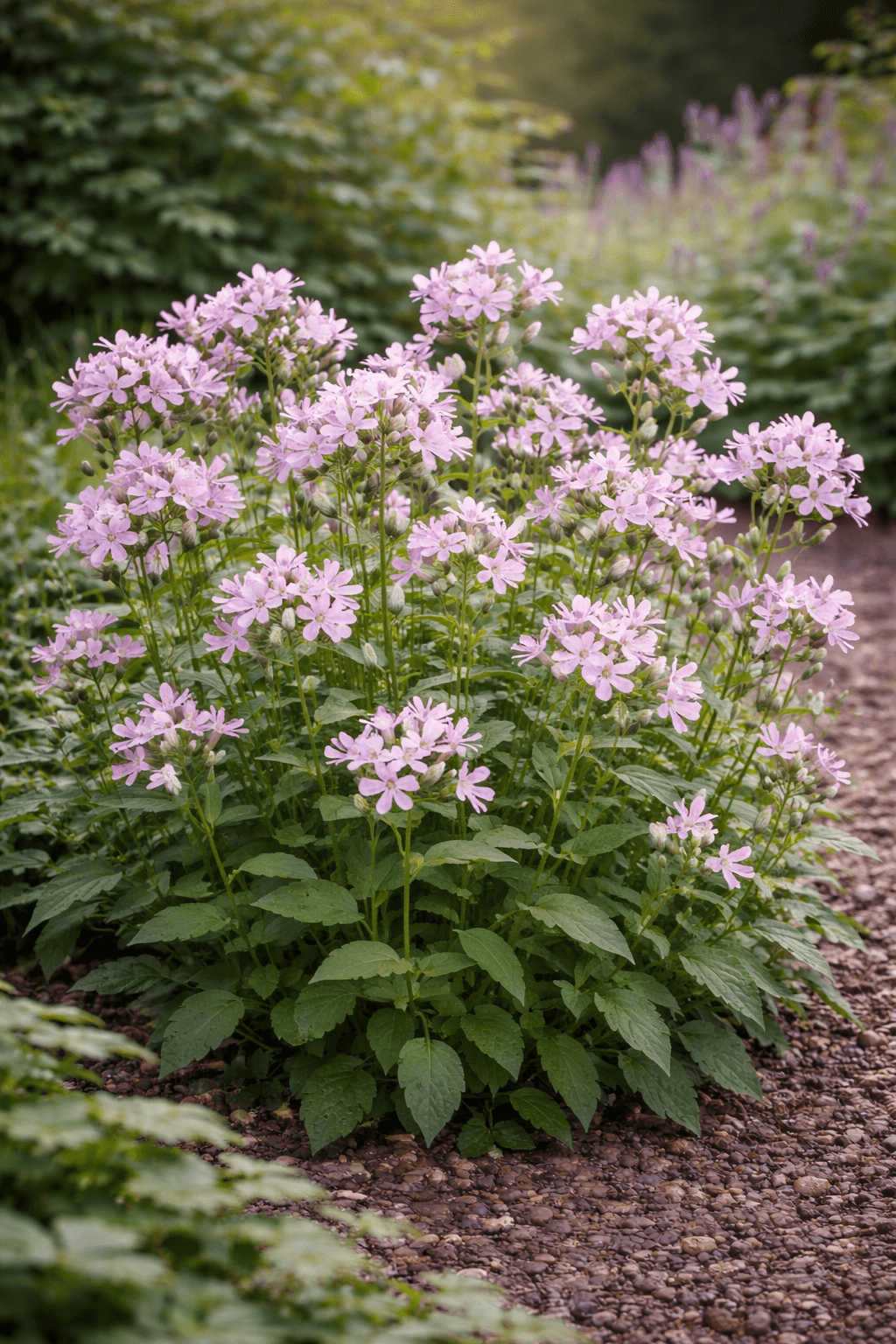
| Saponaria officinalis (soapwort) | Sets seed readily and establishes in informal planting schemes. | Most UK gardens, sunny or lightly shaded sites | Keep an eye on spread. Lift seedlings in spring if they wander. |
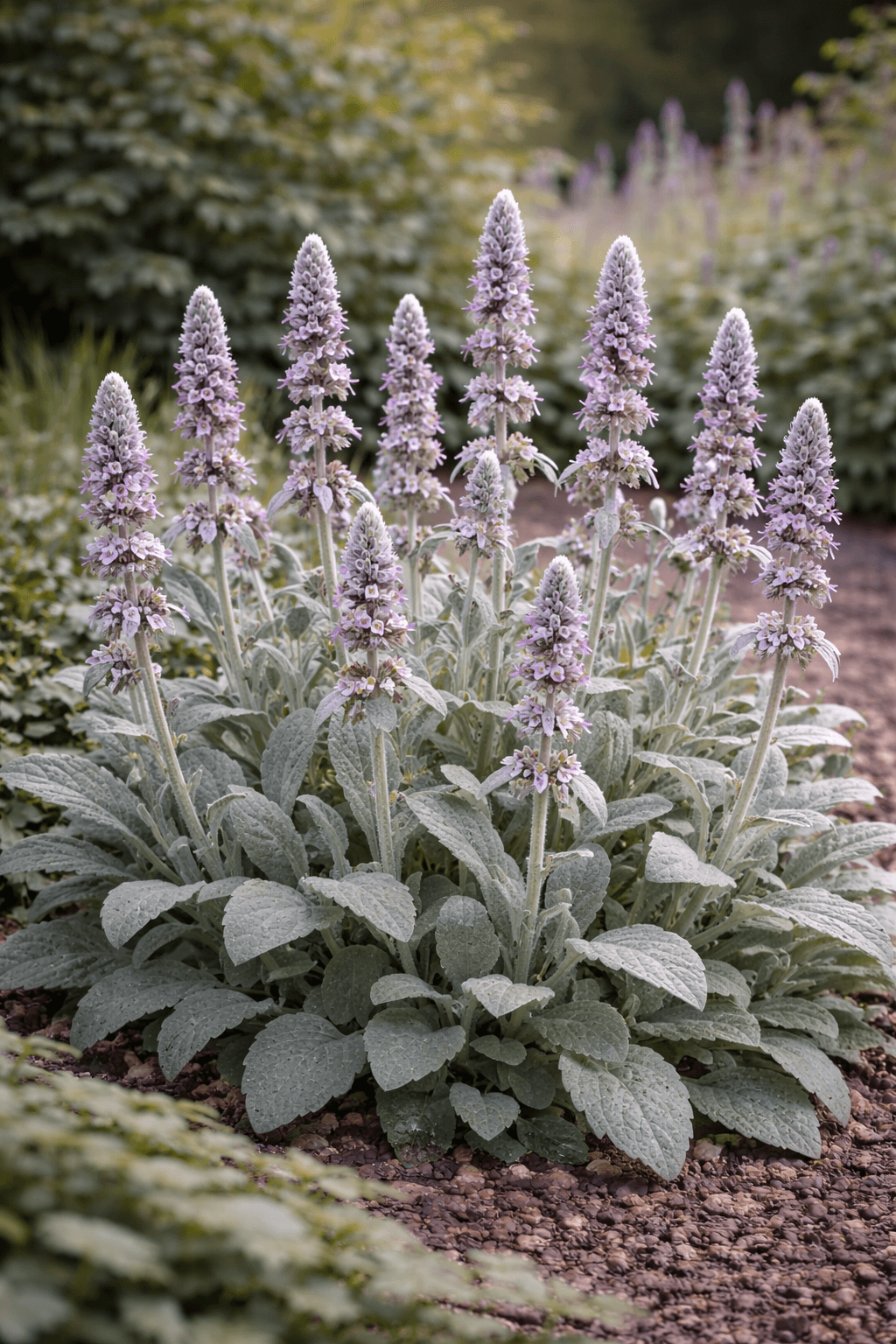
| Stachys byzantina (lamb’s ears) | May self-seed modestly in dry, open ground, particularly after warm summers. | Dry, free-draining soils and sunny positions | Remove flower spikes if you want to reduce seeding and keep a neat look. |
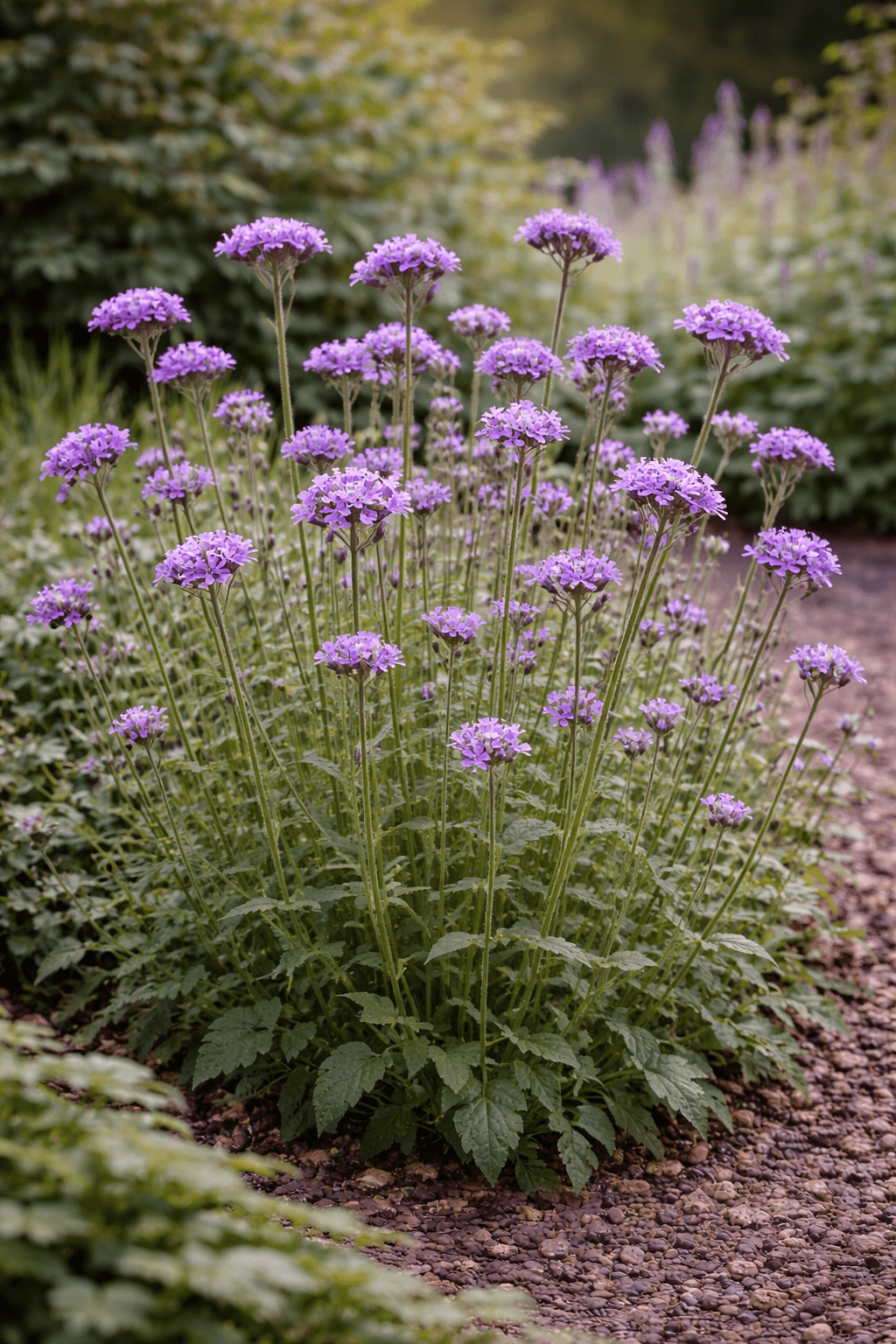
| Verbena bonariensis | Produces light seed that germinates readily where soil is open. | Mild and sheltered gardens, urban heat pockets | Seedlings are easy to move. Thin to prevent a crowded look. |
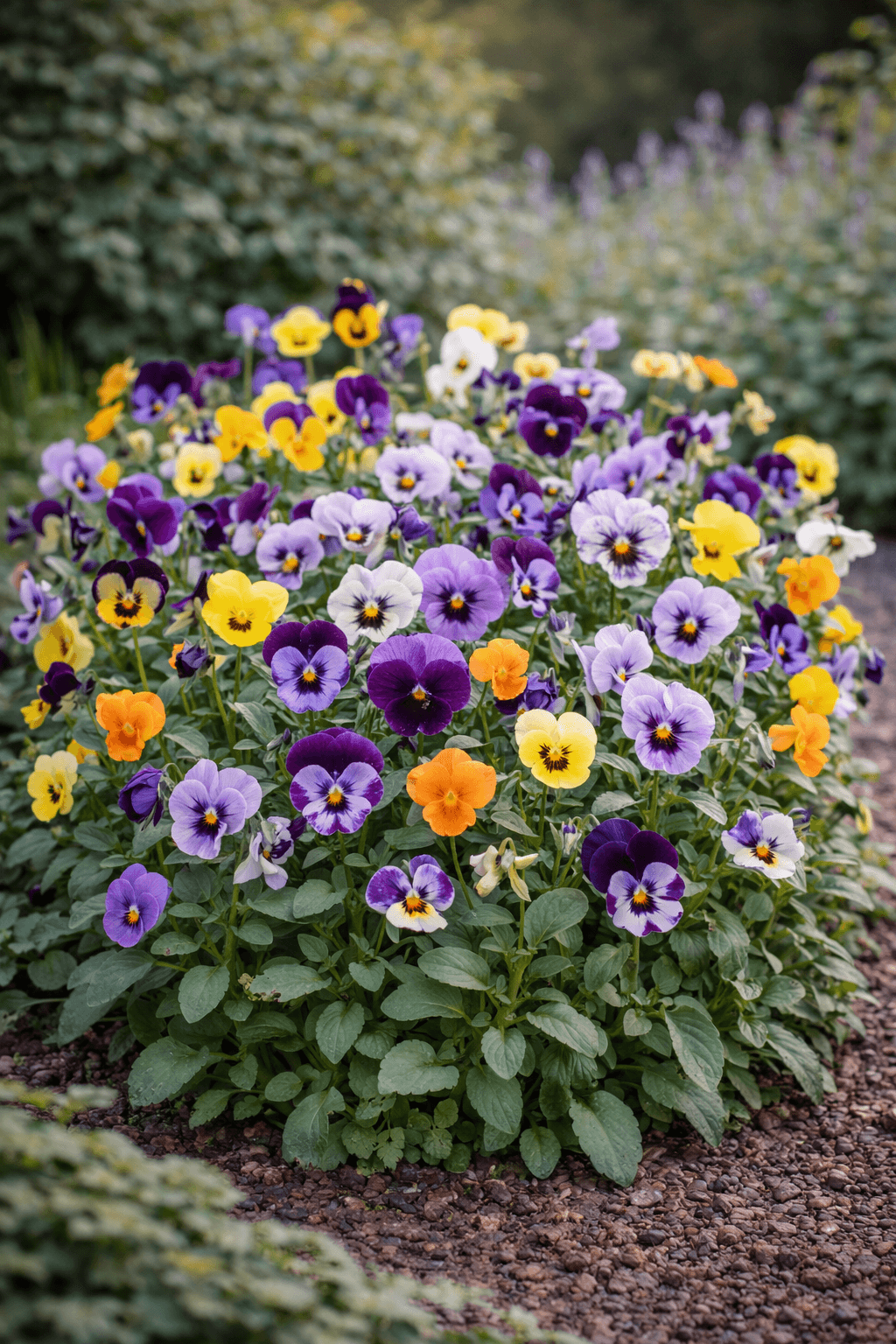
| Viola (pansies and violas) | Can self-seed gently, especially in cool, moist conditions. | Cooler gardens, light shade, moisture-retentive soil | Self-seeded plants vary. Keep those that suit your colour scheme. |
Letting the garden mature over time
Self-seeding planting rewards patience. Gardens that rely on this approach rarely look finished in their first year. They improve gradually as plants settle, seed, and find their place.
Over time, this way of planting brings several quiet advantages:
Plants establish where conditions suit them best, often resulting in stronger growth and fewer failures
Gaps are filled naturally, reducing the need for regular replanting or seasonal bedding
Borders develop a sense of continuity, with new growth echoing what is already thriving
Seasonal changes feel softer and more natural, rather than heavily managed or reset each year
Maintenance shifts from constant intervention to light editing and observation
For those with limited time, this can be one of the most satisfying and sustainable ways to garden.
Key takeaways
Self-seeding plants suit busy lives by reducing replanting and constant upkeep
Low maintenance comes from light editing, not neglect
UK conditions are particularly well suited to natural reseeding
Choosing well-behaved plants is essential for balance
Not every part of a garden benefits from self-seeding
Applying These Ideas at Home
If you’re drawn to gardens that evolve naturally and ask less of you day to day, thoughtful planting choices make all the difference.
At Vivid Gardens, we design gardens that work with natural processes rather than against them, creating spaces that feel settled, resilient, and easy to live with over time. You can explore a selection of our completed residential garden projects to see how careful planting and relaxed layouts have shaped a wide range of UK gardens.
Every project begins with the same careful observation of light, soil, and how the garden is actually used, the same principles outlined in this guide.
If you’d like to explore ideas for your own garden, an initial conversation is always free, with no obligation. We’re happy to talk things through before any decisions are made.